




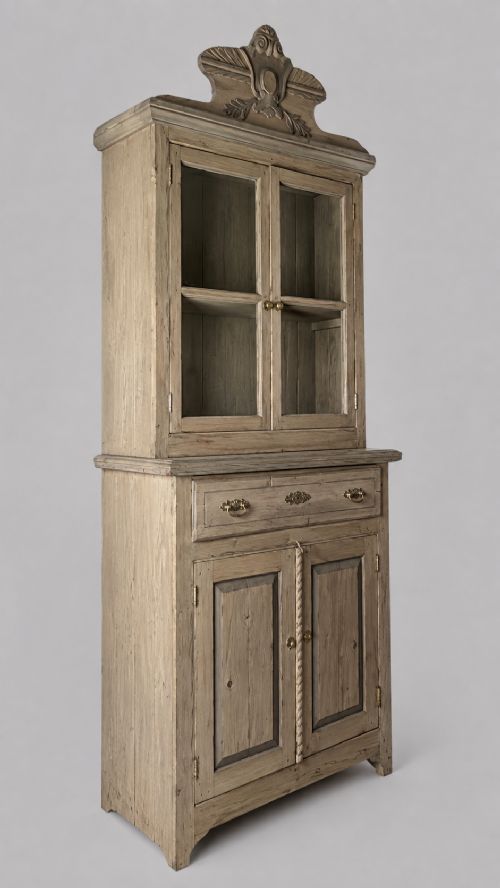
19th Century Kitchen Dresser
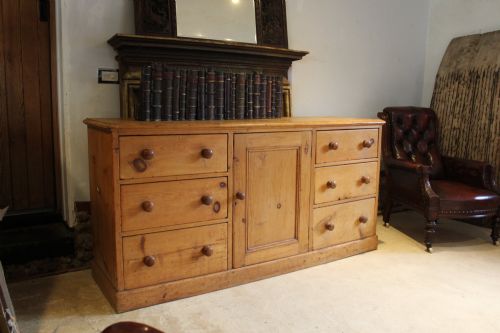
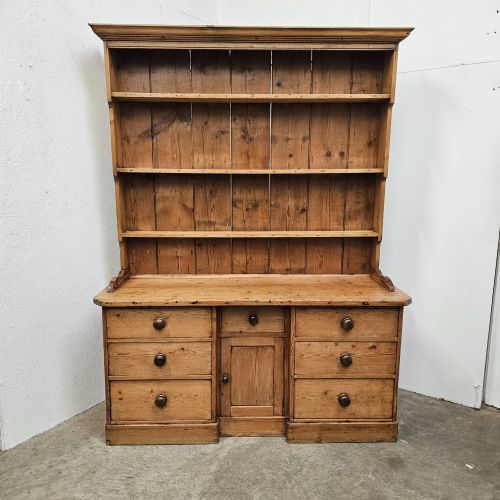
The 19th century kitchen dresser brings substance and utilitarian warmth to a room, offering generous storage through fitted shelves, cupboards and potboards.
19th Century Kitchen Dresser
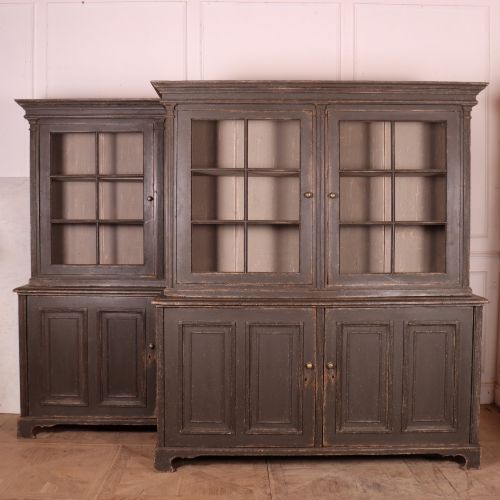
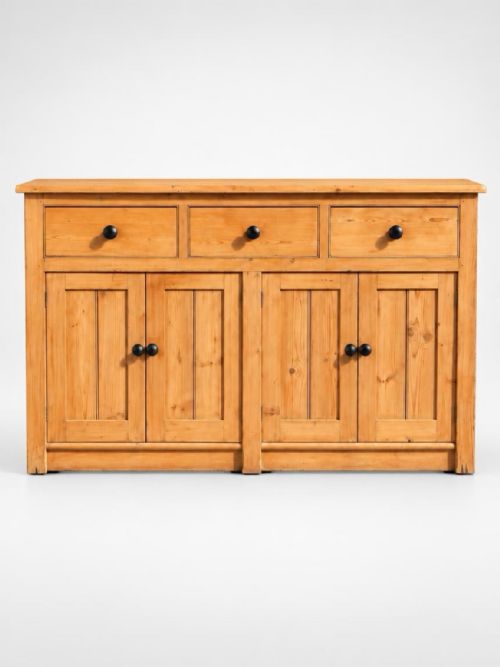
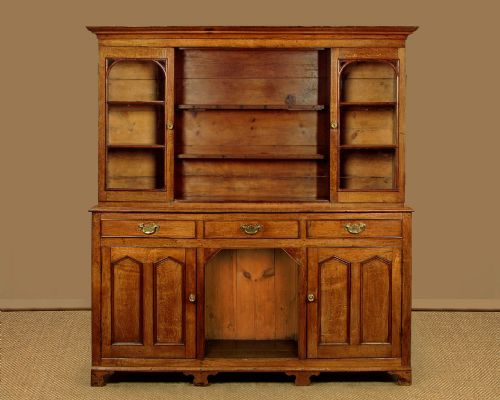
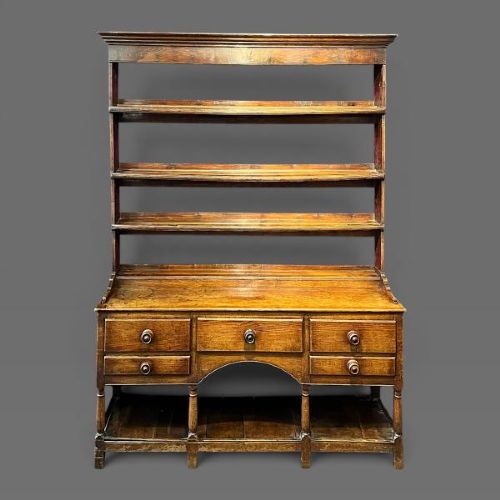
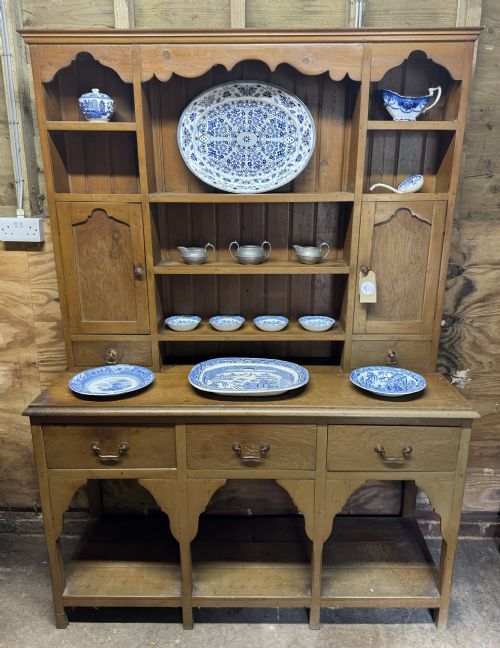
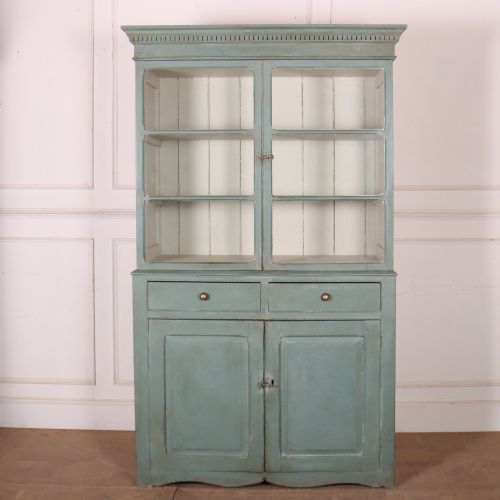
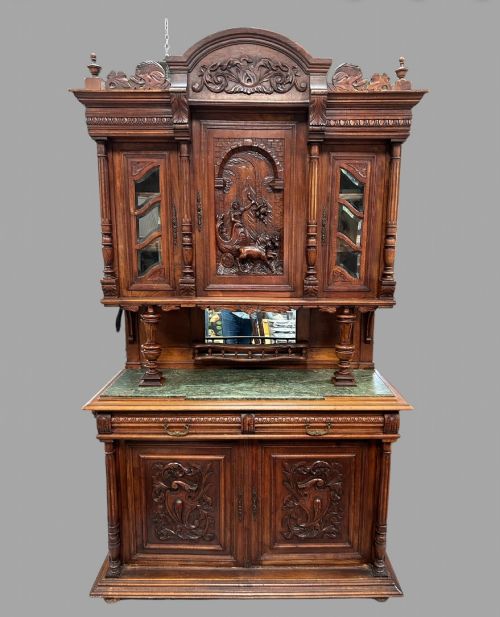
A 19th century kitchen dresser serves as the central storage and display unit of a domestic interior, combining open upper plate racks with enclosed lower cupboards or drawers. The pieces appearing here span regional variations from Welsh vernacular and Scottish farmhouse examples to French provincial and Scandinavian country designs.
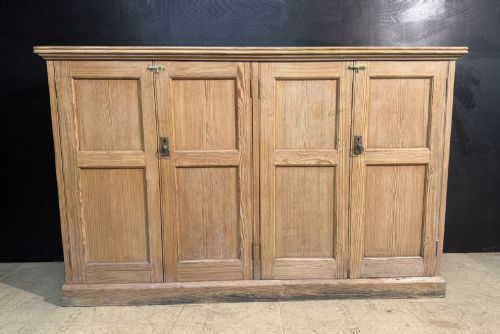
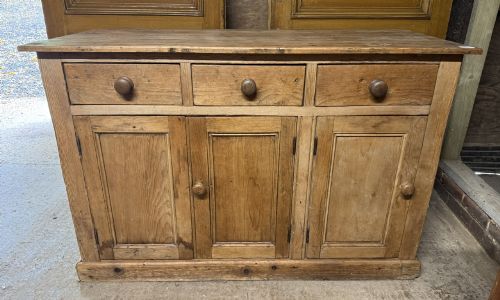
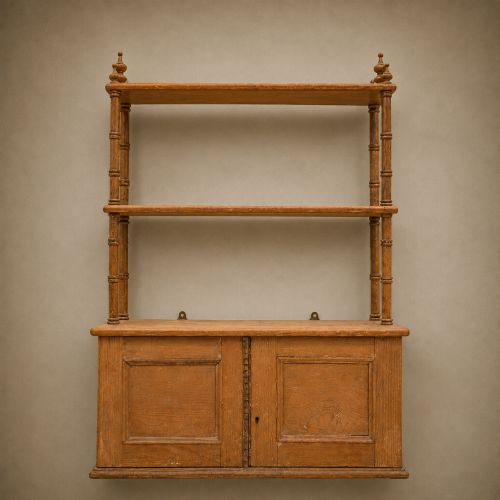
Forms range from tall, two-part glazed cabinets and bakers racks to open dresser bases, potboard units and housekeepers cupboards. Pine and oak predominate throughout these formats, supplemented by fruit wood, walnut and painted finishes.
Buyers encounter everything from large country house dressers with extensive shelving to compact cottage bases fitted with bread slides or dog kennel compartments. Each regional style reflects the specific domestic requirements of the 19th-century household that commissioned it.
Materials and Construction Methods
Makers constructed these sturdy utility pieces primarily from native timbers, selecting solid pine for painted country furniture and durable oak for vernacular Welsh and English bases. Secondary woods such as fruit wood appear in provincial French examples, whilst iron and brass provide hinges, handles and latches.
Construction relies on traditional joinery methods, including hand-cut dovetails for drawers and pegged joints for framework. Surfaces often retain their original paint, wax or unadorned patina, showing the marks of manual planing and long-term domestic use.
19th Century Kitchen Dresser Retail Price Guide 2026
Typical asking prices for 19th century kitchen dresser among the pieces listed under this phrase on Sellingantiques today, from the lower quarter to the upper quarter. They describe what is for sale here now, not the wider market.
Several pieces preserve integrated dog kennel compartments, reminding us that nineteenth-century kitchens accommodated four-legged kitchen helpers too.
Distinguishing Quality Across Pieces
Quality rests in the integrity of the timber selection, the crispness of any carved detailing, and the survival of original surface finishes like early paint or deep patinated wax. Pieces retaining their original brass hardware, glass panes and untouched backboards command greater interest.
Proportion and scale also separate standard utility furniture from finer vernacular pieces, particularly where regional idiosyncrasies such as potboards or dog kennel enclosures remain intact. Structural honesty without excessive modern restoration preserves the authentic character of the period.
The 19th Century Kitchen Dresser Glossary
- Potboard
- An open slatted lower shelf built into the base of a dresser, historically used for storing drying pots and heavy kitchen earthenware.
- Dog kennel
- A central recessed open compartment located beneath the drawers of a dresser base, traditionally utilised for keeping hunting dogs warm or storing domestic items.
- Bread slide
- A pull-out wooden shelf integrated into the dresser base near the drawers, originally designed for cooling freshly baked loaves of bread.
- Patina
- The deep, lustrous surface sheen developed on wood and paint over decades of handling, cleaning and exposure to light.
- Vernacular
- Architecture and furniture built by local craftsmen using traditional regional designs and native materials rather than academic architectural styles.
19th Century Kitchen Dresser: Frequently Asked Questions
What is the difference between a dresser base and a full dresser?
A dresser base consists solely of the lower section featuring drawers and cupboards or a pot shelf. It provides a solid surface top similar to a sideboard.
A full dresser includes the upper plate rack or glazed cabinet superstructure attached to the base. This allows for both enclosed storage below and the display of ceramics above.
How do I care for a painted pine kitchen dresser?
Keep the piece away from direct heat sources and strong sunlight to prevent the timber from splitting and the old paint from flaking. Dust regularly with a dry or slightly damp soft cloth.
Avoid harsh modern chemical cleaners that can strip original paint or historic wax. Apply a traditional beeswax sparingly if the unpainted wood begins to look dry.
How can I tell if the paint is original?
Original paint exhibits natural wear patterns, softening around handle areas and edges where hands repeatedly touched the surface over generations. Microscopic layering often reveals historic buildup without modern primer underneath.
Repainted surfaces typically appear uniform in texture and lack the depth, craquelure and integrated patina found on authentic 19th-century finishes.