


Antique Wooden Sideboard Mirror
An antique wooden sideboard mirror brings depth and light to a dining room, combining polished timber frames with functional glass panels.
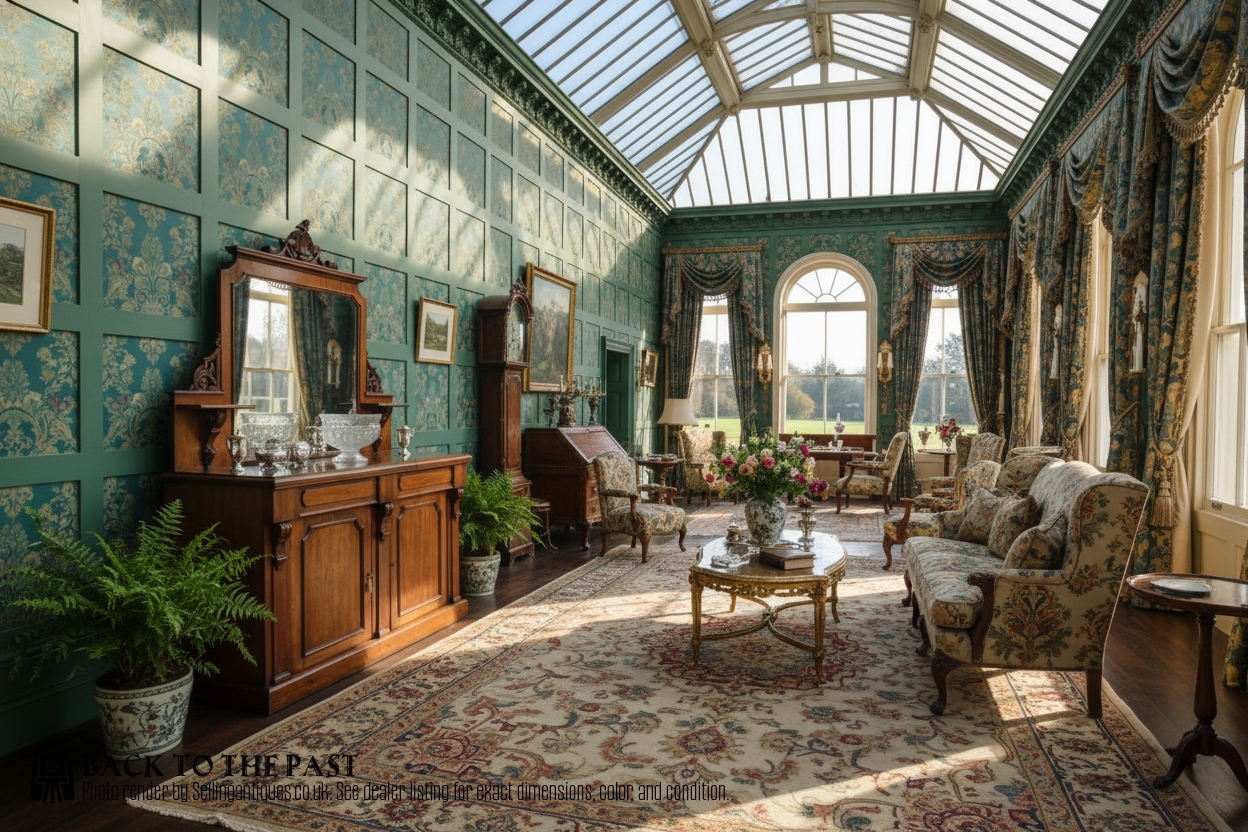
Antique Wooden Sideboard Mirror
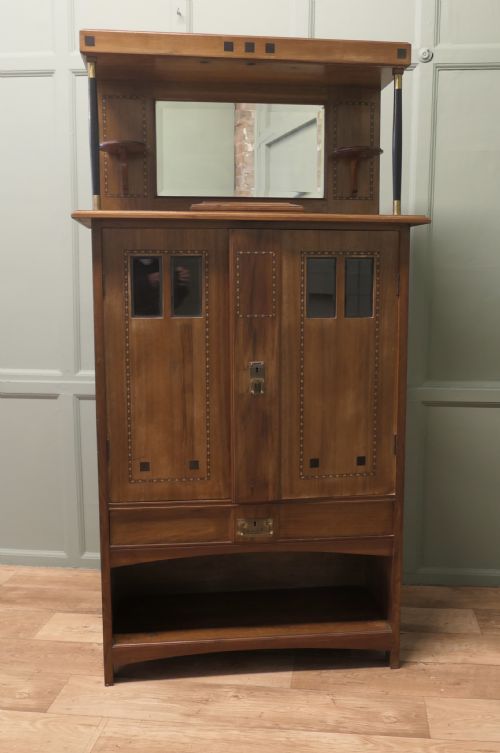
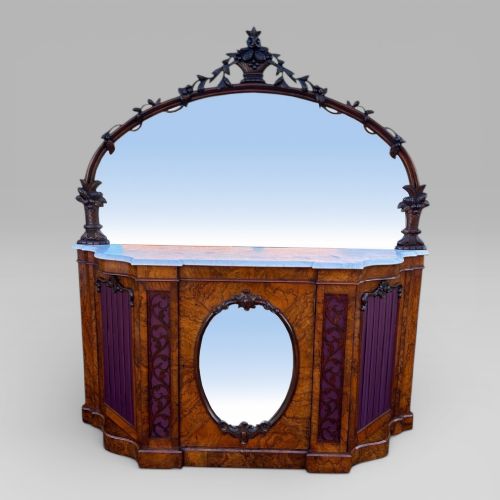
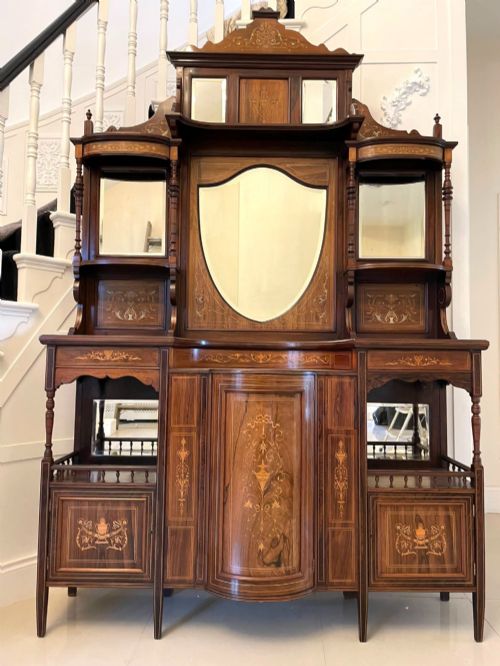
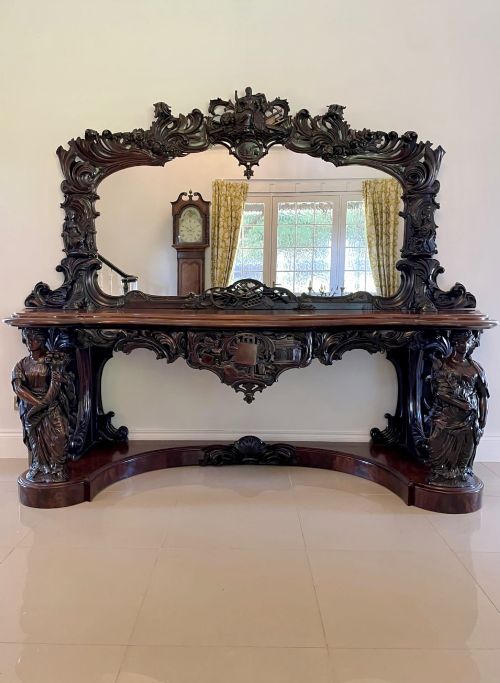
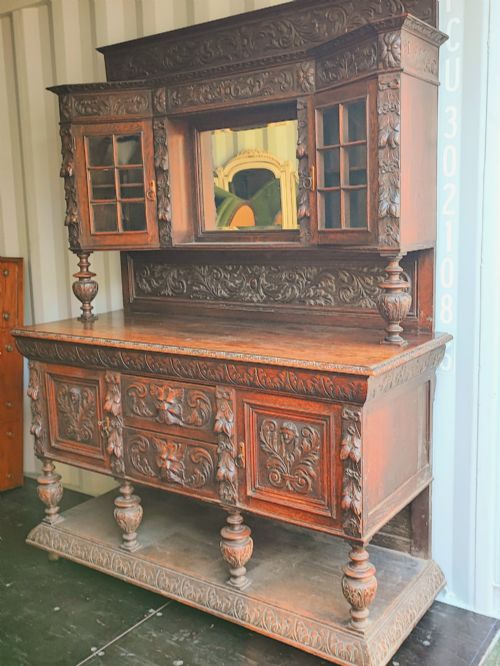
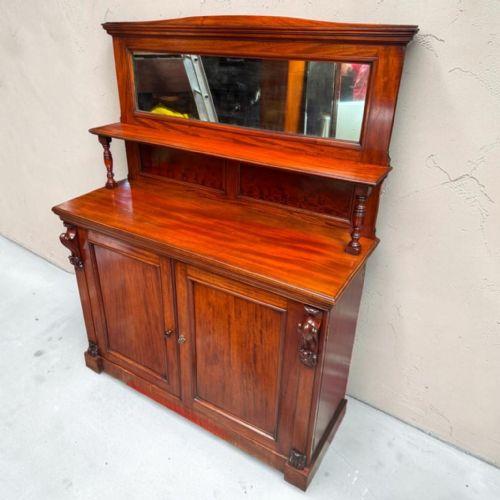
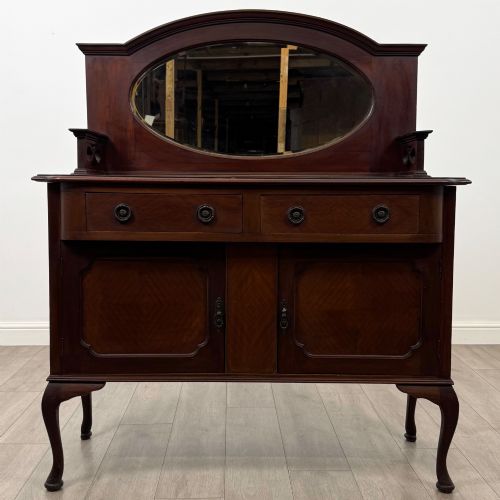
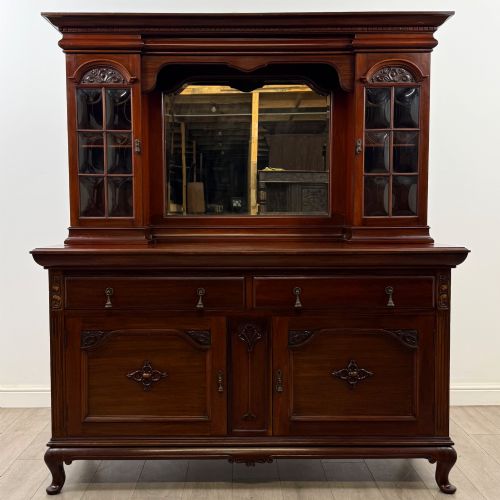
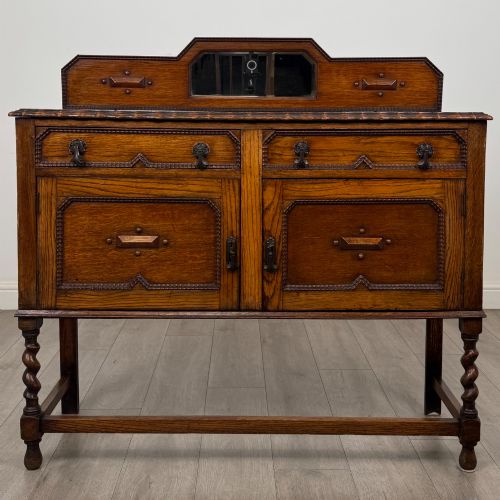
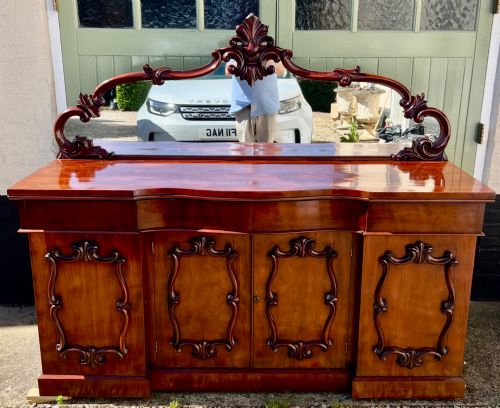
An antique wooden sideboard mirror usually appears integrated into large dining room furniture or as a distinct mirror back attached to a pedestal base. Buyers hunting for an antique wooden sideboard mirror will frequently encounter Victorian and Edwardian examples featuring carved crests and upright supports. These pieces served to reflect light around nineteenth-century dining spaces while displaying silver and glass on the sideboard surface below.
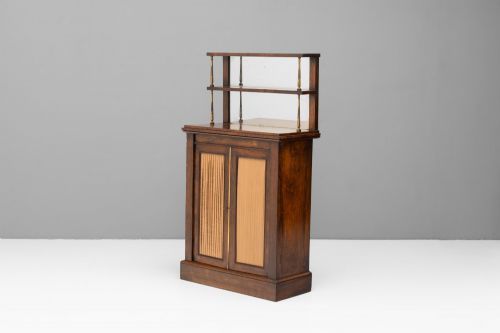
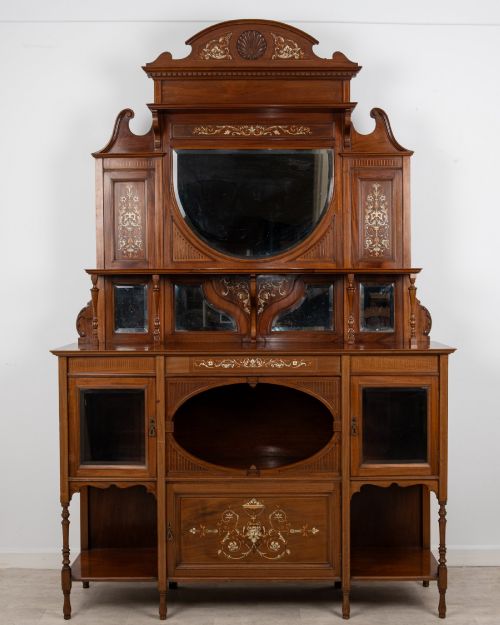
The inventory shows these items attached to various forms including breakfront chiffoniers, credenzas, and console tables. Mahogany and walnut dominate the selection, often complemented by inlaid details or heavy carved mouldings. Pieces range from straightforward Edwardian light oak versions to elaborate exhibition quality Victorian designs.
Materials and construction methods
Cabinet makers utilised dense hardwoods such as mahogany, walnut, oak, and rosewood for the structural frames and backing plates. Timber was selected for figured grain patterns, flame veneers, or burr surfaces, then polished to a deep lustre.
Glass mirror plates were secured within rebated wooden frames, sometimes supported by carved brackets or turned columns. Brass fittings and inlay work in contrasting lighter woods frequently accented the main timber structure.
The listings show mirror back sideboards spanning the Victorian and Edwardian eras, constructed primarily in mahogany, walnut, and oak.
Judging the quality of craftsmanship
Quality rests in the depth of the timber carving and the precision of the veneer work across the frame and the sideboard base. Superior examples demonstrate crisp botanical or geometric carving rather than cast plaster substitutes, alongside seamless joints where the mirror uprights meet the top surface.
The clarity and thickness of the mirror glass itself, together with the condition of its silvered backing, separate standard production items from exhibition grade pieces. Heavier framing timbers and sophisticated use of burr walnut or amboyna indicate a higher grade of workshop production.
Howard and Sons
The Antique Wooden Sideboard Mirror Glossary
- Mirror Back
- A tall wooden structure incorporating a glass plate attached to the rear of a sideboard or console table. This design element became popular during the Victorian period to brighten dark dining rooms.
- Credenza
- A low dining room cabinet or sideboard, frequently featuring mirrored upper sections or glass doors. These items often showcase elaborate burr walnut veneers and marquetry inlay.
- Chiffonier
- A compact sideboard cabinet equipped with shelves or a mirror superstructure, designed for smaller nineteenth-century reception rooms. They typically combine enclosed cupboard space with display surfaces.
- Pollard Oak
- Oak timber taken from trees that have been pollarded, producing a highly mottled and decorative grain pattern. Cabinet makers valued this wood for distinctively textured panel fronts.
- Marquetry
- The art of applying decorative veneer pieces in various woods to create pictorial or geometric patterns on furniture surfaces. This technique frequently highlights the frieze above the mirror plate.
Antique Wooden Sideboard Mirror: Frequently Asked Questions
Can the mirror be detached from the sideboard?
Many Victorian and Edwardian mirror backs attach via heavy screw bolts and vertical support struts at the rear of the main cabinet. They can be unfastened to facilitate transport or placement in rooms with lower ceilings.
Care should be taken when separating the components to protect fragile crests and delicate wood fixings. Consulting a professional restorer is advisable if the fittings appear stuck or integrated.
How do I date a wooden sideboard mirror?
Examine the secondary woods used in the construction, the style of the carving, and the beveling on the glass plate. Victorian pieces often display heavy mahogany frames with elaborate crests, whilst Edwardian versions tend towards lighter oak or simpler architectural lines.
Tool marks on the rear boards and the method of mirror silvering provide further clues to the decade of manufacture. Comparing the stylistic motifs with documented cabinet maker catalogues confirms the era.
Where should I place a mirror sideboard?
Position the piece against a sturdy load-bearing wall in a dining room, hallway, or spacious living area. Placing it opposite a window maximises the reflective qualities of the mirror plate and brightens the interior.
Ensure the floor is level so the heavy timber base and upright mirror structure remain stable. Keep the piece away from direct heat sources to protect the polished wood finish.