



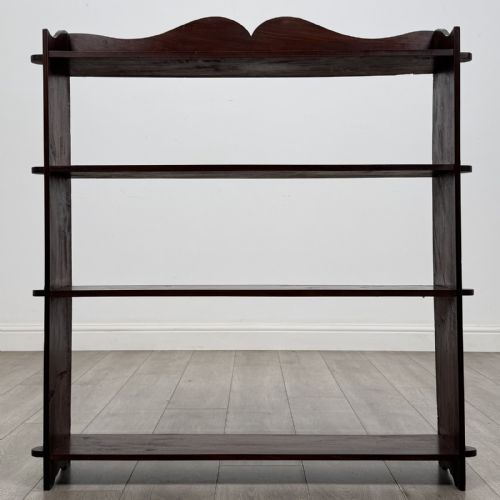
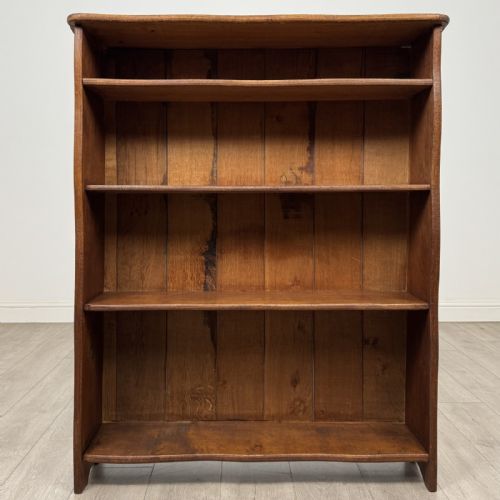
Antique Wooden Shelving Unit
An antique wooden shelving unit brings warmth and architectural character to a room, offering practical display space built from rich historic timbers.
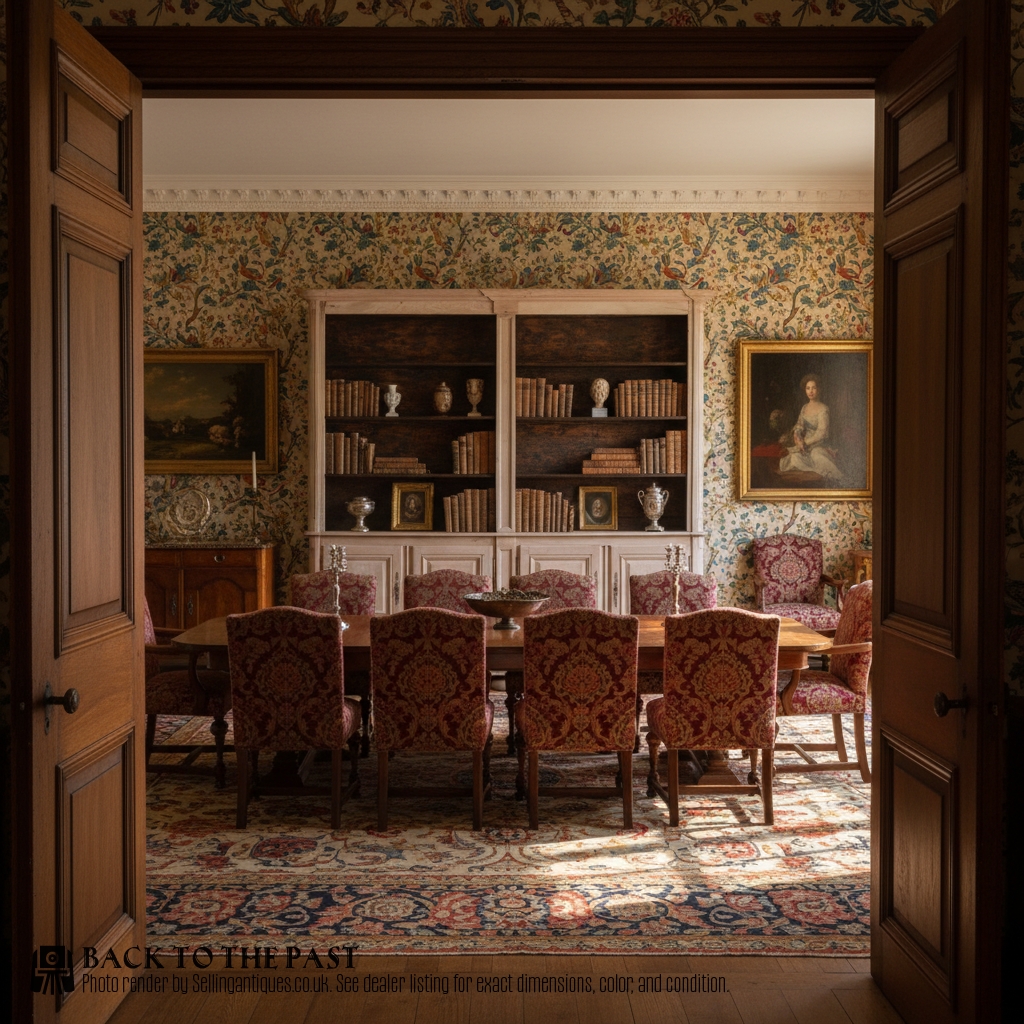
Antique Wooden Shelving Unit
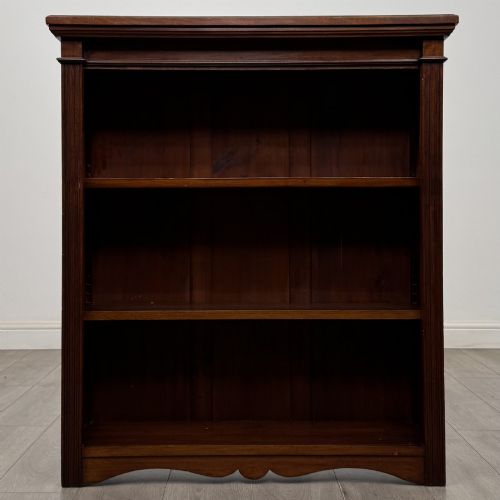
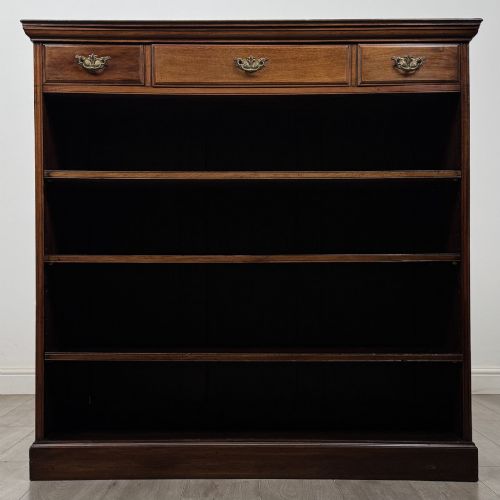
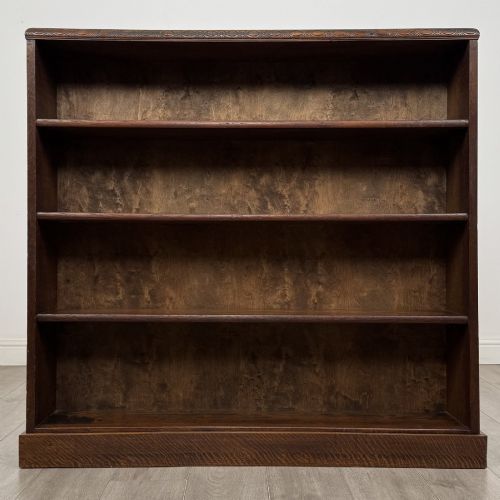
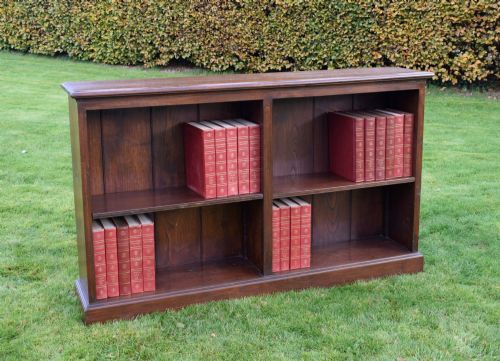
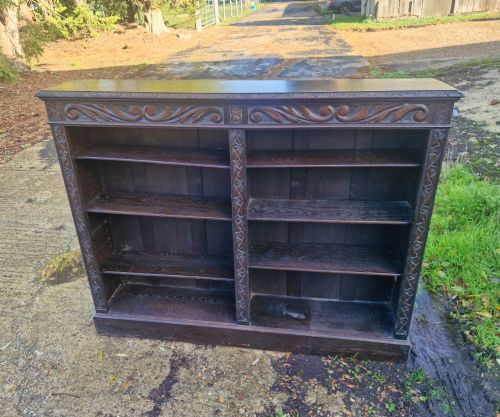
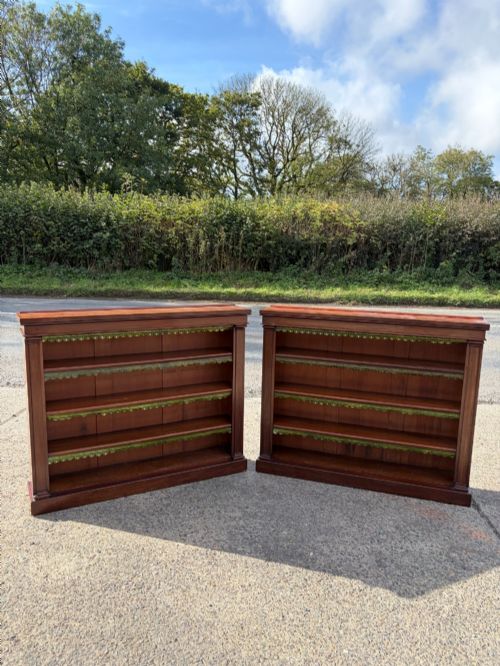
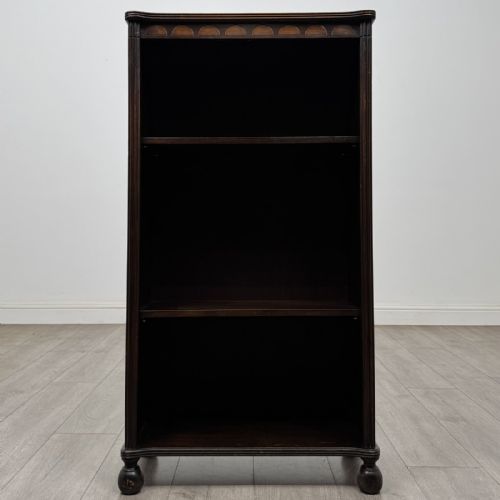
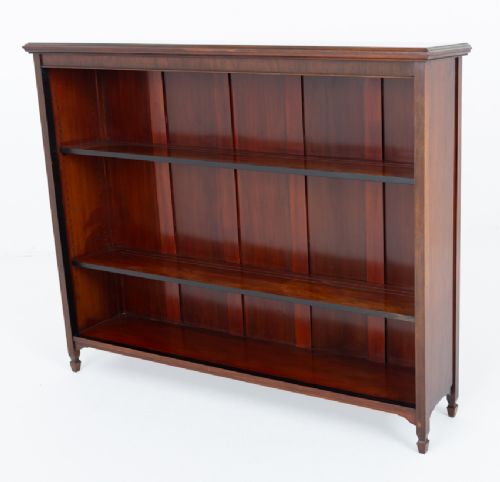
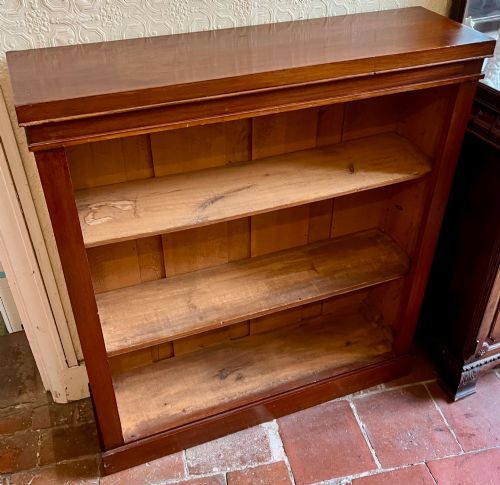
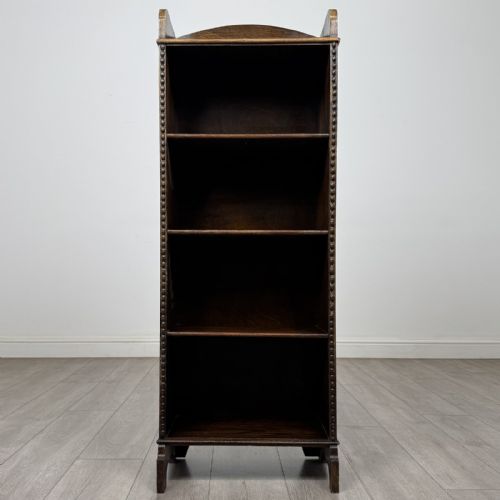
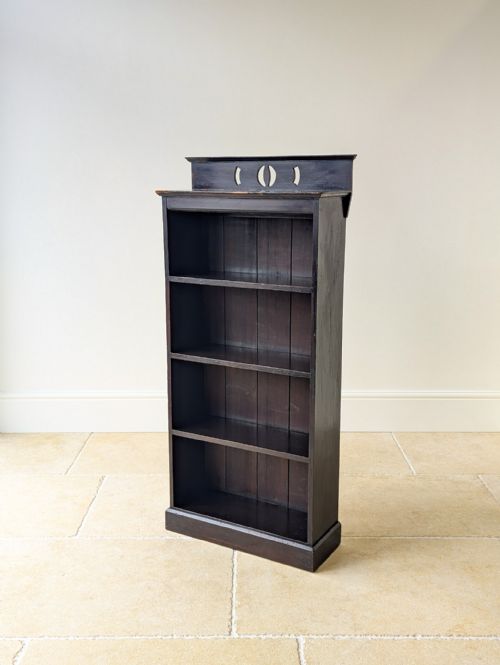
An antique wooden shelving unit takes several distinct forms across the periods represented here, functioning primarily as a bookcase or an etagere whatnot. When you search for an antique wooden shelving unit, you will most frequently encounter open bookcases and tiered display pieces designed for domestic storage.
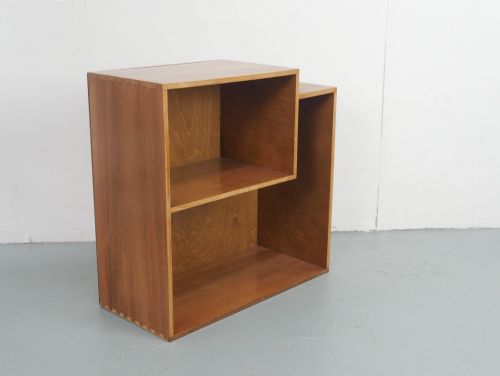
The pieces span the eighteenth, nineteenth, and early twentieth centuries, drawing on Victorian, Edwardian, Arts and Crafts, and French Provincial styles. Surviving examples range from large country house bookcases to unusual three-section elm designs and multi-tiered rosewood étagères.
Makers and craftsmen utilised specific forms to suit contemporary domestic needs, resulting in tall standing units with fixed or adjustable shelves. Each piece reflects the functional requirements of its era, whether for housing a library or displaying ornaments in a parlour.
Materials and construction
Makers constructed these units from a variety of timber species including mahogany, oak, elm, burr walnut, and rosewood, often enhanced with walnut veneer and decorative inlay. Selected pieces incorporate glass and metal elements alongside the primary wood structure to support structural integrity and visual lightness.
Antique Wooden Shelving Unit Retail Price Guide 2026
Typical asking prices for wooden shelving unit among the pieces listed under this phrase on Sellingantiques today, from the lower quarter to the upper quarter. They describe what is for sale here now, not the wider market.
Listings feature pieces spanning the eighteenth to the twentieth centuries, utilising timber varieties including burr walnut, mahogany, elm, and oak.
Distinguishing quality
Quality in these units rests upon the selection of timber and the ambition of the design, distinguishing standard utility pieces from fine country house furnishings. The use of burr walnut, figured mahogany, or intricate inlay work elevates a piece above simpler timber constructions.
Proportion and decorative restraint dictate the visual success of each unit, where carved details or bleached oak finishes are integrated with architectural coherence. Superior examples maintain structural harmony alongside exceptional material figure.
The Antique Wooden Shelving Unit Glossary
- Bookcase
- A piece of furniture with horizontal shelves used for storing books. These units range from open-fronted nineteenth-century designs to large carved oak examples.
- Etagere
- A set of open shelves for small objects and ornaments. These multi-tiered structures often feature delicate supports and open display platforms.
- Whatnot
- A freestanding piece of furniture with multiple tiers for displaying ornaments. The rosewood four-tier whatnot represents a classic domestic version of this form.
- Veneer
- A thin layer of fine wood applied to a base timber surface. Burr walnut veneer provides dramatic grain patterns across nineteenth-century cabinet fronts.
- Inlay
- A decorative technique where contrasting materials are inserted into the wood surface. Inlaid elm sections demonstrate this ornamental method in Arts and Crafts pieces.
Antique Wooden Shelving Unit: Frequently Asked Questions
What is an antique wooden shelving unit?
An antique wooden shelving unit is a piece of historic furniture designed for storage and display, encompassing bookcases, etageres, and whatnots.
These pieces are constructed from timbers such as oak, mahogany, walnut, and elm, dating from the eighteenth century to the early twentieth century.
How do I date an antique shelving unit?
Dating relies on examining the timber species, construction techniques, and stylistic markers characteristic of periods like the Victorian era or the eighteenth century.
Details such as carved oak ornament, French provincial bleached finishes, or Arts and Crafts inlay provide clear chronological indicators.
Where were these units used originally?
These shelving units served primarily in domestic settings such as libraries, parlours, and country house reception rooms for books and ornaments.
Open bookcases held working libraries while etageres and whatnots displayed decorative porcelain and small collectibles.
How do I care for antique wood shelves?
Care involves maintaining stable indoor humidity and avoiding direct sunlight to protect historic veneers and polished timber surfaces.
Regular dusting with a soft cloth preserves the natural finish of woods like mahogany, rosewood, and oak without harsh chemical polishes.