
Antique Wooden Office Table
An antique wooden office table brings working heritage into a room, offering sturdy construction and fitted drawers for daily use.
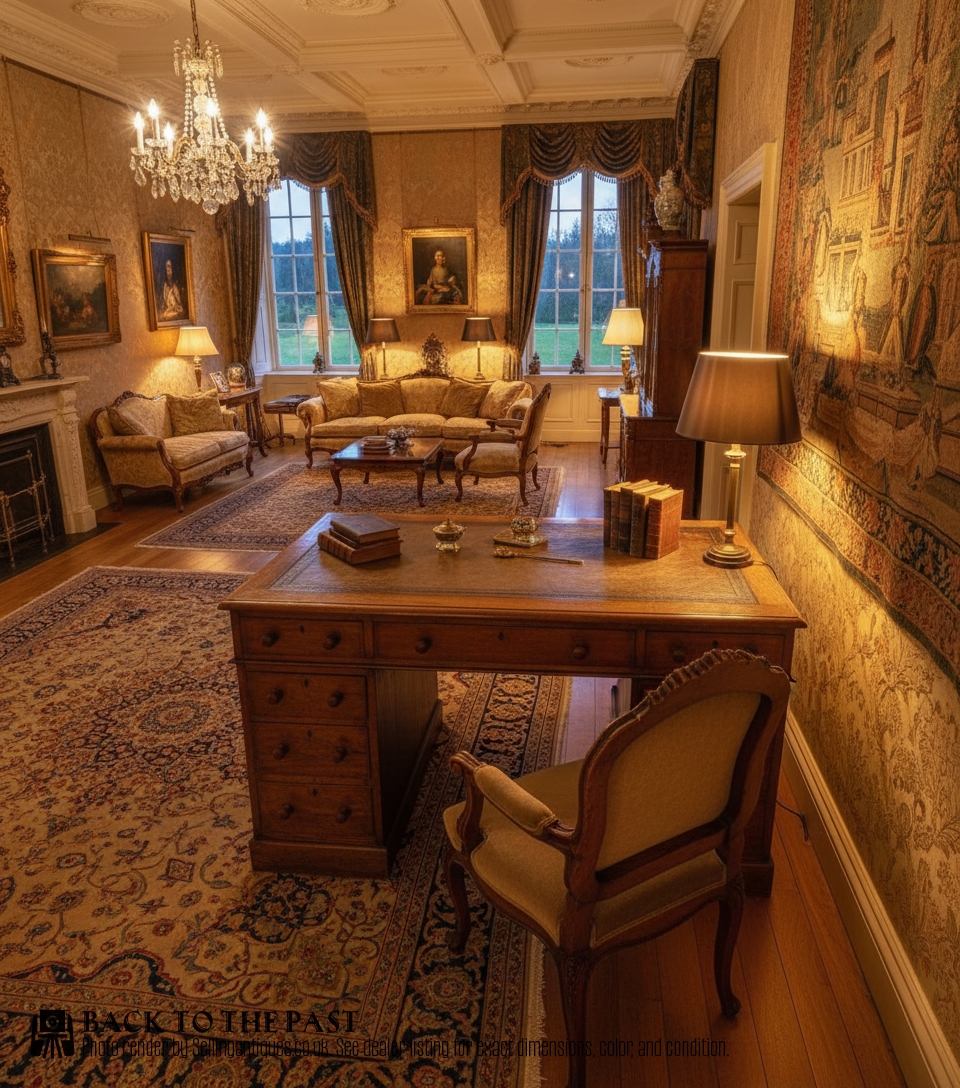
Antique Wooden Office Table
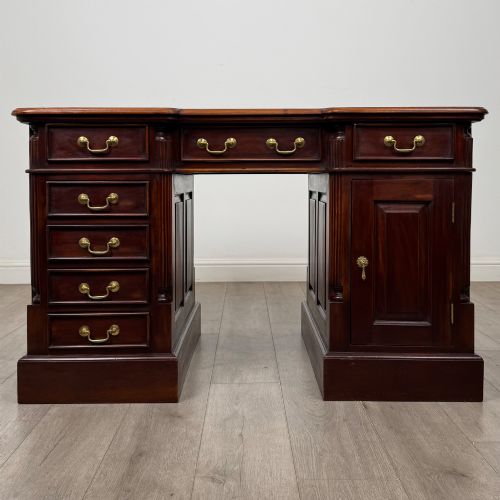
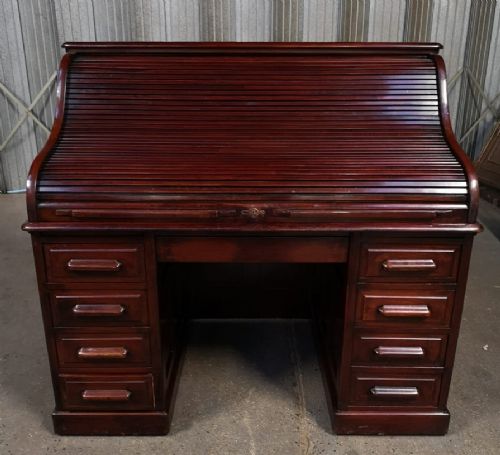
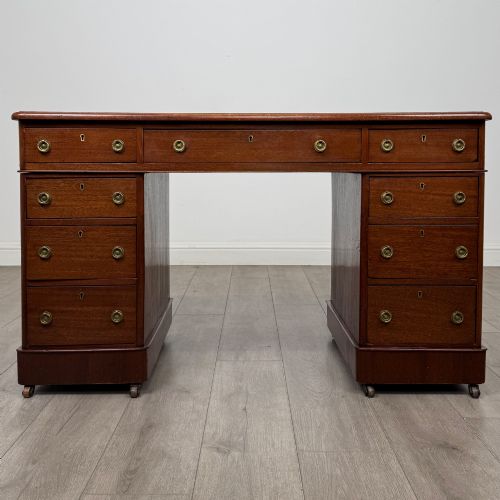
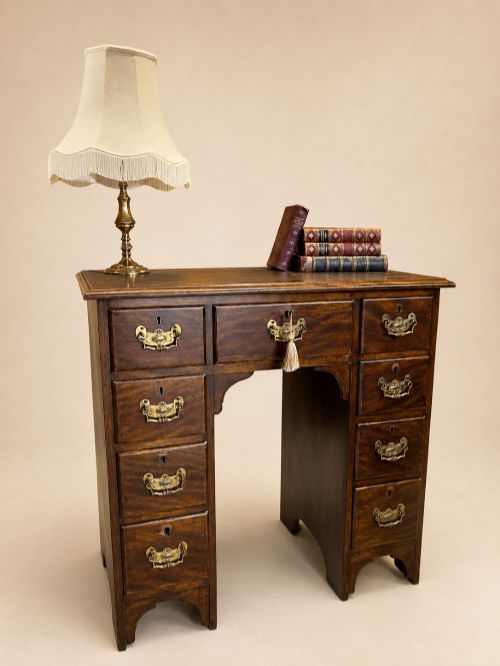
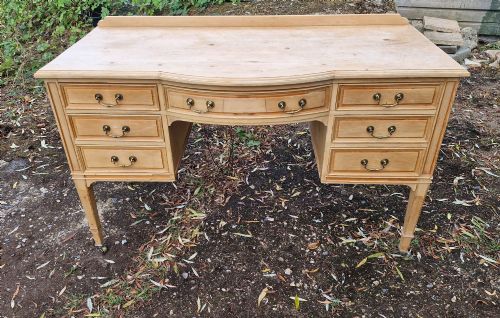
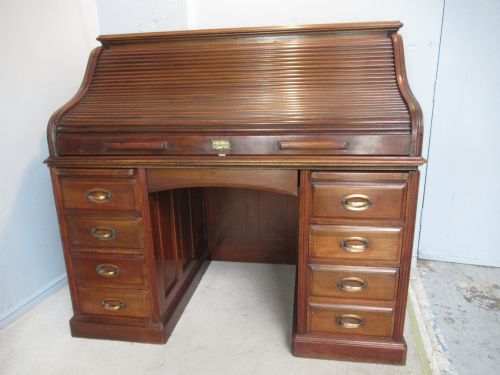
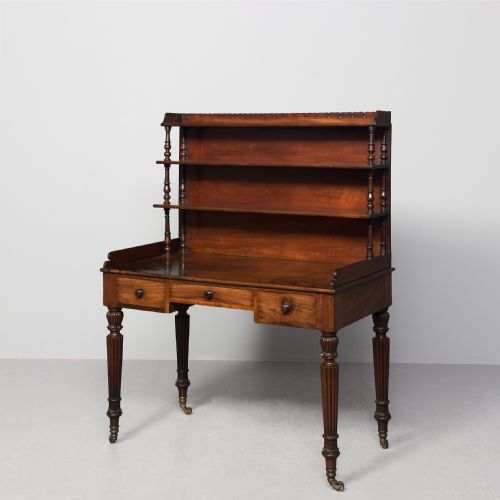
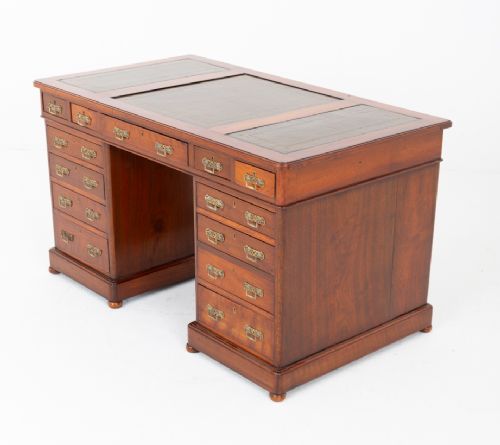
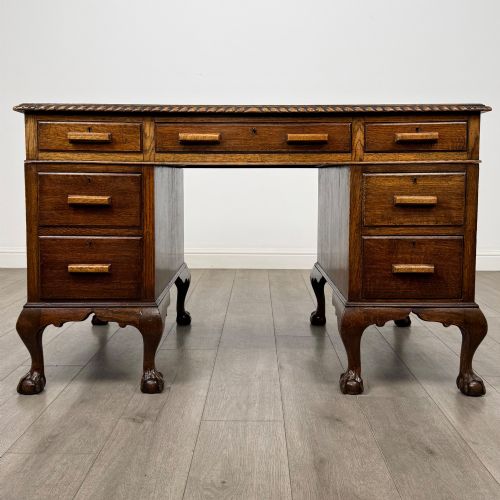
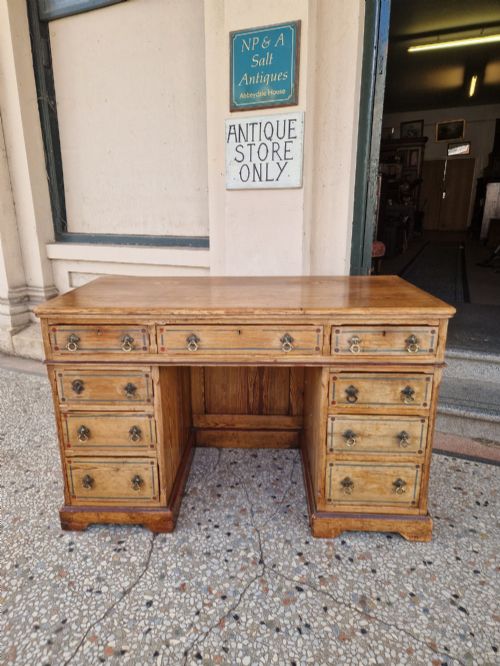
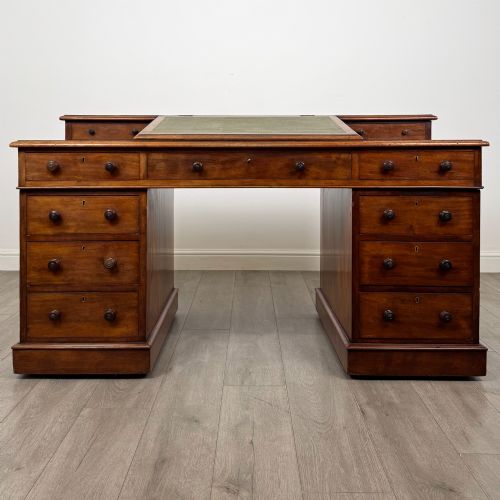
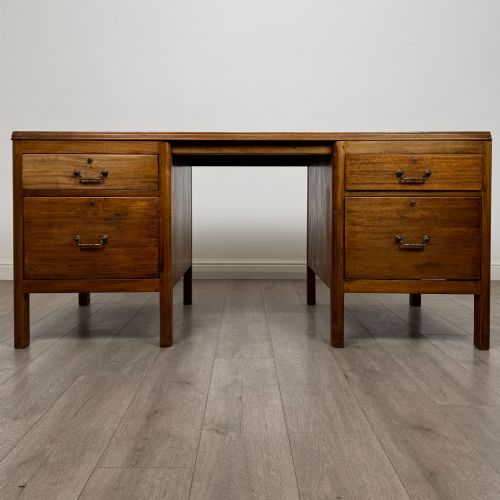
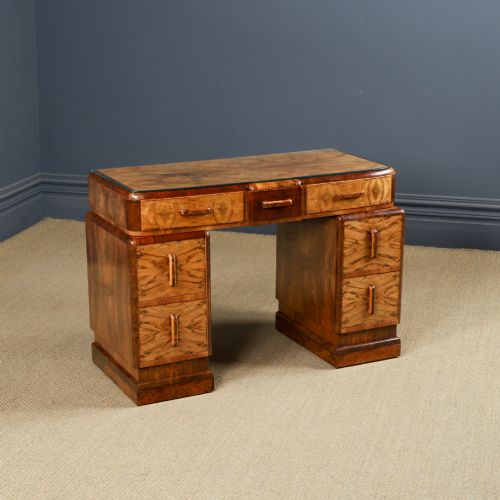
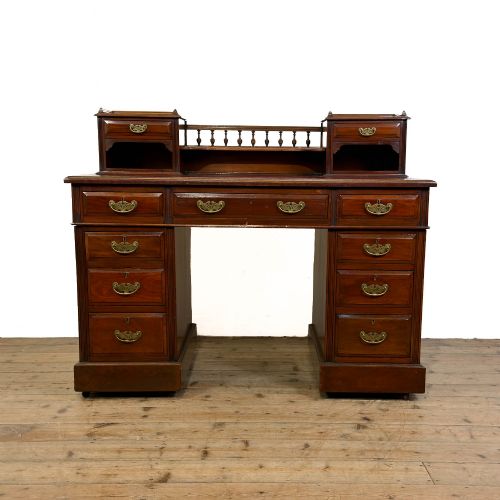
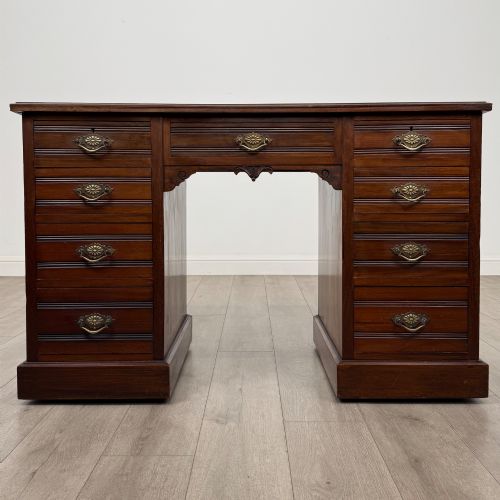
When searching for an antique wooden office table, buyers encounter a variety of practical writing furniture originating from the nineteenth and early twentieth centuries. These pieces encompass robust pedestal desks, kneehole writing tables, and roll-top variants designed for serious correspondence and administration.
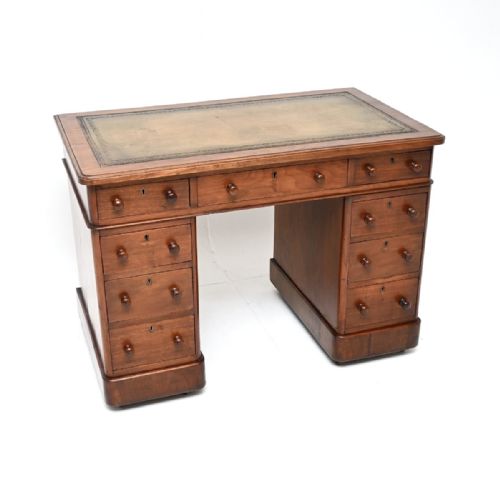
Victorian and Edwardian examples dominate the selection, frequently constructed from rich mahogany or walnut with inset leather writing surfaces. Forms range from compact single-pedestal formats to large partner desks built for two.
Makers utilised timber to create functional workspaces that also served as centrepieces for study and administrative rooms. The survival of these tables demonstrates the enduring utility of traditional office furniture.
Materials and construction
Cabinet makers relied upon durable hardwoods such as mahogany, oak, and walnut, often accentuating the grain with burr walnut or satin birch veneers. Brass handles, key escutcheons, and leather writing inserts completed the standard construction.
Joinery techniques prioritised strength, utilising dovetailed drawer construction and robust framing to support heavy writing loads. Roll-top mechanisms and tambour doors required precise woodworking to ensure smooth daily operation.
Listings feature woods including mahogany, walnut, burr walnut, oak, pine, and satin birch across Victorian and Edwardian periods.
Judging standard and build
Quality rests in the selection of timbers and the precision of the cabinet work, particularly around drawer linings and internal dividers. Well-executed desks show careful attention to grain matching across large surfaces and robust mechanical fittings.
The integrity of original leather inserts, working locks with matching keys, and undamaged timber patination elevate certain pieces above standard utility furniture. Maker attribution also distinguishes exceptional workshops from standard commercial output.
James Mein of Kelso·Hobbs and Co·Maple and Co
The Antique Wooden Office Table Glossary
- Pedestal desk
- A heavy office table featuring two banks of drawers supporting a central writing surface. This format provides substantial storage beneath the top.
- Partner desk
- A large double-sided desk designed for two people to work opposite each other. Cupboards and drawers typically duplicate on both sides.
- Kneehole desk
- A smaller writing table with a central recess for the legs, flanked by single pedestals of drawers. They fit comfortably in domestic studies.
- Tambour top
- A flexible slatted wooden screen that slides in tracks to conceal the writing surface. It functions similarly to a roll-top mechanism.
- Leather top
- An inset writing panel of tooled leather fitted into the wooden surface. This provides a smooth texture for writing by hand.
Antique Wooden Office Table: Frequently Asked Questions
What is a partner desk?
A partner desk is a large office table designed with drawer and cupboard storage accessible from both sides. This layout allowed two people to sit opposite each other and work simultaneously.
Such pieces originated in large institutional offices and stately homes where administrative work required shared space. They remain practical centerpieces for modern studies.
How do I care for leather desk tops?
Leather inserts require gentle cleaning with a slightly damp cloth and occasional treatment with appropriate leather balms to prevent drying. Avoid harsh chemical cleaners that might damage the gold tooling.
Maintaining the leather preserves the historical character of the writing surface. Proper care ensures the material remains supple during daily writing use.
Are roll top desks difficult to operate?
Original roll top mechanisms run on flexible wooden slats operating within grooved tracks. When properly maintained, the tambour slides smoothly to reveal the internal pigeon holes.
Seasonal humidity changes can occasionally cause minor sticking in older timber tracks. Careful adjustment by a restorer usually restores smooth movement.