

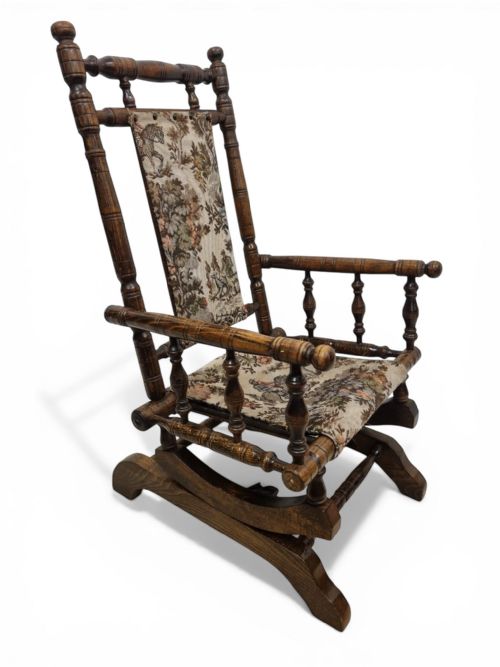


Antique Wooden Nursery Chair
An antique wooden nursery chair offers small-scale charm and sturdy craftsmanship, making it a delightful addition to any room.
Antique Wooden Nursery Chair
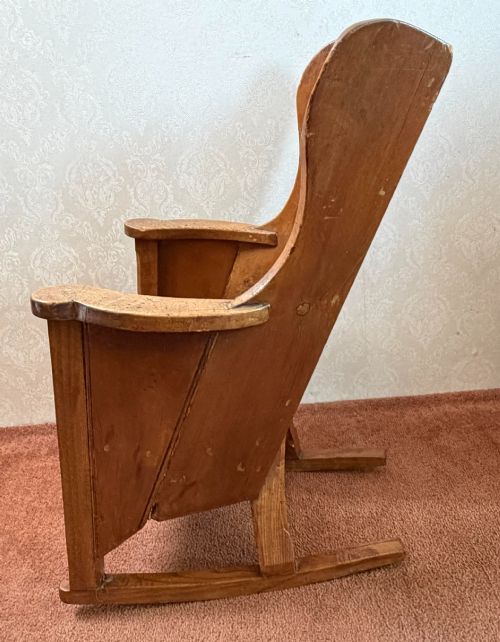
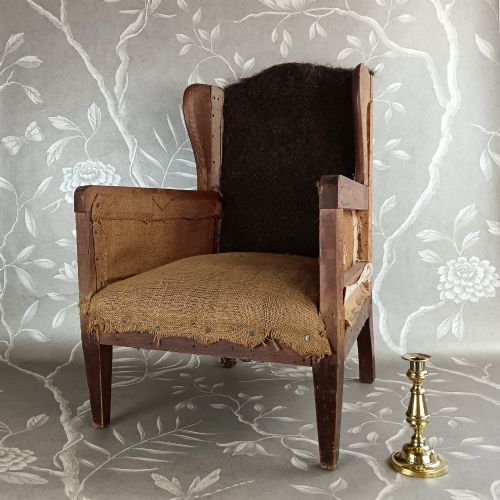
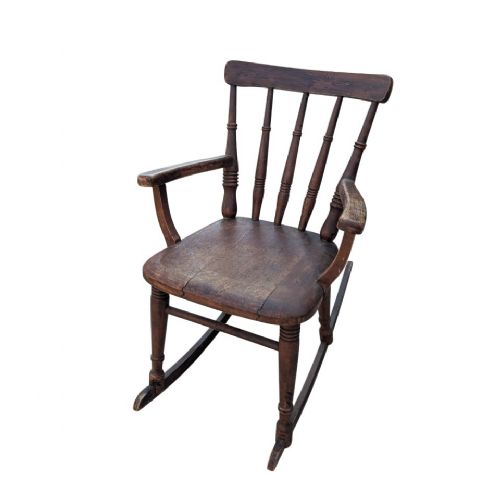
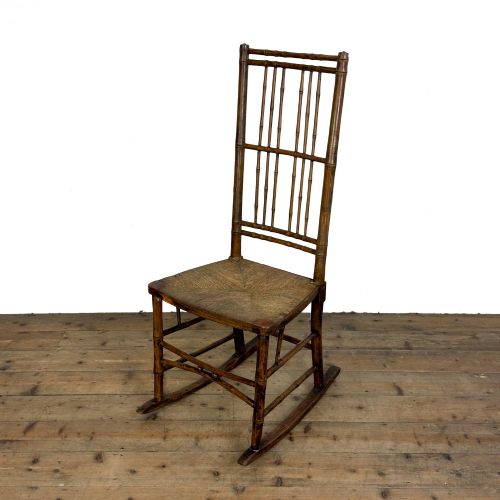
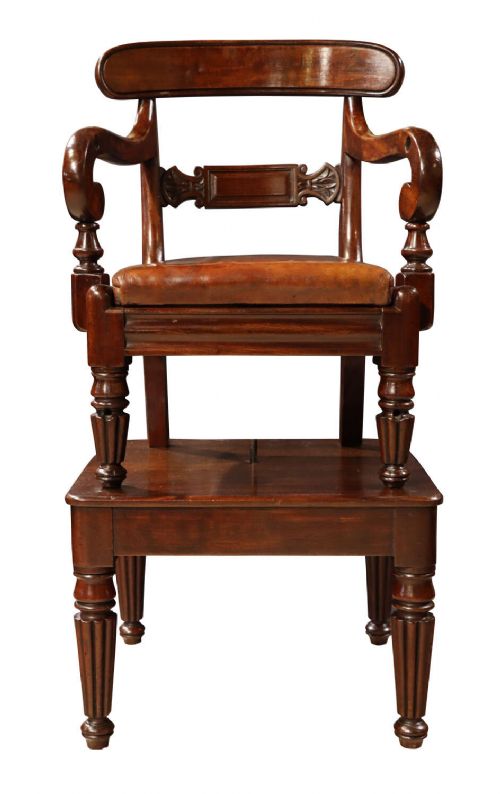
An antique wooden nursery chair encompasses small seating made for children, including low armchairs, high chairs, rocking chairs, and commodes. These pieces originate from periods spanning the Georgian, Regency, and Victorian eras through to the early twentieth century.
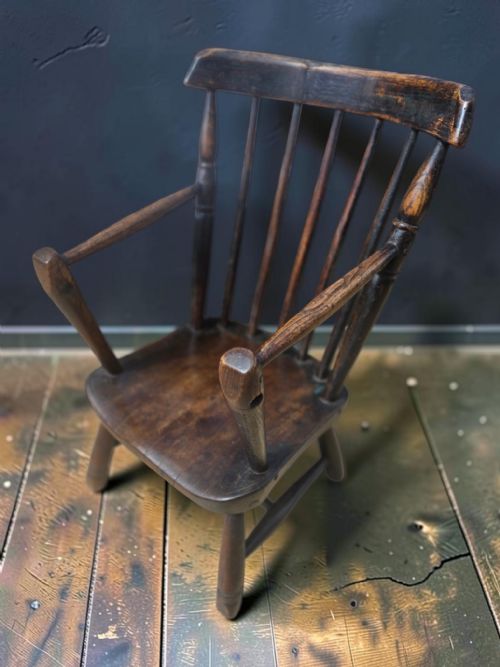
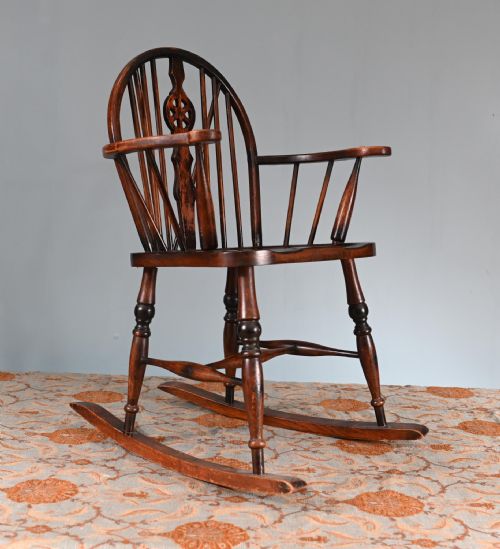
The selections available here rely heavily on vernacular and country forms rather than grand formal court furniture. Common iterations feature Windsor designs, spindle backs, and simple rush or solid wooden seats adapted for domestic use.
Makers utilised native timbers to construct robust seating that endured daily household routines. Buyers encounter regional English styles alongside pieces originating from Sweden and wider Europe.
Materials and construction methods
Joiners and country chairmakers relied on native hardwoods such as elm, ash, beech, and mahogany, often combining timbers within a single frame for structural strength. Seat planks were frequently scooped or saddled for comfort, whilst turned spindles and legs provided rigid support.
Windsor and stick-back techniques involved boring holes directly into solid wooden seats to receive steam-bent bows and uprights. High chairs and metamorphic designs incorporated functional hinges and trays, allowing versatile use for growing children.
Potty rockers allowed toddlers to multitask long before the invention of modern plastics.
Assessing quality and construction standards
The hierarchy of quality rests upon the choice of timber and the crispness of the turning. Pieces fashioned from figured yew wood or rich mahogany sit at the upper end, whereas simple utilitarian ash and elm examples serve a more rustic function.
Originality of surface finish and structural integrity dictate overall desirability. Retaining the original timber patina without excessive modern intervention preserves the historical integrity of the piece.
The Antique Wooden Nursery Chair Glossary
- Windsor chair
- A chair built with a solid wooden seat into which the legs and back spindles are separately bored and wedged. This technique creates a durable frame common in country furniture.
- Metamorphic furniture
- An object designed to transform from one form of furniture into another, such as a high chair converting into a low chair and safety table. These ingenious pieces saved space in period homes.
- Commode chair
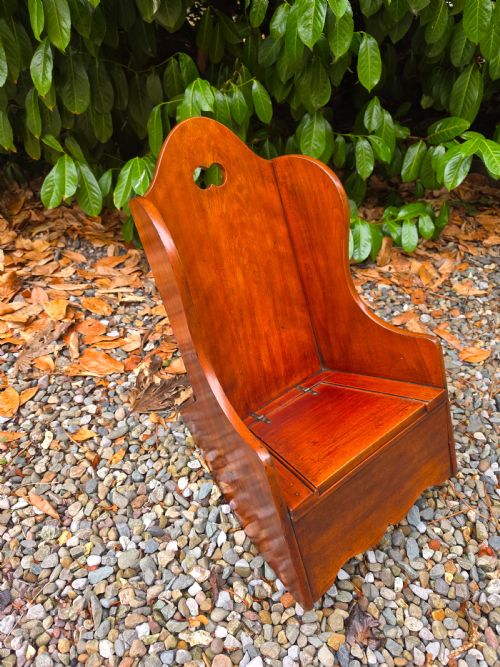
- A piece of seating housing a concealed cavity beneath the seat for a chamber pot. Victorian examples often disguised this function with a solid lid.
- Wheelback
- A Windsor chair variation featuring a pierced splat shaped like the spokes of a cart wheel. This decorative motif appears frequently on nineteenth-century seating.
- Yew wood
- A dense, highly figured softwood prized by chairmakers for its rich grain and warm tone. It was frequently selected for fine Windsor armchairs.
Antique Wooden Nursery Chair: Frequently Asked Questions
How were these chairs used originally?
These small seats served daily domestic roles in nurseries and family parlours, providing safe seating for infants during meals or quiet time. Rocking variants helped soothe restless children.
Many high chairs and commodes were engineered for practicality, assisting parents with feeding and nursery routines in the home.
Are these chairs suitable for modern children?
Most antique nursery chairs are built from sturdy hardwoods, but their primary value today lies in decorative display and historical appreciation. Modern safety standards differ significantly from those of the nineteenth century.
Collectors generally treat these pieces as ornamental items or use them to display dolls and teddy bears rather than for active infant seating.
What is a metamorphic high chair?
A metamorphic high chair is a clever multi-functional piece that separates or folds down into a low armchair and play table. This design maximised utility in compact historical spaces.
Operating the original wooden hinges and catches reveals the sophisticated mechanism used to alter the configuration.