

Antique Wooden Nest
An antique wooden nest offers graduating tables that stack together neatly when floor space matters.
Antique Wooden Nest
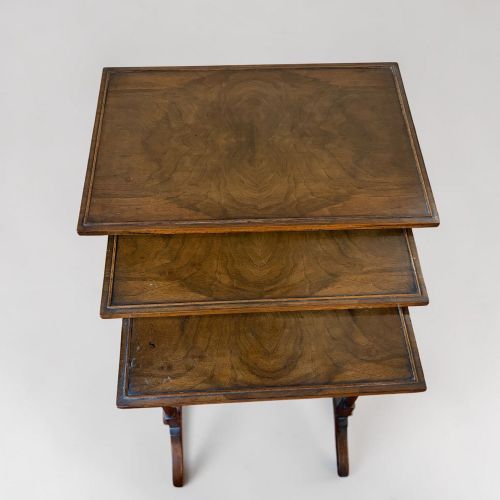
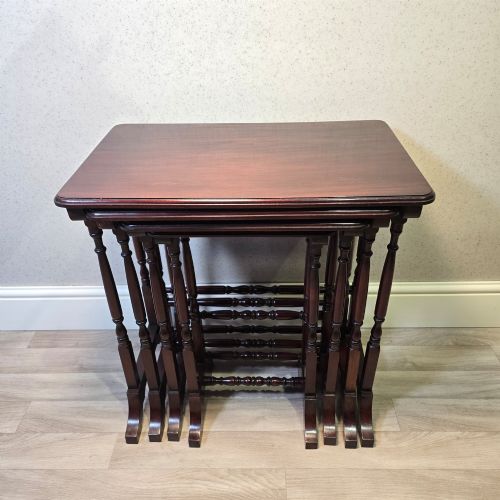
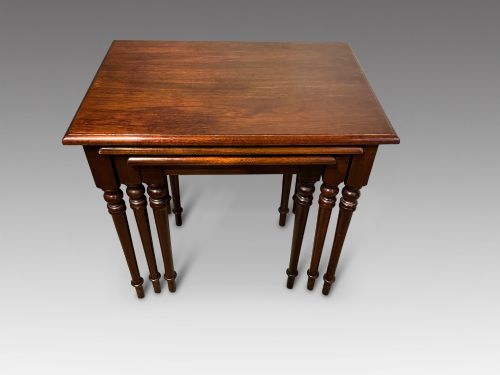
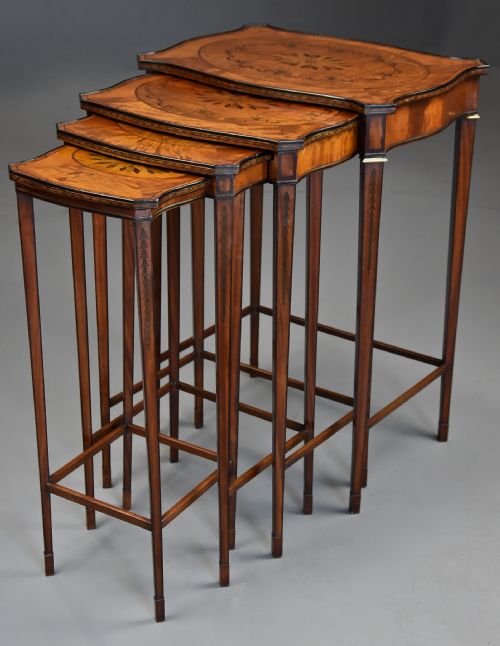
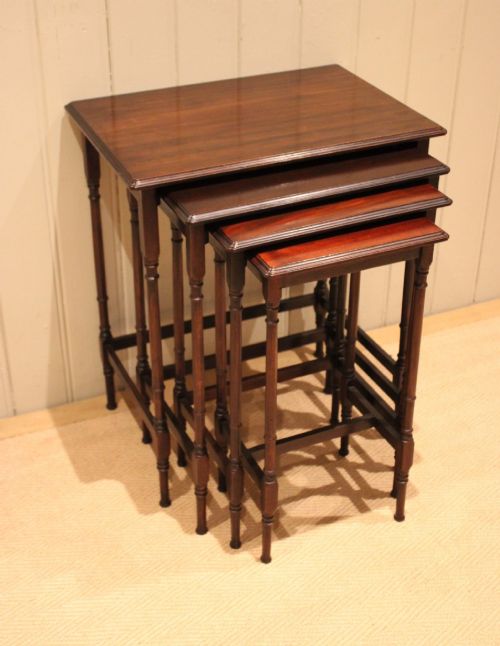
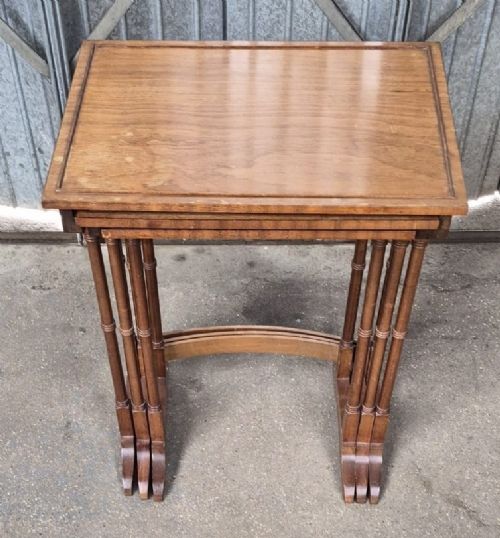
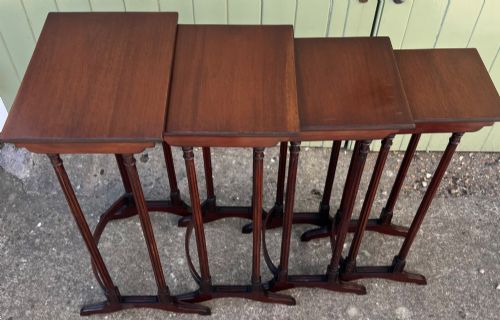
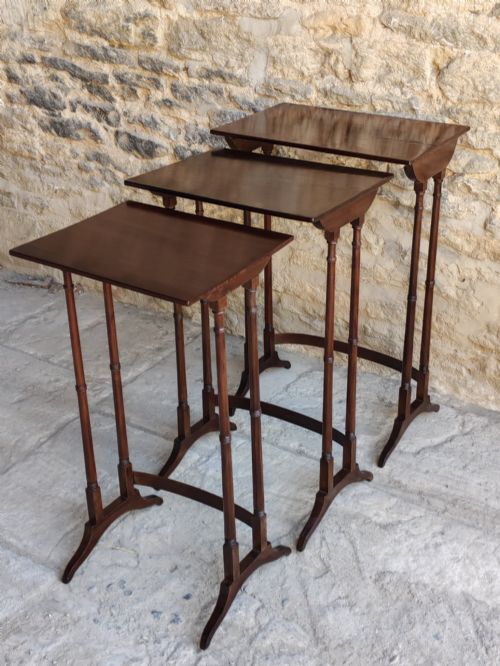
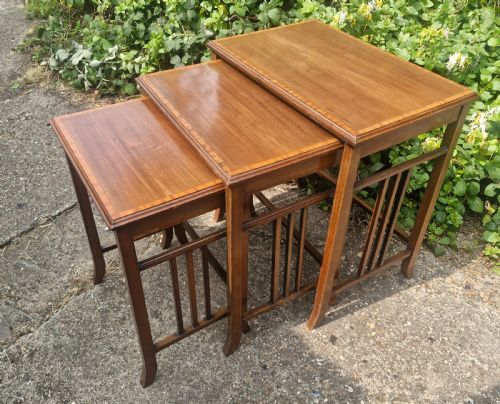
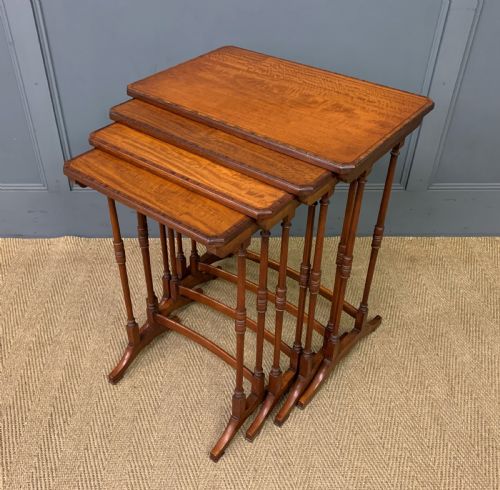
When you search for an antique wooden nest, you encounter sets of graduating tables designed to slide one beneath another into a single compact footprint. The forms span from sets of three or four tables, frequently known as quartetto tables, up to unusual circular sets of five. The pieces emerge across Victorian, Edwardian, and Regency periods, alongside later traditional examples from the 1920s and 1930s.
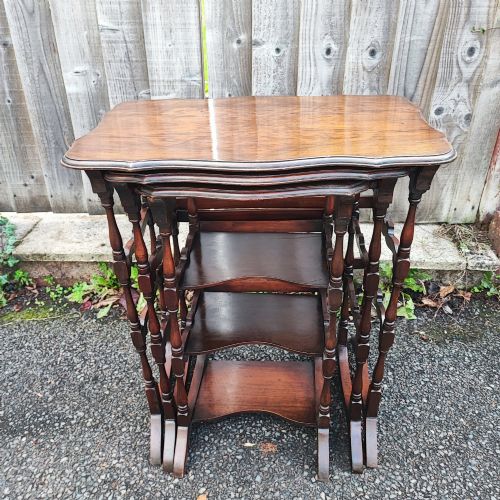
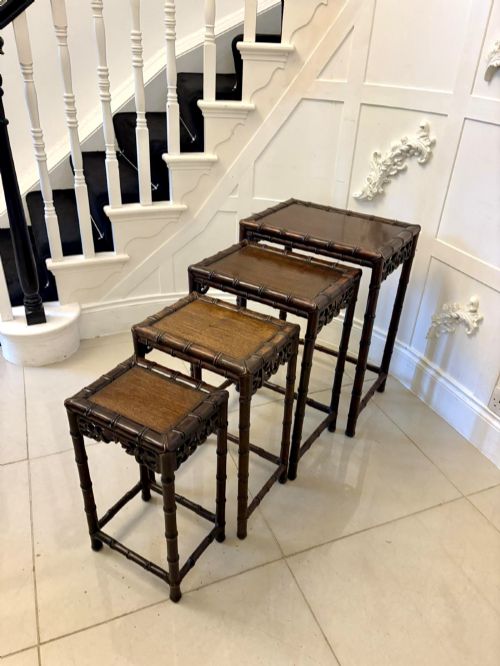
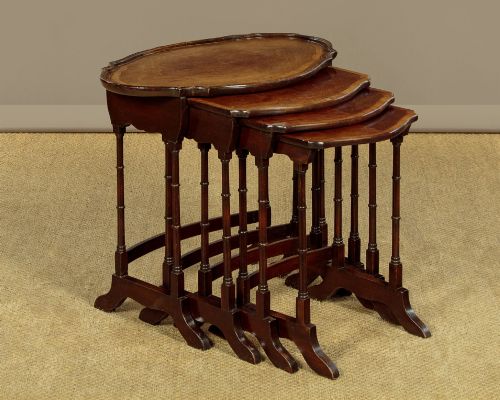
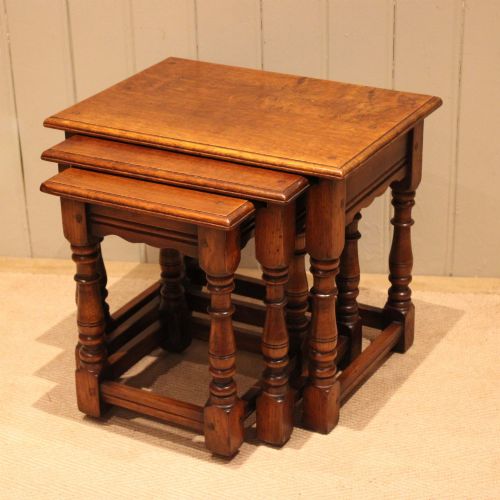
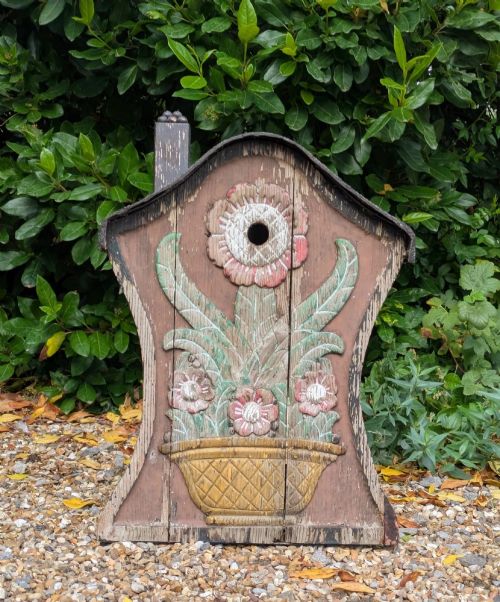
Mahogany forms the mainstay of these listings, often inlaid or featuring yew veneer tops, alongside satinwood, walnut, oak, and rosewood. While most examples take rectangular or serpentine shapes, the selection also includes freestanding oriental carved faux bamboo pieces and occasional hardwood variations. Occasional related objects like birdhouses and treen containers appear, but tables dominate the category entirely.
Materials and Construction
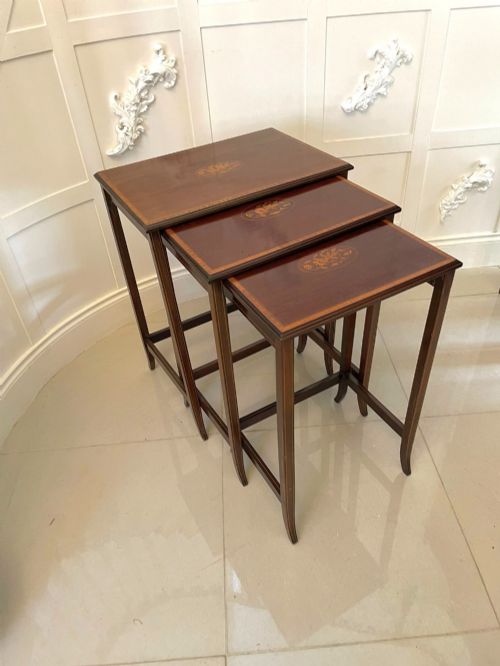
Cabinet makers built these nests using dense timbers like mahogany, walnut, and rosewood, frequently applying satinwood, boxwood, and delicate line inlay to top surfaces. Tables often incorporate shaped tops or embossed leather inserts, relying on sturdy frames that allow smaller tables to clear the aprons of the larger ones above.
Construction methods range from traditional joinery on nineteenth-century tables to early twentieth-century production techniques. Certain examples utilise specialised finishes such as oriental carving on faux bamboo or dark polish on Chinese hongmu.
Antique Wooden Nest Retail Price Guide 2026
Typical asking prices for wooden nest among the pieces listed under this phrase on Sellingantiques today, from the lower quarter to the upper quarter. They describe what is for sale here now, not the wider market.
Listings feature mahogany, satinwood, walnut, oak, and rosewood across Victorian, Edwardian, and Regency periods.
Judging Quality and Execution
Quality reveals itself in the crispness of the inlay, the selection of figured wood veneers, and the structural integrity of the joints across all tables in the set. Sets that retain matching grain patterns and smooth sliding actions demonstrate superior workshop execution.
The degree of refinement in decorative details, such as serpentine borders, fine crossbanding, or hand-carved elements, separates standard production items from exceptional cabinet work.
Heal's
The Antique Wooden Nest Glossary
- Quartetto
- A set of four matching occasional tables designed to nest together. The term appears frequently in nineteenth and early twentieth-century cataloguing.
- Inlay
- A technique where pieces of contrasting wood like satinwood or boxwood are inserted into depressions in the primary timber to form decorative patterns.
- Serpentine form
- A curved outline featuring a convex centre flanked by concave curves. This contour appears on the top surfaces of finer tables.
- Treen
- Small handmade wooden objects for domestic use. The category includes turned boxes and travelling items.
Antique Wooden Nest: Frequently Asked Questions
What is an antique wooden nest?
An antique wooden nest comprises a set of graduating tables designed to stack beneath the largest table when not in use.
Cabinet makers produced these pieces in various sizes, typically containing three or four tables that share matching styles and timbers.
How were quartetto tables used?
Quartetto tables served as versatile occasional furniture in drawing rooms and parlours during the Victorian and Edwardian eras.
Hostesses pulled the individual tables out to serve tea or hold books, then stacked them back together to save floor space.
How do I identify an Edwardian nest?
Edwardian nests often feature lighter woods like satinwood or mahogany with delicate string inlay, reflecting the Sheraton revival style popular at the turn of the twentieth century.
Makers of this period frequently produced sets of four tables with slender turned supports.
What woods were used for nesting tables?
Makers predominantly utilised mahogany, walnut, satinwood, and rosewood, occasionally incorporating boxwood for contrasting stringing and inlay details.
Some unusual examples feature oriental hardwoods, olive wood, or golden oak.