







Antique Wooden Monk
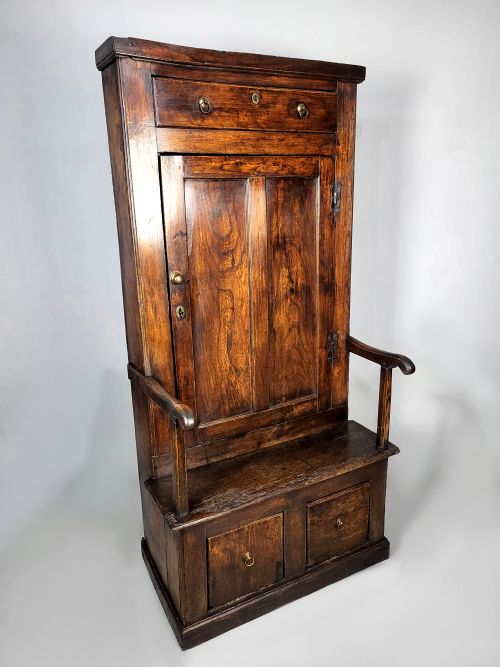
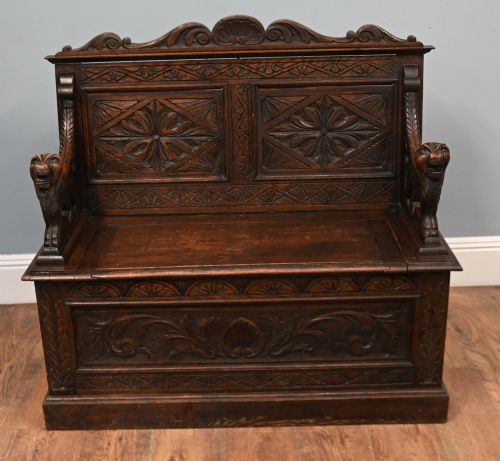
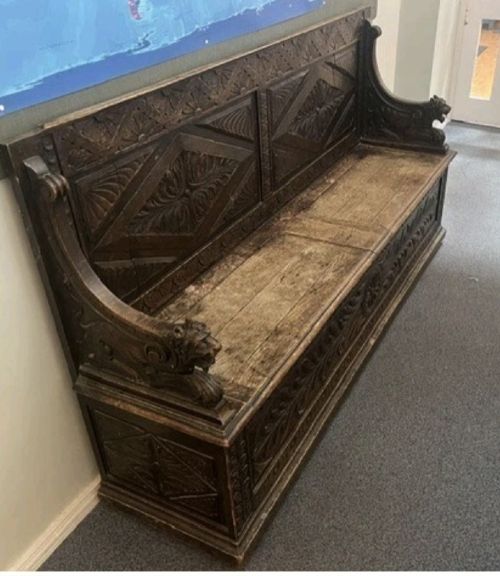
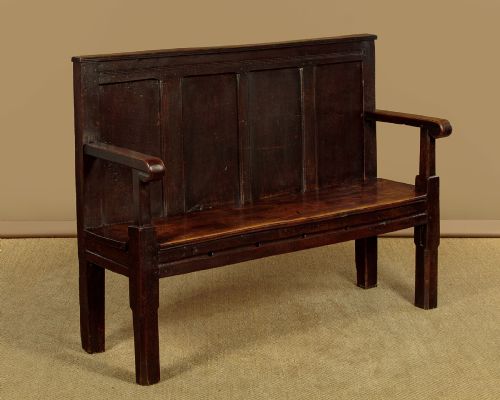
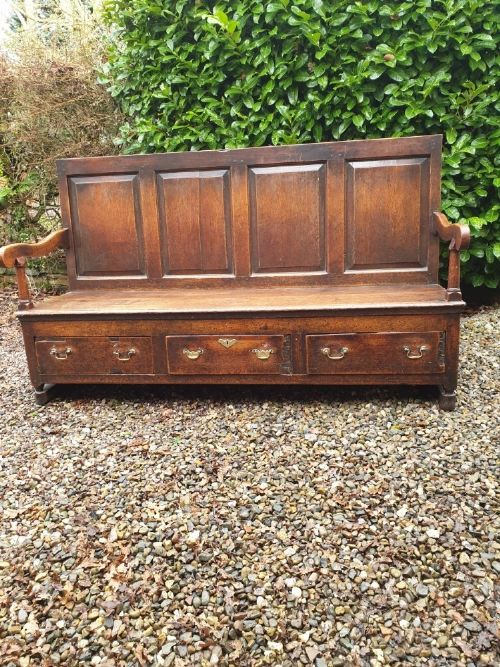
These antique wooden monk forms, primarily solid oak settles and box benches, bring rugged historical utility straight into a modern hallway.
Antique Wooden Monk
An antique wooden monk search leads buyers directly to robust seating forms, predominantly oak settles, box settles, and hall benches spanning from the seventeenth century through the Victorian period. These substantial pieces originate primarily from English country houses, farmhouses, and pubs where high backs and enclosed seats kept out cold draughts.
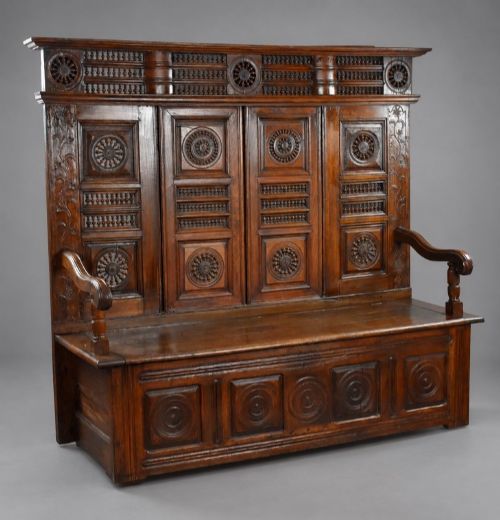
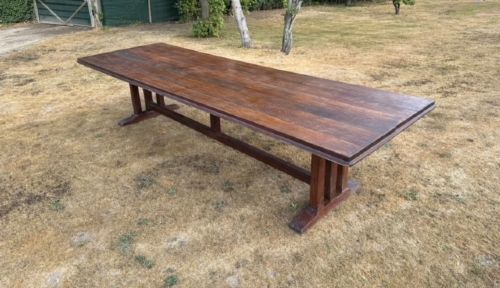
Alongside British oak examples, the selection includes continental pine benches featuring original painted surfaces from Hungary, as well as occasional refectory dining tables and armchairs. High-back box settles with lift-up seats dominate the offerings, providing both historical presence and practical hidden storage for boots and textiles.
Materials and Construction
Makers relied heavily on solid oak, ash, and pine, constructing sturdy frames joined by traditional panelled techniques that allowed the timber to expand and contract naturally over centuries. Surfaces show wax polishes, iron hardware, and traces of original black, grey, or multi-coloured paintwork.
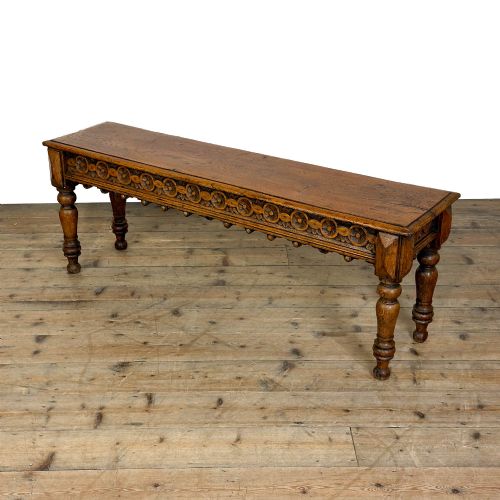
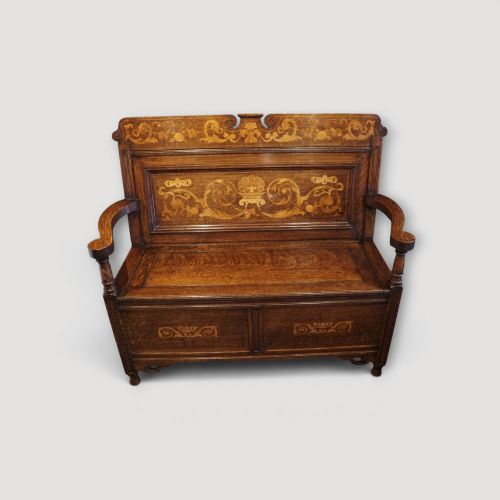
Carving, marquetry inlay, and turned elements appear across Victorian and Edwardian interpretations, while earlier pieces depend on plain board seats and pegged joints for structural integrity.
Antique Wooden Monk Retail Price Guide 2026
Typical asking prices for wooden monk among the pieces listed under this phrase on Sellingantiques today, from the lower quarter to the upper quarter. They describe what is for sale here now, not the wider market.
Listings feature oak, pine, and ash woods alongside iron and brass hardware across periods ranging from the seventeenth century to Edwardian times.
Judging Quality
The distinction between standard examples and superior pieces rests on the integrity of the timber, the depth of period carving, and whether the seat boards and panels remain entirely original. Box settles retain higher value when their lift-up lids, hinges, and internal compartments survive without heavy modern timber replacement.
Proportion and surface patination further define the hierarchy, as untouched waxed finishes or genuinely aged painted surfaces carry far more visual weight than heavily stripped or over-restored timber.
Liberty
The Antique Wooden Monk Glossary
- Settle
- A wooden bench with a high back, solid arms, and often a closed box base designed to block cold draughts in domestic interiors.
- Box Settle
- A variant featuring a hinged seat lifting to reveal storage space beneath, common in 18th-century farmhouses.
- Refectory Table
- A long, narrow dining table traditionally used in communal halls and constructed with sturdy timber legs and stretchers.
- Marquetry Inlay
- Decorative patterns formed by fitting contrasting pieces of wood veneer into a solid wooden background.
- Panelling
- Framework composed of stile and rail assemblies holding flat or raised wooden boards within an interior groove.
Antique Wooden Monk: Frequently Asked Questions
What is an antique wooden monk?
The phrase typically refers to heavy wooden settles and hall benches reminiscent of monastic or traditional country furniture.
These pieces combine high backs with bench seating and enclosed storage compartments.
How were box settles used originally?
Occupants placed them near hearths to block cold air while sitting close to the fire for warmth.
The enclosed box beneath the seat kept blankets, boots, and household goods safely stored away.
Where should I place a settle?
They suit large entryways, boot rooms, and hallways where their high panelled backs create a distinct architectural presence.
Ensure you measure both ceiling clearance and walkway depth before installation.
How do I date an oak settle?
Examine the construction methods, tool marks, joinery pegs, and the wear patterns on the seat boards.
Earlier pieces from the seventeenth and eighteenth centuries display hand-riven timber and pegged joints rather than modern screws.