


Antique Wooden High Chest
An antique wooden high chest brings robust vertical presence and deep historical utility into a room, offering generous storage through tall architectural forms.
Antique Wooden High Chest
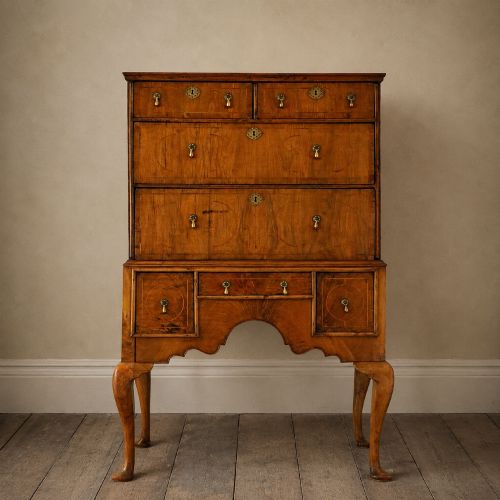
When you search for an antique wooden high chest, you encounter tall storage furniture designed to lift belongings off the floor and maximise vertical room capacity. The selection spans 18th Century, 19th Century, Victorian, Georgian, and 1930 periods, encompassing varied forms like chests on stands, tallboys, and storage cupboards. These pieces reflect diverse stylistic influences ranging from Queen Anne and George I to High Victorian, Rustic Farmhouse, and the Cotswold School.
The version you are most likely to meet on this page is a substantial timber cabinet or chest raised on legs or a stand, constructed from hardwoods such as oak and walnut. Makers built these items to serve domestic storage needs in bedrooms, halls, and principal chambers, employing regional traditions from English workshops to Italian and Flemish carving centres.
How they were made
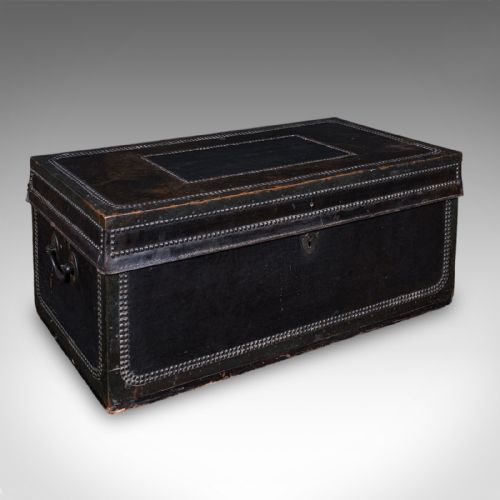
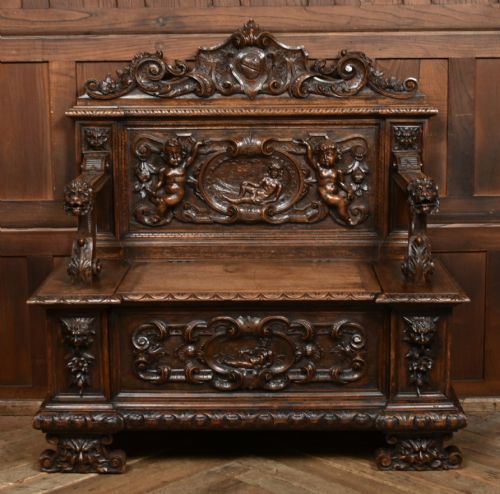
Makers constructed these chests primarily using solid timbers like oak, walnut, teak, and camphorwood, joined with traditional carpentry methods suited to heavy daily use. Surfaces often received carved ornamentation, crossbanding, or leather applications to add texture and visual depth.
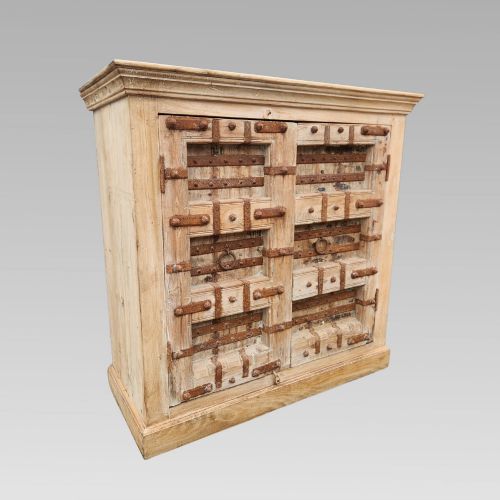
Hardware played a functional and structural role, incorporating brass handles, iron fittings, and metal accents that secured lids, drawers, and doors against heavy strain.
Camphorwood chests bring a distinct aromatic presence originally intended to deter insects from stored garments.
What varies in quality
Quality reveals itself in the selection of timber figures, such as the grain patterns in walnut and oak, and the precision of crossbanding or carved relief work. Finer examples display meticulous attention to proportion and joinery where stands and upper chests meet.
The integration of original brass or iron hardware and the retention of period surfaces distinguish superior examples from heavily altered pieces.
The Antique Wooden High Chest Glossary
- Tallboy
- A tall chest of drawers, often consisting of one chest stacked upon another or upon a lower stand. This form maximises vertical storage while maintaining a manageable footprint.
- Chest on Stand
- A cabinet or drawer section elevated on a separate frame with legs. This construction lifts the primary storage compartment higher off the floor.
- Crossbanded
- Framed with narrow strips of veneer laid transversely to the surrounding grain. This technique creates a decorative border around drawer fronts or tabletops.
- Cassapanca
- An Italian wooden bench featuring a storage chest built into the base with a backrest and armrests. It combines seating with secure compartment storage.
Antique Wooden High Chest: Frequently Asked Questions
Where were high chests placed?
These pieces traditionally stood in principal bedchambers, hallways, and living spaces where tall storage was required for linens, garments, and valuables. Their elevated designs helped protect contents from damp stone floors.
Today, they function effectively in bedrooms and dining rooms, providing substantial vertical capacity without occupying excessive floor space.
How do I care for timber surfaces?
Maintain antique wooden surfaces by keeping them away from direct heat sources and rapid humidity shifts that cause timber to split. Regular dusting with a dry, soft cloth preserves the finish.
Avoid modern silicone polishes, opting instead for traditional beeswax formulations to nourish the wood grain naturally over time.
How do I distinguish regional styles?
Regional characteristics appear in the choice of timber, carving motifs, and joinery techniques employed by local makers. English pieces often favor restrained oak or figured walnut, while continental examples display deep figurative carvings.
Cotswold School and farmhouse pieces emphasise simpler construction and honest material expression rather than elaborate court styling.