
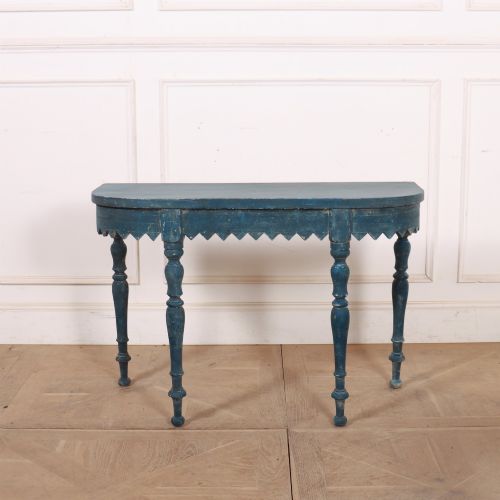


Antique Wooden Foyer Table
An antique wooden foyer table sets the tone the moment the front door opens, offering a practical surface and architectural presence in a hallway.
Antique Wooden Foyer Table
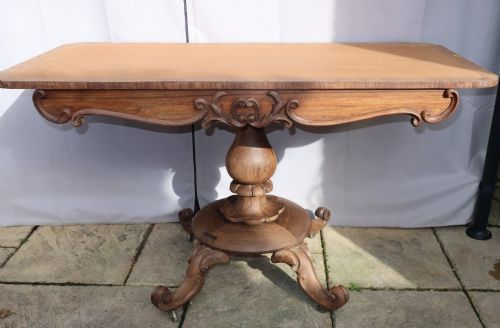
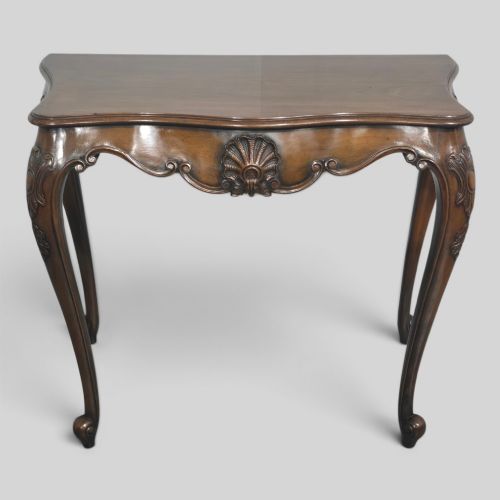
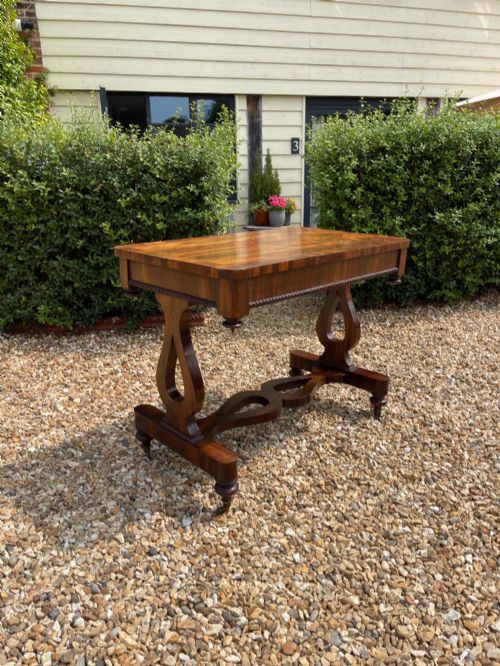
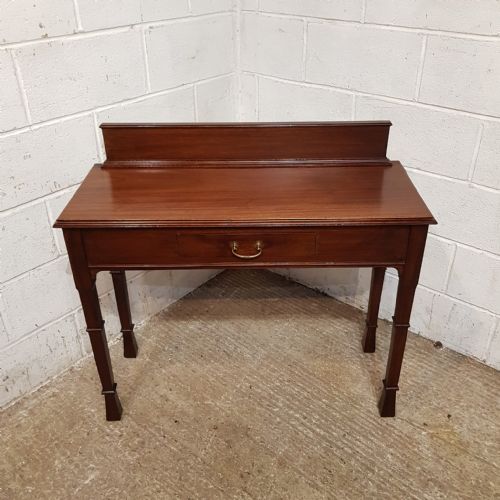
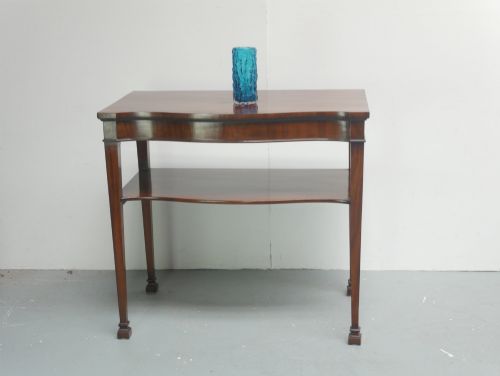
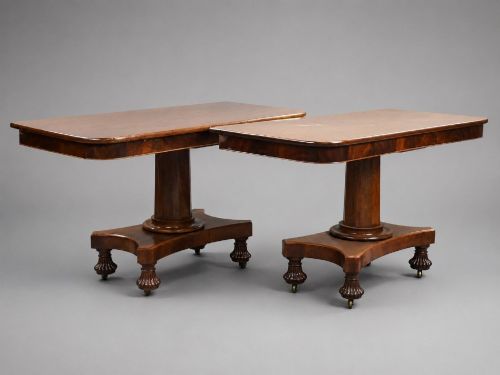
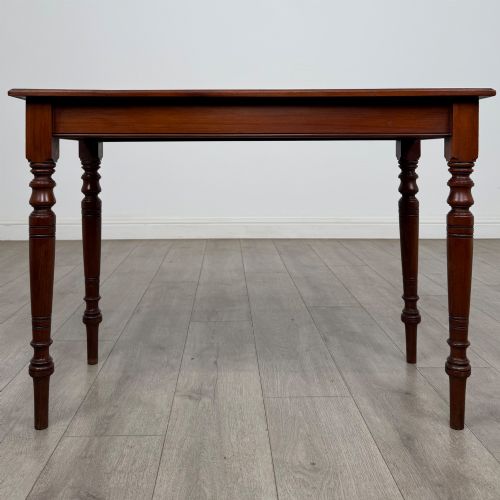
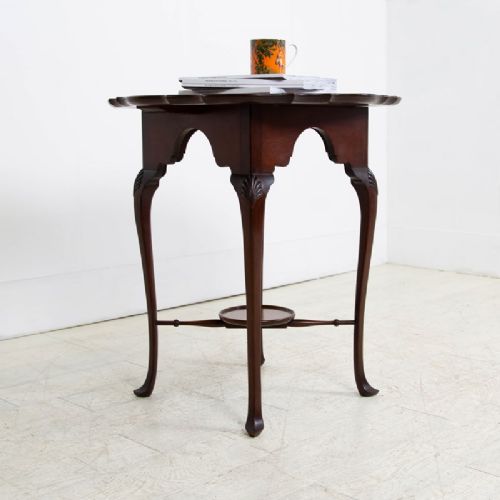
An antique wooden foyer table encompasses a variety of forms designed for entrance halls and reception spaces, including console tables, hall tables, and centre tables. These pieces span the nineteenth and early twentieth centuries, drawing on periods such as the Victorian, Edwardian, William IV, and Regency eras.
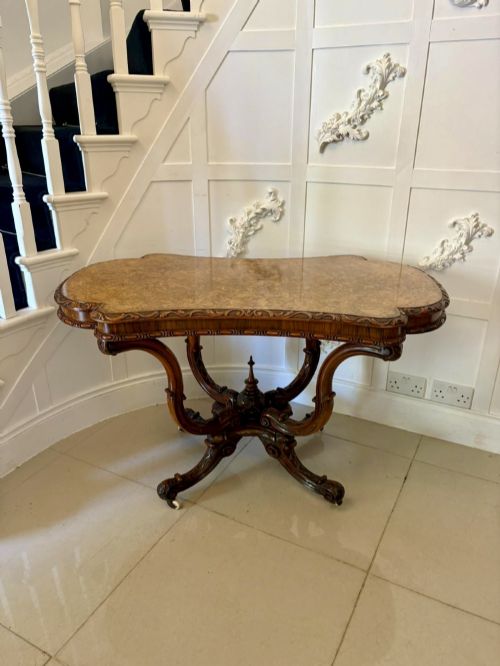
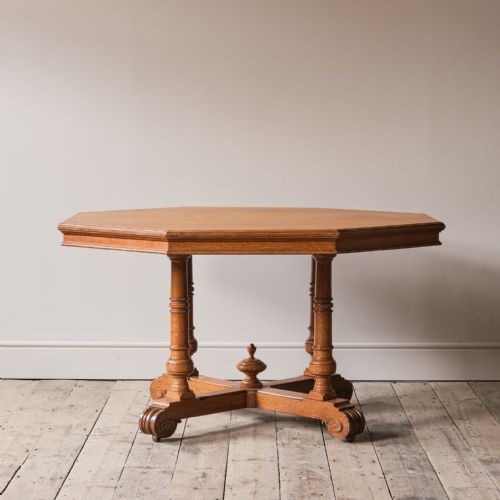
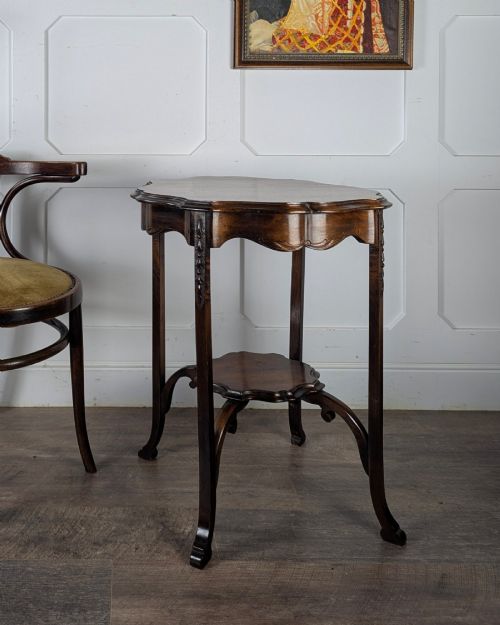
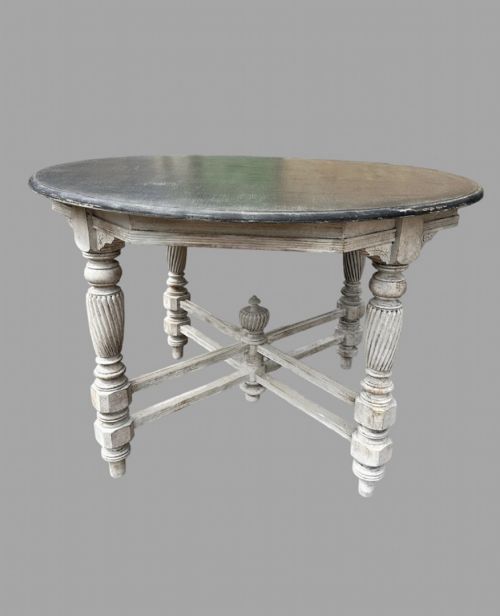
Buyers will most frequently encounter mahogany and walnut console or side tables from the Victorian period, often featuring narrow profiles suited to hallways. Centre tables in round or octagonal shapes also appear regularly, alongside occasional and painted pieces from around nineteen hundred.
Materials and construction
Cabinetmakers utilised dense hardwoods such as mahogany, walnut, and oak to build structural stability into tables meant for heavy daily use in entranceways. Finer examples display figured veneers, burr walnut grains, or flame mahogany surfaces applied to primary timbers.
Decorative details rely on traditional craftsmanship, including hand carving, parquetry work, brass mounts, and painted finishes. Marble tops and leather inset surfaces also feature on specific centre and console variants.
Octagonal tables offer a polite escape from bumping into sharp corners when rushing through the hallway with shopping bags.
What distinguishes finer examples
Quality rests primarily in the selection of timber figures, such as symmetrical burr walnut or rich flame mahogany, paired with crispness in the hand-carved details. Superior tables display thoughtful proportions, particularly in the slender depth required for narrow hallway placement.
The integrity of secondary timbers, original hardware, and untouched patination elevate a piece beyond standard utilitarian furniture. Construction methods, such as precise joinery in table frames and stability in pedestal bases, mark the distinction between workshops.
Shapland and Petter·James Winter·Hicks of Dublin
The Antique Wooden Foyer Table Glossary
- Console table
- A table designed to stand against a wall, frequently secured to it or supported by front legs. These long, narrow surfaces suit entrance halls and narrow corridors.
- Centre table
- A freestanding table intended to sit in the middle of a room rather than against a wall. Octagonal and round forms in this inventory serve this purpose.
- Burr walnut
- Timber taken from a tree growth where the grain has grown in a deformed, swirling manner. Cabinetmakers slice this wood into highly decorative veneers.
- Parquetry
- Geometric wood mosaic work used for decorative tabletops. This technique creates patterned surfaces using contrasting timber tones.
- Serpentine
- A curved line that is convex in the middle and concave at the sides. This contour appears frequently on the front edges of sophisticated console tables.
Antique Wooden Foyer Table: Frequently Asked Questions
Where should I place a console table?
Console tables sit flat against a hallway or foyer wall where floor space is limited. Their narrow depth allows them to provide a surface for keys and lighting without obstructing foot traffic.
Parks of these pieces work well beneath mirrors or paintings, anchoring the entrance space and setting a decorative tone for the rest of the home.
Can a centre table work in a hallway?
Centre tables require open floor space so people can walk around all four sides. They suit larger entrance halls, vestibules, or landings rather than narrow corridors.
In a generous foyer, a round or octagonal centre table creates a focal point, often holding a floral arrangement or decorative bowl.
How do I care for a mahogany table?
Wood surfaces require simple dusting with a dry, soft cloth to prevent grit accumulation. Direct sunlight and sudden temperature changes should be avoided to protect the polish and timber.
Applying a traditional beeswax polish occasionally helps nourish the wood and maintain the natural lustre of older finishes.
How do I tell Victorian from Edwardian tables?
Victorian tables tend to use heavier timbers with deep carved ornamentation and darker finishes. Walnut and mahogany dominate this period, often featuring robust proportions and rich patination.
Edwardian pieces generally present a lighter appearance, sometimes utilising satinwood, painted decoration, or revival styles that reflect eighteenth-century elegance.