
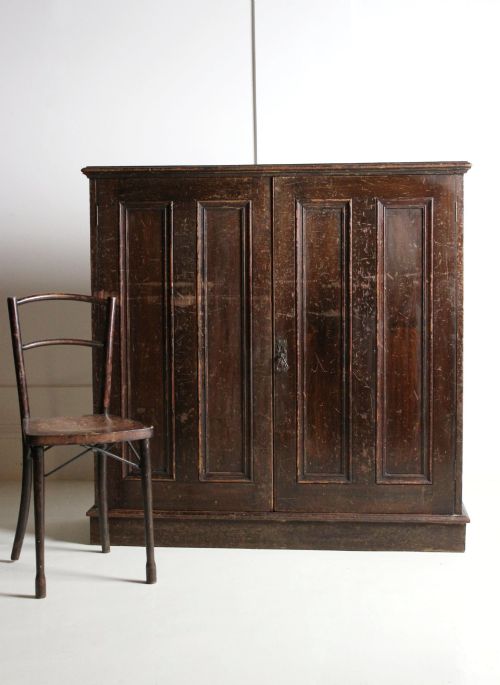
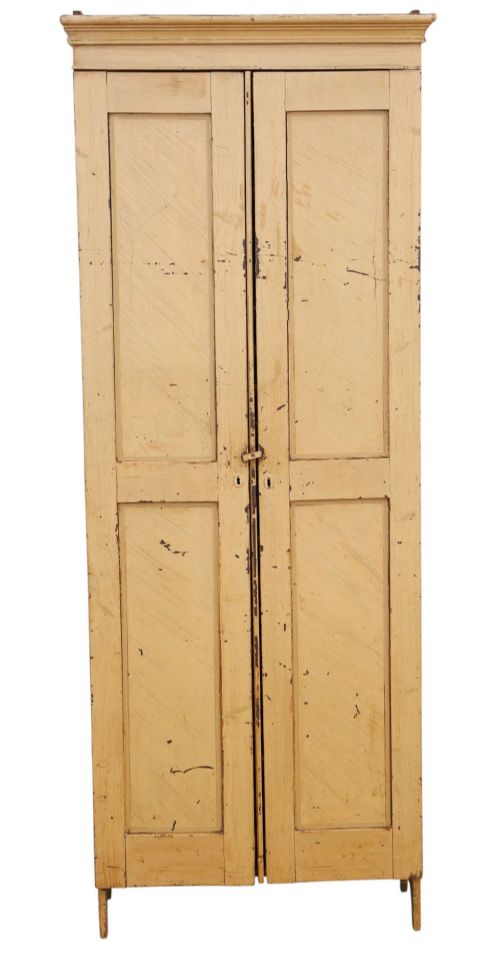
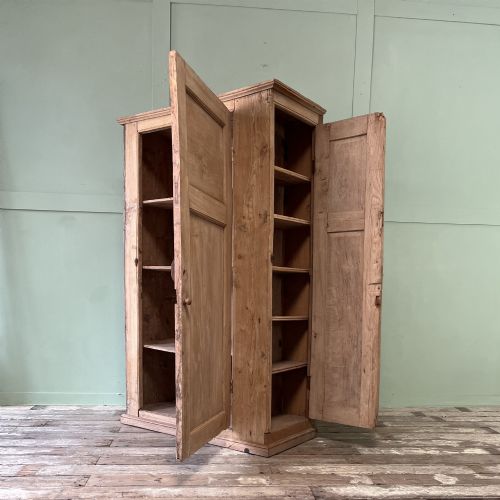
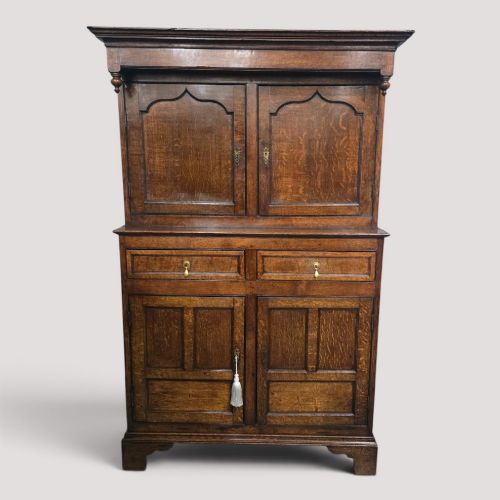
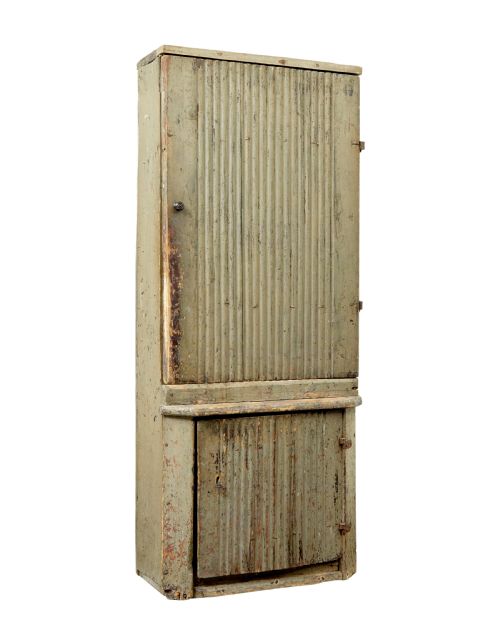


Antique Wooden Food Cupboard
An antique wooden food cupboard brings practical vernacular storage and honest regional character straight into a modern kitchen or pantry.
Antique Wooden Food Cupboard
An antique wooden food cupboard serves as a functional piece of domestic storage originating from various regional traditions across the centuries. When exploring this selection, buyers frequently encounter pine, oak, and walnut examples ranging from country workshops to more formal settings.
The assortment spans diverse forms including tall housekeeper's larders, wall-hanging cabinets, court cupboards, and specialised regional pieces like French confituriers and bread safes. Most examples date from the seventeenth, eighteenth, and nineteenth centuries, reflecting the domestic needs of their respective eras.
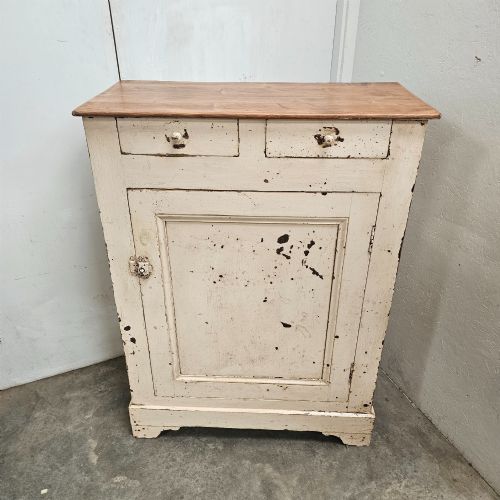
Regional vernacular styles dominate these pieces, showing distinct characteristics from Welsh, French, Spanish, Scandinavian, and English makers. Buyers can select from unpainted timber finishes displaying natural grain or surface treatments involving traditional paint and ragwork.
Materials and construction
Makers relied primarily on solid timbers such as oak, pine, elm, walnut, and chestnut, selected for local availability and durability. Joinery methods varied from early joined frameworks to later panelled construction designed to withstand daily domestic use.
Metal components like iron, wrought iron, and brass provided structural reinforcement through strap hinges, latches, and blacksmith-made locks. Surface finishes ranged from plain waxed timber to hand-applied paint, cream finishes, and decorative ragwork.
Several pieces preserve original blacksmith-made locks and hinges that have secured kitchen provisions for over two centuries.
Judging quality and character
Quality in these vernacular pieces rests upon the integrity of the timber, the retention of original surface finishes, and the presence of authentic period hardware such as blacksmith-made locks and hinges. Pieces retaining their early paintwork or untouched timber patination command greater interest.
Construction methods also distinguish finer examples, where traditional joinery remains tight and well-proportioned despite centuries of use. The harmony of regional proportions and the absence of inappropriate modern alterations determine the overall success of the piece.
The Antique Wooden Food Cupboard Glossary
- Court cupboard
- A traditional English or Welsh enclosed storage piece, often featuring a recessed upper section supported on pillars. These sturdy items typically date from the seventeenth and eighteenth centuries.
- Confiturier
- A small French storage cupboard originally designed to hold jars of preserved fruit or confit. They are frequently found in provincial painted pine or fruitwoods.
- Panetière
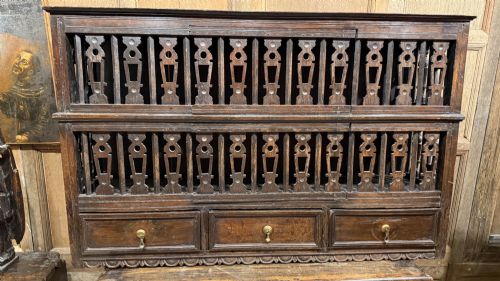
- A traditional French or Breton bread safe featuring ventilated turned spindles or pierced panels to keep loaves fresh. They were designed to protect daily provisions from household pests.
- Ragwork paint
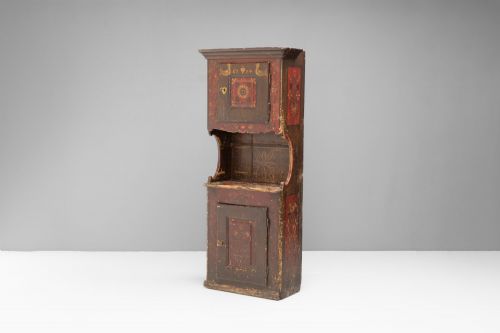
- A decorative surface finish applied by manipulating paint with rags to create a textured, mottled pattern. This technique appears on nineteenth-century Scandinavian country furniture.
- Housekeeper's cupboard
- A large storage piece traditionally used in substantial homes for linens, dry goods, and kitchen provisions. They often combine tall cupboard doors with lower drawer configurations.
Antique Wooden Food Cupboard: Frequently Asked Questions
How were these cupboards used historically?
These cupboards stored perishable food provisions, bread, and household linens before modern refrigeration and fitted kitchens existed. Ventilation holes or pierced panels were often incorporated to keep provisions cool and fresh.
Larger versions served as central storage hubs in farmhouses and country homes, holding daily essentials and dry goods securely away from pests and damp.
How do I fit an antique food cupboard into a modern kitchen?
An antique wooden food cupboard functions well as a pantry or larder for dried goods, tableware, and cookware in a contemporary home. Their narrow proportions often allow them to fit into alcoves or tight spaces where modern fitted units might prove too bulky.
Placing the piece away from direct heat sources and damp walls helps protect the historic timber and original painted surfaces. Regular waxing maintains the finish without harming the historic patination.
How can I tell an 18th-century cupboard from a 19th-century one?
Earlier pieces from the seventeenth and eighteenth centuries generally rely on heavy joined construction, pegged joints, and robust iron or wrought iron hardware. Oak and elm are common in these earlier vernacular pieces.
Nineteenth-century examples frequently utilise softer pine timber, machine-sawn elements alongside hand-finishing, and decorative painted surfaces like ragwork or cream finishes. The construction methods and fastener types reveal the technological shifts in woodworking over time.
What is the difference between regional styles like Scandinavian and French?
Scandinavian country cupboards often feature bright hand-painted finishes, distinctive ragwork, and carved pine details reflecting local folk art traditions. They tend to have clean, functional lines designed for rural homes.
French provincial pieces, such as confituriers and mountain cupboards, typically showcase softer fruitwoods, chestnut, or subtle painted panels with carved mouldings. These details reflect the distinct aesthetic preferences of different European rural communities.