


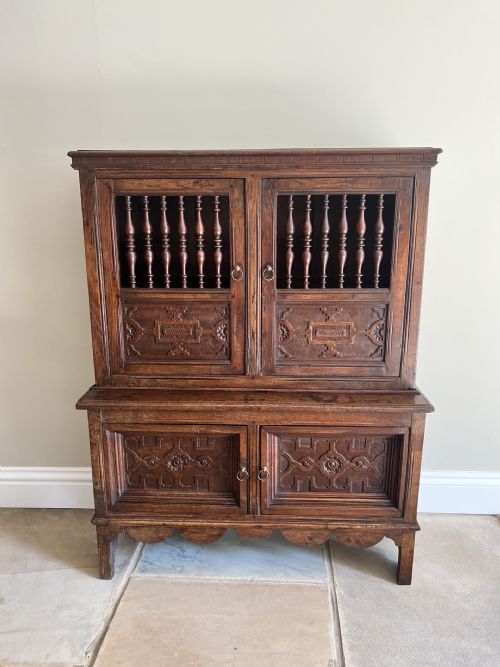


Traditional Oak Livery Cupboard
A traditional oak livery cupboard offers robust storage with centuries of vernacular character, bringing genuine historic presence to any room.
Traditional Oak Livery Cupboard
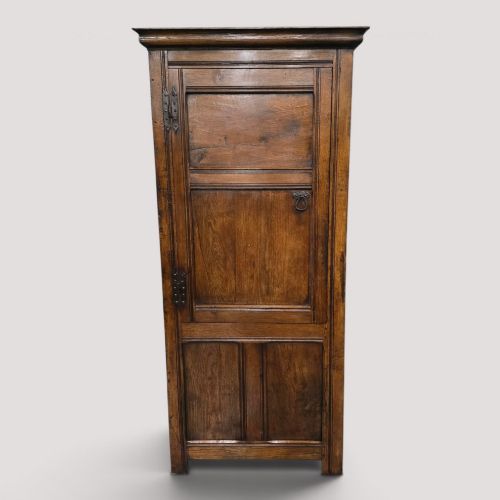
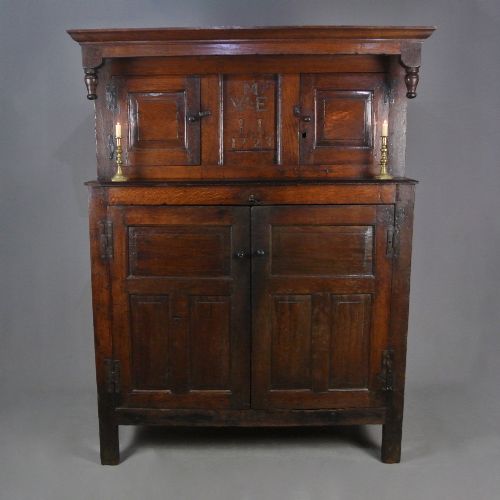
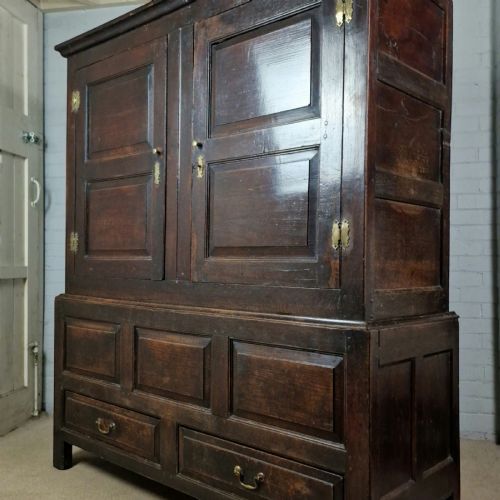
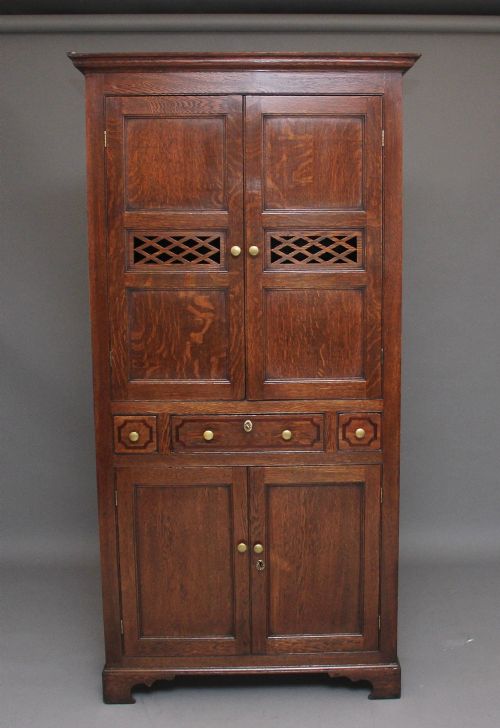
A traditional oak livery cupboard is a heavy storage piece originating from centuries past, designed originally to store food, clothing, or household provisions. Buyers searching this phrase encounter substantial timber furniture spanning from the seventeenth century through the Georgian era and into the nineteenth century.
The pieces appearing on this page include regional British variations such as Welsh country cupboards, court cupboards, and food cupboards alongside standard press cupboards. These forms typically display utilitarian proportions combined with decorative panels, carved details, or iron and brass hardware.
Georgian and eighteenth-century examples dominate the selection, showing the sturdy construction and rich grain patterns characteristic of English country oak. Each item reflects the domestic needs of its period, serving as both a functional storage cabinet and a focal point of historic craftsmanship.
How they were made
These cupboards rely on solid oak timbers, chosen for durability and strength, constructed using traditional joinery techniques appropriate to their period. Panels are typically framed and panelled to allow the wood to move naturally with changes in humidity without splitting.
Hardware such as brass hinges and iron latches secure the doors, reflecting the functional requirements of heavy daily use. Surface finishes develop through decades of polishing and handling, leaving a deep patina across the bare grain.
Traditional Oak Livery Cupboard Retail Price Guide 2026
Typical asking prices for traditional oak livery cupboard among the pieces listed under this phrase on Sellingantiques today, from the lower quarter to the upper quarter. They describe what is for sale here now, not the wider market.
The listings span from the seventeenth century through the Georgian period to the nineteenth century, utilising solid oak complemented by brass and iron.
What varies in quality
Quality in these cupboards rests primarily in the integrity of the original timber and the crispness of any carved detailing found on the friezes and door panels. Pieces retaining their original brass or iron hardware and uncompromised internal shelving command greater appreciation among collectors.
The balance of regional proportions also dictates standard, with well-proportioned Welsh and English country pieces showing harmonious relationships between upper and lower tiers. Later alterations or replaced timber sections shift a piece away from its original state, altering its standing.
The Traditional Oak Livery Cupboard Glossary
- Court cupboard
- An antique enclosed storage piece, typically featuring two tiers with recessed upper doors, used traditionally for displaying plate or storing provisions.
- Livery cupboard
- A traditional British cabinet designed for storing food or clothing, often ventilated with turned spindles or pierced panels.
- Press cupboard
- A large storage furniture item containing shelves or hanging space behind heavy doors, frequently combining a cupboard section with lower drawers.
- Cwpwrdd Deuddarn
- A traditional Welsh two-section oak cupboard featuring enclosed upper and lower compartments, characteristic of regional rural craftsmanship.
- Patina
- The surface sheen and mellow colour developed on aged oak through decades of handling, exposure to light, and polishing.
Traditional Oak Livery Cupboard: Frequently Asked Questions
What is a traditional oak livery cupboard used for?
These cupboards provide substantial storage space for modern living, functioning well as linen cabinets, dining room storage, or statement wardrobes.
Their deep shelves and sturdy compartments accommodate heavy tableware, blankets, or everyday items while adding historic architectural weight to an interior.
How do I date a traditional oak livery cupboard?
Dating relies on examining the construction methods, such as peg joinery, hand-planed timber surfaces, and the style of any carved ornamentation.
Seventeenth-century pieces often display heavier geometric mouldings, while Georgian examples show more refined proportions and simpler panel configurations.
Where were these oak cupboards originally made?
The pieces originate from various regions across England and Wales, with distinct local styles emerging from rural workshops and country cabinetmakers.
Welsh examples often bear specific regional names like the Cwpwrdd Deuddarn, reflecting local domestic traditions and available native timber.
How do I care for antique oak furniture?
Maintain the wood by keeping it away from direct heat sources and sudden temperature fluctuations that can cause the solid oak to split.
Apply a traditional beeswax polish occasionally to nourish the surface and preserve the natural depth of the historic finish.