

Antique Wooden Entry Seats
These antique wooden entry seats bring immediate character to a hallway, offering practical seating paired with centuries of craftsmanship.
Antique Wooden Entry Seats
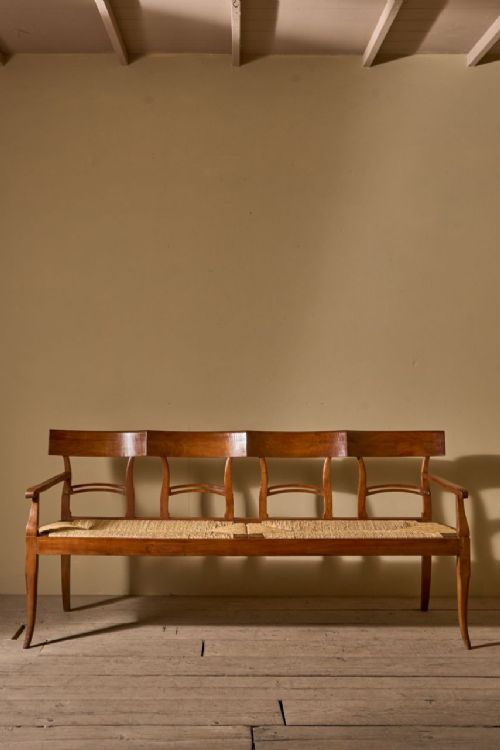
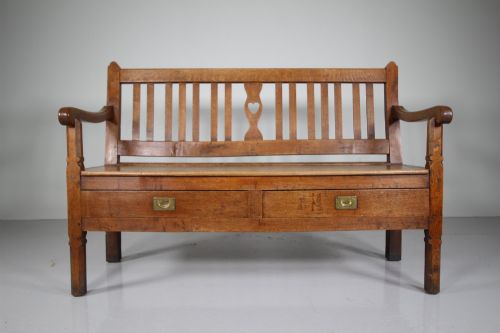
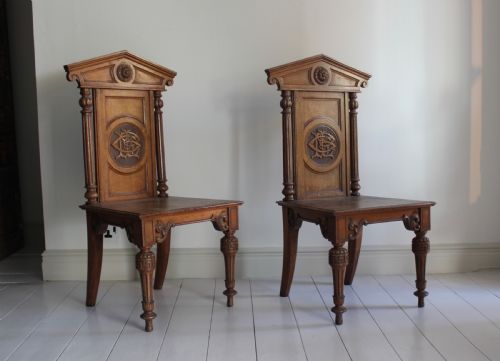
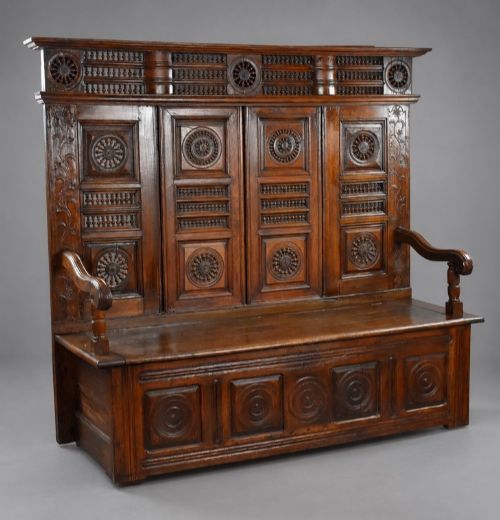
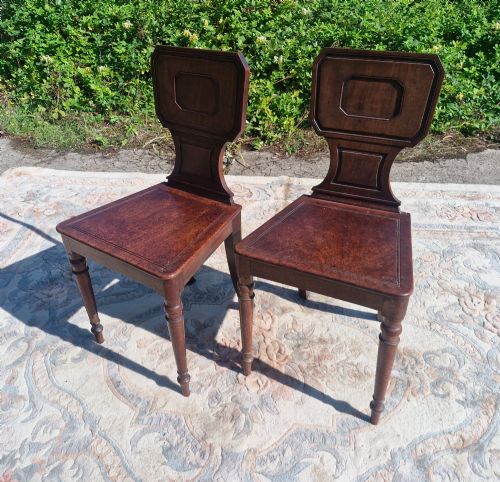
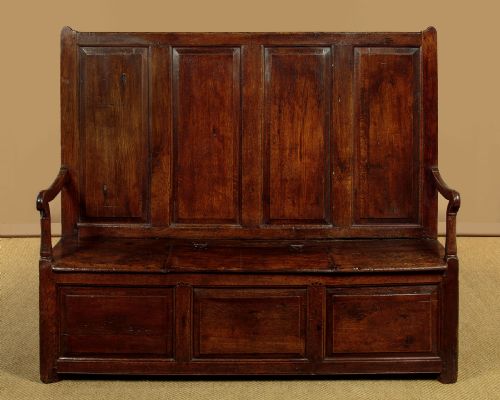
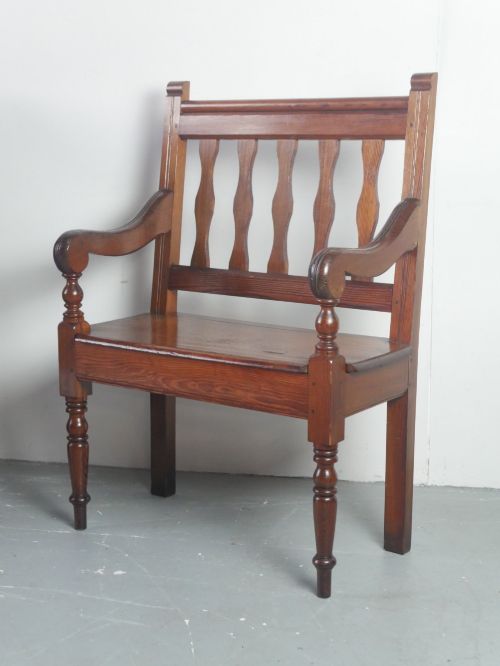
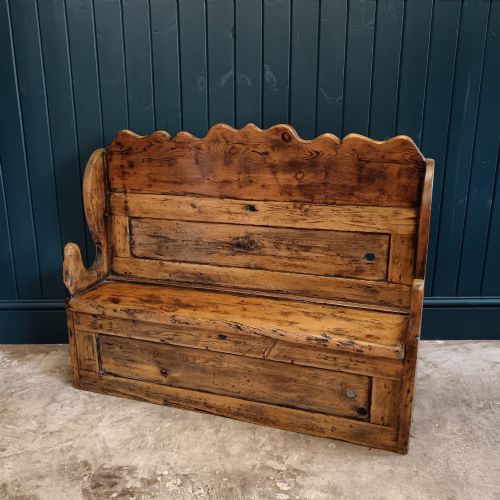
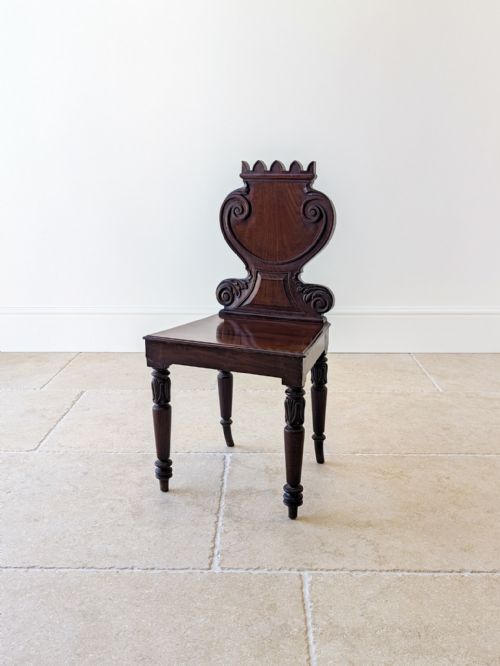
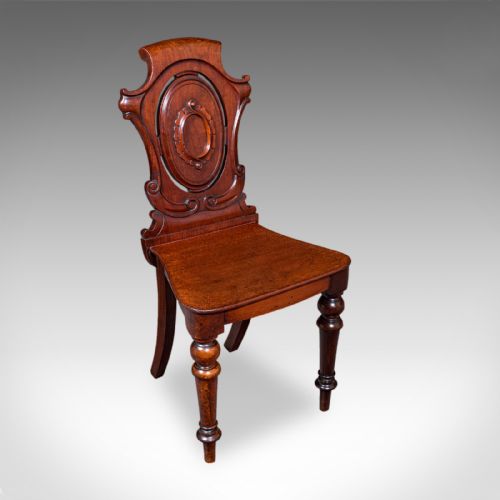
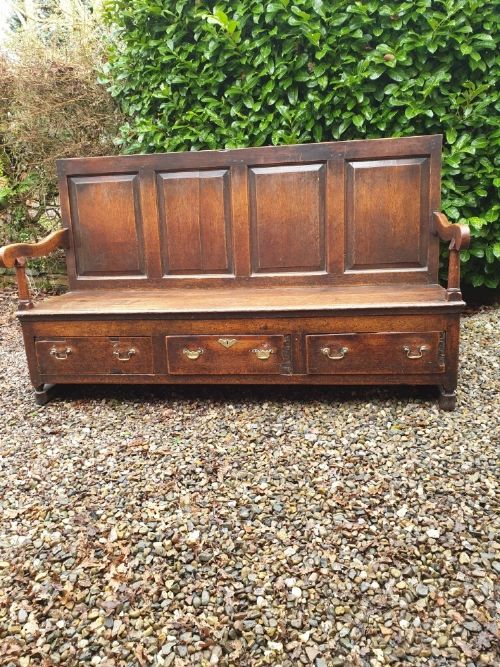
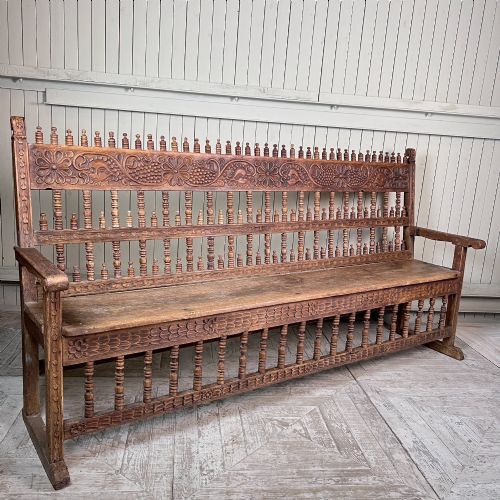
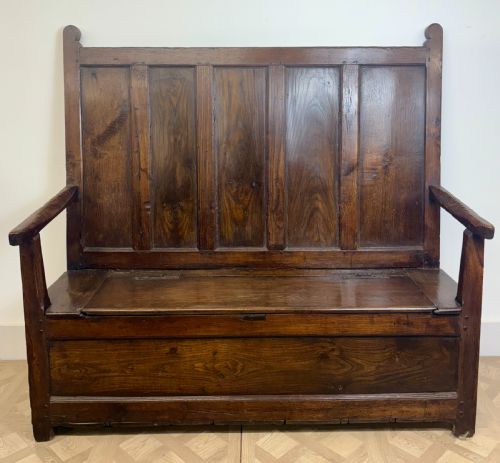
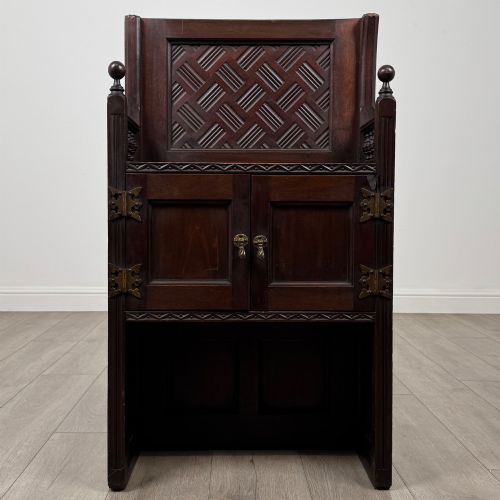
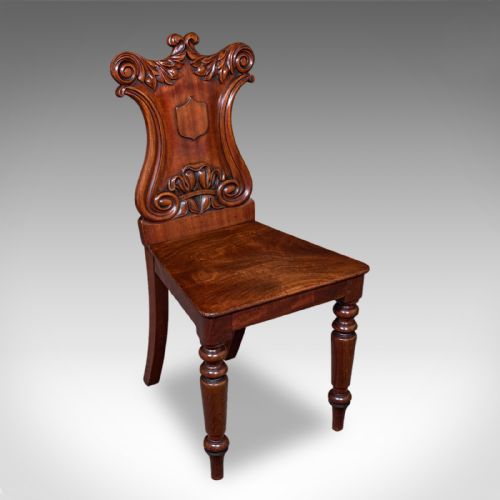
When searching for antique wooden entry seats, collectors encounter a diverse group of practical furniture designed specifically for hallways, vestibules and reception areas. The selection spans robust oak box settles, elegant mahogany hall chairs, slim pine benches and church pews originating from various regional traditions.
The pieces listed on this page lean heavily toward nineteenth-century examples alongside eighteenth-century country house furniture. Buyers frequently find utilitarian settles with integrated storage alongside formal pairs of carved mahogany side chairs intended for waiting guests.
Origins vary widely across these listings, encompassing English country workshops, Welsh farmhouses, Scottish estates, Hungarian domestic spaces and Spanish colonial outposts. Each regional variation brings distinct timber choices and vernacular building traditions to the hallway.
How they were made
Constructed predominantly from solid timbers like oak, mahogany, pine and ash, these items rely on traditional joinery methods suited to heavy daily use in high-traffic areas. Cabinetmakers utilised sturdy panelled construction for box settles and robust mortise and tenon joints for seating frames.
Surface treatments vary from polished finishes and natural wax to painted decoration in grey, cream, green and blue. Carving appears frequently on backs and panels, executed in styles ranging from geometric Jacobean revival motifs to crisp Gothic tracery and simple country folk art.
Stylistic influences represented across the listings include Regency, Victorian, Gothic Revival, Jacobean Revival and Arts and Crafts movements.
What varies in quality
The distinction between standard utility furniture and superior examples lies in the selection of figured timber and the crispness of the hand carving. Pieces attributed to notable workshops or specific regional movements display greater refinement in proportions and structural harmony.
Originality of surface and hardware dictates much of the standing within this category. Retained original paint, untouched patination on unpolished oak, and genuine period fixings elevate an everyday hallway seat into a significant collector piece.
The Antique Wooden Entry Seats Glossary
- Settle
- A wooden bench with high back, solid arms and often a box compartment beneath the seat for storage. This form kept draughts away from inhabitants in older houses.
- Hall Chair
- A rigid wooden side seat, usually without upholstery, designed for formal reception rooms or hallways. They frequently display carved family crests or armorial shields.
- Box Settle
- A traditional seat featuring a hinged lid that opens to reveal a large storage chest beneath. They served as dual-purpose furniture in vernacular domestic spaces.
- Sgabello
- An early Renaissance-style chair type featuring a wooden seat supported by carved board ends or trestles rather than conventional legs. These appear in revival forms during later centuries.
- Window Seat
- A long, narrow form of bench designed to fit within the recess of a window. Regency and Georgian examples often incorporate elegant curved ends and finely turned legs.
Antique Wooden Entry Seats: Frequently Asked Questions
Where were entry seats placed historically?
These pieces traditionally stood in entrance halls, corridors and vestibules of large houses and country cottages alike. They provided a convenient place for visitors to wait or remove outerwear.
In larger estates, formal hall chairs were arranged in pairs or sets along walls to impress arriving guests with the family's lineage or status. Box settles stood closer to hearths or entry points in vernacular homes to block cold draughts.
How do I care for antique wooden seating?
Maintenance requires keeping wooden furniture away from direct heat sources and dramatic humidity fluctuations to prevent timber splitting. Regular gentle dusting and occasional waxing preserve the finish.
Avoid using modern liquid polishes containing silicone, which can penetrate porous antique wood surfaces and degrade historic finishes over time. Natural beeswax applied sparingly maintains a healthy lustre.
Did these seats include storage?
Many traditional hallway forms, particularly box settles and pew-like benches, incorporate concealed compartments beneath the hinged seat boards. These spaces stored heavy blankets, boots and household items.
Formal hall chairs and standard benches generally lack storage, functioning strictly as upright seating designed for temporary use rather than utility storage.
How do I distinguish regional styles?
Regional characteristics reveal themselves through timber selection and vernacular decorative motifs native to particular areas. Welsh and country English pieces often utilise local oak and ash with simple folk carvings, while Scottish examples frequently display distinct regional walnut or mahogany detailing.
Continental pieces, such as Hungarian painted settles, utilise native pine embellished with traditional folk paint finishes that differ sharply from standard British cabinetmaking.