



Pair of Victorian Benches
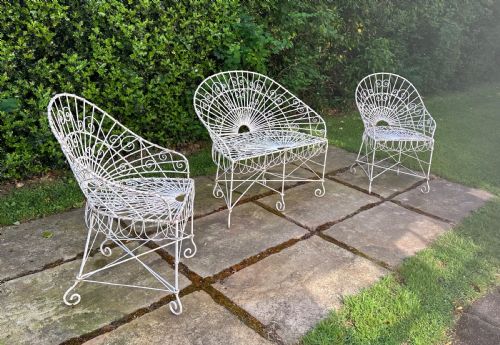
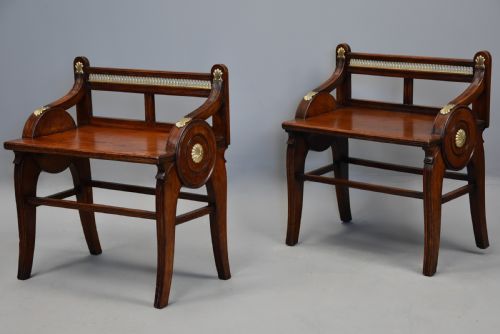
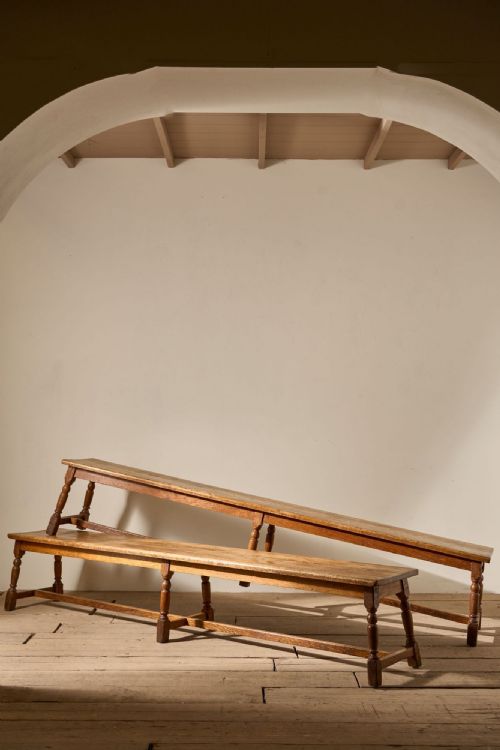
A pair of victorian benches brings matching seating with distinct nineteenth-century character to an interior or garden.
Pair of Victorian Benches
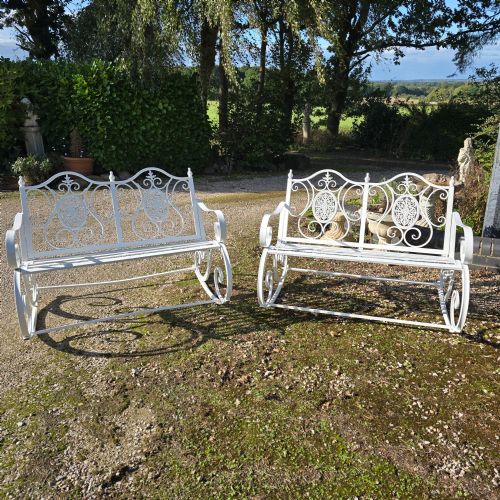
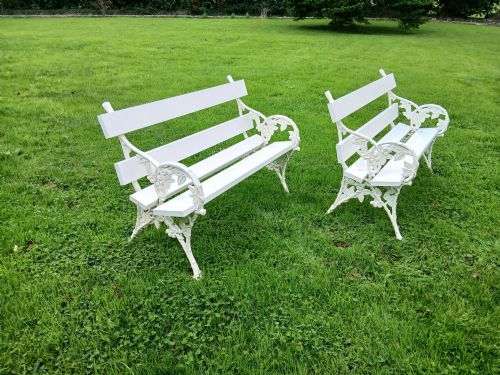
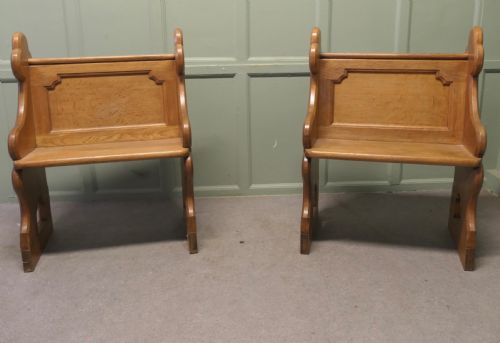
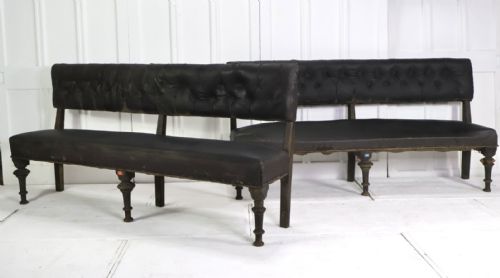
A pair of victorian benches encompasses substantial oak, pine and elm hall seating alongside heavy cast iron garden furniture originating from the nineteenth century. Buyers searching this phrase encounter everything from rustic school benches and country house forms to decorative window seats and gothic revival chapel pieces.
The domestic hall benches and window seats present formal carved woodwork, while the outdoor varieties combine metal frames with timber slats. These seating pairs often emerge from Irish country houses, English country properties and institutional settings.
Makers such as Falkirk Carron Foundry and James Shoolbred shaped the market for these dual seats through documented foundry designs and cabinet work. Surviving examples reflect both the utility of school rooms and the ornate tastes of Victorian domestic interiors.
Materials and construction
Carpenters utilised dense domestic hardwoods like oak, walnut and mahogany alongside practical softwoods including pine for domestic hall and window seating. Iron foundries cast decorative patterns into metal ends for garden benches, pairing the heavy frameworks with timber slats.
Joinery methods range from simple peg construction on long school forms to elaborate carved panels on box settles and hall chairs. Metal components utilise cast iron, wrought iron and brass, frequently incorporating botanical motifs or gothic revival tracery into the structural ends.
Listings feature oak, pine, mahogany, and cast iron across domestic hall benches and outdoor garden sets.
Assessing the craftsmanship
Quality rests upon the integrity of the timber and the crispness of the cast metal ornamentation. Finer examples display deeply carved woodwork, matching grains across both pieces in the pair, and robust structural joinery without excessive replacement timber.
Foundry work distinguishes standard garden benches from exceptional ones, where named manufacturers like Coalbrookdale or Val D'osne produced intricate serpent, twig or blackberry patterns. The weight of the casting and the depth of the relief work separate ordinary production items from distinguished design pieces.
Falkirk Carron Foundry·James Shoolbred & Co·Coalbrookdale·Val D'osne·Anthony Salvin·Richard Bridgens
The Pair of Victorian Benches Glossary
- Hall bench
- A long wooden seat traditionally placed in an entrance hall, often featuring a high panelled back or storage box beneath the seat.
- Cast iron
- Iron melted and poured into a mould to create decorative bench ends and garden seat frames, allowing for intricate repeating patterns.
- Gothic Revival
- A nineteenth-century architectural and decorative style drawing inspiration from medieval design, visible in pointed arches and tracery.
- Pitch pine
- A resinous North American pine used frequently for nineteenth-century seating, valued for its prominent grain and durability.
- Box settle
- A wooden bench featuring high arms, a high back, and a hinged seat opening to a storage compartment below.
Pair of Victorian Benches: Frequently Asked Questions
Where should I place a pair of victorian benches?
These matching seats suit wide hallways, entrance passages, or the foot of a large bedroom where their length creates visual balance.
Outdoor garden versions operate effectively on gravel terraces or lawns, provided the timber slats receive suitable protection against damp weather.
How do I care for antique pine and oak benches?
Apply natural beeswax periodically to nourish dry wood surfaces and preserve the historic finish without introducing modern varnishes.
Keep wooden seating away from direct heat sources and radiators to prevent timber splitting and joint separation.
Are cast iron garden benches weather-resistant?
The heavy iron frames withstand outdoor conditions well, though periodic inspection for rust around bolt fixings remains essential.
Timber slats require regular treatment with appropriate oils or paints to prevent rot from prolonged exposure to moisture.
How can I tell if a pair is genuinely nineteenth century?
Examine the construction methods beneath the seat and along the joints for hand-cut marks, pegged joinery, and natural timber shrinkage.
Foundry marks, registration numbers on iron components, and consistent wear patterns across both pieces help confirm period authenticity.