



Antique Wooden Dressing Case
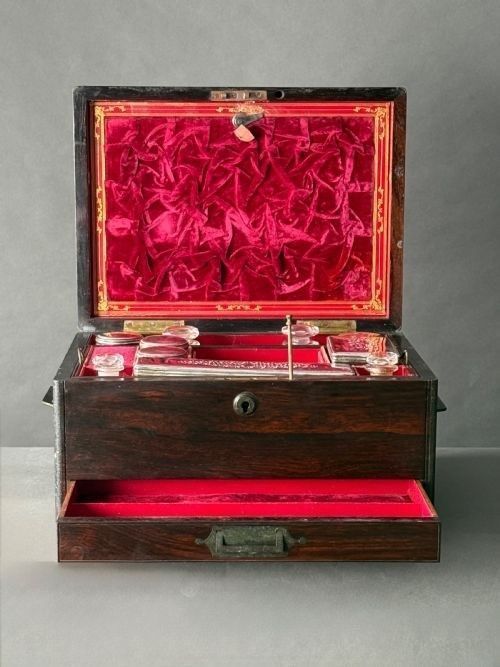
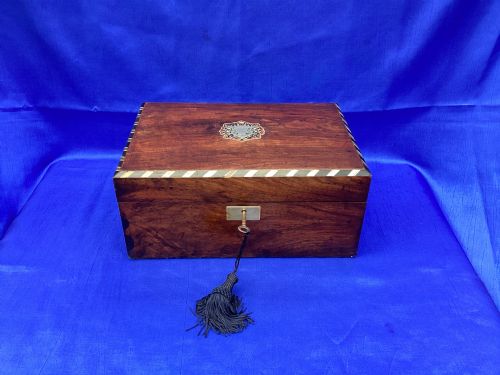
An antique wooden dressing case offers compartments for travelling essentials, finished in rich timbers with brass and velvet.
Antique Wooden Dressing Case
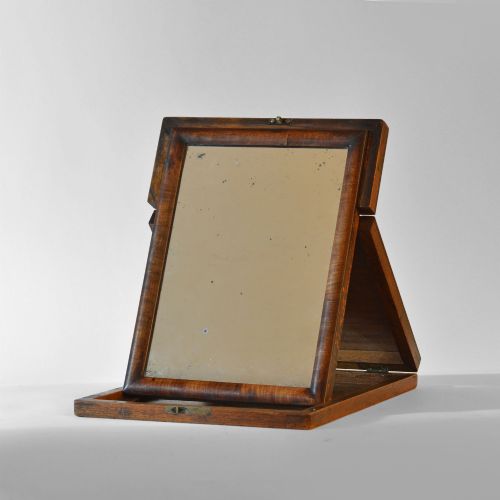
An antique wooden dressing case functions as a portable container for personal grooming items, jewellery, and letters. These pieces date across the Georgian, Regency, and Victorian periods, often taking the form of vanity boxes, jewellery boxes, and writing slopes.
How they were made
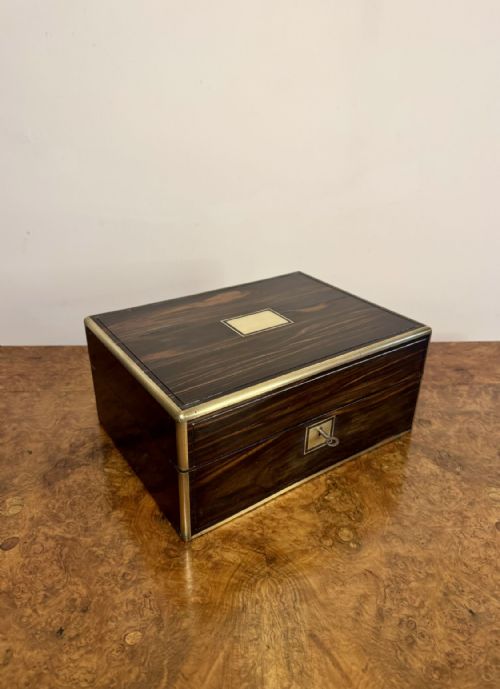
Cabinet makers built these boxes using dense hardwoods such as mahogany, rosewood, burr walnut, and coromandel, frequently incorporating brass banding for structural strength and protection during travel.
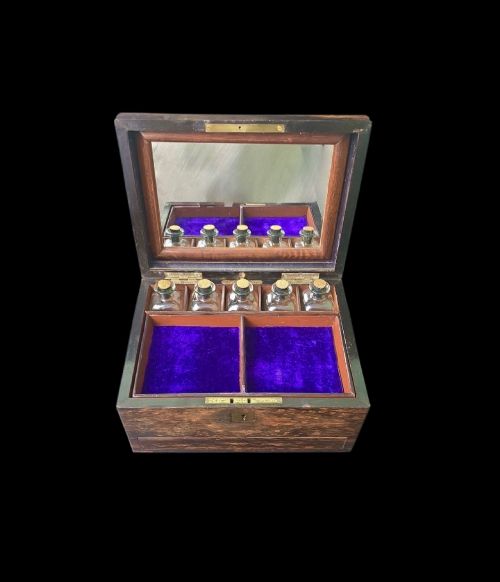
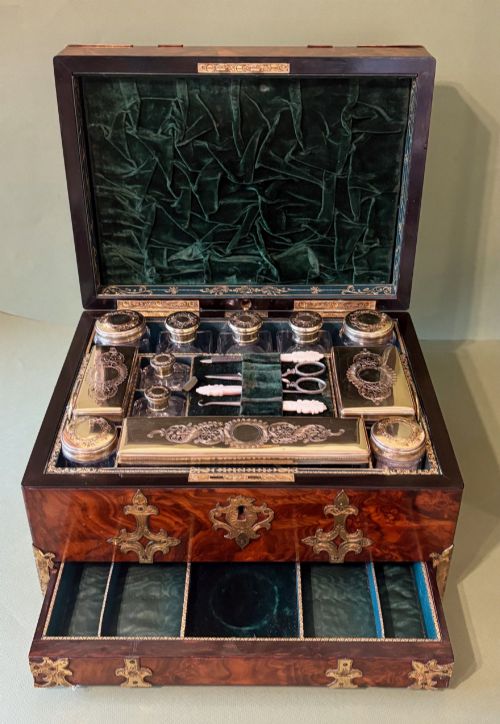
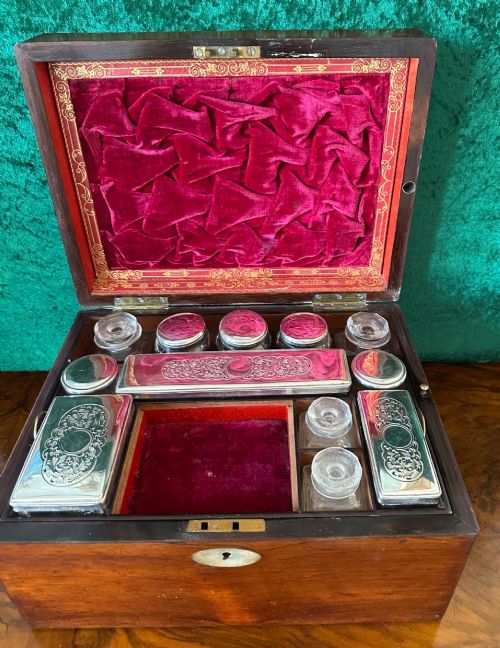
Interiors typically combine velvet linings with fitted compartments, silver-capped glass bottles, and mother-of-pearl inlay, reflecting meticulous hand assembly by specialist makers.
Antique Wooden Dressing Case Retail Price Guide 2026
Typical asking prices for wooden dressing case among the pieces listed under this phrase on Sellingantiques today, from the lower quarter to the upper quarter. They describe what is for sale here now, not the wider market.
Listings feature woods such as rosewood, mahogany, burr walnut, and coromandel, paired with brass, velvet, glass, and mother-of-pearl.
What varies in quality
The distinction between standard and superior pieces rests on the choice of timber figure, the complexity of the internal fittings, and the integration of silver and glass elements. Finer examples display figured burr walnut or coromandel alongside comprehensive silver-fitted interiors by named makers.
Construction details such as flush brass binding, finely cut mother-of-pearl inlay, and intact velvet or leather linings separate master-produced cases from simpler utilitarian boxes.
H Mitchell·Parkins and Grotto·Edwards·JH Browne
The Antique Wooden Dressing Case Glossary
- Coromandel
- A dense, heavily figured southeast Asian timber prized for its dark grain and used extensively on luxury Victorian boxes.
- Burr walnut
- A decorative wood veneer taken from the growth excrescences of walnut trees, displaying intricate swirling patterns.
- Vanity box
- A portable container outfitted with compartments for cosmetics, grooming tools, and jewellery.
- Mother-of-pearl
- The iridescent internal layer of mollusc shells, utilised for decorative inlay and escutcheons on wooden boxes.
- Writing slope
- A hinged box that opens to reveal a slanted writing surface and storage for stationery and inkwells.
Antique Wooden Dressing Case: Frequently Asked Questions
How were dressing cases used?
These boxes travelled with owners on long journeys, housing personal grooming items, scent bottles, and jewellery securely inside locked compartments. Upon arrival at a destination, the case sat on a dressing table to provide immediate access to daily essentials.
Many examples feature clever mechanisms and secret drawers designed to protect valuables from theft while on the move.
What woods are most common?
Rosewood, mahogany, and walnut appear frequently across these listings, often selected for their deep grain and durability. More luxurious examples utilise figured burr walnut or exotic coromandel.
These timbers were chosen both for their structural stability during travel and their rich appearance in a domestic bedroom setting.
How do I date a box?
Dating relies on timber choices, brass hardware styles, and internal lock mechanisms. Victorian pieces often display brass banding and velvet-lined fitted trays, while Georgian items tend toward simpler mahogany or rosewood exteriors.
Purchasing records or maker stamps embedded inside the wood provide more precise chronological markers when present.
Can I use them today?
These boxes adapt easily to modern life as jewellery organisers, keepsake containers, or dressing table storage. The velvet linings and divided trays keep small accessories neatly separated and protected.
Careful placement away from direct sunlight and excessive humidity preserves the original wood finish and internal fabrics.