


Antique Wooden Draught Screen
An antique wooden draught screen brings genuine historic character to a room while blocking chill air, and you will most often encounter Victorian and Edwardian examples here.
Antique Wooden Draught Screen
An antique wooden draught screen serves both a practical purpose and decorative role, shielding occupants from cold air currents near fireplaces and doors. When searching for an antique wooden draught screen, buyers encounter an array of folding room dividers, privacy screens, and firescreens spanning the eighteenth, nineteenth, and early twentieth centuries.
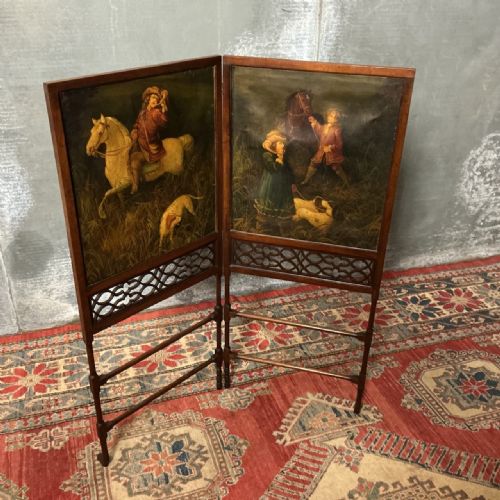
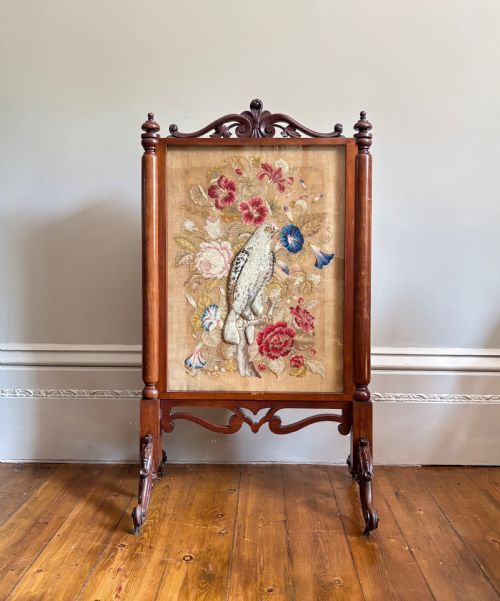
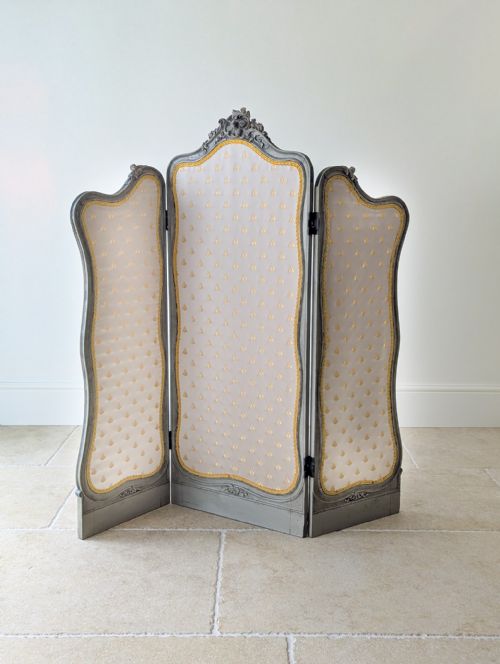
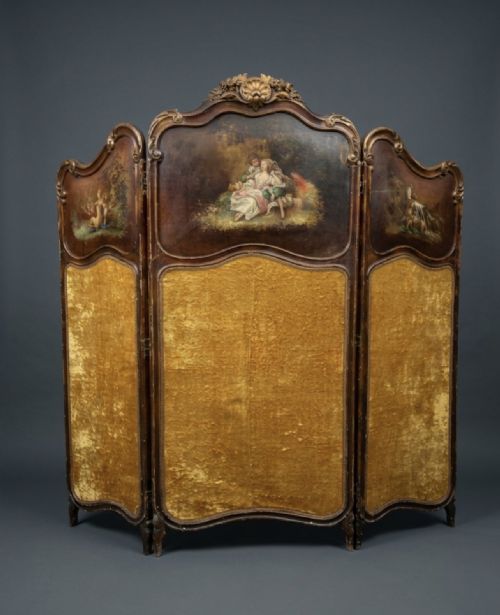
The pieces on this page range from modest nineteenth century mahogany firescreens with embroidered panels to grander multi fold room dividers originating in China, England, and France. Styles vary widely from Regency and Victorian to French Rococo Revival and Chinese Republic Era designs.
Most items combine timber frames with decorative inserts such as canvas, wool tapestry, oil paintings, and lacquer work. These functional furnishings reveal how historic interiors managed temperature and privacy before modern central heating.
Materials and construction
Makers utilised solid timbers such as mahogany, oak, rosewood, and giltwood to build the structural frames that support these folding and pull out panels. Woodworking techniques involved traditional joinery to ensure the hinged sections endured regular movement without warping.
Panels frequently feature textile elements including hand woven tapestry, Berlin work, needlepoint, and painted canvas inserted securely into the wooden framework. Lacquer work and oil paintings also appear on select pieces, demanding specialised surface preparation and artistic skill.
Listings feature items from the eighteenth, nineteenth, and early twentieth centuries, spanning Victorian, Edwardian, Regency, and Qing Dynasty periods.
Quality variations
The distinction between standard examples and superior pieces rests on the complexity of the timber carving and the original condition of the textile or painted panels. Finely carved rosewood or giltwood frames paired with hand worked needlepoint or detailed oil paintings represent higher workmanship.
Original hinges, stable folding mechanics, and intact lacquer or embroidery elevate a piece above those with replaced fabric or structural repairs. The integrity of the wooden joints and the precision of decorative details dictate the overall standard.
The Antique Wooden Draught Screen Glossary
- Coromandel lacquer
- A Chinese incised lacquer technique where designs are carved into a dark ground and filled with colours. Pieces using this method often span multiple folds.
- Firescreen
- A low decorative screen placed before a fireplace when not in use to block residual heat or conceal the grate. Many examples incorporate adjustable pull out leaves or needlepoint inserts.
- Needlepoint
- Hand stitched canvas work executed with wool or silk threads to form pictorial or geometric designs. This technique decorates numerous Victorian and Regency panels.
- Napoleon III
- A French nineteenth century design style drawing inspiration from earlier historical periods including Rococo Revival. Pieces from this era often display painted decoration.
Antique Wooden Draught Screen: Frequently Asked Questions
How do I clean the fabric panels?
Historic textiles require gentle surface cleaning rather than harsh liquid treatments to preserve the delicate wool and canvas threads.
Consult a textile conservator if the embroidery or tapestry shows significant dirt or structural weakness.
Can these screens divide a room?
Larger multi fold room dividers and privacy screens function effectively to separate spaces within open plan layouts.
Smaller firescreens are designed specifically for hearths and lack the height needed for full room division.
How are the folding panels joined?
Most antique folding screens utilise metal hinges connecting the wooden leaves to allow smooth movement in both directions.
Original hinges should be inspected for stability to ensure the screen supports its own weight safely.
What wood types should I expect?
Frameworks commonly feature mahogany, oak, rosewood, and giltwood depending on the period and origin of the piece.
Asian imports frequently showcase lacquered wood surfaces rather than exposed European grain.