
Antique Wooden Desk Lamp
An antique wooden desk lamp brings warmth to a study, drawing on periods from the eighteenth century to the twentieth.
Antique Wooden Desk Lamp
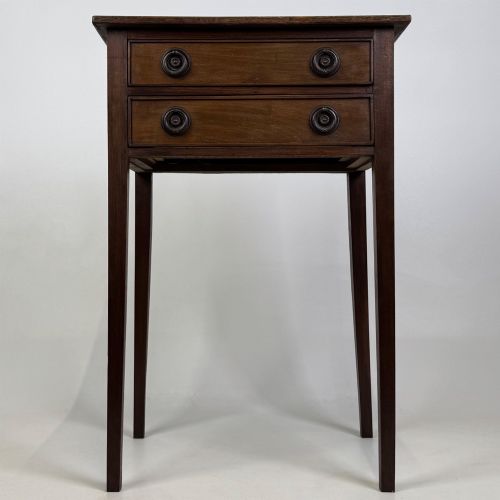
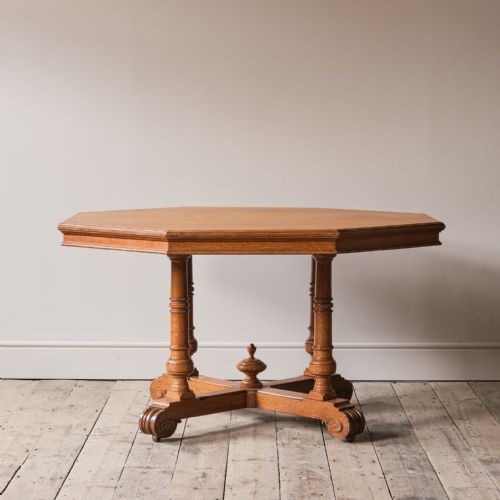
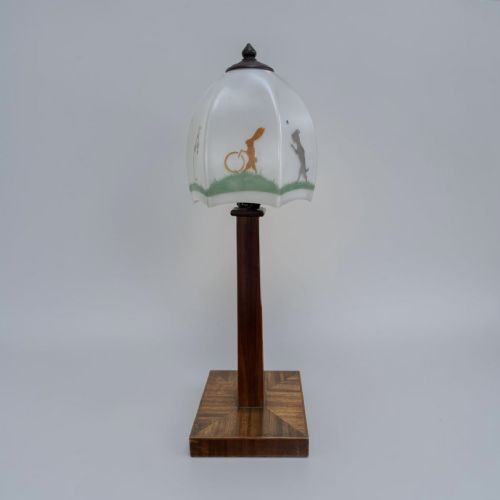
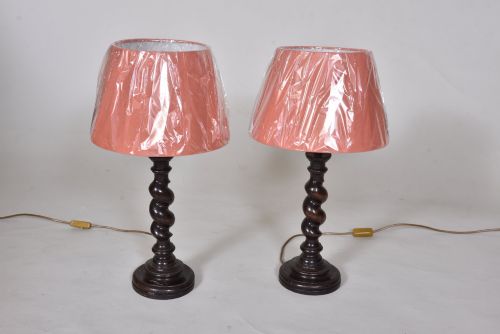
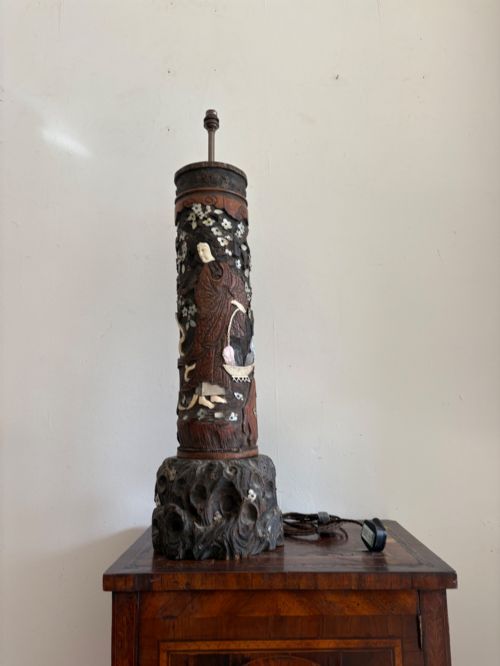
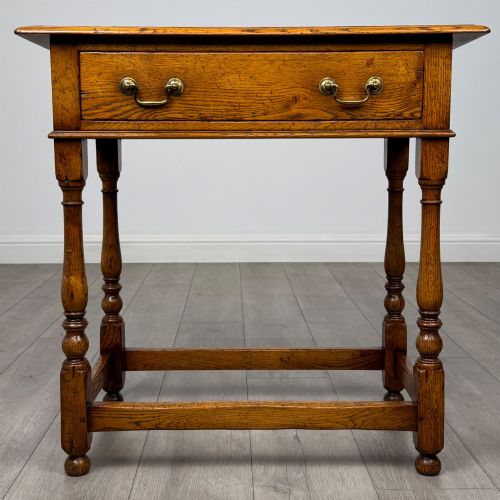
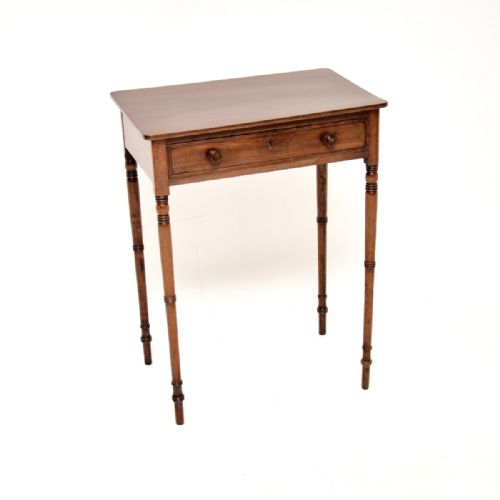
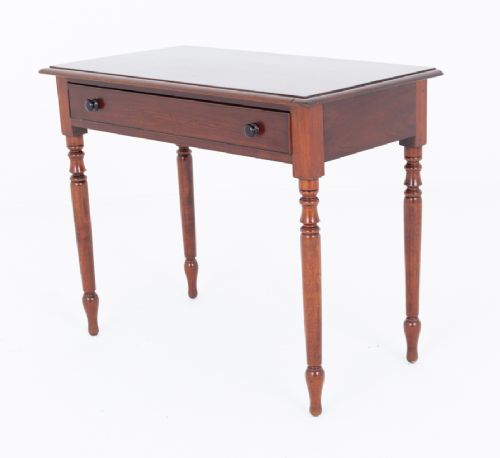
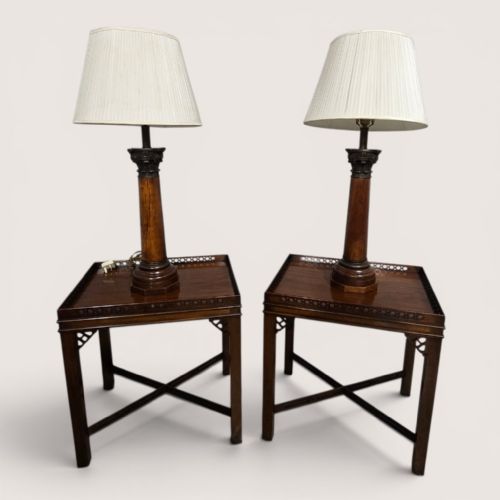
When you search for an antique wooden desk lamp, you encounter pieces originating from the eighteenth, nineteenth, and twentieth centuries, spanning periods such as Georgian, Victorian, Edwardian, and Arts and Crafts. These items frequently manifest as converted table lamps, carved wooden bases, or adapted writing tables and side tables.
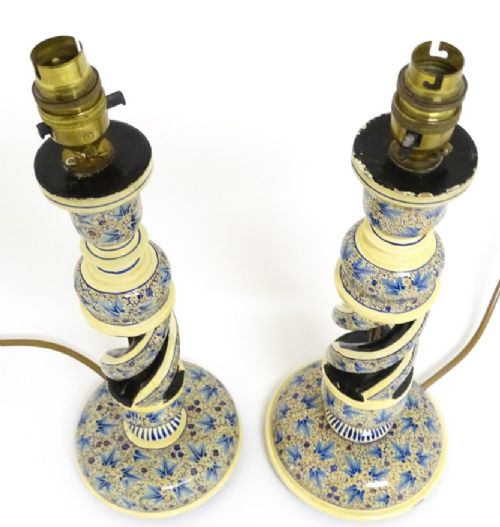
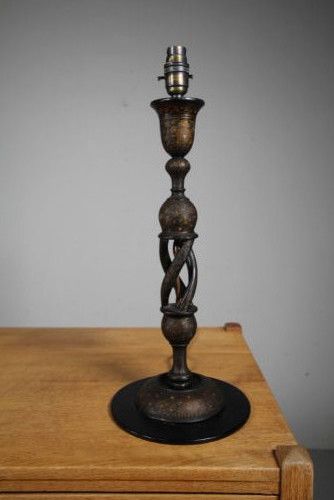
The selection on this page relies heavily on oak, mahogany, walnut, and ash forms, alongside turned wood lamp bases and regional styles like Kashmiri hand-painted work and Anglo-Indian carving. While the search points to desk lighting, the physical evidence shows a strong presence of table lamps, lamp bases, and compact side tables adapted for domestic illumination.
Materials and construction
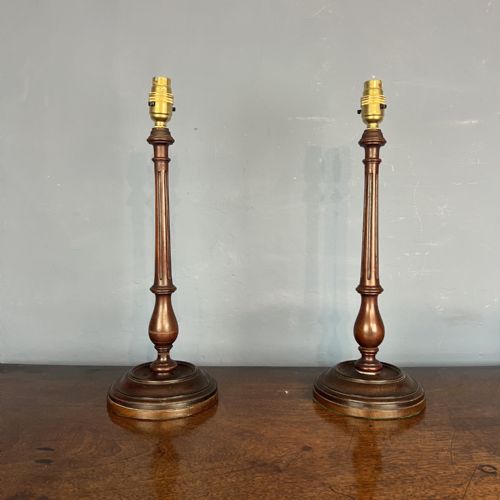
Makers utilised solid hardwoods like oak, mahogany, and walnut, often shaping them through turning, carving, or joining to form robust lamp bases and small support tables. Brass and metal fittings frequently complement the timber components.
Surface treatments range from natural wax finishes on golden oak to hand-painted lacquer, gilding, and intricate mother-of-pearl inlay, reflecting the diverse regional and period aesthetics of British, European, and Asian workshops.
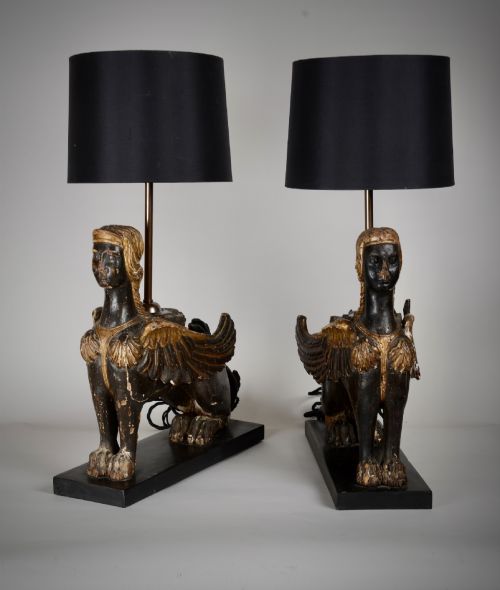
Several items double as sphinxes.
Assessing quality and execution
Quality rests upon the crispness of the timber carving, the integrity of the joinery, and the harmony between the wooden base and any period metal mounts or fabric elements. Superior examples demonstrate precise turning and well-figured grain.
The provenance of conversion work also matters, as period pieces adapted into lamps maintain better structural balance when the original timber integrity remains undisturbed by the electrical refitting.
The Antique Wooden Desk Lamp Glossary
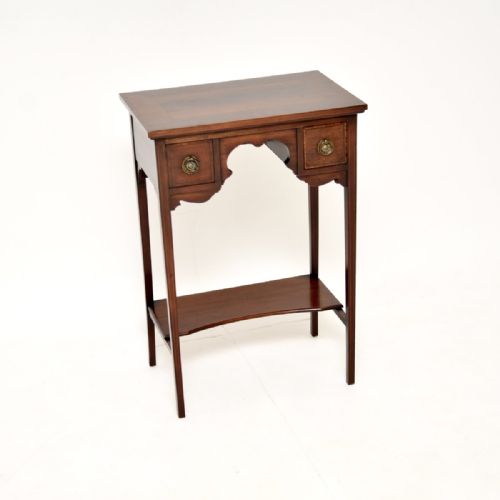
- Lowboy
- A small British table with one or more drawers, originating in the eighteenth century and commonly rendered in oak or mahogany.
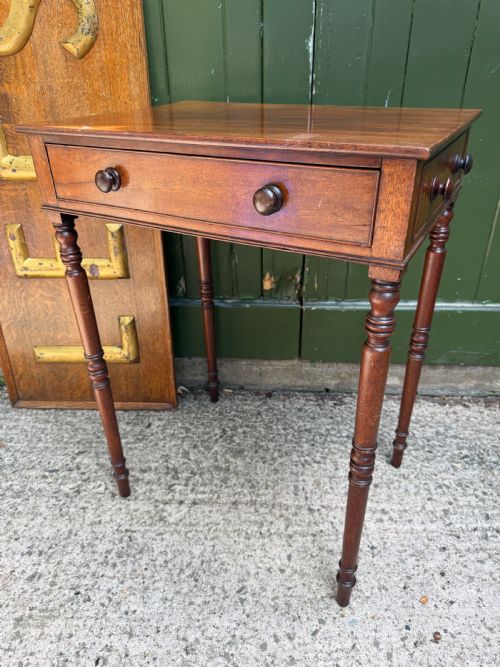
- Turned wood
- Timber shaped on a lathe to create symmetrical, rounded decorative profiles commonly found on lamp bases and column supports.
- Inlay
- The technique of embedding pieces of contrasting material, such as lighter wood or mother-of-pearl, into a timber surface to form patterns.
- Chinoiserie
- European decorative art influenced by Chinese artistic styles, frequently seen on early twentieth-century lacquer lamp bases.
- Giltwood
- Wood that has been treated with a thin layer of gold leaf or gold paint, seen on decorative Victorian and continental bases.
Antique Wooden Desk Lamp: Frequently Asked Questions
How do I date a wooden lamp base?
Examine the timber species, turning style, and wear patterns around the base to align the item with known period aesthetics like Edwardian inlay or Victorian oak carving.
Check for hand-cut joinery elements or original metal fittings that correspond to eighteenth or nineteenth-century manufacturing methods.
Are these lamps rewired for modern use?
Many listings indicate that the pieces have received updated wiring to comply with current safety standards while preserving the historic exterior structure.
Consult individual descriptions to confirm the current electrical status of each lamp base before installation in your workspace.
What woods were commonly used?
Makers predominantly utilised dense hardwoods including mahogany, oak, walnut, and ash, selecting them for structural stability and rich grain patterns.
Regional pieces also incorporate exotic root woods and lacquered timbers suited to detailed hand-painted decoration.
Can small tables serve as desk lighting supports?
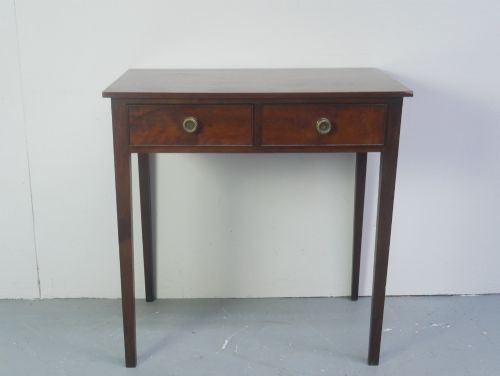
Compact side tables, lowboys, and occasional tables from the Georgian and Victorian eras frequently function as sturdy platforms for desk lamps.
Their proportions accommodate heavy wooden bases and provide stable surfaces next to writing spaces.