
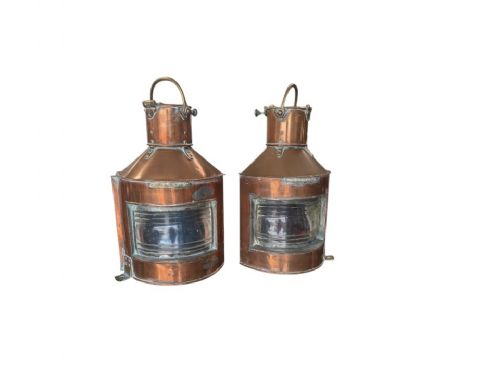


Nautical Table Lamp
A nautical table lamp brings the rich history of maritime exploration directly into your home through authentic ship fittings and seafaring motifs.
Nautical Table Lamp
When you search for a nautical table lamp, you are looking at functional maritime equipment converted for domestic lighting, alongside decorative pieces shaped by the sea. These items bridge the gap between utilitarian service at sea and decorative illumination in a room.
The forms range from heavy brass gimbal lights designed to swing level on rolling decks to solid oak lighthouse sculptures and stylized chrome sail yacht lamps. Each object carries the distinct character of maritime engineering adapted for interior placement.
How they were made
The construction relies heavily on durable metals suited for marine environments, principally brass, copper, and nickel-plated brass. Makers utilised these materials for their resistance to corrosion and their ability to take a polished finish.
Functional lighting often incorporates specialised mechanical elements such as gimbal rings, which allowed lamps to pivot and remain upright regardless of the ship's motion. Other pieces combine enamelled iron bases with metal fittings, paired with fabric or textile shades to complete the conversion for domestic use.
Some maritime lamps spent decades swinging on stormy seas before settling down to illuminate quiet reading corners on dry land.
What varies in quality
Quality in these pieces is dictated by the integrity of the original maritime hardware and the fidelity of the conversion. Industrial items produced by known makers demonstrate superior engineering in their pivoting gimbal mechanisms and heavy metal castings.
The distinction between standard decorative items and finer examples rests on the originality of the components and the subtlety of the artistic interpretation, such as the sculptural detail found on figural yacht and gull lamps.
Alderson and Gyde Ltd·William McGeoch and Co
The Nautical Table Lamp Glossary
- Gimbal
- A pivoted support that allows an object to remain horizontal regardless of the motion of its base. These were essential on ships to keep lamps level in heavy seas.
- Port and Starboard
- Nautical terms denoting the left and right sides of a vessel when facing forward. Lanterns marked with these designations often utilised coloured glass panels to signal position.
- Edwardian
- The period spanning the reign of King Edward VII, characterised by a blend of traditional craftsmanship and emerging decorative styles. Pieces from this era often display robust brass construction.
- Art Deco
- A design style prevalent in the nineteen-twenties and nineteen-thirties, marked by sleek geometric lines and stylised representations of modern progress, including sail yachts and coastal birds.
Nautical Table Lamp: Frequently Asked Questions
What is a gimbal lamp?
A gimbal lamp is a lighting fixture mounted on concentric rings that pivot freely. This clever design kept the flame or bulb level while the ship pitched and rolled.
Today, these pivoting brass and nickel frames serve as striking desk or table lights with a distinct industrial heritage.
How do I date a nautical lamp?
Dating relies on material finishes, maker marks, and stylistic clues from periods like the Edwardian era or the Art Deco nineteen-twenties. Heavy nickel plating and specific patent numbers often point to manufacture dates.
Examining the original use, such as whether a piece began life as a ship's cabin light or a harbour lantern, also helps establish its age.
Where should I place one?
These lamps suit studies, libraries, or rooms with traditional wood panelling and maritime decor. Their metallic finishes and robust construction anchor a scheme effectively.
Ensure the scale of the lamp matches the surface it rests upon, particularly heavier gimbal lights that require sturdy placement.
Were these originally electric?
Most metal gimbal lights and ship lanterns started out burning oil or paraffin before being converted to electricity for modern homes. Dedicated decorative pieces like lighthouse or yacht sculptures were often made specifically for domestic illumination.
Conversions allow these historic maritime objects to function safely in contemporary interiors.