
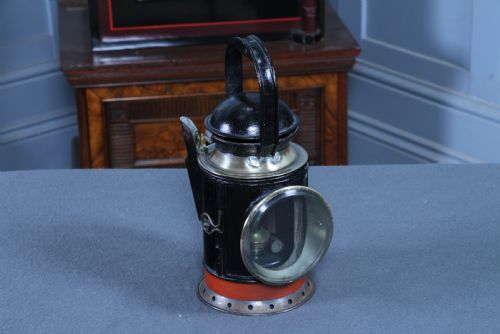


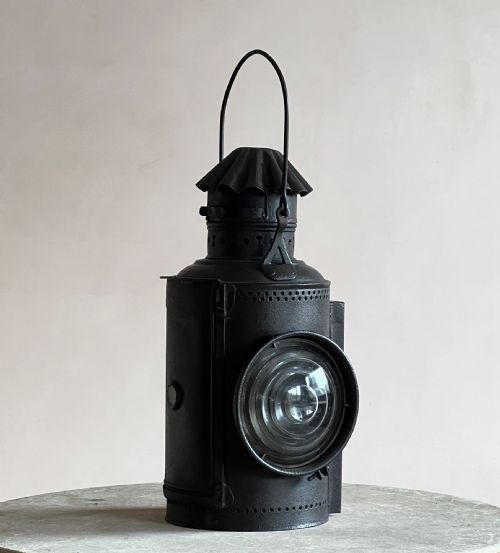


Antique Railway Light
These antique railway light pieces bring heavy utilitarian brass, copper and iron into domestic interiors with enduring industrial character.
Antique Railway Light
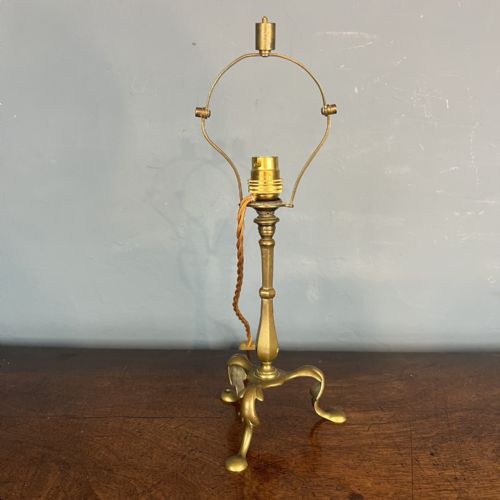
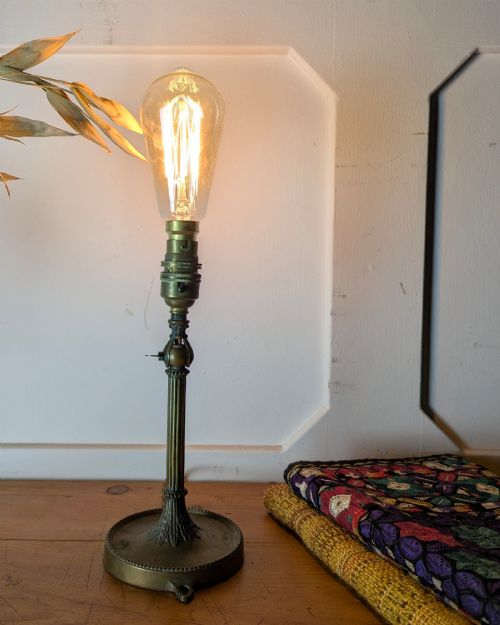
When you search for an antique railway light, you encounter robust fittings salvaged from trains, stations, and carriages spanning the Victorian, Edwardian, and mid-twentieth-century eras. The selection comprises table lamps, wall lamps, hanging lanterns, and oil-burning carriage lamps made for heavy service on networks like the GWR and LNER.
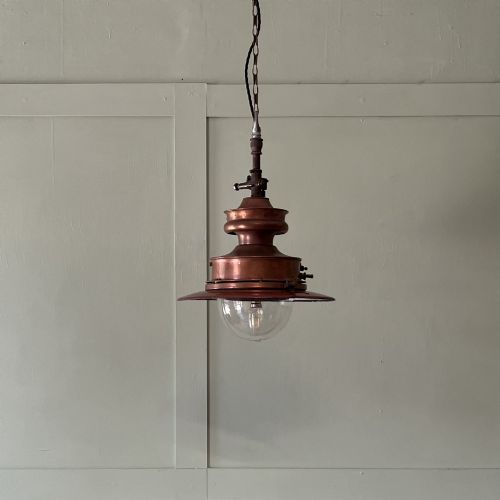
You are most likely to meet solid brass Pullman lamps and copper hanging lanterns from the early twentieth century on this page. These pieces range from polished brass desk fixtures with opaline shades to utilitarian signal oil lamps housed in iron and painted steel.
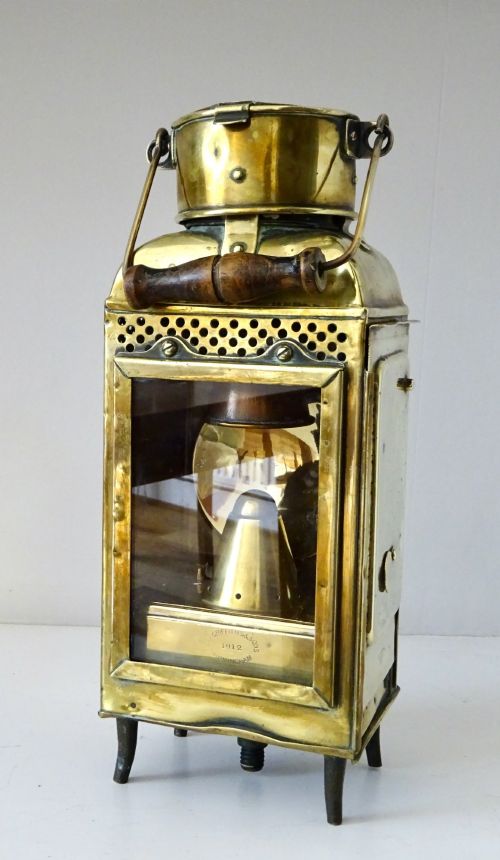
The objects reflect distinct railway roles, including inspector's hand lanterns with tri-colour lenses and gimbel lamps designed to swing level on moving trains. Each item carries the functional design language of a transport network that required illumination to withstand constant vibration and weather.
Materials and construction
Makers built an antique railway light from durable metals intended to survive decades of continuous transit use. Brass, copper, and iron form the primary structural bodies, joined by riveted plates and heavy brackets.
Glass elements include thick moulded lenses, clear panes, and opaline shades designed to diffuse light safely within confined compartments. Painted steel and wood appear in related utility forms such as signal lamps and steps, completing the rugged fabrication.
Listings feature pieces spanning the nineteenth century through the nineteen-forties, constructed from brass, copper, iron, and opaline glass.
Distinctions in quality
The standard of an antique railway light rests on the heaviness of its cast metal components and the integrity of its original manufacturer stamp or railway company marking. Examples bearing clear insignia from major lines display superior casting finish compared to unbranded utility equivalents.
Quality also shows in the retention of original components, such as functional gimbel rings, intact coloured lenses, and undamaged opaline glass. Pieces maintaining their original surface patination without excessive modern replacement parts command greater interest from collectors.
Eli Griffiths And Sons·Dressel
The Antique Railway Light Glossary
- Gimbel lamp
- A lamp mounted on a pivoting ring frame that keeps the flame upright regardless of motion. This mechanism was essential for stable illumination inside swaying carriages and ships.
- Opaline glass
- A dense, milk-white translucent glass used for lamp shades to soften glare. It provides an even, diffused spread of light suitable for passenger compartments.
- Tri-colour lens
- A specialised railway signal lens capable of displaying multiple colours through internal mechanical filter changes. These were crucial for line signalling and inspection duties.
- Pullman lamp
- A high-quality light fitting specifically manufactured for luxury railway carriages. They typically feature heavy brass construction and refined aesthetic details.
- Hand lantern
- A portable oil lamp carried by railway inspectors and guards for checking rolling stock and signalling. They feature robust protective metal cages around the glass.
Antique Railway Light: Frequently Asked Questions
How were railway lamps used on trains?
Railway staff utilised these lamps for interior carriage illumination, signalling, and line inspections during night operations. They were mounted on brackets or carried by hand.
Their heavy construction ensured they remained operational despite continuous vibration and harsh weather conditions encountered along the track.
Can I convert these oil lamps to electricity?
Many people adapt antique oil lamps for modern electrical use by running a discreet flex through the original burner assembly. This allows them to function safely as desk or wall lights.
Retaining the original oil reservoir and burner parts without permanent alteration helps preserve the historic integrity of the object.
How do I date a railway lamp?
Dating relies on manufacturer stamps, company initials like GWR or LNER, and stylistic markers associated with Victorian or Edwardian manufacturing methods. Patents and dated inscriptions often provide a clear timeline.
The evolution of materials, moving from heavy copper and brass towards painted steel in later decades, also indicates the period of production.
Where should I place a railway light at home?
These industrial pieces suit studies, hallways, and kitchens where their robust metal finishes complement exposed brick or timber. Wall-mounted bracket lamps work well as reading lights.
Hanging lanterns function effectively in high-ceilinged spaces or above work surfaces, providing focused directional illumination.