







Antique Wooden Desk Compendium
An antique wooden desk compendium gathers correspondence and small writing gear into a tidy tabletop box.
Antique Wooden Desk Compendium
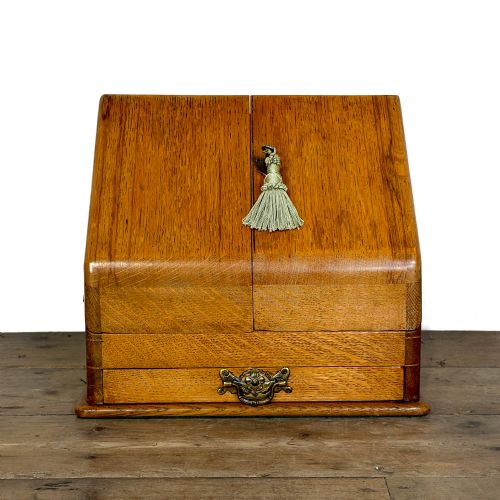
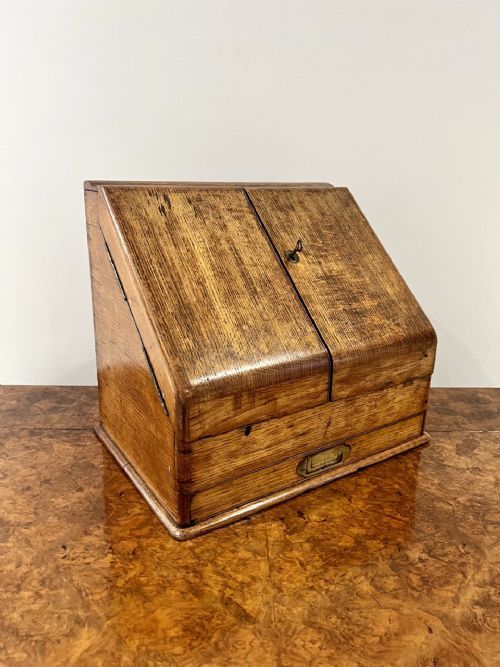
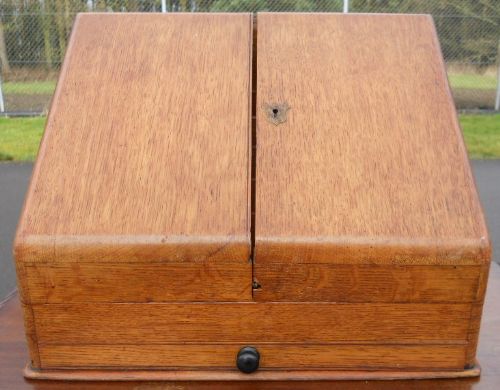
Buyers seeking an antique wooden desk compendium encounter several forms of tabletop organizers, most frequently stationary cabinets and writing boxes from the Victorian and Edwardian eras. These pieces typically sit upon a desk to hold paper, envelopes, and inkwells close to hand. Examples span from simple nineteenth-century oak boxes to more elaborate drop-front cabinets with fitted interiors.
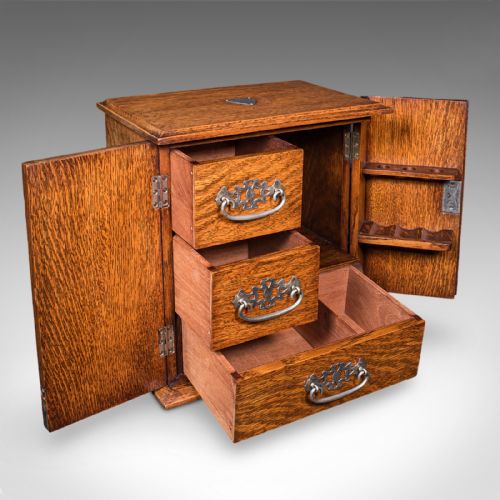
The selection ranges across distinct historical styles, including Victorian Gothic Revival, Arts and Crafts, and Edwardian designs, alongside occasional mid-century pieces. Alongside standard stationary boxes, the category encompasses specialised containers such as smoker's cases and tobacco cabinets. Each variant serves to organise domestic or professional correspondence using traditional materials.
Materials and construction methods
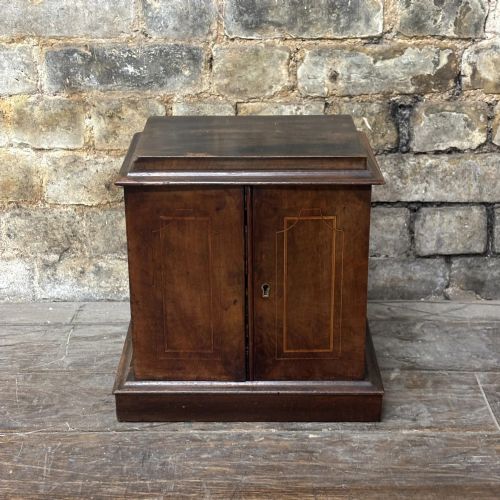
Cabinetmakers constructed these pieces primarily from solid hardwoods and decorative veneers, selecting oak, mahogany, walnut, and coromandel for their grain and durability. Supplementary elements of brass, boxwood, leather, and glass often appear as hinges, locks, inlaid stringing, and inkwell inserts. These durable timbers endured daily desk use while providing a polished surface for home and office studies.
Joinery techniques matched the functional demands of desktop storage, utilising tight corner joints and hinged panels for drop-front doors and sloping lids. Makers integrated locking mechanisms and internal dividers to secure valuable correspondence and small instruments. Specialised variations incorporated adjustable date functions and metamorphic folding writing surfaces into the wooden framework.
Antique Wooden Desk Compendium Retail Price Guide 2026
Typical asking prices for wooden desk compendium among the pieces listed under this phrase on Sellingantiques today, from the lower quarter to the upper quarter. They describe what is for sale here now, not the wider market.
Listings feature oak, mahogany, walnut, and coromandel as primary woods, complemented by brass and glass.
Variations in quality and execution
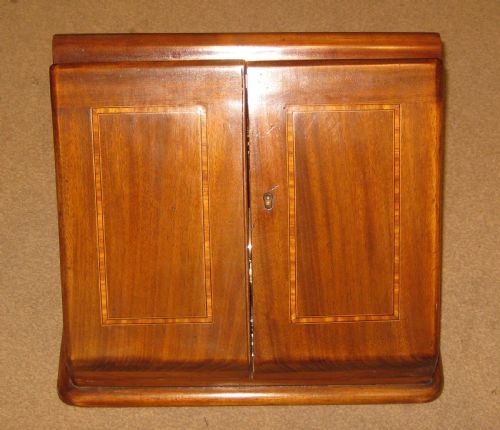
Quality in these organizers rests upon the selection of timber veneers and the precision of the internal fittings. Superior examples feature carefully matched grains, robust brass hardware, and well-fitted pigeonholes that operate smoothly without binding. Finer pieces often incorporate intricate inlay work or specialised cabinetry by notable makers rather than relying solely on utilitarian construction.
The refinement of the locking mechanism and the integrity of the internal accessories further distinguish standard boxes from exceptional ones. Well-preserved original glass inkwells, intact leather writing slopes, and functioning brass keys elevate a piece. Lesser examples display plain, unadorned secondary timbers and simple butt joints with minimal attention to interior arrangement.
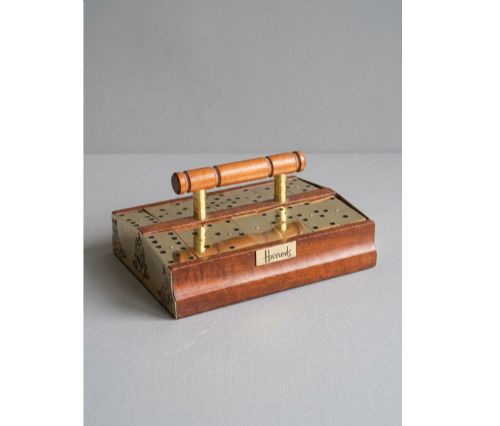
Harrods·J.C Vickery Of London
The Antique Wooden Desk Compendium Glossary
- Stationery cabinet
- A tabletop box designed to hold writing paper, envelopes, and related correspondence supplies, often featuring a sloping or drop front. These cabinets usually contain tiered wooden partitions inside.
- Writing box
- A portable or desktop container equipped with a slanted writing surface and internal storage compartments for pens and ink. Many examples fold out to create a firm writing plane.
- Drop-front
- A hinged panel at the front of a cabinet that folds downward to reveal inner compartments and writing surfaces. This configuration allows quick access to stacked paper without lifting the main lid.
- Smoker's cabinet
- A specialised storage chest fitted with racks for pipes, tobacco, and cigars, frequently styled similarly to contemporary stationery boxes. They often include small locking doors and lined interiors.
- Stringing
- Fine inlay work consisting of thin strips of contrasting wood or light-coloured material set flush into the surface of the primary timber. This technique outlines panels and lids on Victorian and Edwardian furniture.
Antique Wooden Desk Compendium: Frequently Asked Questions
What is a desk compendium?
A desk compendium is a tabletop organizer designed to keep writing materials, letters, and small office accessories tidy. These wooden boxes bring order to paperwork before the widespread use of fitted office furniture.
Most examples provide specialised slots for envelopes and paper alongside inkwells and pen trays. They serve as both functional office equipment and decorative items for a study or library.
How were stationery cabinets used?
Stationery cabinets held writing paper and correspondence in an upright or tiered position for easy daily retrieval. Users opened the front doors or lifted the lid to select paper before writing letters by hand.
Many cabinets included built-in calendar functions or small drawers for stamps and sealing wax. They kept the desktop clear of loose paper when not in active use.
Where should I place a desk box?
These boxes sit well on top of writing desks, sideboards, or library tables where their wooden surfaces can be appreciated. They require a stable surface away from direct heat sources to protect the polished wood and veneer.
Placing the box in a dry room prevents the timbers from warping and keeps the brass hardware from tarnishing. The interior compartments remain useful for storing modern stationery or small keepsakes.