





Edwardian Oak Stationery Cabinet
An edwardian oak stationery cabinet is a practical desk accessory designed to keep correspondence and writing materials organised.
Edwardian Oak Stationery Cabinet
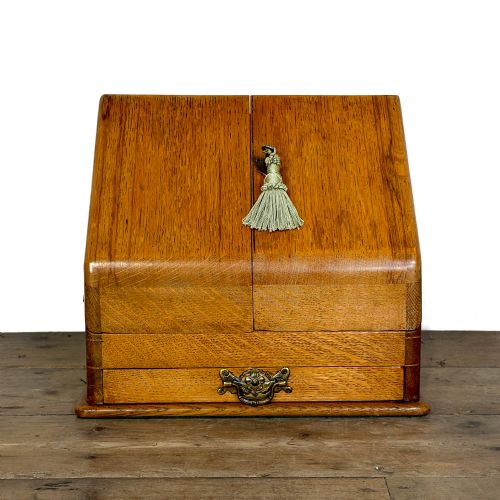
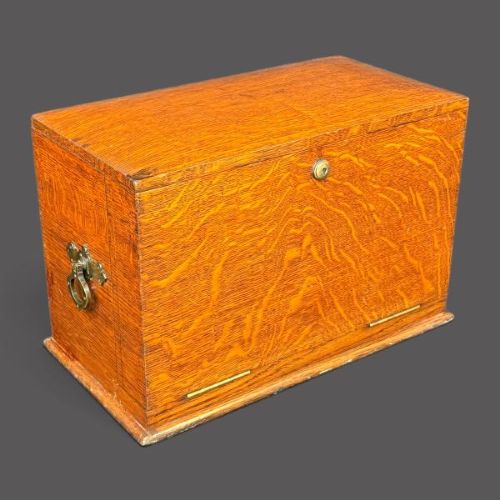
An edwardian oak stationery cabinet brings order to the desk through fitted compartments, drop-fronts, tambour doors, and writing slopes. These tabletop pieces served administrative and personal correspondence needs in homes and offices.
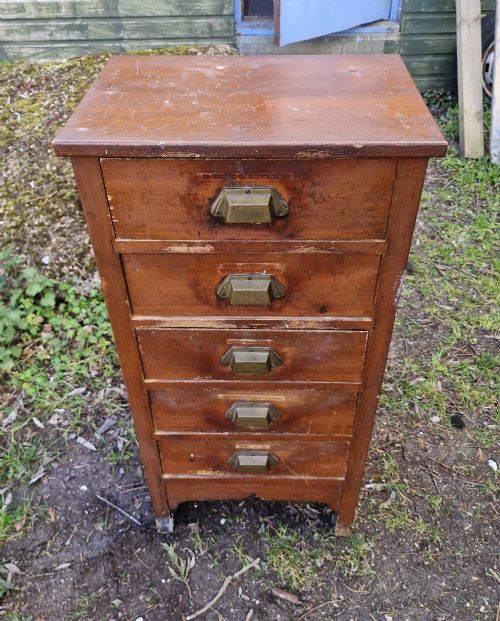
Most examples date from the Edwardian period and the late nineteenth century, constructed primarily in oak. Forms range from compact boxes with fall fronts to larger multi-drawer office cabinets and letter boxes.
Collectors encounter variations including tambour fronts with adjustable shelves, built-in calendars, and integrated inkstands with glass bottles. The domestic desk accessory meets the more utilitarian office filing cabinet across this selection.
How they were made
Makers utilised solid oak alongside brass for handles, hinges, and mounts. Some variations incorporate glass for ink bottles or metal and canvas elements in interior fittings.
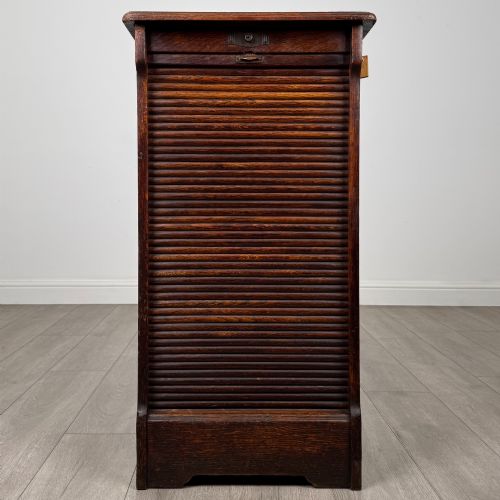
Construction techniques include tambour shutter doors running on tracks, fall-front mechanisms, and fitted internal dividers for paper and envelopes. Joinery adheres to traditional cabinet-making standards suited to desktop furniture.
Edwardian Oak Stationery Cabinet Retail Price Guide 2026
Typical asking prices for edwardian oak stationery cabinet among the pieces listed under this phrase on Sellingantiques today, from the lower quarter to the upper quarter. They describe what is for sale here now, not the wider market.
What varies in quality
The standard of timber selection and complexity of mechanism separate utilitarian office pieces from finer domestic examples. Quality shows in the smooth operation of tambour doors, fall-fronts, and fitted interior drawers.
The Edwardian Oak Stationery Cabinet Glossary
- Tambour
- A flexible shutter door made of narrow strips of wood glued to canvas, allowing it to slide around a curved track. This mechanism conceals interior shelving on desktop cabinets.
- Fall front
- A hinged panel that drops down to provide access to compartments or serve as a writing surface. It remains a common feature on stationery boxes and writing desks.
- Stationery box
- A tabletop container specifically designed to hold writing paper, envelopes, and small office supplies. These often feature sloping lids or tiered interior compartments.
- Inkstand
- A desktop tray or stand holding one or more ink bottles alongside pen rests and a stationery compartment. Examples frequently pair glass inkwells with brass mounts.
- Writing bureau
- A compact desk combining a sloping writing flap with internal pigeonholes and drawers below. This form provides both storage and a dedicated writing surface.
Edwardian Oak Stationery Cabinet: Frequently Asked Questions
What is an edwardian oak stationery cabinet used for?
These cabinets organise letters, envelopes, and writing paper on a desk or tabletop.
They provide dedicated slots and drawers to keep correspondence neat and accessible.
How do I care for an oak stationery cabinet?
Keep the wood away from direct heat sources and strong sunlight to prevent drying and cracking.
Apply a traditional wax polish occasionally to maintain the finish of the oak.
What is a tambour front cabinet?
A tambour front uses narrow wooden slats attached to a flexible backing fabric to slide smoothly around a curved track.
This mechanism allows the door to open without swinging outward into desk space.
How do I tell an Edwardian cabinet from a Victorian one?
Victorian pieces often display heavier proportions and more ornate Gothic or revival detailing.
Edwardian examples tend to feature lighter oak tones and simpler, more functional Arts and Crafts influences.