



Antique Wooden Counter Stool
An antique wooden counter stool brings utilitarian heritage to modern spaces, offering elevated seating crafted from honest timber.
Antique Wooden Counter Stool
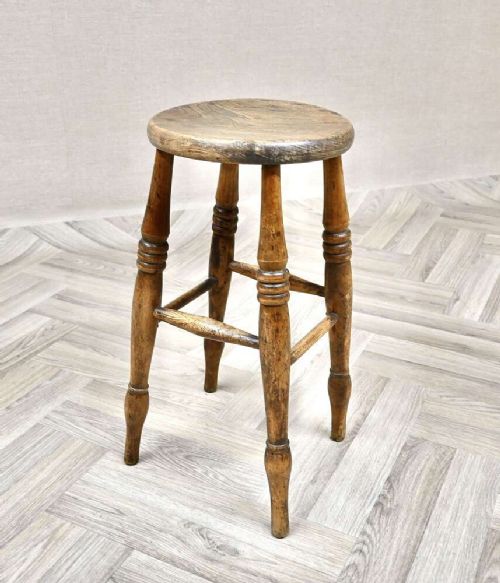
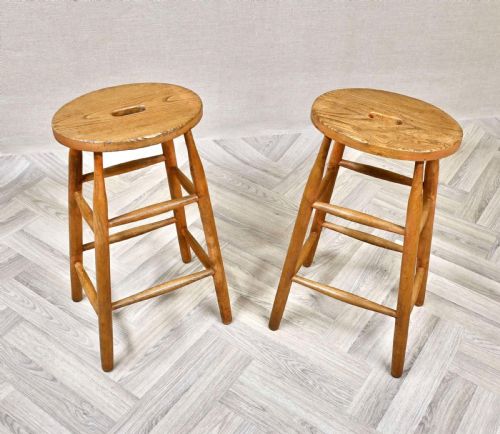
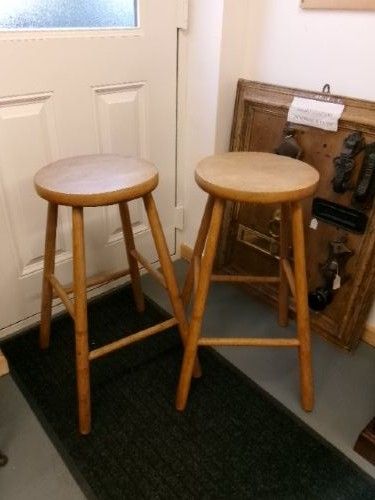
An antique wooden counter stool is a high-perched seat designed for commercial, domestic or workshop use, drawing on historical forms such as pub, clerk, lab and tavern seating. Buyers searching for an antique wooden counter stool will encounter pieces originating from the Regency period through to the mid-twentieth century, with nineteenth-century examples appearing most frequently.
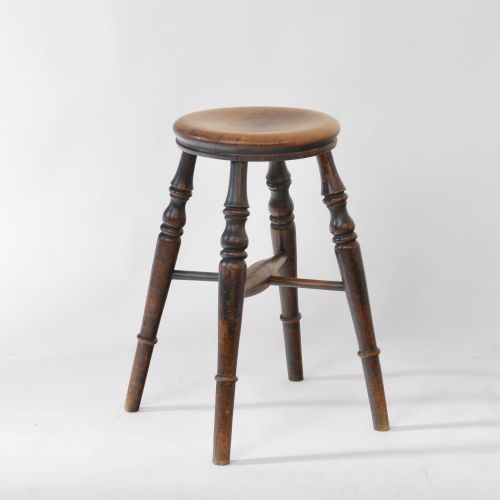
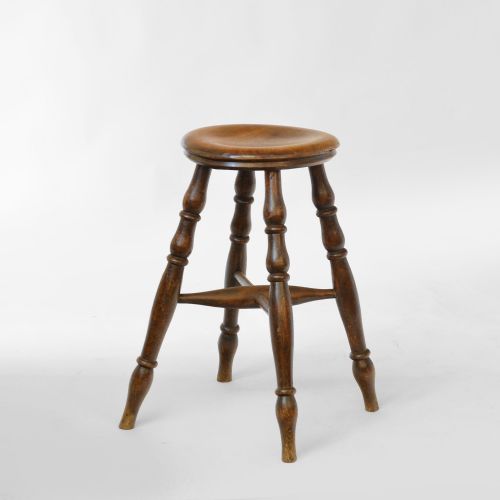
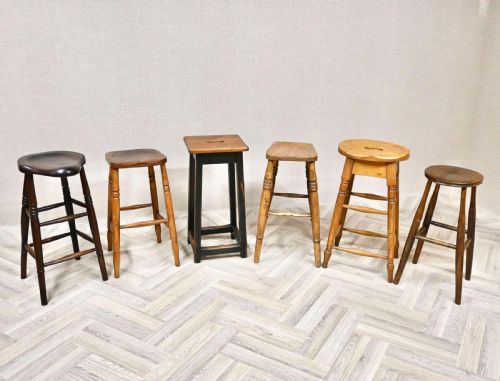
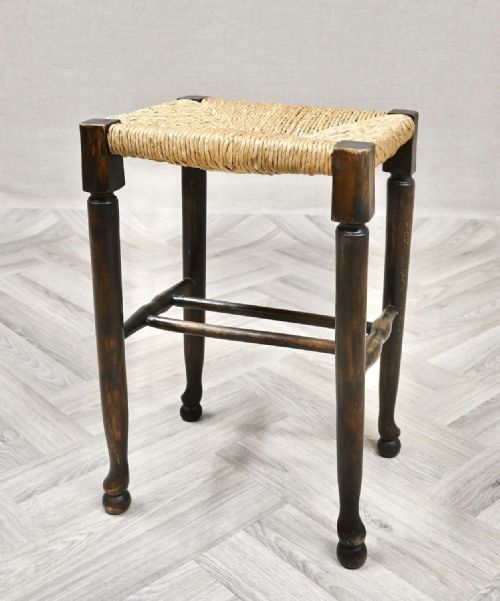
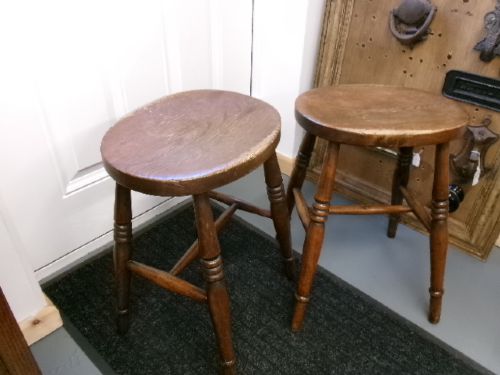
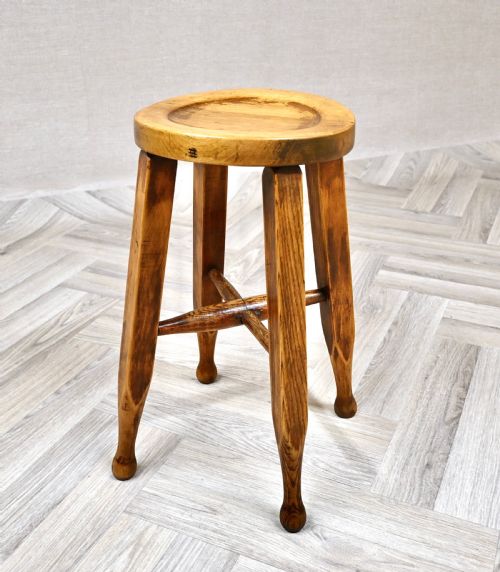
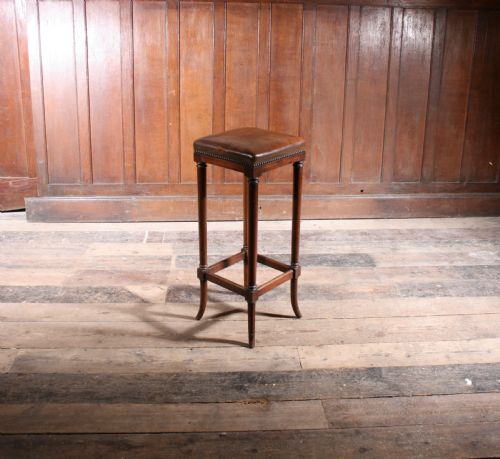
The physical form varies from simple turned-leg models to robust Windsor and rustic farmhouse designs. Elm and beech dominate the selection, frequently paired with carved wooden tops, rush seats or upholstered leather surfaces.
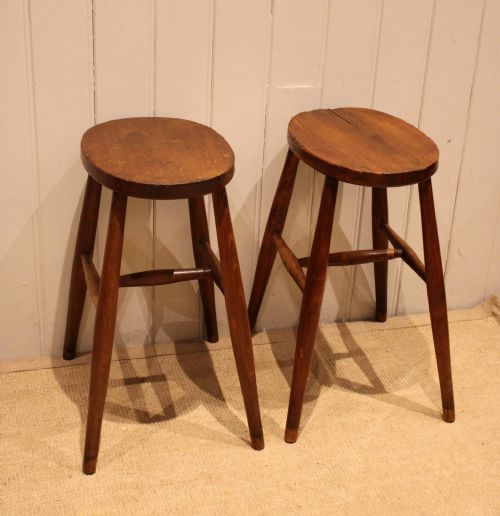
Most pieces show their practical origins, having served in pubs, offices or country houses before entering the decorative market. The selection ranges from single pieces to matched pairs and small sets.
Materials and construction methods
Makers utilised native hardwoods such as elm, beech, oak and mahogany, often combining timbers within a single stool for structural strength. Elm and sycamore frequently provided durable, dished seats capable of withstanding heavy daily use.
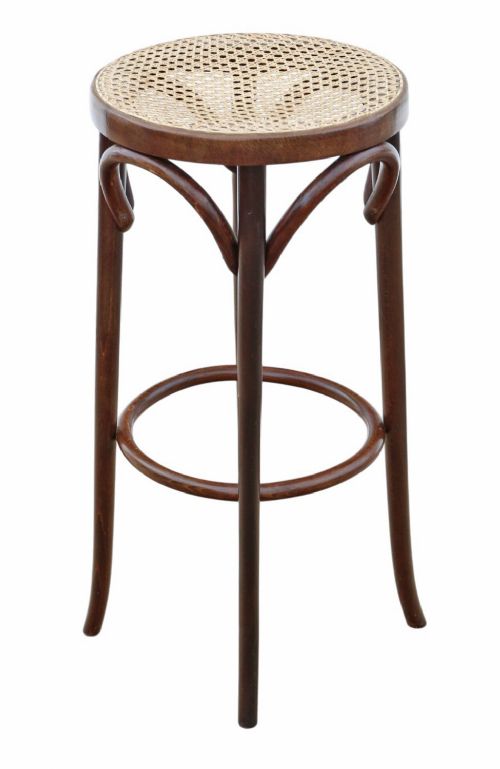
Turning techniques shaped the legs and stretchers on lathes, while steam-bending created the curved components seen on later twentieth-century and bentwood examples. Joinery relied on traditional methods like wedged tenons to secure the tall frames against lateral movement.
Pub and tavern stools often bear the distinct circular scars of spilled ale and restless boots from centuries past.
Distinguishing quality in taller seating
Quality rests in the integrity of the frame and the depth of character in the timber. Stools with robust stretchers placed at varying heights to support the feet show careful ergonomic consideration by the maker.
Surface preservation matters greatly, as natural wear and patination distinguish genuine utilitarian pieces from later reproductions. The harmony between the turned elements and the thickness of the timber seat dictates the visual balance.
The Antique Wooden Counter Stool Glossary
- Dished top
- A seat carved with a shallow concave depression for comfort. This technique prevents sliding and distributes weight evenly.
- Stretcher
- A horizontal support connecting the legs of a stool. These members add rigidity to tall frames and frequently double as footrests.
- Windsor
- A style of seating characterised by legs and spindles socketed directly into a solid wooden seat. It offers exceptional structural stability.
- Bentwood
- Wood softened by steam and bent into curved shapes under pressure. This method defines twentieth-century designs.
- Rush
- Dried marsh grass twisted into cords and woven to form a seat surface. It provides a resilient, traditional texture.
Antique Wooden Counter Stool: Frequently Asked Questions
Are these stools comfortable for daily kitchen use?
Many feature ergonomically carved or dished wooden tops designed for extended sitting in pubs and offices. Adding a loose cushion can increase comfort for modern kitchen counters.
Their sturdy proportions make them practical for everyday dining and food preparation spaces.
How do I match different woods in a kitchen?
Mixing elm, beech and oak stools creates an eclectic, lived-in country house aesthetic rather than a rigid uniform look. Focus on matching the overall height and seat style rather than the exact timber species.
Shared patination and turned leg details help tie disparate pieces together around an island.
What height are these tall stools?
Heights vary across nineteenth and twentieth-century examples, reflecting the specific trades they served, from clerks' desks to tall tavern counters. Checking the precise ground-to-seat measurement ensures proper clearance for modern breakfast bars.
Footrest stretcher positions also vary, influencing where taller users rest their feet.
How should I clean an antique wooden seat?
Dust regularly with a dry cloth and occasionally feed the timber with a traditional beeswax polish to protect the aged finish. Avoid harsh modern chemical cleaners that strip the historic patination.
Leather and rush elements require specific, gentle conditioning to prevent drying out.