




Antique Wooden Computer Desk
An antique wooden computer desk brings timeless character and solid timber construction to a modern workspace.
Antique Wooden Computer Desk
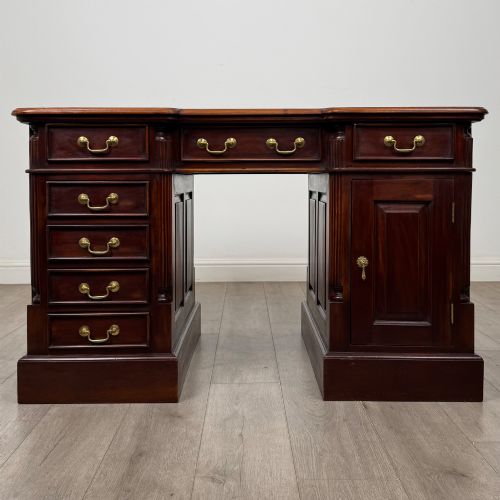
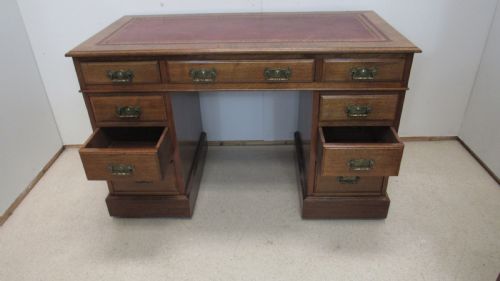
The versions most frequently found on this page are mahogany and oak pedestal desks dating from the nineteenth and early twentieth centuries. They offer deep drawers and substantial writing surfaces that easily accommodate modern office equipment.
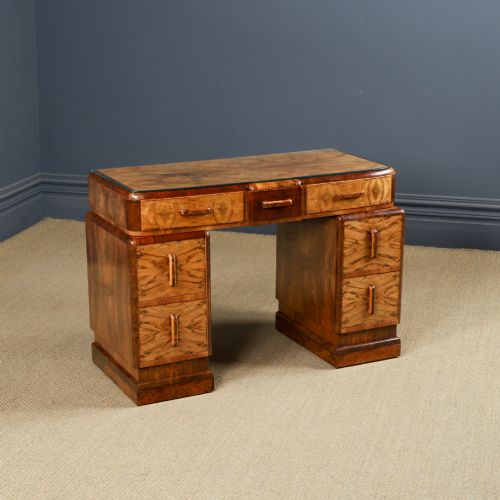
Makers from these earlier periods constructed desks from rich timbers including walnut, burr elm, pitch pine, and rosewood. Each piece reflects the functional design requirements of its original era, adapted by modern users for computer work.
How they were made
Cabinet makers utilised dense hardwoods such as mahogany, oak, and walnut, frequently selecting figured veneers like burr elm for visual depth. These timbers were joined using traditional methods to ensure stability across pedestals and writing surfaces.
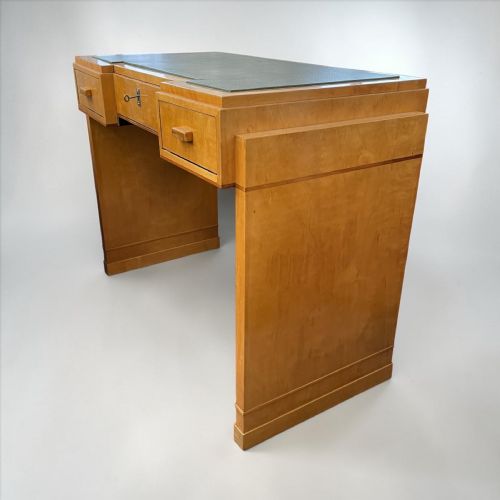
Many examples incorporate inset leather writing surfaces and turned brass handles or pulls. Glazed elements and carved details appear on specific Art Deco and revival pieces, showing the diverse techniques applied by period artisans.
Listings feature timbers including mahogany, oak, walnut, burr elm, pitch pine, and rosewood.
What varies in quality
The standard of a desk depends on the selection of timber and the precision of its construction, particularly in the dovetailing of drawers and the matching of wood grain. Superior examples display carefully figured veneers and solid secondary woods.
Proportion and scale distinguish finer pieces, where pedestals and writing heights balance harmoniously. The quality of original hardware, such as brass locks and handles, also indicates the tier of the original commission.
The Antique Wooden Computer Desk Glossary
- Pedestal desk
- A heavy freestanding desk comprising two supporting pedestals of drawers with a central writing section. This form provides substantial storage space beneath the work surface.
- Kneehole desk
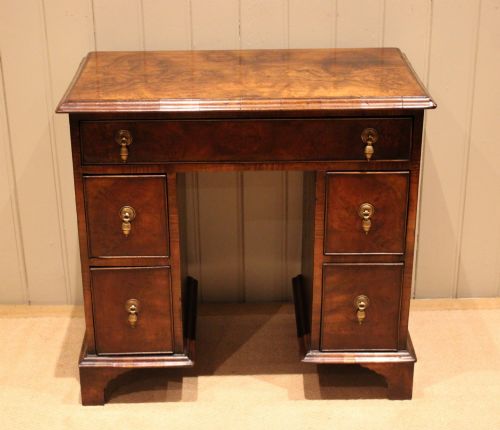
- A compact desk featuring a central recess for the user's legs, flanked by banks of drawers. It offers a neat footprint suitable for smaller studies.
- Burr elm
- A prized timber growth featuring swirling, irregular grain patterns. Cabinet makers utilised veneers of this wood to create decorative surfaces on drawer fronts and panels.
- Writing table
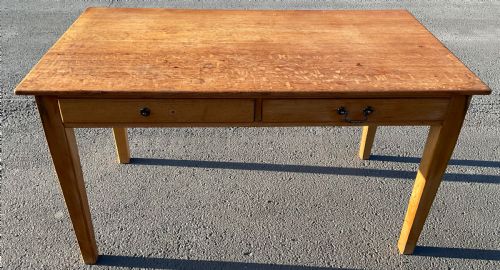
- A freestanding table designed primarily for correspondence rather than storage. These pieces often feature slender legs and shallow drawers.
- Serpentine front
- A furniture front characterised by a concave central section flanked by convex curves. This shape requires advanced woodworking skill to execute properly.
Antique Wooden Computer Desk: Frequently Asked Questions
Can I fit modern computer equipment on these desks?
Most pedestal desks and writing tables offer generous surface areas that easily accommodate screens, laptops, and keyboards while retaining their historic charm.
The substantial depth and width found in nineteenth and early twentieth-century designs provide a practical layout for modern technology.
How do I identify a Victorian desk?
Victorian desks are typically constructed from dense mahogany or oak, featuring robust proportions and traditional drawer construction. They often display deep pedestal configurations designed for heavy clerical use.
Details such as hand-cut dovetails and brass hardware help confirm the nineteenth-century origin of the piece.
What is the difference between a writing table and a pedestal desk?
A writing table stands on legs without banks of drawers underneath the top surface, creating an open and lighter appearance. A pedestal desk incorporates enclosed stacks of drawers on both sides to support the writing slab.
Pedestals offer significantly more enclosed storage capacity compared to open tables.
Are these desks suitable for daily office use?
These pieces were built using solid timbers and robust joinery intended to withstand decades of heavy daily administration. Their durable construction makes them exceptionally well-suited for contemporary work routines.
Using a period desk introduces traditional craftsmanship and tactile materials into a modern home office.