

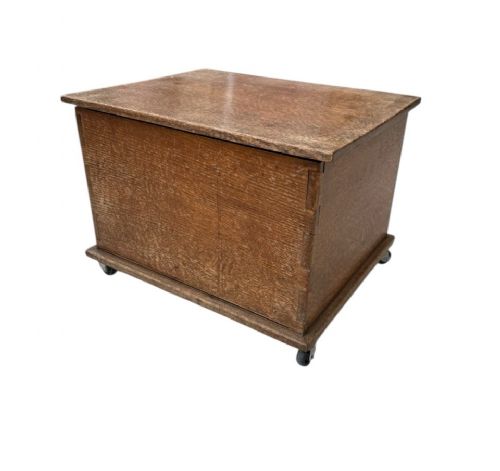


Antique Wooden Chest Castors
These antique wooden chest castors and related fittings secure mobility under heavy furniture, offering the practical strength demanded by period households.
Antique Wooden Chest Castors
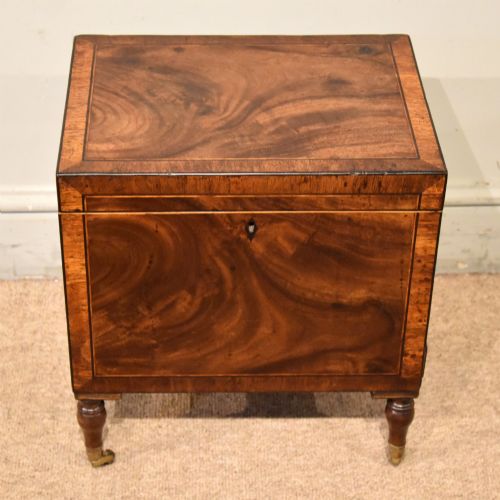
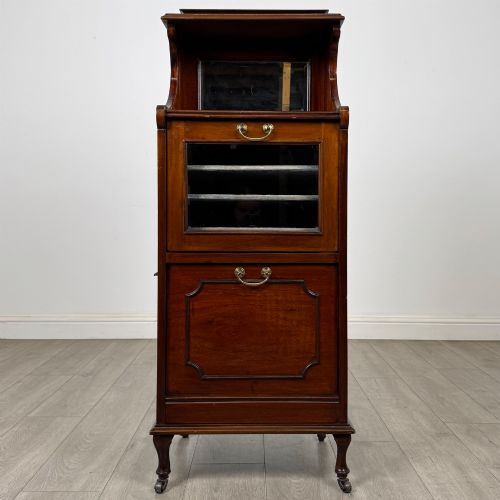
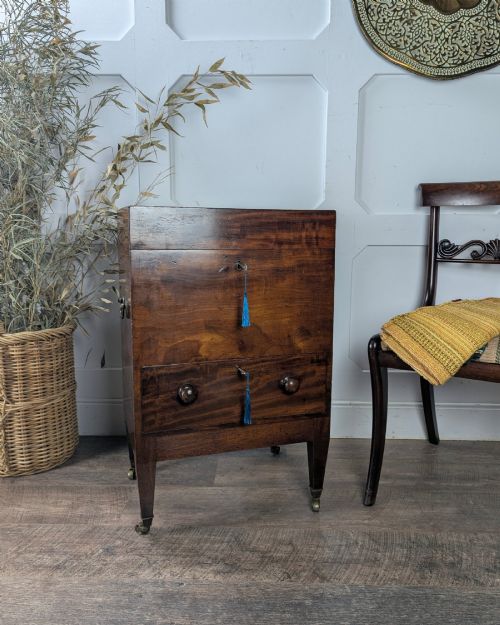
Antique wooden chest castors emerge alongside large case pieces, cellarettes, and storage trunks designed to move across heavy carpets and floorboards. Buyers searching this phrase encounter fittings and furniture pieces from Georgian, Victorian, and Edwardian periods.
Makers integrated these rolling elements into foundational frames, allowing hefty containers filled with bottles, documents, or linens to shift without damaging floor timbers.
Materials and construction methods
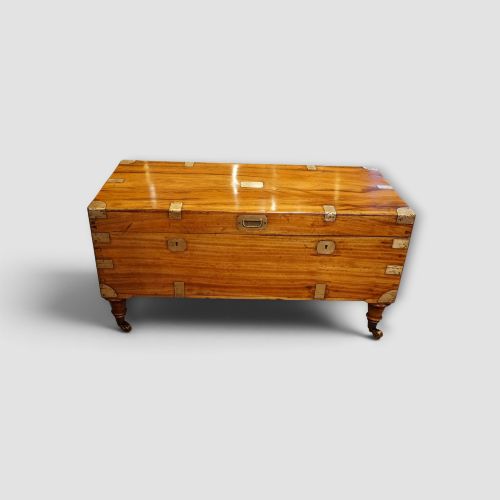
Makers relied on dense hardwoods such as mahogany and oak for the primary bodies, often incorporating brass mounts, boxwood inlay, and metal reinforcements to withstand heavy loads. Camphor wood provides aromatic and durable properties suited to military campaign storage.
Castors and fittings combine turned timber or sturdy metals with rolling wheels, secured firmly to the base framework of trunks and cellarettes. Joinery techniques reflect the cabinetmaker's hand, utilising sturdy joints capable of enduring repeated movement.
Antique Wooden Chest Castors Retail Price Guide 2026
Typical asking prices for wooden chest castors among the pieces listed under this phrase on Sellingantiques today, from the lower quarter to the upper quarter. They describe what is for sale here now, not the wider market.
Listings feature mahogany, oak, camphor wood, and pine across Georgian, Victorian, and Edwardian periods.
Factors separating standard examples from finer work
Quality rests upon the integrity of the timber selection and the precision of the joinery connecting the base structure to the rolling mechanism. Finer examples display meticulous boxwood inlay, well-fitted brass hardware, and harmonious proportions.
Wear indicates usage over centuries, but superior pieces retain structural firmness in their mountings and original hardware rather than clumsy later replacements.
The Antique Wooden Chest Castors Glossary
- Cellarette
- A lockable container designed for holding bottles of wine or spirits, frequently fitted with castors for floor mobility. These vessels often sit on low stands or feet.
- Camphor wood
- A fragrant timber utilised extensively in campaign furniture for its resistance to insects and damp conditions. It provides a distinct grain pattern.
- Georgian Revival
- A design movement that revived the proportions and decorative motifs of the eighteenth century during later decades. Pieces reflect earlier aesthetic ideals.
- Boxwood inlay
- A contrasting decorative technique using pale boxwood set into darker veneers or solid timber surfaces. It outlines drawers, panels, and borders.
Antique Wooden Chest Castors: Frequently Asked Questions
What are antique wooden chest castors?
These items comprise rolling hardware and the substantial wooden storage pieces they support, dating from the Georgian, Victorian, and Edwardian eras. They served to relocate heavy trunks, cellarettes, and cabinets safely.
Buyers find them integrated into various mahogany and camphor wood furnishings designed for domestic or military use.
How were these rolling chests used?
Households utilised these lidded boxes and cellarettes to store wine bottles, linens, and personal effects securely while enabling easy repositioning across rooms. The attached castors prevented heavy furniture from scratching timber floors.
Military officers and large estate owners relied on these mobile containers during travel and domestic service.
How do I care for antique wood and fittings?
Maintain stable indoor humidity levels to prevent timber from splitting or warping around metal mounts and castor sockets. Apply mild beeswax periodically to nourish the mahogany, oak, or camphor wood surfaces.
Avoid harsh chemical cleaners that strip the historic finish or corrode original brass and iron hardware.
How can I tell the period of a piece?
Examine the timber species, construction joinery, and decorative details such as boxwood inlay or brass hardware styles. Georgian and Victorian pieces exhibit distinct structural traits and finishing methods characteristic of their eras.
Comparing secondary woods and fastener types helps verify the chronological origin of the chest or cabinet.