

Antique Wooden Cherub
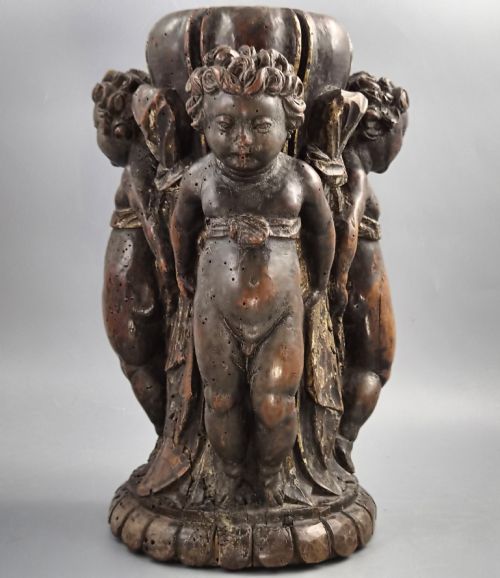
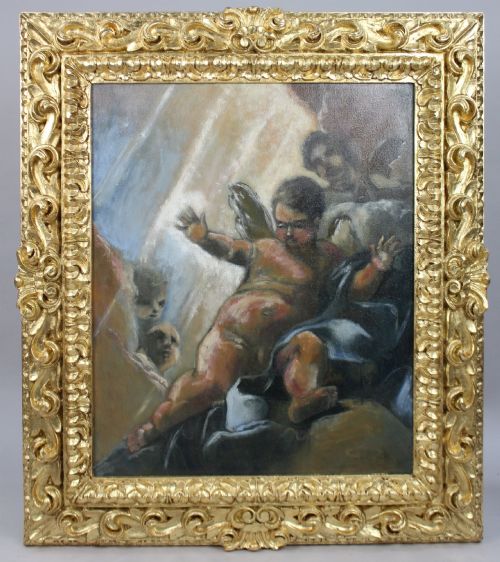
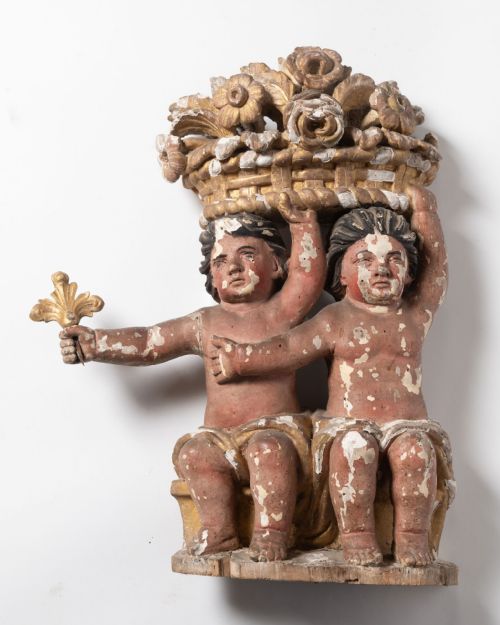
An antique wooden cherub brings continental Baroque movement and ecclesiastical warmth into a room through centuries of hand carving.
Antique Wooden Cherub
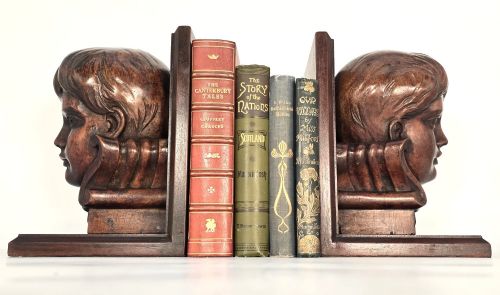
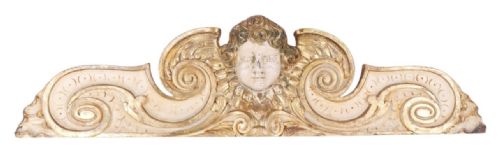
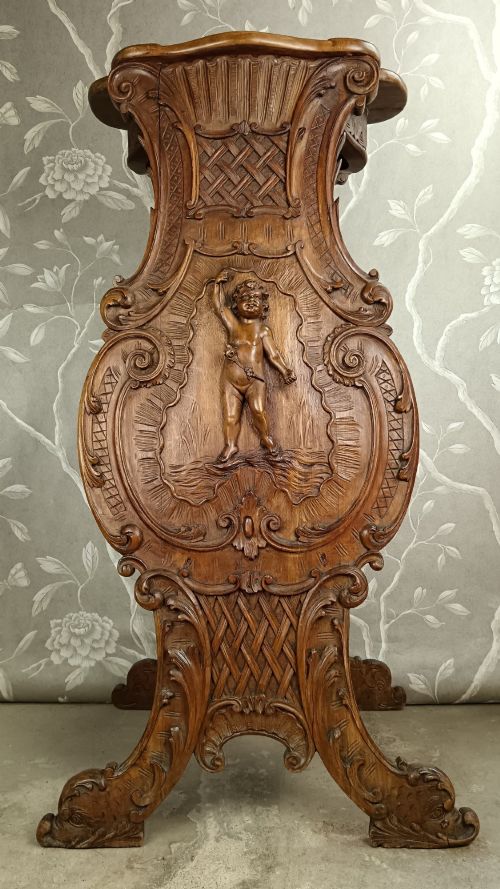
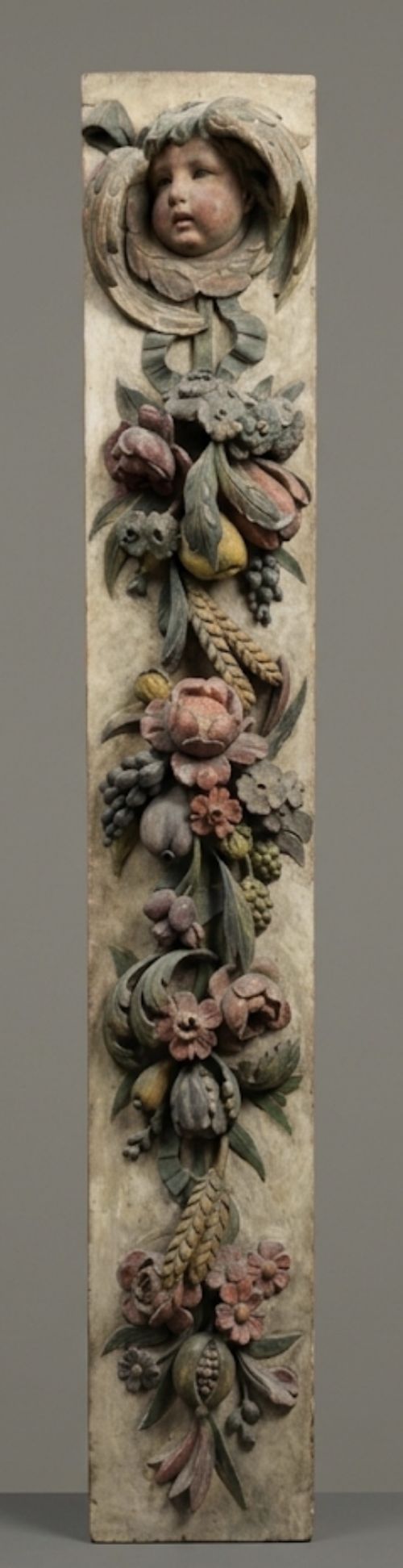
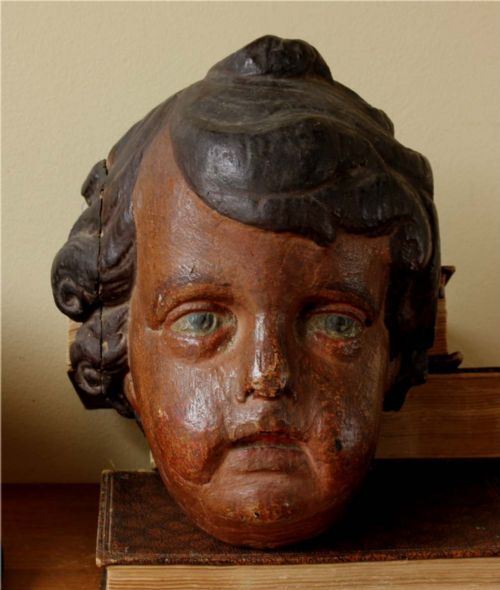
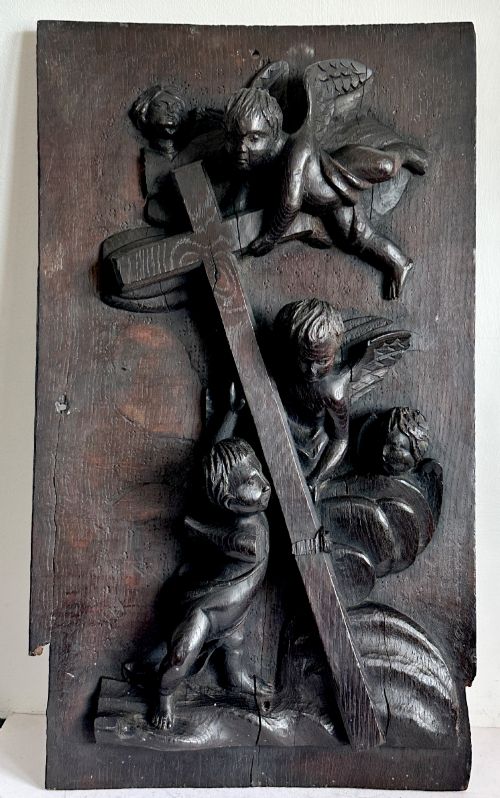
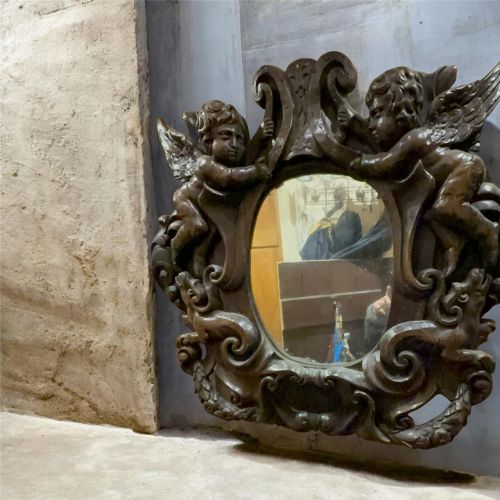
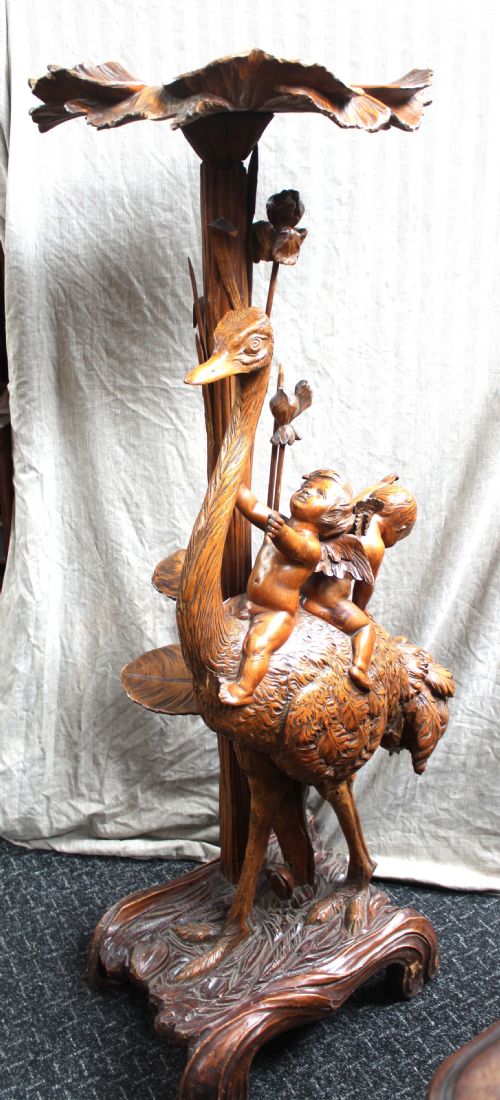
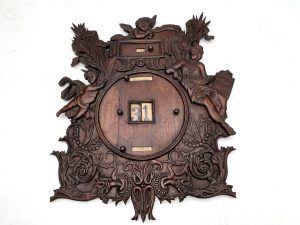
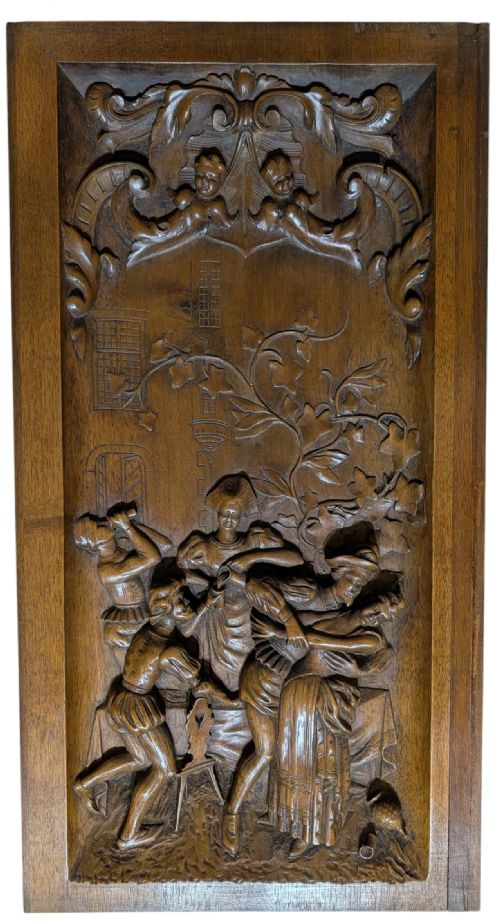
When you search for an antique wooden cherub, you are looking at winged celestial figures, putti and architectural fragments drawn from seventeenth, eighteenth and nineteenth century ecclesiastical and domestic interiors. The most common examples on this page take the form of wall brackets, isolated heads, overdoor panels and architectural salvage originating from Italy, France, Germany and Britain.
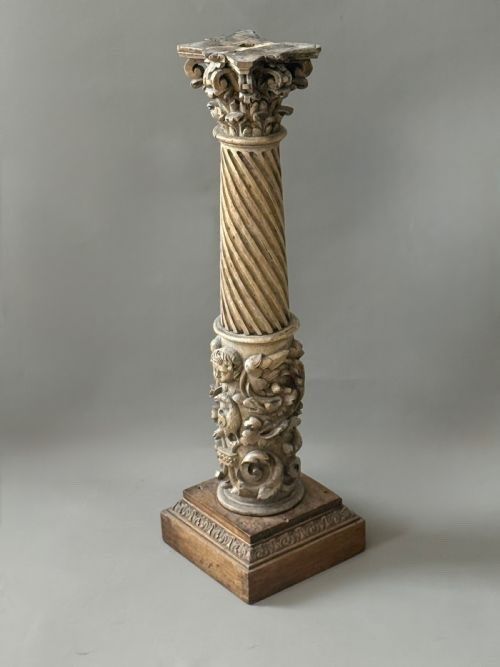
These carvings range from monumental Baroque pillar bases and torchiere supports down to modest painted wall sculptures and panel fragments. Baroque and Renaissance revival styles dominate the selection, reflecting nineteenth century enthusiasm for earlier continental craftsmanship.
Materials and methods
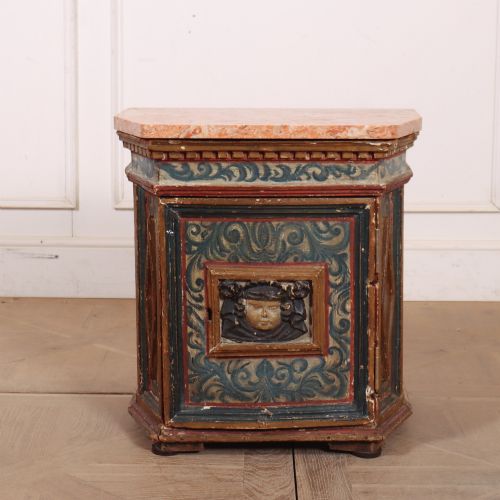
Carvers shaped these figures from timbers such as oak, walnut, lime wood, fruitwood and mahogany using traditional gouges and chisels. Continental workshops frequently applied gesso and gold leaf or polychrome paint directly onto the wood to create rich surface decoration.
Many pieces began life as structural components of altars, choir stalls, mirror frames and overdoors before being separated from their original settings. Surface finishes rely on historic layers of paint, gilding and patinated bare timber developed through long exposure.
Some winged cherubs spent centuries silently watching over church congregations before retiring to someone's hallway mirror.
Judging the carving
Quality rests entirely in the anatomical confidence of the carving, the depth of the relief and the life held within the facial expression. Master carvers captured musculature, hair and wing feathering with fluid precision, whereas provincial workshop pieces remain stiff and formulaic.
The survival of original polychrome paint or gold leaf significantly elevates a piece, as does the crispness of edge detail on acanthus scrolls and drapery. Later nineteenth century revival carvings display different tool signatures compared to authentic seventeenth and eighteenth century examples.
Edward Pearce
The Antique Wooden Cherub Glossary
- Putto
- A chubby male child figure depicted in classical art, often winged and closely related to the cherub in decorative carving. These motifs appear frequently in Italian and French Baroque furniture and architectural woodwork.
- Polychrome
- Painted in several colours, typically referring to historic paint layers applied over wood or gesso. This surface treatment gives figures lifelike flesh tones and coloured garments.
- Gesso
- A plaster mixture spread over wood as a smooth base for gilding or painting. Artisans applied gesso to build up high-relief details before laying gold leaf.
- Torchiere
- A tall stand or pedestal designed to support a light or candle, often carved with figures and putti. Seventeenth century Italian examples show complex sculptural bases.
- Architectural salvage
- Building elements removed from historic structures, including carved panels, brackets and overdoors. These pieces retain the scale and decorative ambition of their original interiors.
Antique Wooden Cherub: Frequently Asked Questions
What is an antique wooden cherub?
An antique wooden cherub is a hand-carved sculptural representation of a winged celestial child, typically originating from European churches, furniture or architectural woodwork.
Most examples date from the seventeenth to the nineteenth centuries and reflect Baroque or Renaissance revival aesthetics.
Where were these carvings placed?
Historic cherubs and putti originally formed parts of larger architectural schemes, including church altars, choir stalls, overdoors, mirror frames and wall brackets.
They served to elevate domestic and ecclesiastical interiors by introducing dynamic sculptural movement.
How do I date a wooden carving?
Dating relies on tool marks, wood species, style and the wear patterns visible on underlying gesso or timber. Seventeenth and eighteenth century pieces display hand-adzed backing and traditional joinery distinct from later nineteenth century revival work.
How should I display a cherub carving?
Wall-mounted brackets and panels work best secured directly to stable plaster or stud walls using appropriate hidden fixings. Freestanding figures and pedestals require stable placement away from direct heat sources to protect historic wood.