




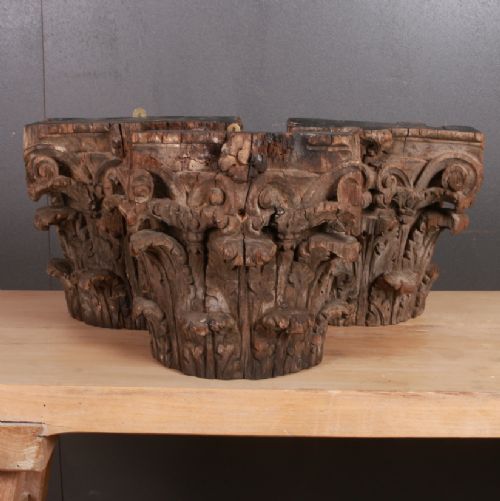
Antique Wooden Capitals
Antique wooden capitals are sculptural architectural elements that bring classical proportions and rich texture to an interior.
Antique Wooden Capitals
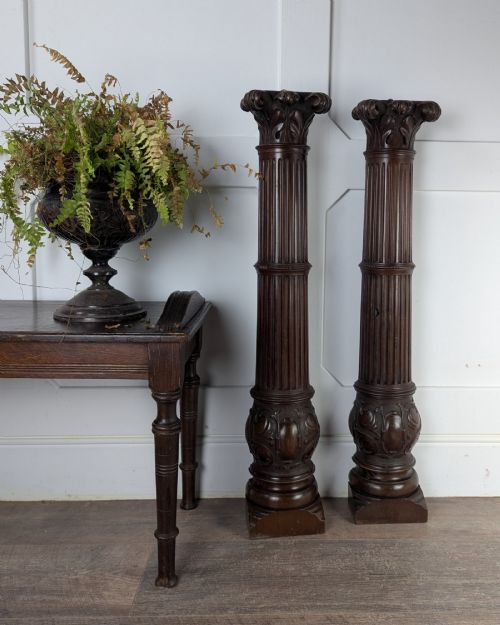
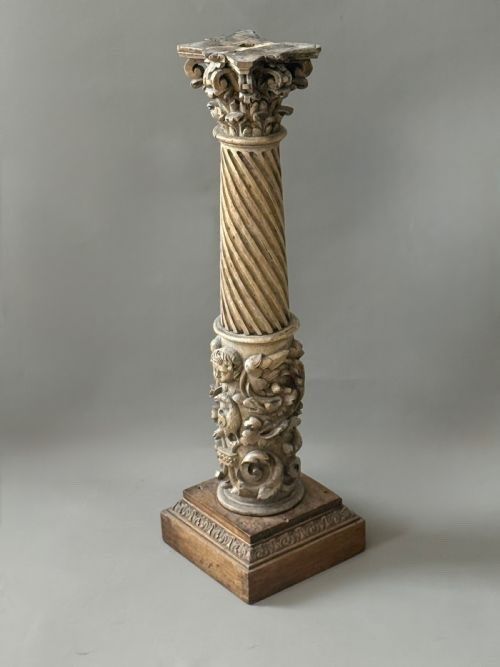
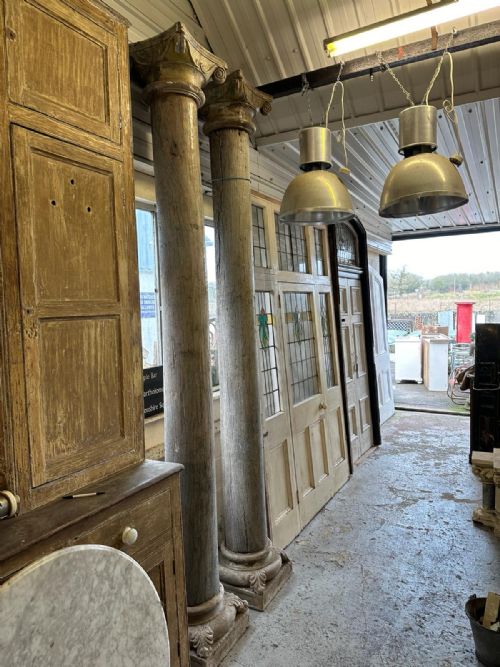
When you search for antique wooden capitals, you encounter architectural salvage and decorative fragments drawn from centuries of classical design. The selections available encompass everything from monumental Corinthian half columns to carved wooden pillars adapted as lamp bases.
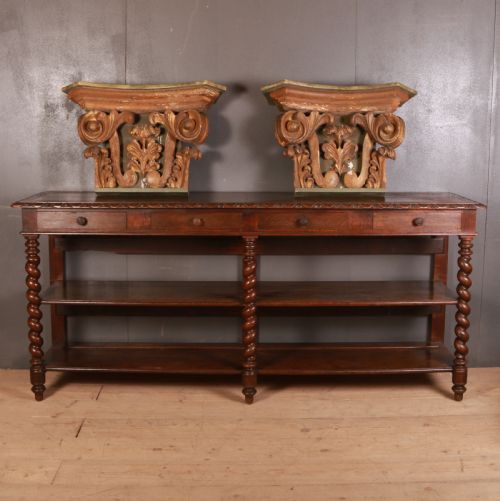
You are most likely to meet pieces originating from the seventeenth, eighteenth, and nineteenth centuries, reflecting styles such as Victorian, Neoclassical, and Continental Baroque. These items frequently appear as matched pairs or single decorative elements suited for wall mounting or display on pedestals.
The forms range from intricate Corinthian and Ionic capitals to spiral pillars and carved chestnut herms. Such pieces originate from diverse architectural contexts, bridging grand European joinery and domestic decorative arts.
Materials and construction
The construction relies on dense hardwoods including mahogany, oak, chestnut, and pine, chosen for their ability to hold crisp sculptural detail. Craftsmen shaped these timbers using traditional carving techniques, sometimes applying gesso or paint finishes to mimic richer materials like marble.
Surface treatments often include historic layers of paint or gilded gesso over carved timber. The joinery and chisel work demonstrate the hand of skilled carvers operating within established architectural orders.
Some seventeenth-century pillars have lived previous lives as structural supports before finding retirement as stately lamp bases.
Assessing quality and proportion
Quality rests upon the depth and precision of the carving, particularly in the acanthus leaves and volutes of Corinthian and Ionic examples. Finer pieces display crisp undercut work that creates deep shadows, whereas lesser examples rely on shallower, more mechanical relief.
The integrity of the timber and the preservation of original surface finishes, whether bare hardwood or historic paint, dictate the desirability of an architectural fragment. Proportion and balance in the classical detailing separate standard joinery from exceptional artistic output.
The Antique Wooden Capitals Glossary
- Capital
- The uppermost member of a column, serving as a decorative transition between the vertical shaft and the load. It is often carved with acanthus leaves or volutes.
- Corinthian
- A classical order of architecture distinguished by slender columns and ornate capitals decorated with acanthus leaves. This style originated in ancient Greece and was widely revived in later centuries.
- Ionic
- A classical architectural order recognisable by the twin scroll-like volutes on its capital. These capitals provide a lighter, more decorative appearance than the earlier Doric order.
- Architectural salvage
- Building elements rescued from structures slated for demolition or alteration. These fragments are repurposed for interior decoration and display.
- Herm
- A sculpted bust or head atop a square pillar or tapering column. This form derives from ancient boundary markers.
Antique Wooden Capitals: Frequently Asked Questions
How were wooden capitals used originally?
These elements served as the crowning support structures on load-bearing columns and pilasters within grand buildings. They distributed weight while adding classical ornamentation to doorways, mantlepieces, and interior facades.
Over time, many of these architectural components were salvaged and repurposed as standalone decorative objects, wall brackets, or lamp bases for domestic interiors.
How do I date an antique capital?
Dating relies on identifying the underlying timber species, tool marks left by the carver, and the prevailing stylistic revival period. Eighteenth-century pieces often exhibit deep, hand-chiselled relief in native hardwoods, while later Victorian versions may show machine assistance.
Comparing the proportion and leaf-carving motifs against known architectural pattern books helps narrow down the century of manufacture.
Are pairs common for these pieces?
Many capitals and columns survive as matched pairs because they originated from symmetrical architectural installations flanking doorways or windows. Pairs are particularly sought after for balanced interior display on mantelpieces or custom pedestals.
Single examples also appear frequently, often functioning as wall brackets or sculptural objects in their own right.
How should I clean a carved wooden capital?
Maintenance requires gentle dusting with a soft, dry brush to prevent dirt accumulation within the deep crevices of the carving. Avoid using harsh chemical cleaners or excess water, which can strip historic patinas or damage aged gesso and paint.
Wax polish may be applied sparingly to exposed hardwoods, provided the surface finish is stable and non-porous.