



Antique Corinthian Capitals
Antique corinthian capitals are classical architectural elements and adapted decorative objects that bring sculptural weight and formal symmetry to interior spaces.
Antique Corinthian Capitals
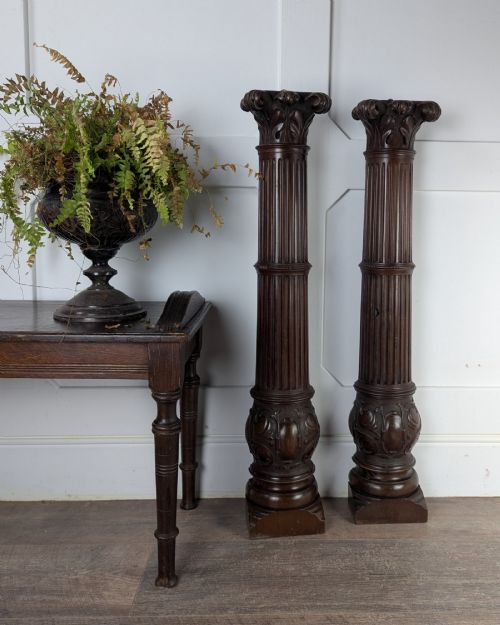
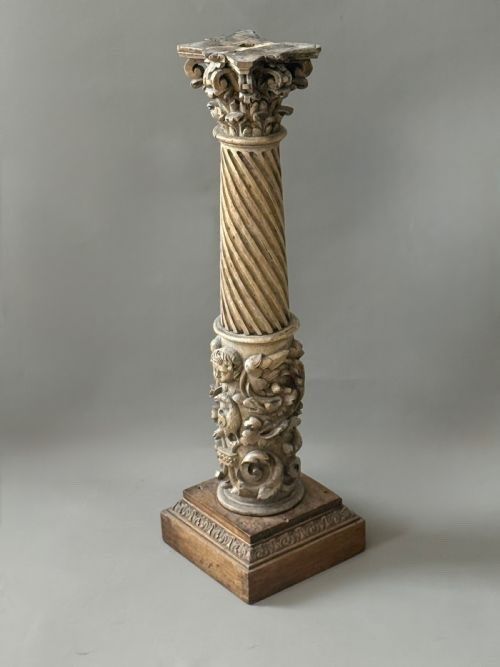
When you search for antique corinthian capitals, you encounter two distinct forms: architectural elements salvaged from buildings and decorative lighting fixtures built to mimic the classical column order. The architectural versions include carved stone, limestone, and carved wood capitals originating from the seventeenth, eighteenth, and nineteenth centuries.
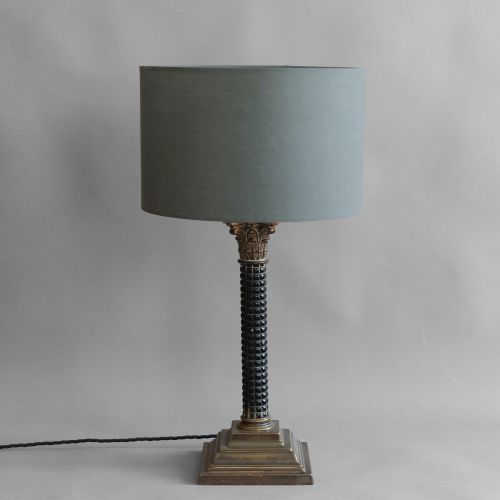
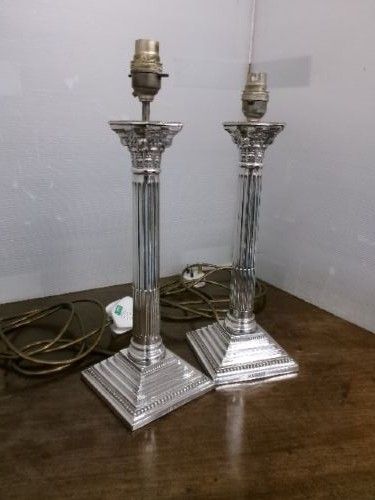
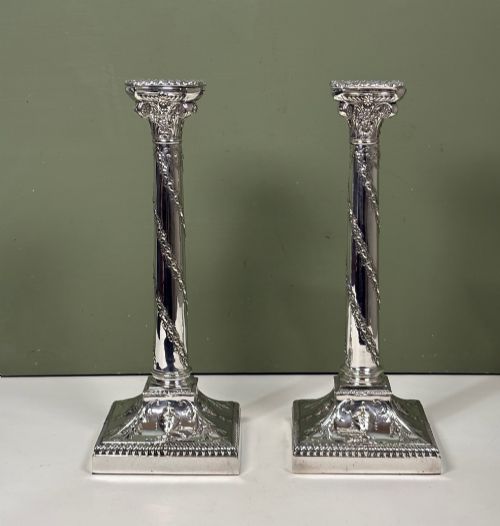
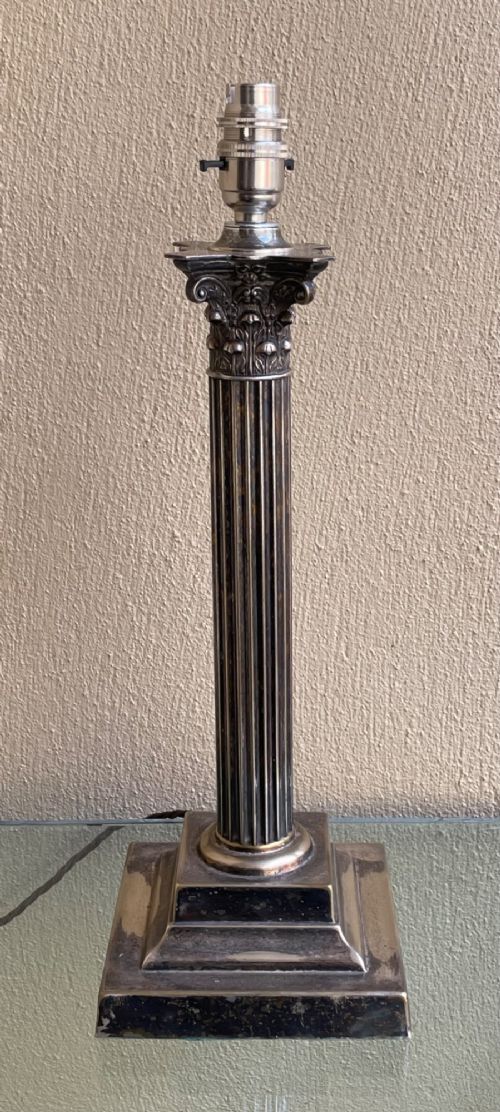
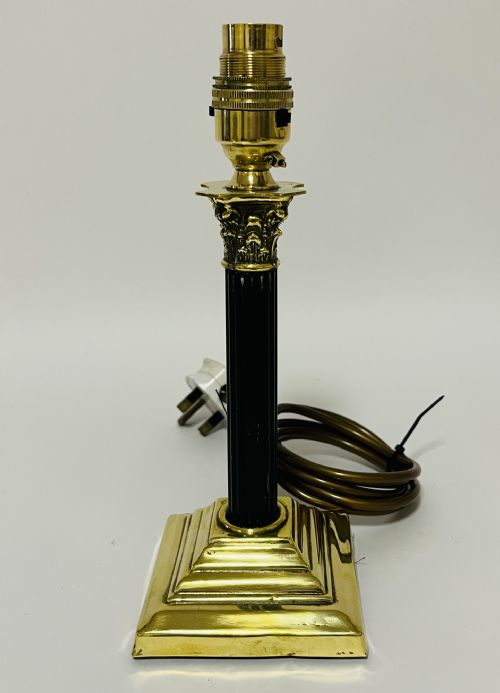
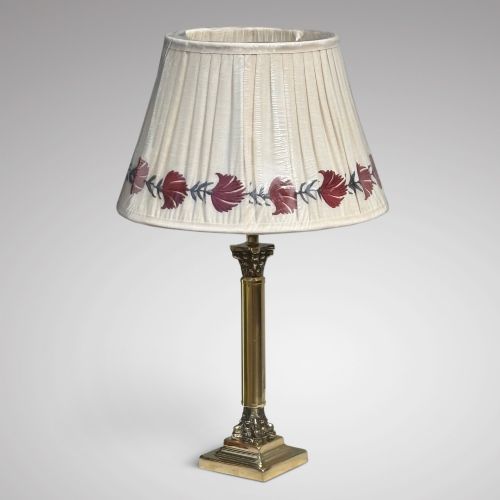
Lighting adaptations dominate the selection, appearing most frequently as silver-plated, brass, and ormolu-mounted table lamps and candlesticks. These lamp bases and standard lamps translate monumental classical proportions into domestic objects, often pairing metal shafts with cut glass reservoirs or onyx columns.
How they were made
Metal versions rely on silver plating, electroplating, or cast brass over solid cores, with intricate acanthus leaf details formed through precision casting. Stone and wooden examples demonstrate manual chisel work, utilising carved mahogany, limestone, and carved wood to achieve the complex volutes characteristic of the style.
Makers integrated various supporting materials, incorporating cut glass, onyx, gesso, and fabric shades to transform structural forms into functional household lighting during the Victorian and Edwardian periods.
Several columns double as monumental seventeenth-century pillars, proving that architectural grandeur fits comfortably beside the evening armchair.
What varies in quality
The standard of carving or casting defines the upper tier of these pieces, distinguishing sharp, deep relief in the acanthus foliage and volutes from soft or worn surface details. Proportion and scale also dictate quality, particularly in how faithfully the capital adheres to classical Neoclassical or Continental Baroque proportions.
The integrity of the materials creates further separation, such as the depth of silver plating on brass versus thin surface finishes, or the structural soundness of carved wood and natural stone compared to composite replacements.
The Antique Corinthian Capitals Glossary
- Acanthus
- A sculptural ornamentation modelled on the leaves of the Mediterranean plant, heavily utilised in the decoration of Corinthian capitals. This foliage forms the layered tiers rising from the base of the capital.
- Volute
- A spiral, scroll-like ornament that forms the characteristic corner feature of a Corinthian capital. These scrolls sit just beneath the abacus at the top of the column.
- Ormolu
- Gilded bronze or brass applied to decorative objects and furniture mountings. The technique involves coating base metal with a mercury and gold amalgam.
- Neoclassical
- A Western cultural movement drawing inspiration from the classical art and architecture of ancient Greece and Rome. This style heavily influences the nineteenth-century revival pieces found in domestic lighting.
Antique Corinthian Capitals: Frequently Asked Questions
What is a corinthian capital?
A Corinthian capital is the ornate, uppermost part of a classical column decorated with carved acanthus leaves and scroll-like corners. It represents the most decorative of the ancient architectural orders.
In antiques, these capitals appear either as architectural salvage fragments or as the decorative inspiration for table lamps and candlesticks.
How do I use a capital as a lamp?
Many antique Corinthian capitals and columns are manufactured or converted into table lamps and standard lamps. They function as upright vertical supports that anchor the height of the lighting fixture.
Wiring is typically threaded through the central shaft, allowing the classical capital to sit directly beneath the lamp holder and shade.
What periods do these pieces date from?
The available selection spans from the seventeenth century through the Victorian, Edwardian, and early twentieth-century periods. Architectural stone and wood fragments often date earlier, while silver-plated and brass lamp conversions cluster around the nineteenth and early twentieth centuries.
Revival styles such as Neoclassical and Continental Baroque heavily inform the design across all these eras.
What materials are commonly found?
Materials range widely across structural and decorative mediums, including cast brass, silver plate, ormolu, and electroplate. Stone versions utilise carved limestone and masonry, while other pieces feature carved mahogany, onyx, gesso, and cut glass reservoirs.
Fabric frequently appears in the corresponding lamp shades paired with these metal and wooden column bases.