
Antique Wooden Bookshelves
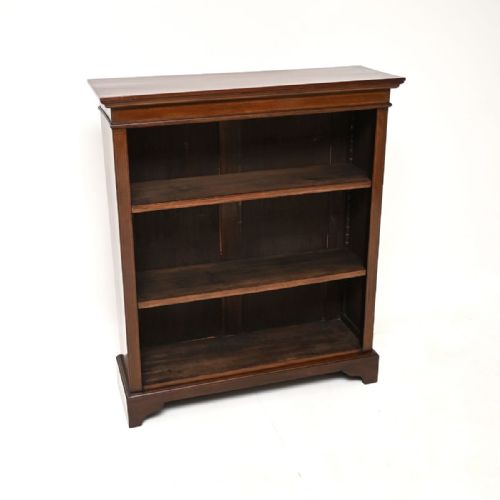
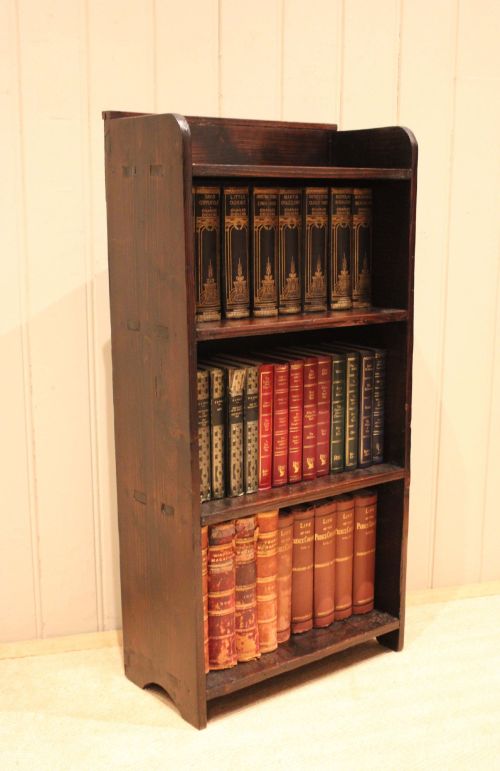
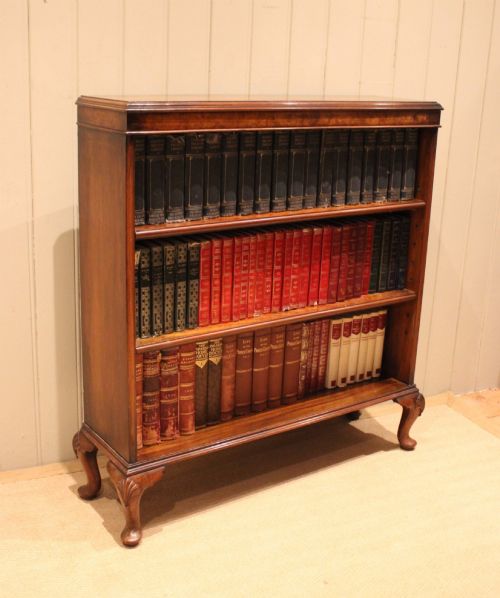
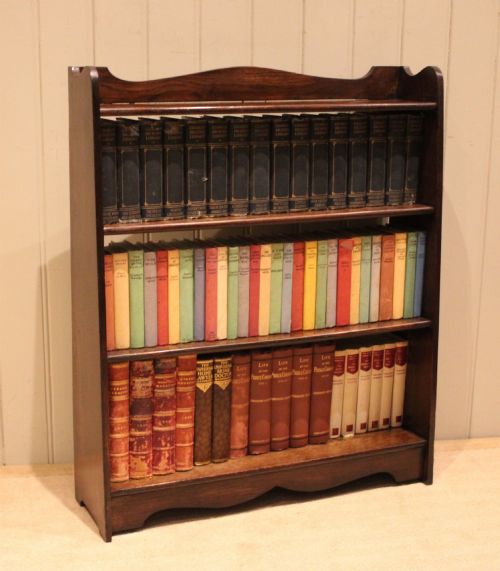
Antique wooden bookshelves offer practical storage and rich character, built from fine timbers like mahogany and walnut to house a growing library.
Identifying antique wooden bookshelves
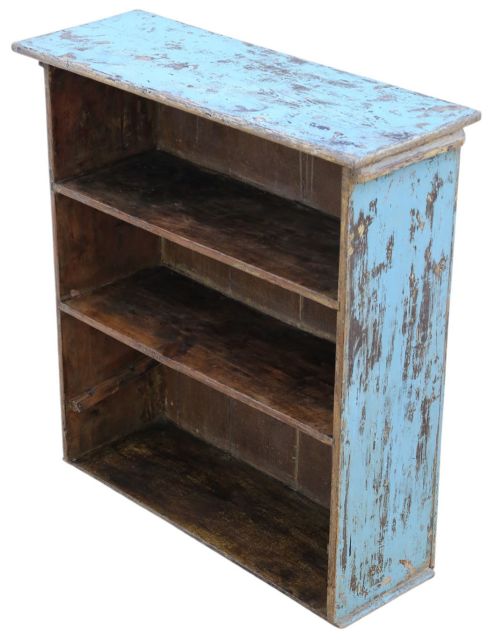
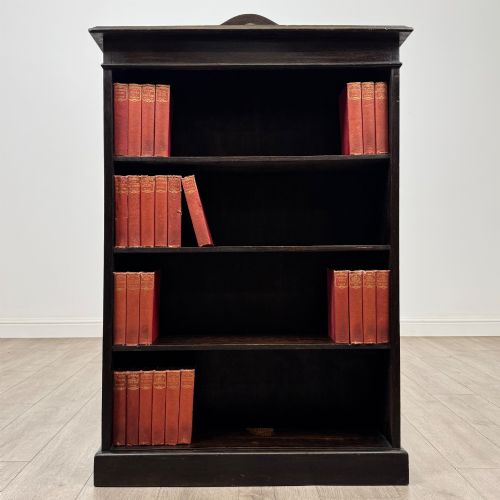
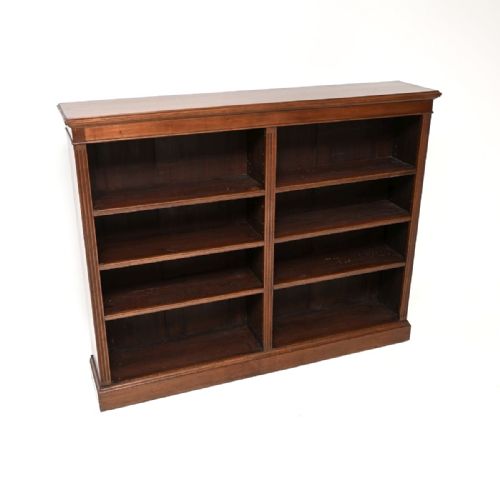
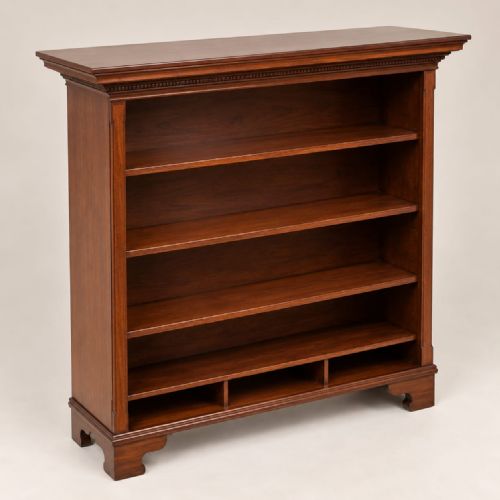
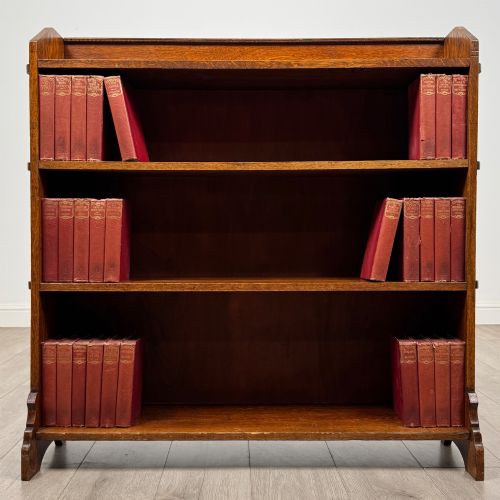
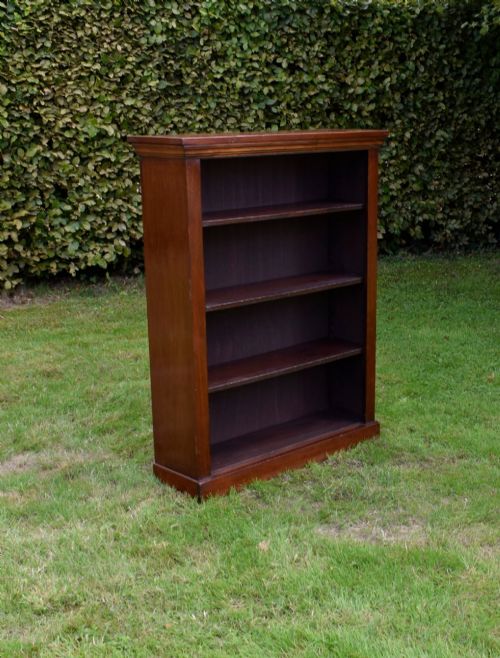
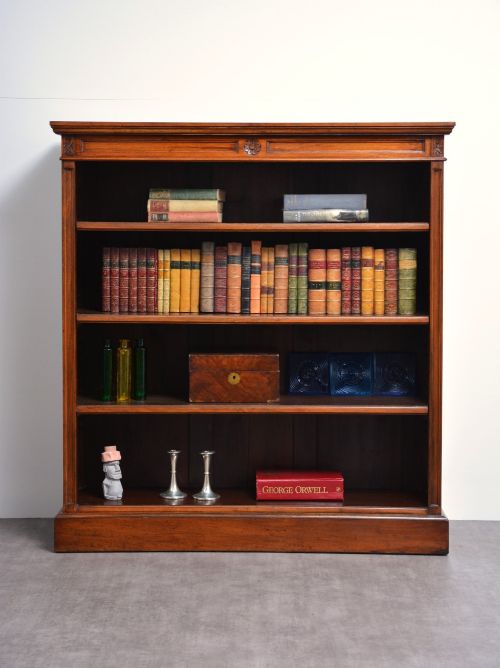
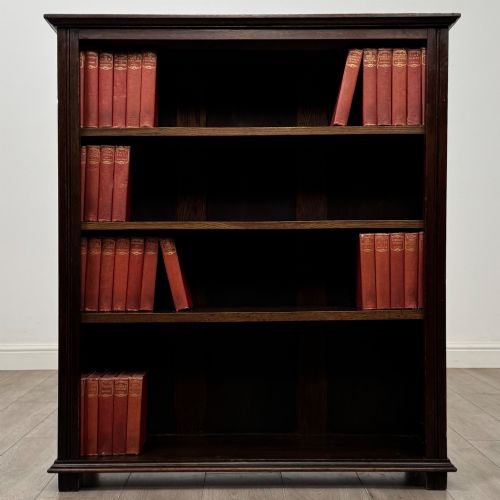
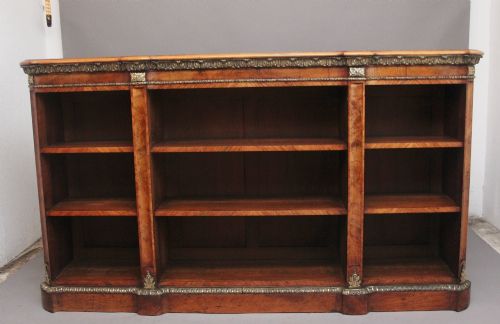
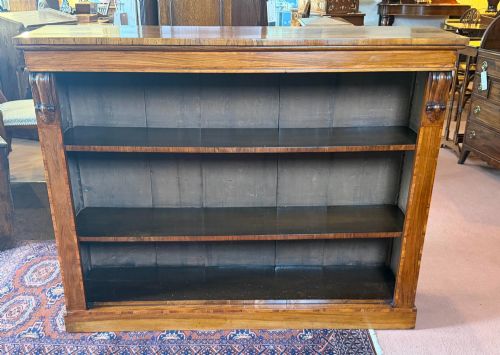
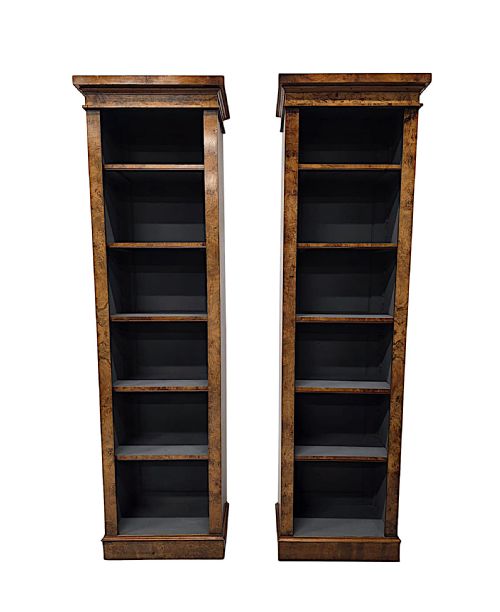
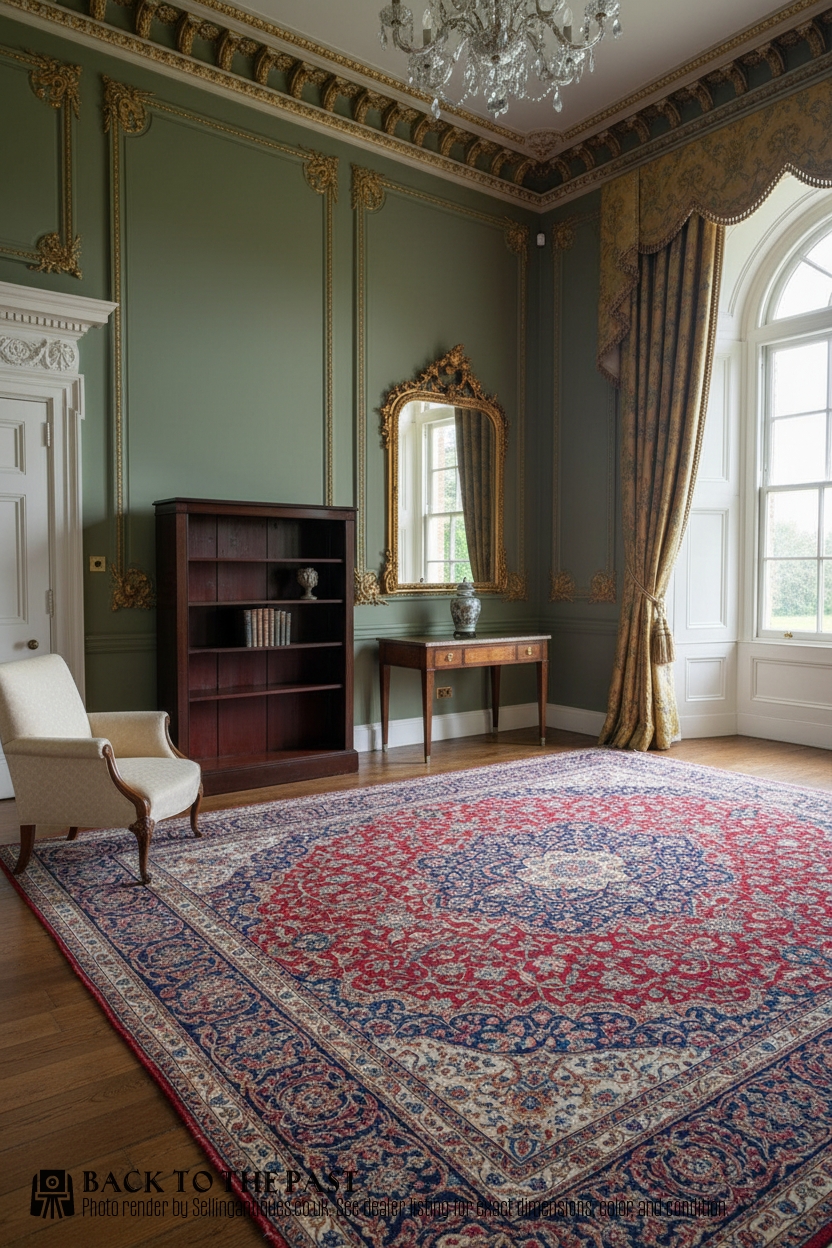
These pieces encompass open bookcases and adjustable shelving units designed to hold volumes while adding warmth to a room. When buyers search for antique wooden bookshelves, they typically encounter Victorian and Edwardian examples fashioned from rich timbers. Most items on this page adhere to English country and period styles, ranging from simple open-front formats to more elaborate designs.
Materials and construction
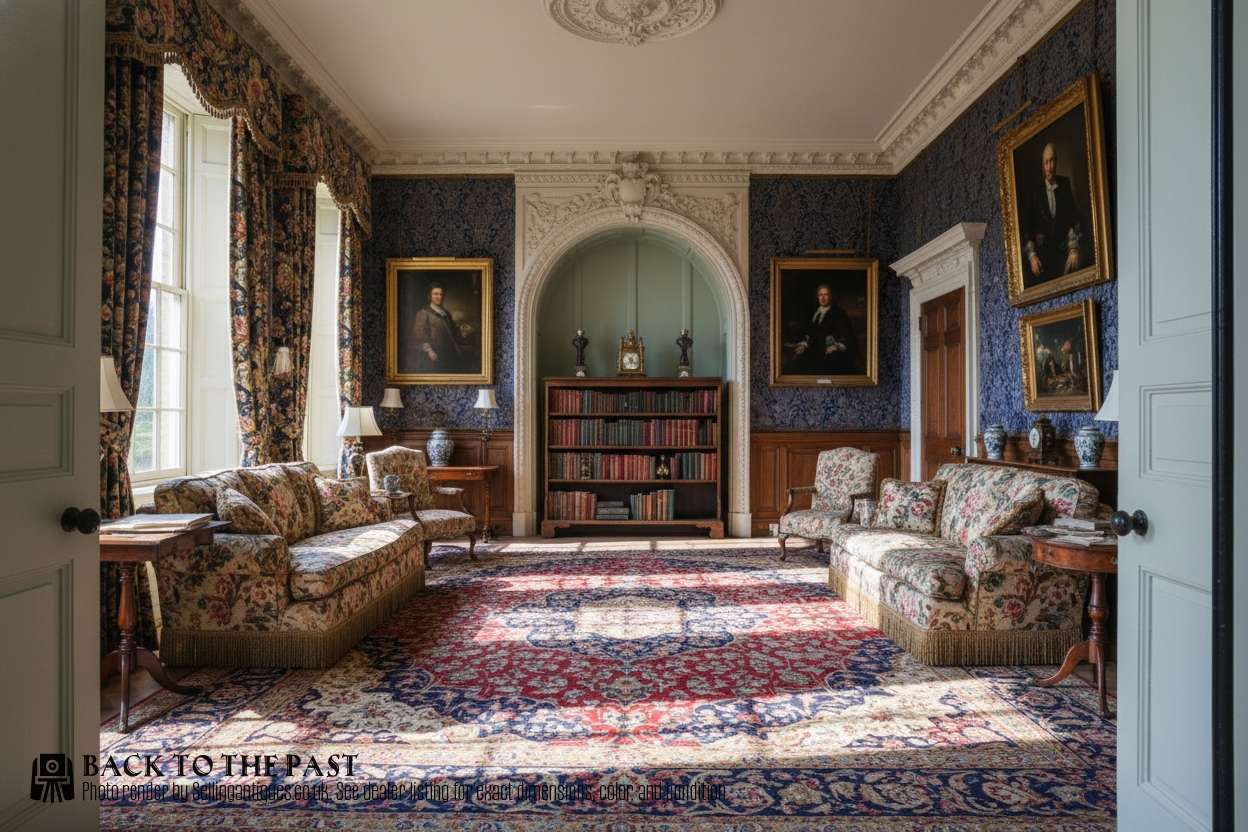
Makers utilised dense hardwoods such as mahogany, walnut, burr walnut, and elm to build sturdy frames capable of supporting heavy rows of books. Surfaces often highlight the natural grain of the timber, sometimes enhanced through carving or simple polished finishes.
Detailing on these pieces incorporates decorative elements like brass, gilt bronze, and ormolu mounts. Certain examples include glass elements or mirror backs, reflecting light and adding depth to the cabinet work.
Retail Price Guide 2026
Typical UK retail prices for wooden bookshelves, calculated from the Sellingantiques database of over a million retail prices indexed since 2003. This retail price guide relies exclusively on Sellingantiques data; no external sources or auction records are used, so the figures do not describe the wider market.
Listings feature timbers including mahogany, burr walnut, walnut, and elm across the nineteenth and early twentieth centuries.
Assessing quality
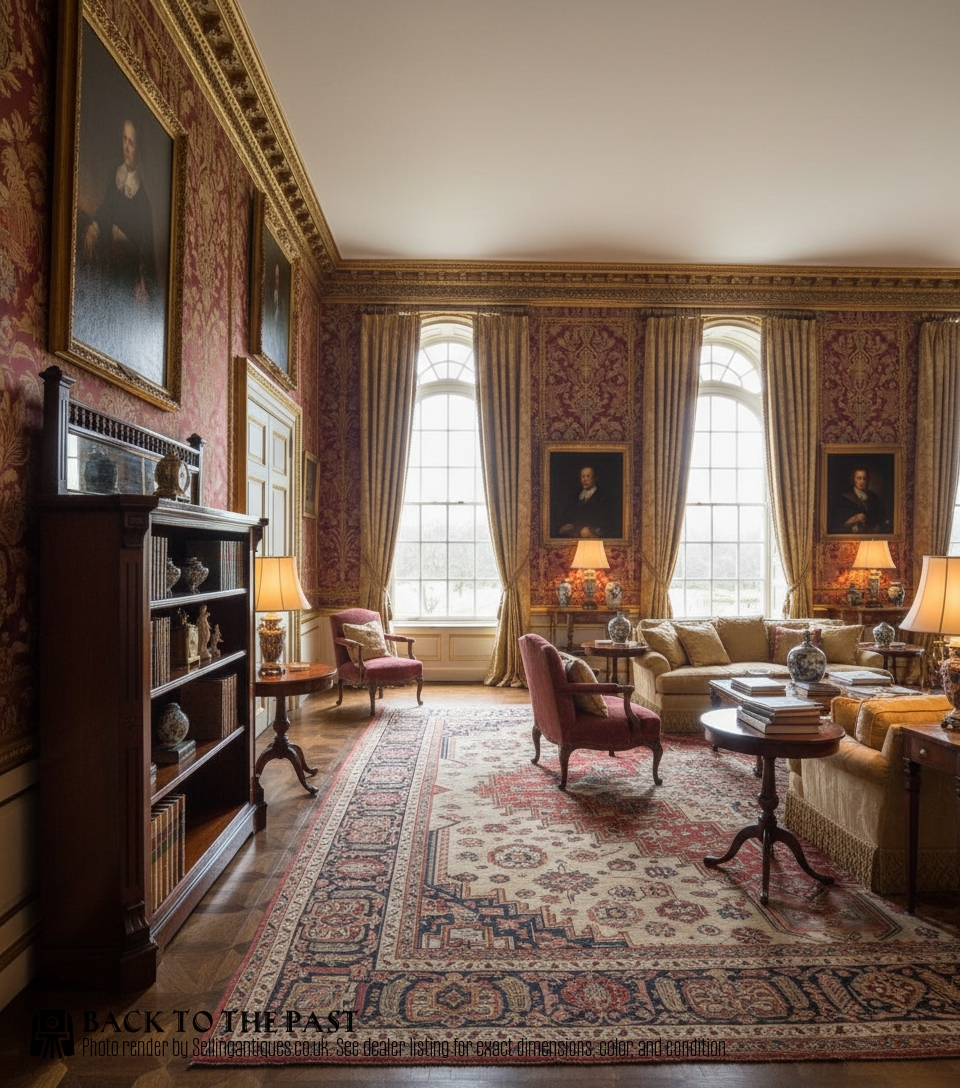
The distinction between standard storage and superior cabinet work rests on timber selection and decorative restraint. Pieces utilising burr walnut or finely carved elm display a higher grade of craftsmanship than plain utility shelving.
Johnstone and Jeanes·Lamb of Manchester
The Antique Wooden Bookshelves Glossary
- Open bookcase
- A bookcase without doors, allowing direct access to the shelves. This form became particularly popular in the nineteenth century for domestic libraries.
- Ormolu
- Gilt bronze ornamentation applied to furniture mounts and details. It provides a bright metallic contrast against dark timbers like walnut.
- Burr walnut
- Timber taken from the wart or growth on a walnut tree, showing intricate swirling grain patterns. It was favoured for high-status cabinet work.
- Adjustable shelves
- Shelving supported by racks or pins that allow the height between tiers to be altered. This mechanical convenience is typical of better quality nineteenth-century pieces.
Frequently Asked Questions
How do I adjust the shelves?
Most period bookcases use wooden ratchets, metal pins, or sliding brackets to support movable tiers. You simply lift the shelf and reposition the supports into the desired slots.
Take care when moving heavy timber shelves to avoid damaging the interior veneer or side panels during adjustment.
Are these suitable for heavy books?
Period shelving built from solid mahogany, walnut, or elm possesses the structural strength required to hold large volumes. Solid timber construction prevents bowing under normal library weight.
However, it remains wise to check the thickness of the boards and the condition of the shelf supports before loading them fully.
How do I date a piece?
Dating relies on timber choices, construction methods, and stylistic cues such as Victorian proportions or Edwardian decorative details. Maker stamps or labels also provide precise chronological markers.
Comparing the backboards, fixings, and secondary woods helps confirm whether a piece belongs to the nineteenth century or later.
Where should I place an open bookcase?
These items suit studies, living rooms, and libraries where direct access to books is preferred over glass-fronted cabinets. Positioning them away from direct sunlight protects the timber and bindings from fading.
Ensure the floor is level so the upright frame remains square and the adjustable shelves rest evenly.