



Antique Wooden Bench Sofa
An antique wooden bench sofa combines the utility of a seat with the presence of period joinery.

Antique Wooden Bench Sofa
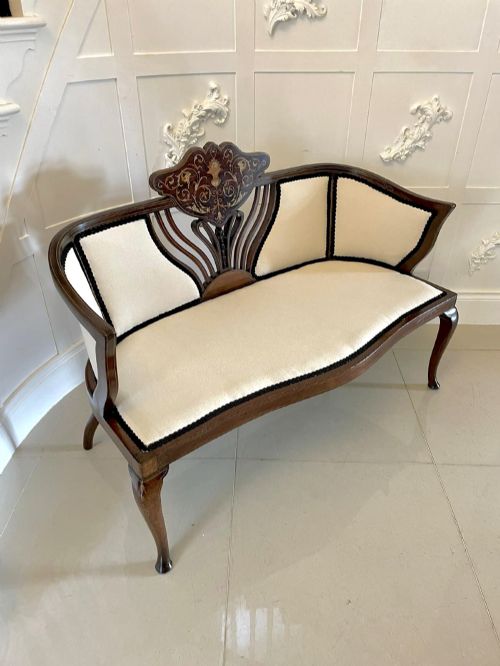
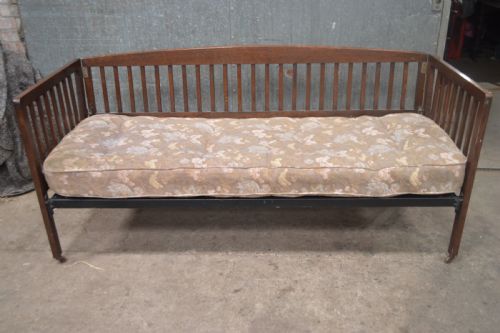
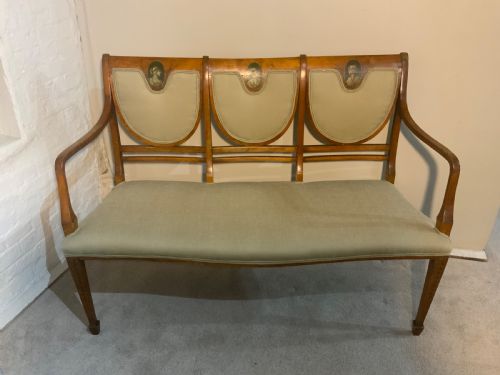
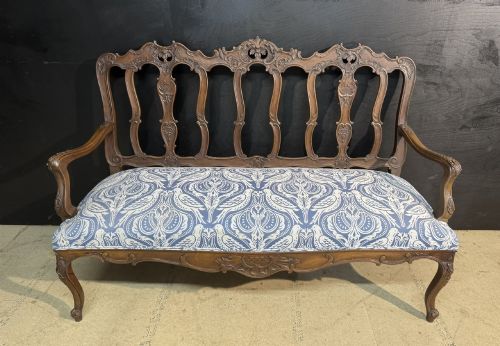
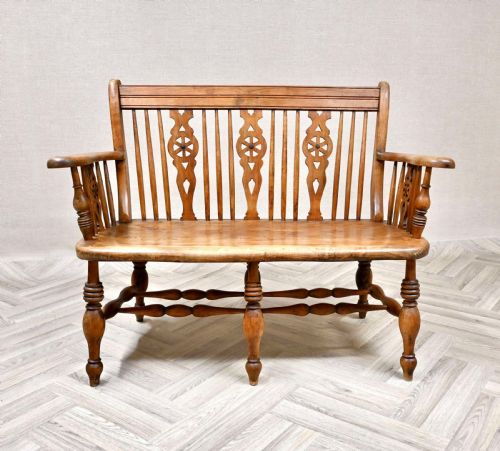
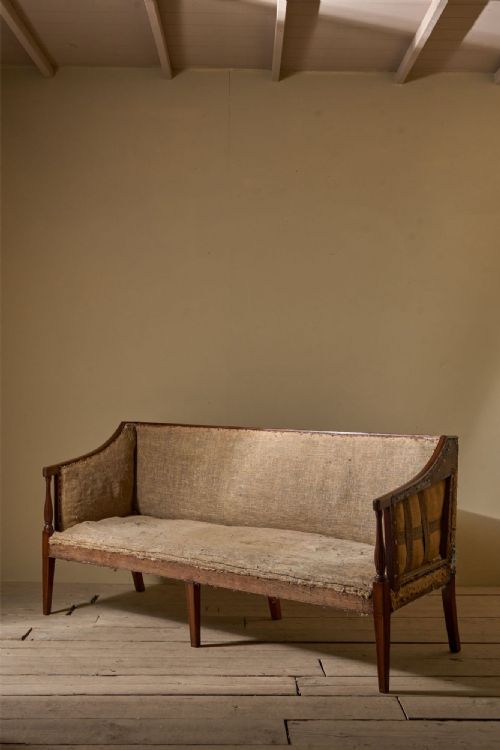
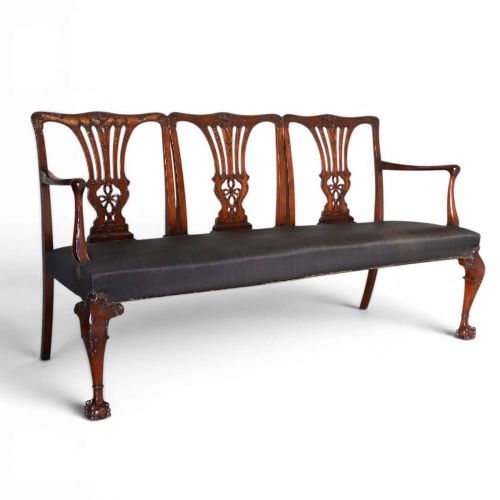
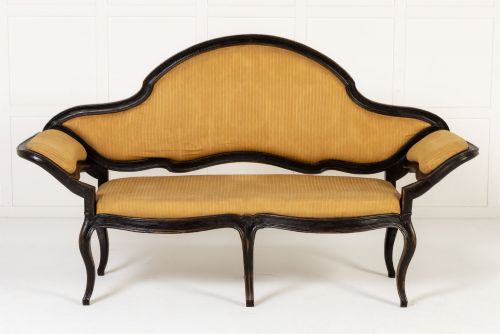
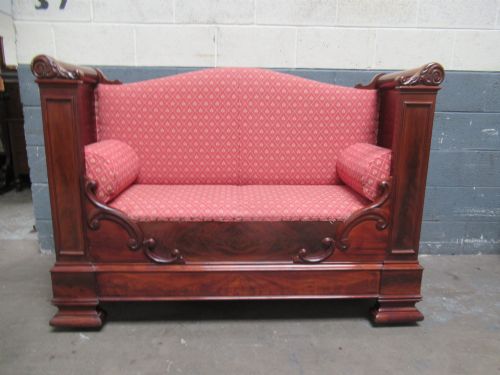
An antique wooden bench sofa brings together forms described across periods from the eighteenth century to the early twentieth century, taking the shape of settees, settle benches, and day beds. These seating pieces serve domestic interiors with wooden frames constructed in formats ranging from Georgian mahogany to Edwardian mahogany and oak.
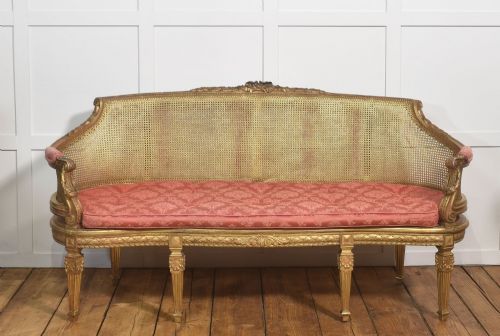
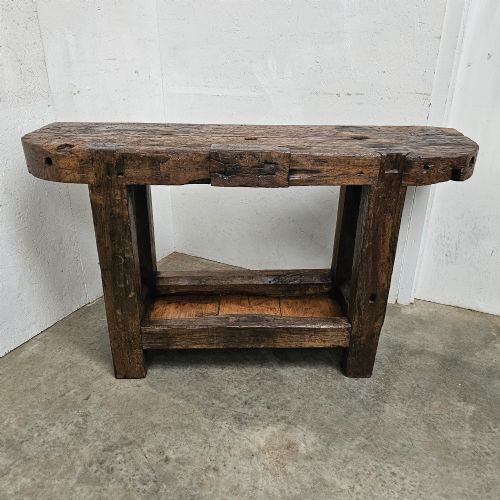
The varieties met on this page include chair-back settees, caned bergere designs, painted satinwood frames, and rustic elm benches. Such seating reflects both formal reception rooms and vernacular domestic spaces across English, French, Italian, Swedish, and Asian traditions.
Makers and workshops construct these frames using primary timbers alongside secondary woods, employing styles that span Regency, Rococo Revival, Louis XVI design, and Arts and Crafts principles. Each piece operates as a functional seat carrying the decorative vocabulary of its specific decade and region.
What varies in quality
The standard of a piece rests upon the precision of the joinery and the depth of hand-carved ornamentation on the wooden frame. Examples displaying refined inlay work, sophisticated proportions, and intact original surface finishes stand apart from simpler or heavily altered items.
The integrity of integrated materials such as hand-woven cane panels or period upholstery foundations dictates the preservation state. Pieces retaining their structural timber without excessive replacement parts represent the higher tier of surviving examples.
Listings feature woods like mahogany, walnut, satinwood, and elm across nineteenth and early twentieth-century periods.
Thonet
The Antique Wooden Bench Sofa Glossary
- Settee
- A long wooden or upholstered seat with a back and arms designed for multiple occupants. It appears frequently in eighteenth and nineteenth-century domestic interiors.
- Settle
- A wooden bench featuring a high back to block drafts and solid arms. These pieces often incorporate box storage beneath the seat.
- Bergere
- An enclosed upholstered French armchair or sofa with wooden frames and panelled cane work. The sides are typically filled with woven cane.
- Canape
- An ornamental French sofa featuring an exposed wooden frame and an upholstered seat and back. They often display stylistic elements from Louis periods.
- Canework
- A seating material woven from rattan or peeled cane strips. It provides lightweight flexibility within wooden frames.
- Inlay
- A decorative technique where contrasting woods or brass are inserted into recesses cut into the primary timber surface. This creates flat ornamental patterns.
Antique Wooden Bench Sofa: Frequently Asked Questions
What is an antique wooden bench sofa?
An antique wooden bench sofa is a historic seating furniture piece combining a rigid timber frame with bench seating, settee proportions, or day bed formats. These items originate from periods spanning the eighteenth through the early twentieth centuries.
They encompass diverse stylistic influences including Georgian joinery, French Louis designs, and Arts and Crafts movement pieces. Each item utilises exposed wood alongside materials like cane or fabric.
Where were these benches used?
These seating forms served multiple domestic spaces depending on their construction and ornamentation. Grand drawing rooms and parlours accommodated carved mahogany and satinwood settees.
Simpler settles and elm benches stood in hallways, kitchens, or country house interiors for daily utility. Day beds and window seats provided lounging options in private chambers.
How do I identify the period?
Period identification relies upon examining the structural timber, carving style, and construction methods relative to recorded design eras. Eighteenth-century pieces often display walnut or early mahogany with proportions distinct from Victorian walnut or Edwardian inlaid work.
Stylistic markers like cabriole legs, fluted supports, or specific revival motifs offer chronological clues. Comparing the joinery to documented historical examples confirms the era.
How do I care for wooden seating?
Preserving antique wooden frames requires maintaining stable indoor humidity levels to prevent timber splitting or shrinkage. Keep pieces away from direct heat sources and strong sunlight that can fade painted or polished surfaces.
Dust wooden elements gently with a dry cloth and protect cane or fabric sections from excessive moisture. Avoid harsh chemical cleaners on historic finishes.