



Antique Wooden Basin
An antique wooden basin brings tactile warmth and utilitarian history to a room, offering practical surface space or deep vessel storage rooted in past centuries.
Antique Wooden Basin
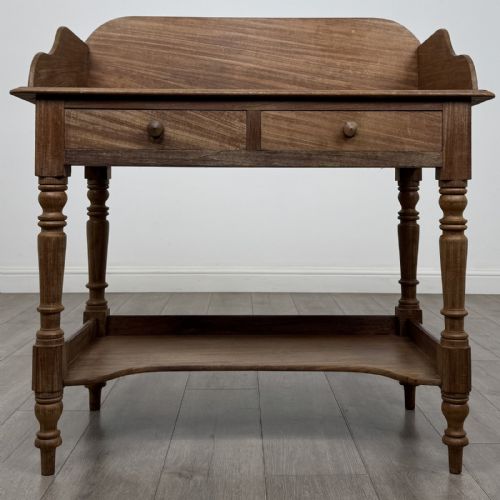
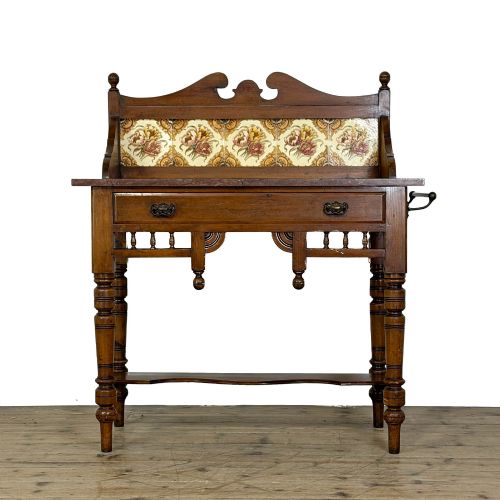
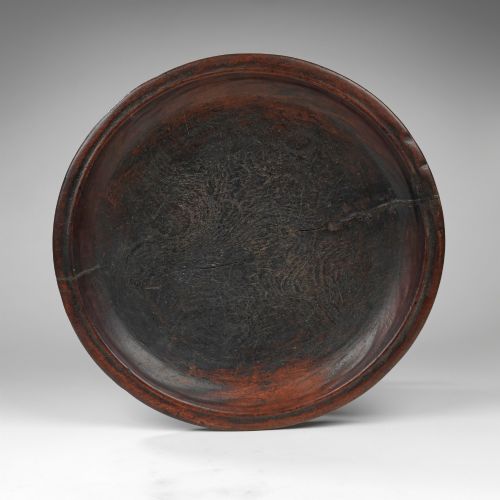
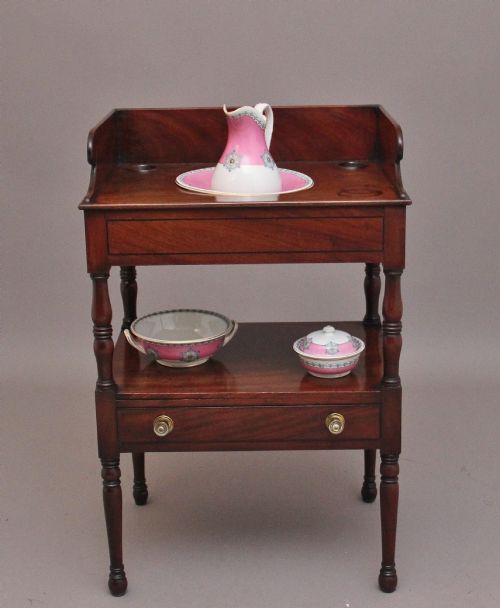
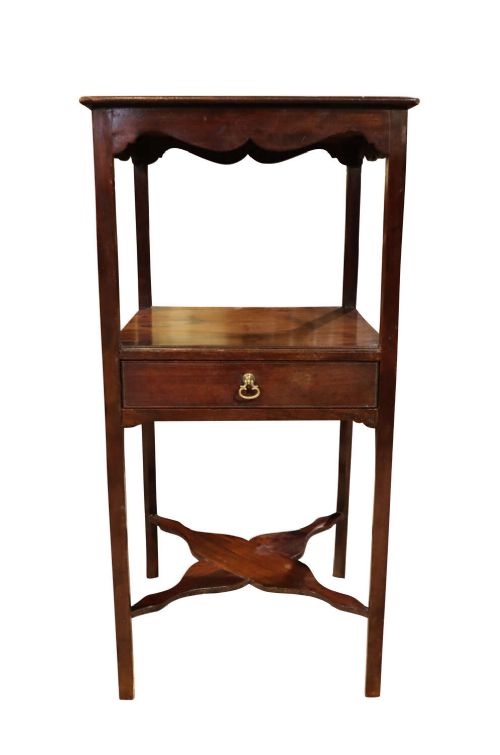
When you search for an antique wooden basin, you encounter a diverse grouping of domestic utility items and specialised furniture spanning the Georgian, Victorian, and Edwardian periods. These pieces range from turned treen bowls and coopered dairy vessels to sophisticated mahogany washstands designed for personal grooming.
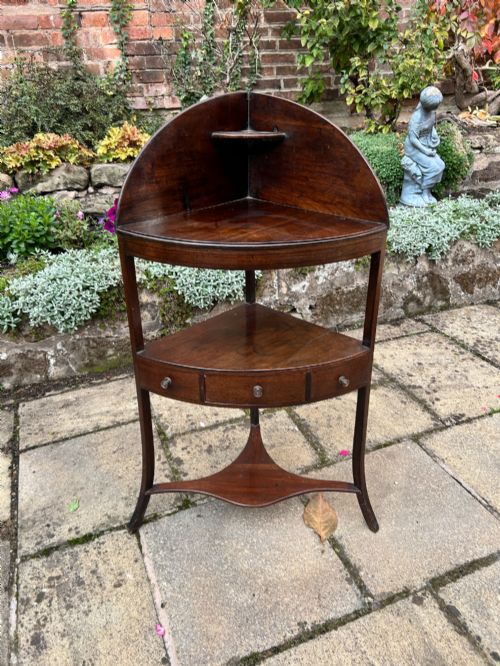
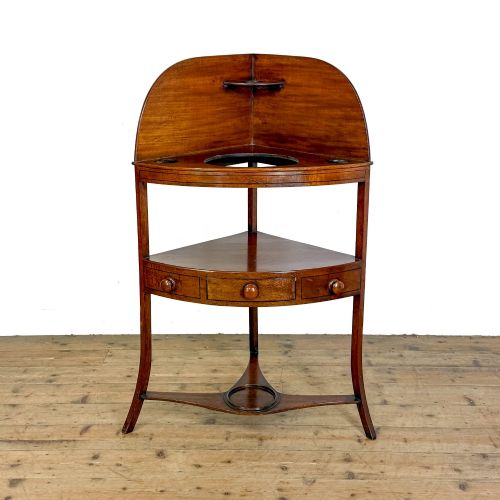
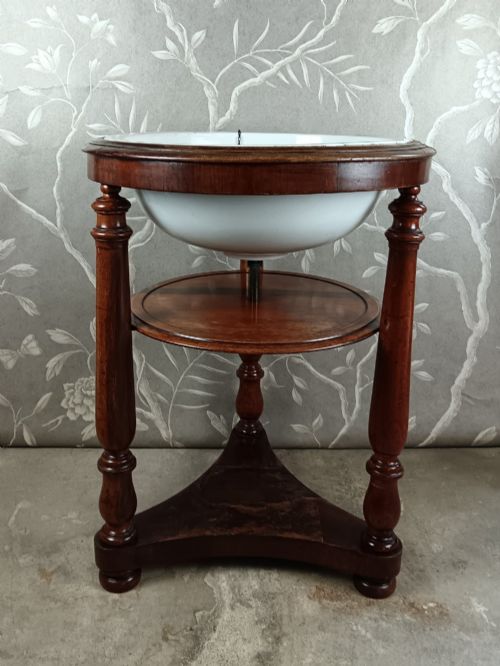
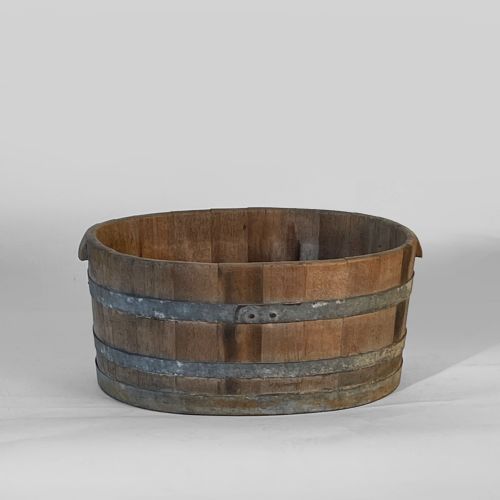
The domestic vessels include sycamore dairy bowls and painted Swedish bowls alongside coopered washing tubs and oyster buckets. Furniture forms predominantly feature corner washstands, round campaign washstands, and bedside tables executed in mahogany, pine, and satinbirch.
Originating from British country houses and rural farmsteads, these items served essential hygiene and culinary functions before modern plumbing transformed domestic interiors. Today, they survive as freestanding washstands with raised galleries or as standalone turned wooden bowls displaying authentic patination.
Materials and construction methods
Cabinetmakers and rural artisans utilised dense hardwoods such as mahogany and satinwood for fine furniture, alongside softer pine and sycamore for utilitarian vessels. Mahogany washstands frequently incorporate brass hardware, inlaid satinwood details, and occasionally marble or painted faux marble tops.
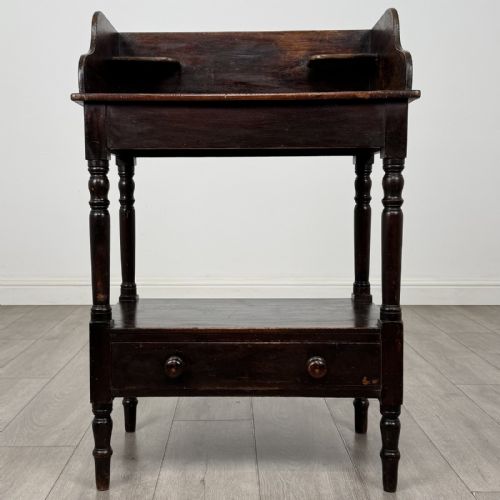
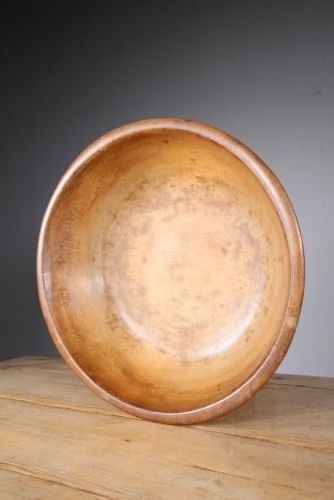
Turned wooden bowls and dairy bowls derive from solid timber blocks shaped on lathes, while coopered items like tubs and buckets rely on tight stave construction bound by metal bands. Painted finishes, original grain finishes, and hand-carved surfaces appear across both utilitarian bowls and country pine washstands.
Antique Wooden Basin Retail Price Guide 2026
Typical asking prices for wooden basin among the pieces listed under this phrase on Sellingantiques today, from the lower quarter to the upper quarter. They describe what is for sale here now, not the wider market.
Listings feature mahogany, pine, and sycamore timbers across periods spanning the Georgian, Victorian, and Edwardian eras.
Markers of distinction and craftsmanship
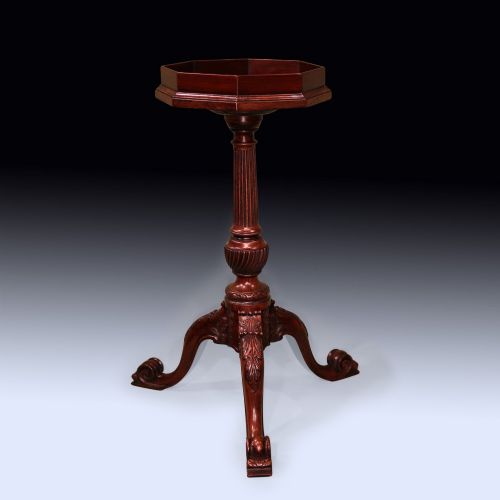
Quality rests in the integrity of the timber selection, the crispness of turned components like wig stands and bowl profiles, and the survival of original surface finishes. Pieces retaining untouched painted grain or rich, warm mahogany patination command greater appreciation than those stripped or overly restored.
Structural sophistication also dictates standing, as seen in the precision of coopered joints on washing tubs or the delicate joinery of Georgian corner washstands with raised galleries. The presence of maker attribution or specialised campaign hardware further elevates a piece within its category.
Gillows
The Antique Wooden Basin Glossary
- Washstand
- A piece of bedroom furniture designed to hold a basin, jug, and washing accessories. These items often feature raised galleries and tier shelves.
- Treen
- Small handmade wooden domestic objects such as bowls, platters, and spoons. The term derives from the old English word for tree.
- Coopered
- Constructed from wooden staves fitted together edge-to-edge and bound by metal or wooden hoops, typical of buckets and tubs.
- Campaign
- Portable furniture designed for military officers or travel, featuring dismantling frames, brass corners, and compact folding mechanisms.
- Gallery
- A raised rim or perforated railing around the edge of a furniture top to prevent items from sliding off.
Antique Wooden Basin: Frequently Asked Questions
What is an antique wooden basin used for today?
These items function readily as decorative centerpieces, plant stands, or occasional tables within modern interiors. Treen bowls serve to display dried botanicals or objects on sideboards.
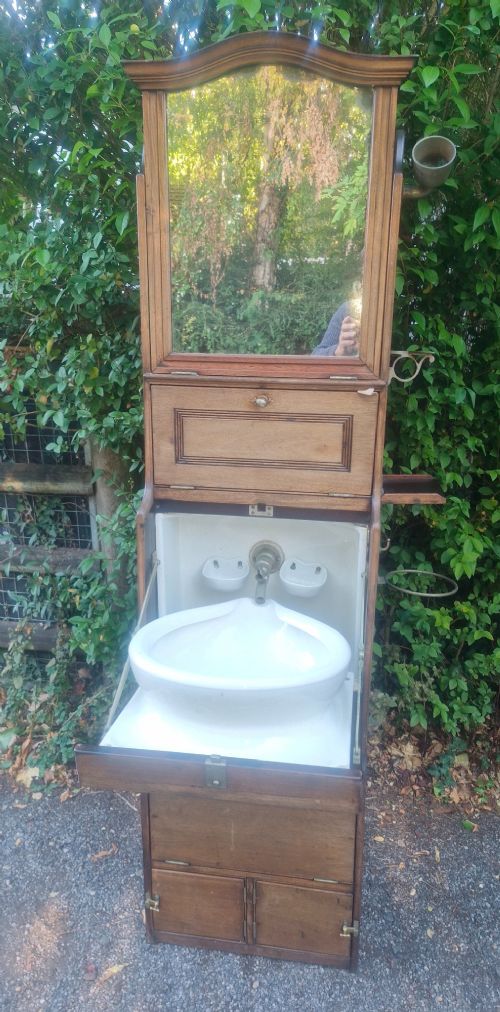
Washstands adapt easily as bathroom vanity units or hallway console tables, providing surface area and storage while retaining their historical character.
How do I care for antique wooden bowls?
Keep wooden items away from direct sunlight and extreme temperature fluctuations that cause timber to dry and split. Maintain the surface using appropriate natural waxes rather than modern synthetic polishes.
Avoid submerging antique wood in water or exposing it to excess moisture, especially for untreated treen bowls and coopered tubs.
How can I tell a Georgian washstand from a Victorian one?
Georgian pieces typically display restrained classical proportions, elegant mahogany framing, and delicate brass accents characteristic of the eighteenth century. They frequently take the form of corner stands or wig stands.
Victorian examples often introduce heavier pine construction, painted grain finishes, satinbirch veneers, or marble tops designed to accommodate expanding domestic plumbing.
What does coopered construction mean on a bucket?
Coopered construction involves shaping narrow vertical wooden staves so their edges fit tightly together into a circular vessel wall. Metal bands or hoops are then compressed around the staves to hold them securely without glue.
This technique provided the waterproof strength required for dairy bowls, washing tubs, and oyster buckets.