


Antique Wooden Bachelor Chest
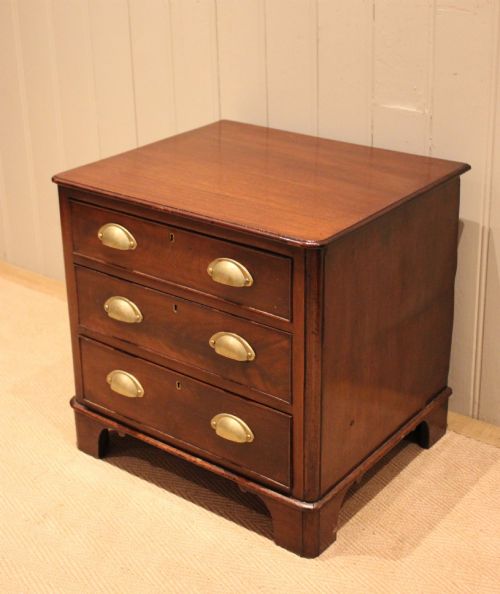
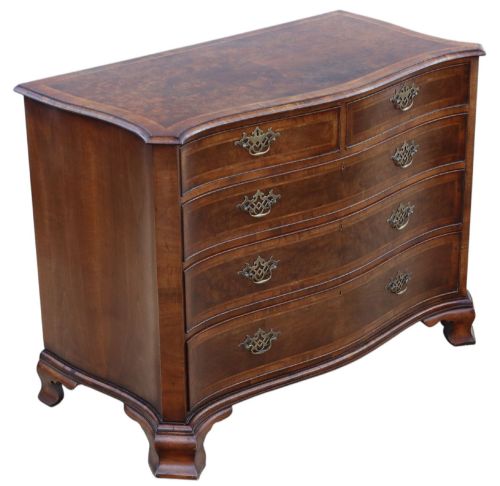
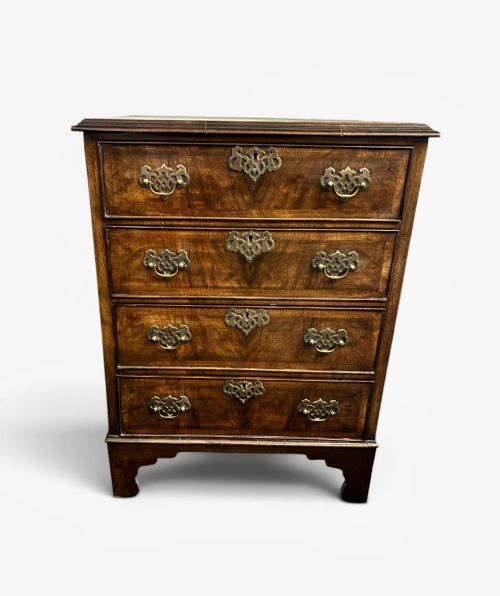
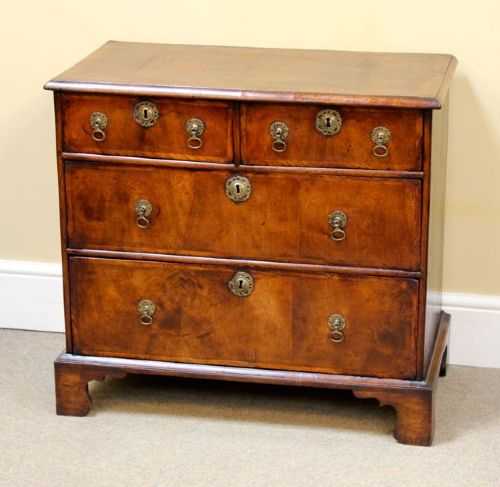
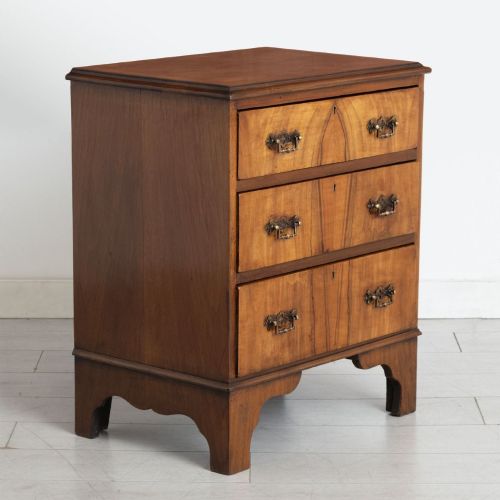
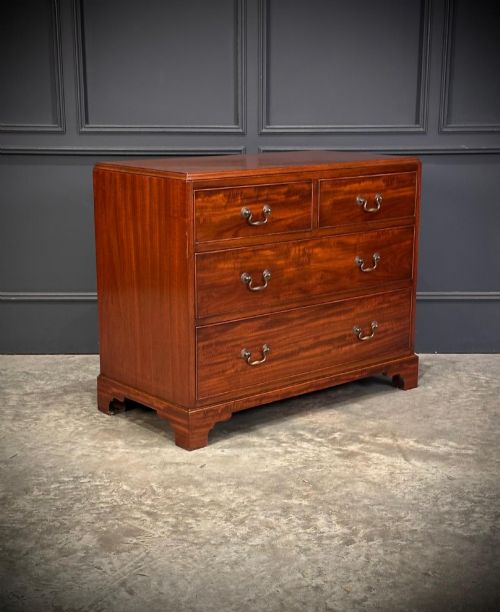
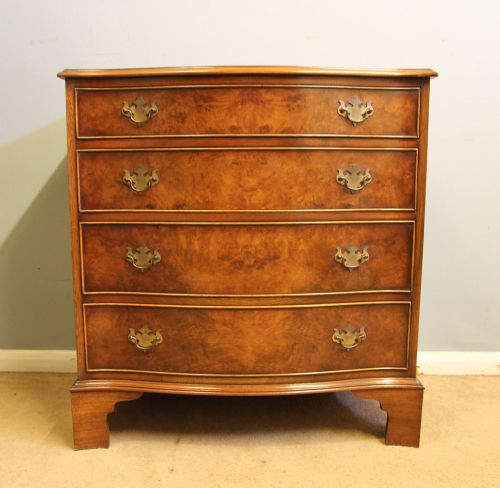
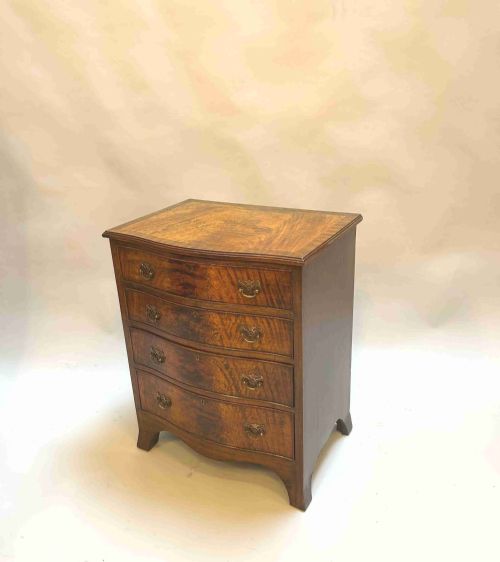
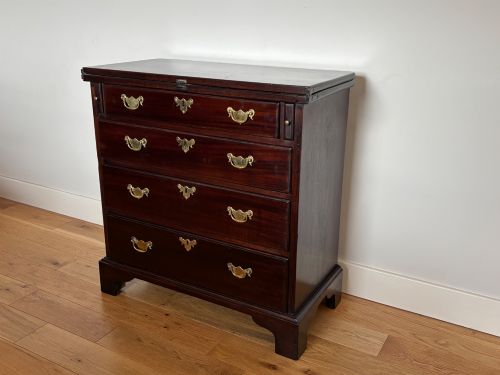
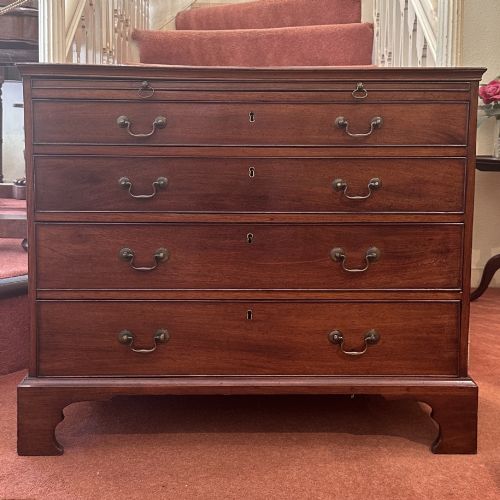
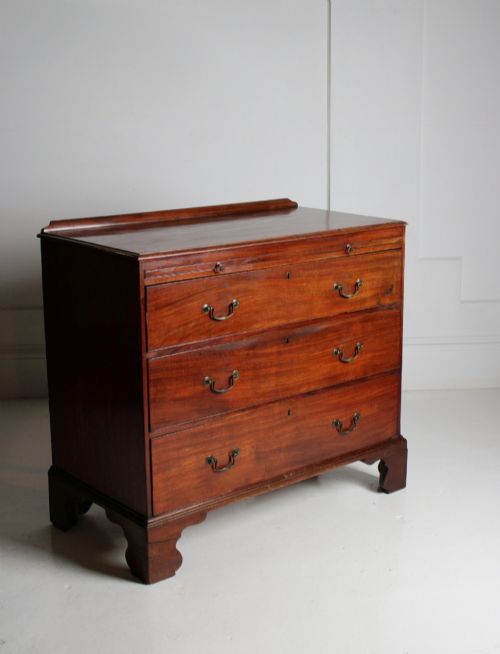
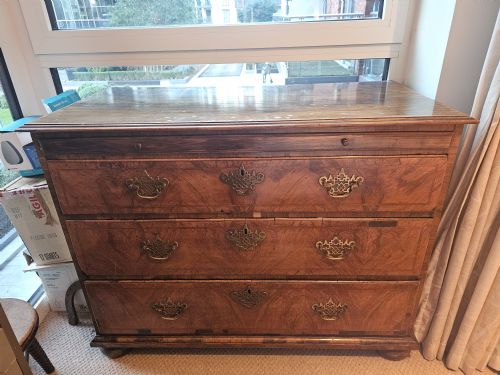
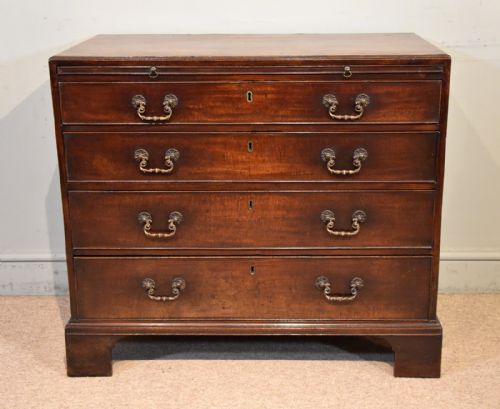
An antique wooden bachelor chest brings compact storage and a pull-out brushing slide to a bedroom.
Antique Wooden Bachelor Chest
An antique wooden bachelor chest combines the compact footprint of a small chest of drawers with the practical addition of a sliding top panel or brushing slide. These pieces appear across the eighteenth century, the Georgian era, the Victorian period, and into early twentieth-century revivals.
The versions most common on this page span the Georgian and George III eras alongside later twentieth-century revivals. Cabinetmakers built these forms primarily in mahogany and walnut, though examples also surface in oak, fruitwood, and yew wood.
Buyers encounter forms categorised variously as storage chests, commodes, and dressing chests, often sharing the distinctive sliding writing or dressing surface. Dimensions tend toward the smaller scale, suited for domestic bedchambers.
Materials and construction
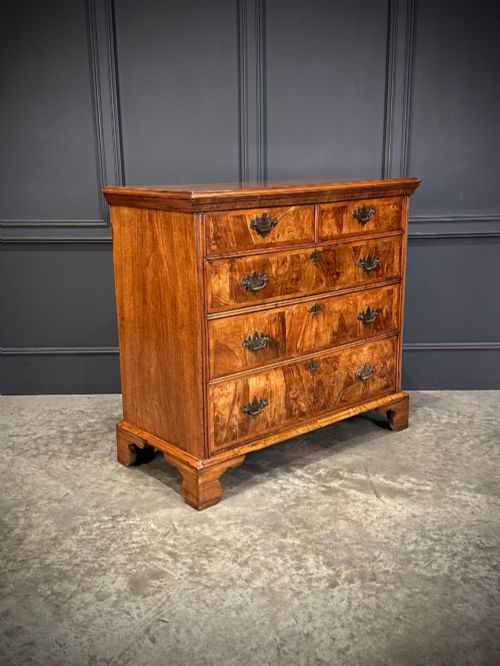
Cabinetmakers worked predominantly in solid mahogany and walnut, frequently selecting burr walnut, flame mahogany, or curl mahogany veneers for decorative surfaces. They integrated secondary timbers such as oak and pine within drawer linings and carcase frames.
The defining mechanical feature remains the brushing slide, engineered to pull smoothly above the uppermost drawers. Craftsmen applied brass hardware, boxwood stringing, and crossbanding to enhance the primary timbers.
Early owners relied on the sliding shelf for morning grooming while servants managed the household.
Distinctions in quality
Quality rests upon the selection of timber figures, such as matched flame mahogany or figured burr walnut veneers. Superior examples display precise crossbanding and harmonious proportions in smaller scales.
The internal mechanics of the brushing slide and drawer construction dictate standard, with tight joints and original brass hardware elevating the piece. Later revivals and earlier Georgian originals diverge in the crispness of mouldings and timber maturity.
The Antique Wooden Bachelor Chest Glossary
- Brushing slide
- A pull-out shelf positioned above the top drawers, originally utilised for grooming or writing before breakfast. This element defines the functionality of the form.
- Crossbanding
- A border of veneer laid around the perimeter of a drawer front or top panel so the grain runs perpendicular to the main field. It frames the central timber.
- Burr walnut
- A highly figured timber harvested from the warted growths of walnut trees, prized for swirling grain patterns. Cabinetmakers sliced it into decorative veneers.
- Flame mahogany
- A veneer cut from timber where the grain resembles flickering flames. It appears on finer eighteenth-century drawer fronts.
- Stringing
- Thin inlaid lines of contrasting wood, such as boxwood, used to outline panels and drawers. It provides linear definition to the carcase.
Antique Wooden Bachelor Chest: Frequently Asked Questions
What is a bachelor chest?
A bachelor chest is a compact chest of drawers featuring a pull-out sliding shelf located just beneath the top surface.
Cabinetmakers designed these versatile pieces for smaller rooms to serve multiple domestic functions.
How was the brushing slide used?
The sliding panel provided a temporary surface for dressing, brushing clothes, or writing letters.
Owners pushed the slide flush into the carcase when the surface was no longer needed.
Which woods are most common?
Mahogany and walnut dominate the surviving examples, often shown with decorative veneers like burr walnut.
Cabinetmakers also utilised oak, pine, yew wood, and fruitwood for carcases and secondary elements.
How do I date an antique chest?
Dating relies on assessing timber species, construction techniques, hardware types, and distinct stylistic periods.
Georgian originals display hand-cut joinery and mature timbers, whilst twentieth-century revivals employ twentieth-century manufacturing methods.