


Antique Wooden Angel Sculpture
An antique wooden angel sculpture brings centuries of carved devotion and expressive movement into a modern room.
Antique Wooden Angel Sculpture
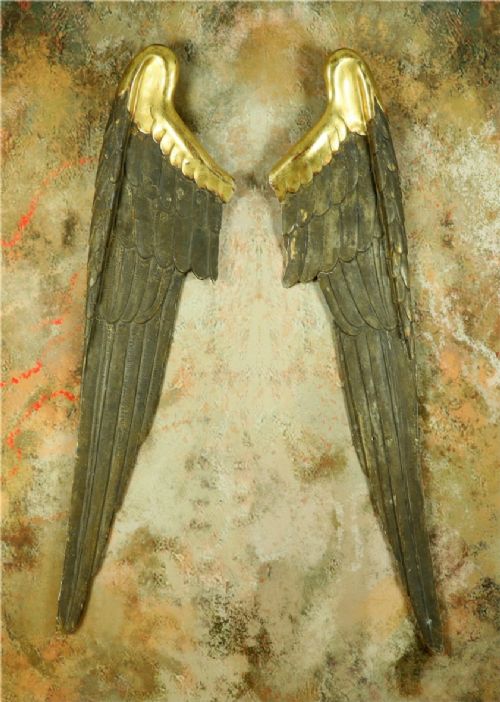
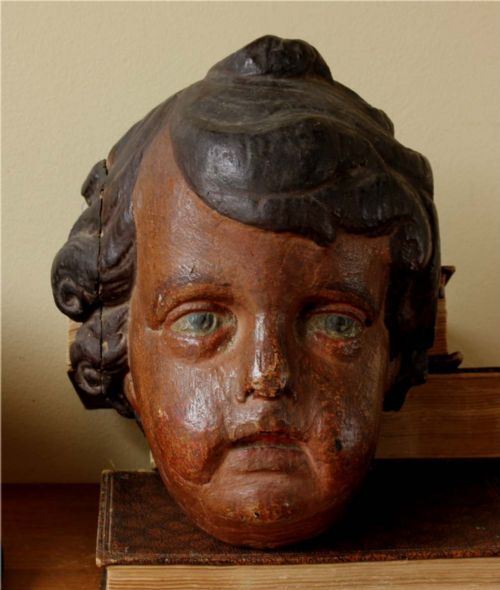
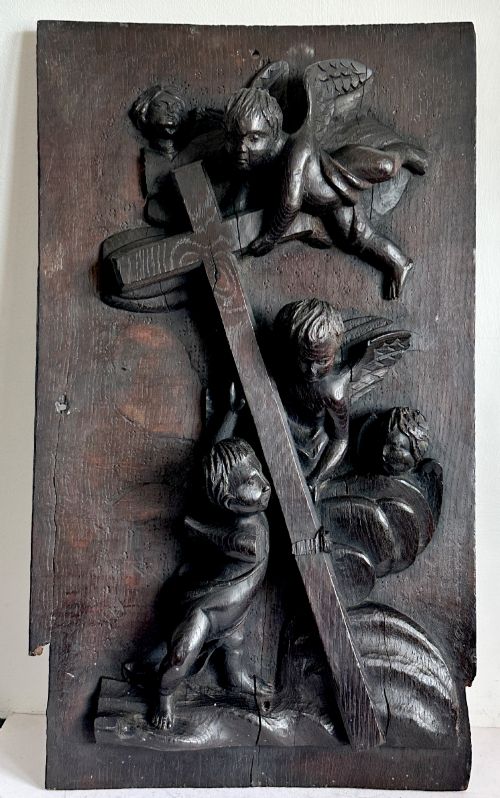
An antique wooden angel sculpture encompasses devotional carvings, architectural fragments, and wall reliefs that date from the sixteenth century through the Victorian era. These pieces range from substantial figures and kneeling pairs to cherub heads, putti on clouds, and detached wings.
Most examples originate from French and Italian traditions, running through the Renaissance, Baroque, and Gothic styles. Buyers frequently encounter eighteenth-century polychrome figures and nineteenth-century gilt interpretations on this page.
Forms vary from single freestanding statues of archangels to wall sculptures and decorative panels salvaged from ecclesiastical settings. Each piece reflects the religious devotion and sculptural ambition of its respective period.
Materials and construction
Carvers shaped these figures from solid timber, utilising oak, pine, and general hardwoods depending on the region and the scale of the commission. Artisans then applied gesso as a smooth foundation layer for subsequent decorative finishes.
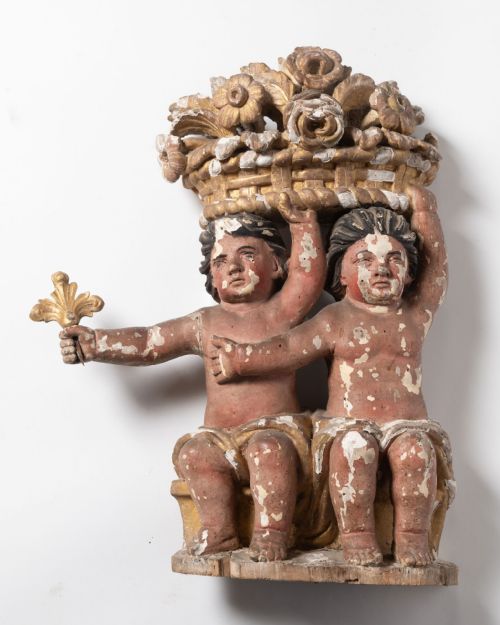
Surfaces frequently display polychrome paint, silvering, or gold leaf applied to enhance the dramatic play of light across the carved drapery and wings. Many works rely on these layered pigment and gilding techniques to achieve the theatrical depth characteristic of Baroque design.
Materials recorded across the inventory include solid oak, pine, gesso, gold leaf, and layered polychrome paint.
Assessing quality in carved angels
The distinction between tiers rests in the anatomical articulation of the hands, faces, and feathered wings. Master carvers achieved fluid motion and convincing weight in timber, whereas lesser works remain stiff and blocky.
The survival and application of original polychrome paint or gold leaf over gesso heavily influence the visual power of a piece. Finer sculptures retain crisp chisel work beneath their surface finishes, showing deliberate hand-carved detail rather than hurried mass production.
The Antique Wooden Angel Sculpture Glossary
- Polychrome
- Painted in several colours. This finish appears frequently on figures from the eighteenth and nineteenth centuries.
- Gesso
- A plaster mixture applied to wood as a base for gilding or painting. It creates a smooth surface for gold leaf.
- Putto
- A figure of a small chubby infant, often winged, common in Baroque art. These motifs appear frequently as standalone heads or pairs on clouds.
- Archangel
- A chief angel of high rank. Sculptures representing figures such as Gabriel often feature larger dimensions and specific attributes.
Antique Wooden Angel Sculpture: Frequently Asked Questions
How were these angel sculptures used originally?
These wooden angels served as ecclesiastical furnishings, altar ornaments, and architectural elements within churches and chapels across Europe.
Craftsmen integrated them into larger religious structures, wall reliefs, and devotional panels designed to inspire religious contemplation.
Where should I place a wooden angel sculpture?
These sculptures suit placement on mantelpieces, consoles, or mounted directly onto walls as architectural reliefs.
Their balanced scale allows them to anchor a room while pairing naturally with period furniture and contemporary interiors.
How do I distinguish between periods?
Sixteenth and seventeenth-century works often display heavier oak construction with Gothic or Renaissance proportions. Eighteenth and nineteenth-century pieces lean towards dynamic Baroque movement, lighter pine woods, and elaborate gesso finishes.
Are pairs more common than single figures?
Both single figures and matched pairs appear regularly across these selections. Pairs frequently originated as symmetrical altar ornaments or flanking elements on ecclesiastical panels.