
Antique Wood Tripod Table
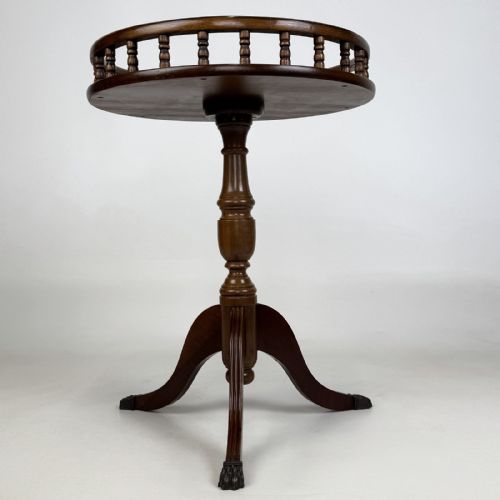
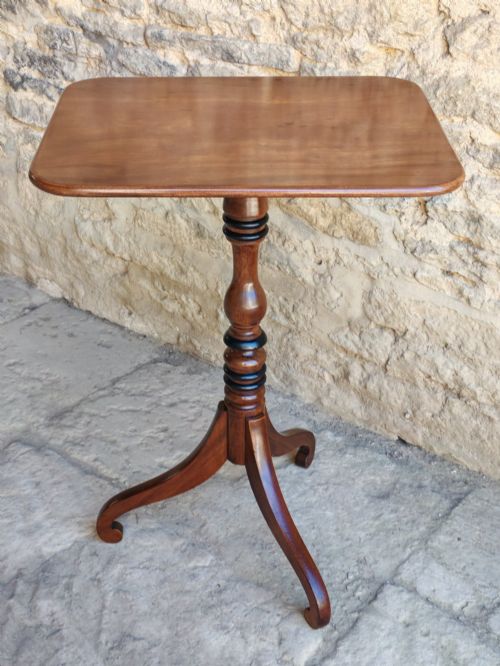
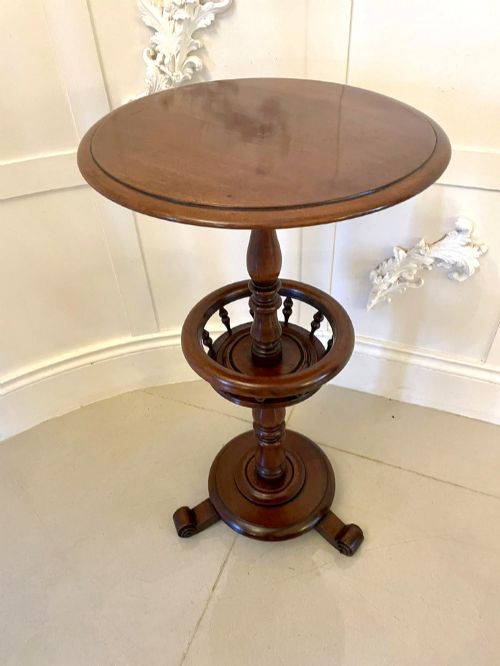
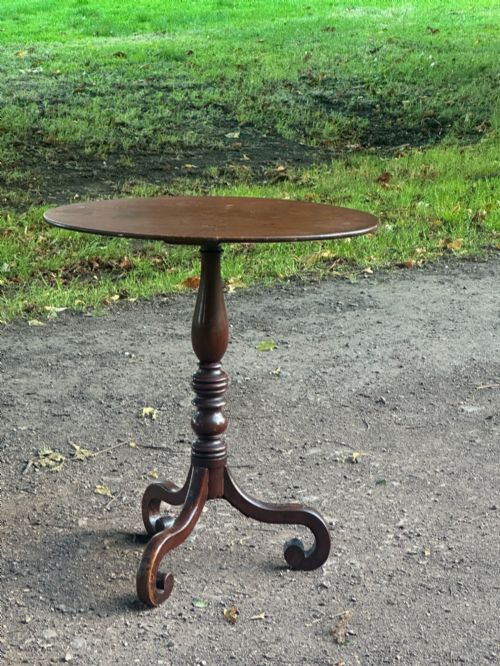
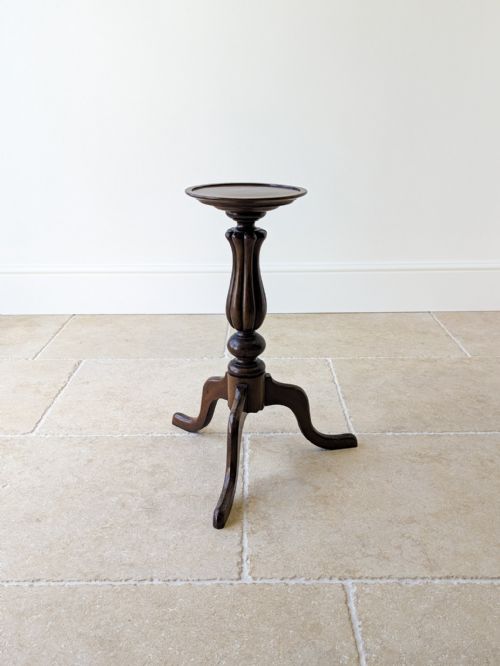
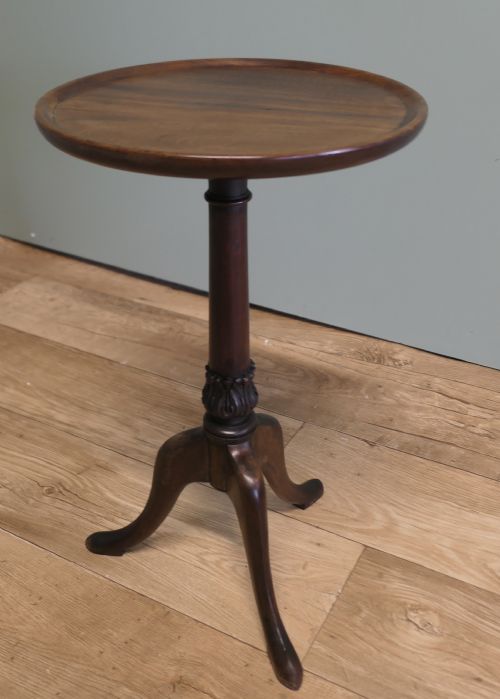
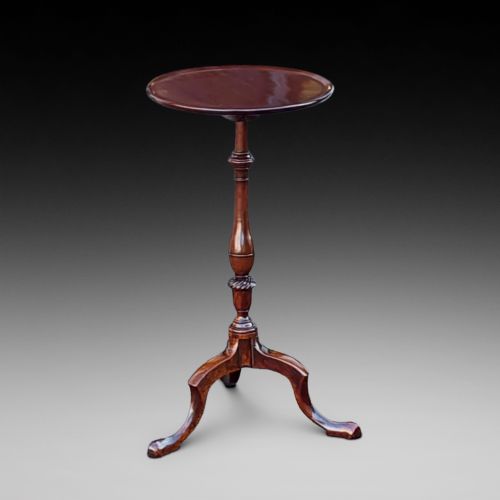
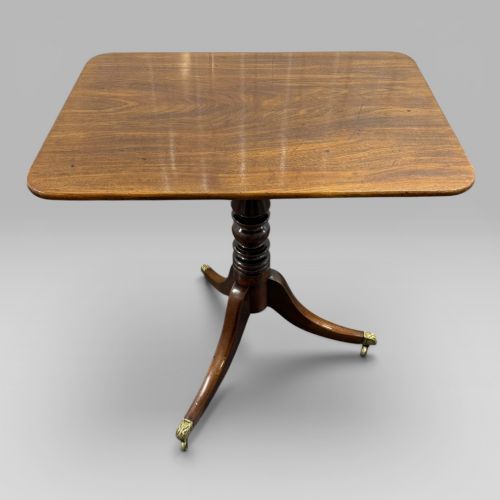
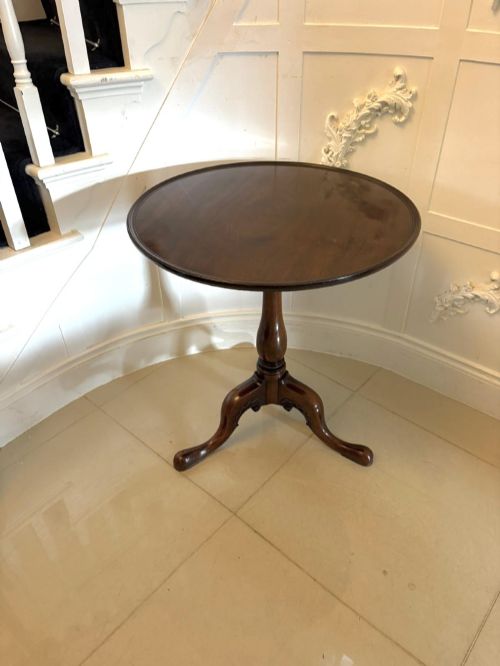
An antique wood tripod table balances a circular top upon a single central pillar supported by three feet, combining practical utility with graceful proportions.
Antique Wood Tripod Table
When you examine an antique wood tripod table, you find a versatile small-scale item designed to move easily around a room for serving drinks, holding lamps, or displaying objects. These versatile pieces appear in diverse forms, from compact wine tables and tilt-top occasional tables to larger centre tables.
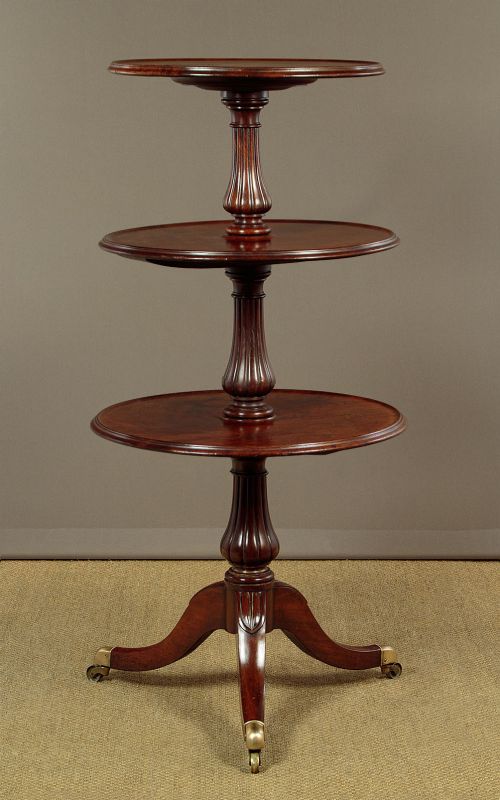
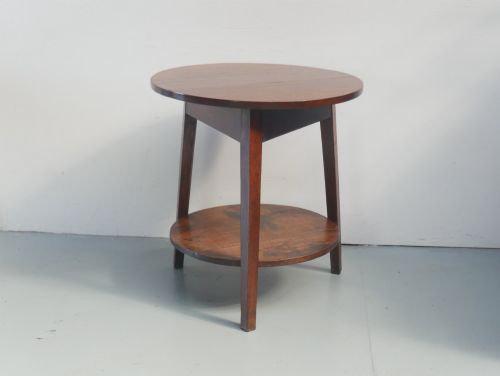
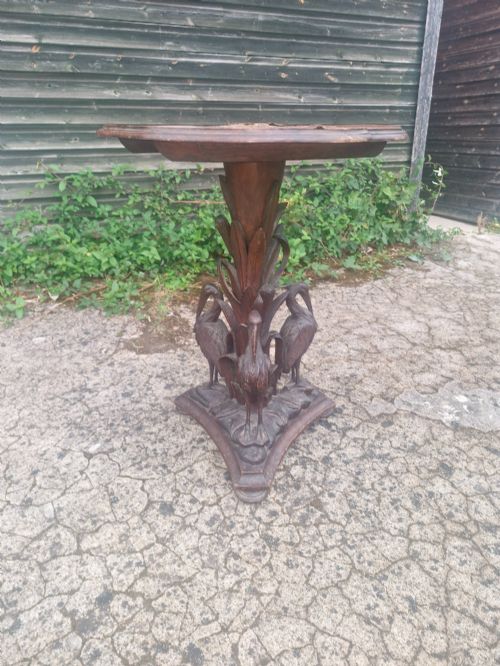
The most common examples encountered on this page date from the Georgian, Regency, and Victorian periods, constructed in rich timbers like mahogany and rosewood. Simpler country versions in oak and fruitwood also surface frequently, alongside specialised variants such as chess tables and dumb waiters.
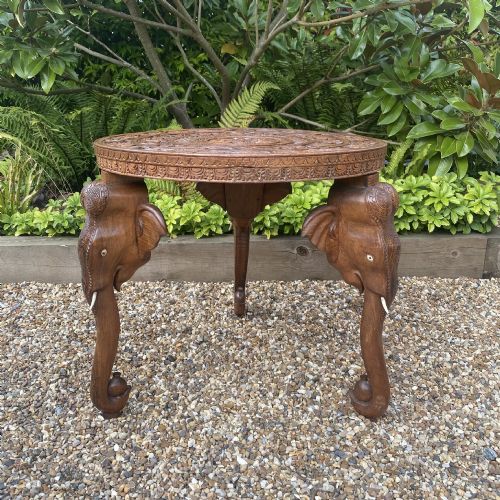
Maker attribution is uncommon, though occasional pieces reflect specific regional workshops, English cabinet-making traditions, or distinct international influences like Anglo-Indian and Ceylonese craftsmanship.
How they were made
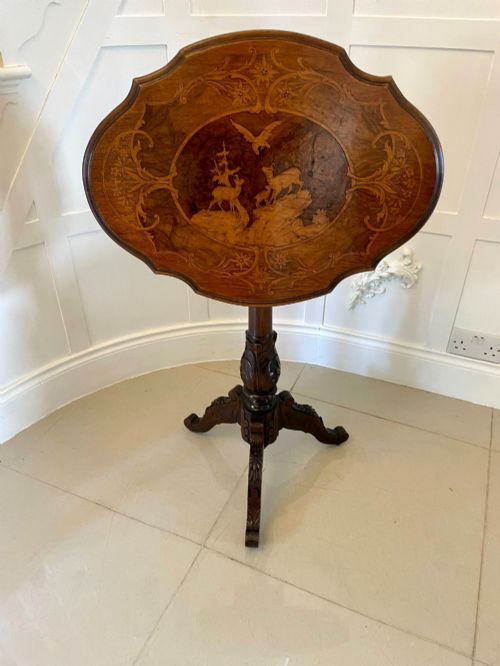
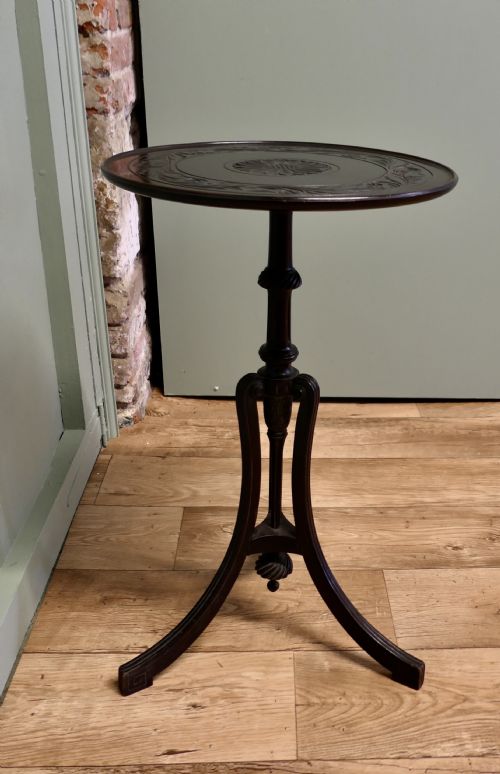
Cabinet-makers relied on dense tropical hardwoods like mahogany and rosewood, as well as native timbers such as oak, elm, walnut, and fruitwood, selecting them for strength and distinct grain patterns. Tops frequently incorporated burr veneers, marquetry inlay, or carved borders to add visual texture to the flat circular surface.
Construction centred on a sturdy central pedestal turned on a lathe, joined firmly to three splayed legs using traditional housing or dovetail joints. Many examples utilise a birdcage mechanism or a tilting catch beneath the top, allowing the surface to swivel and fold flat against the pillar for storage.
The selection spans compact nineteenth-century wine stands and elaborate Georgian tilt-top tables.
What varies in quality
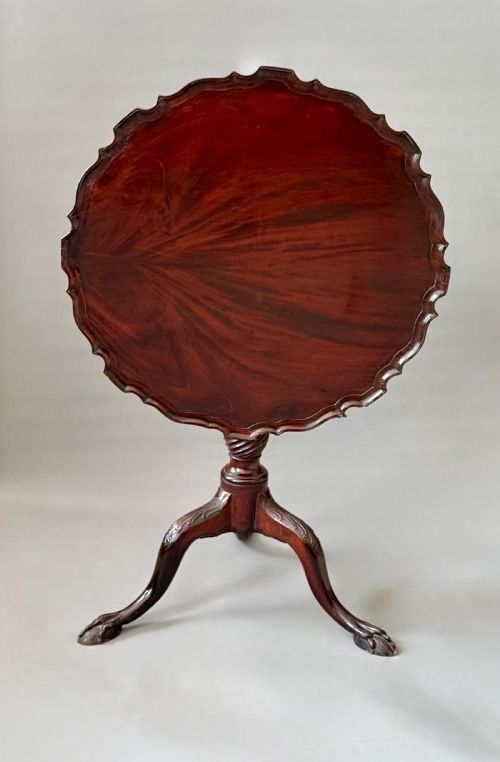
Superior quality rests in the crispness of the turning on the central pillar and the sculptural carving of the tripod legs, where well-defined claw-and-ball or pad feet demonstrate superior craftsmanship. The timber selection dictates the visual impact, with choice cuts of figured mahogany, burr walnut, or rosewood elevating a simple form.
Engineering integrity separates standard pieces from the finest examples, particularly in the smooth operation of the tilt-top mechanism and the rigidity of the leg joints. Subtle details such as finely executed brass mounts, string inlay, or a revolving dish top indicate a workshop of higher standing.
Gillow·EW Godwin
The Antique Wood Tripod Table Glossary
- Tilt-top table
- A table with a hinged top that locks flat for use or swings vertically for storage when not needed. This ingenious mechanism saved valuable floor space in period drawing rooms.
- Wine table
- A small occasional table designed specifically to hold a single glass and bottle of wine. These compact stands typically feature a raised edge or dish top to prevent spills.
- Birdcage
- A clever wooden frame beneath the table top that permits both rotation and tilting of the surface. It connects the top directly to the central pillar via small vertical spindles.
- Gueridon
- A small French occasional table supported by a central column or figural stand. The term originated in the seventeenth century and describes decorative display furniture.
- Marquetry
- The art of applying decorative veneer pieces onto a structural surface to form intricate geometric or pictorial patterns. Craftsmen utilised contrasting timbers like ebony, satinwood, and fruitwood.
Antique Wood Tripod Table: Frequently Asked Questions
What was a tripod table used for?
These versatile stands served multiple domestic functions throughout the eighteenth and nineteenth centuries. Owners placed them beside seating to hold candles, teacups, reading material, or wine glasses during social gatherings.
Larger variations functioned as centre tables for display or games tables fitted with inlaid chess boards. Their lightweight construction allowed servants to move them easily around the reception rooms as needed.
How do I spot a tilt-top table?
Examine the underside of the circular top where it meets the central pillar. You will usually find a wooden catch, a brass latch, or a revolving birdcage mechanism that releases the surface.
When unlocked, the entire top pivots upright on horizontal hinges. This clever design enabled the furniture to stand flat against a wall when the room required open floor space.
What is a birdcage mechanism?
A birdcage is a small wooden framework positioned between the table top and the central column. It consists of two horizontal plates connected by four tiny turned columns resembling a cage.
This assembly allows the table top to rotate in a complete circle as well as tilt sideways. It represents a hallmark of superior eighteenth-century cabinet-making.
How do I tell Georgian from Victorian tables?
Georgian examples, dating through the eighteenth and early nineteenth centuries, generally favour elegant proportions, slender tapering pillars, and classical pad or spade feet in rich mahogany or fruitwood. The timber often has a warm, natural wax finish.
Victorian pieces from the mid to late nineteenth century tend to be heavier, featuring darker rosewood or walnut, bolder carving, burr wood veneers, and sometimes elaborate marquetry inlay or brass casters on the feet.