
Antique Wood Table with Drawer
An antique wood table with drawer brings practical surface space and enclosed storage together, anchored by centuries of cabinet-making skill.
Antique Wood Table with Drawer
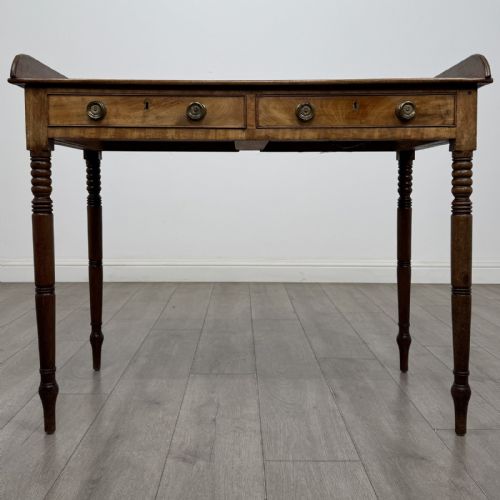
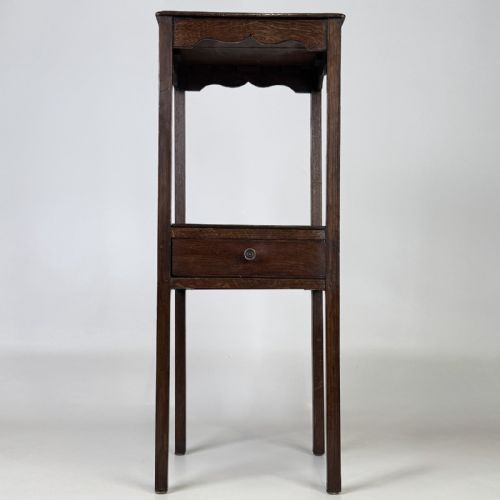
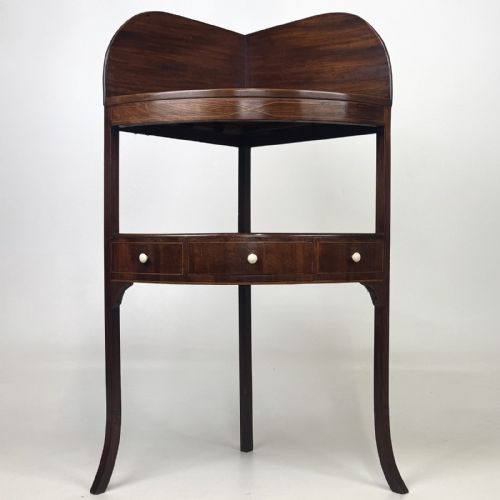
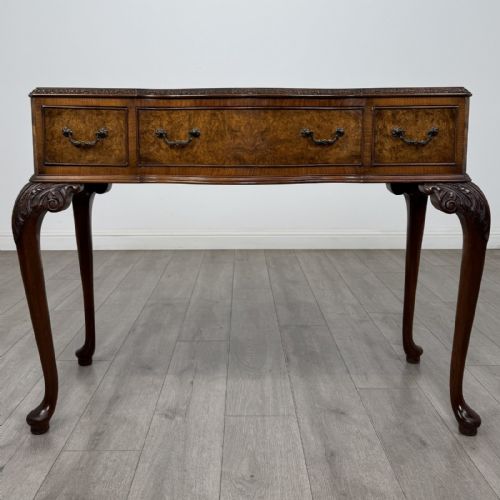
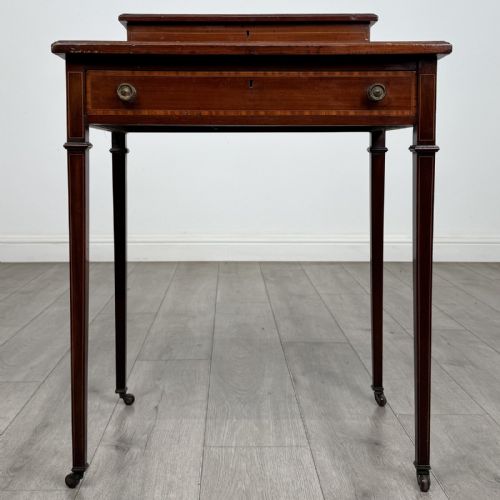
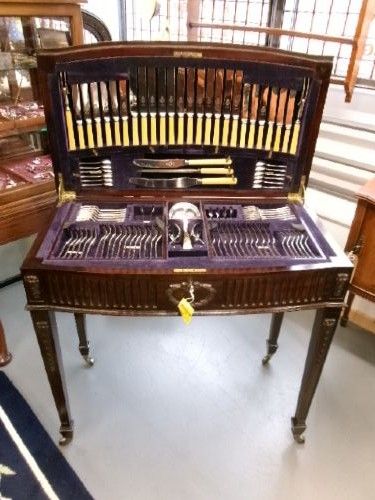
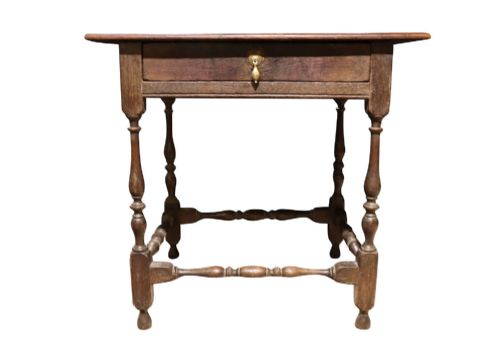
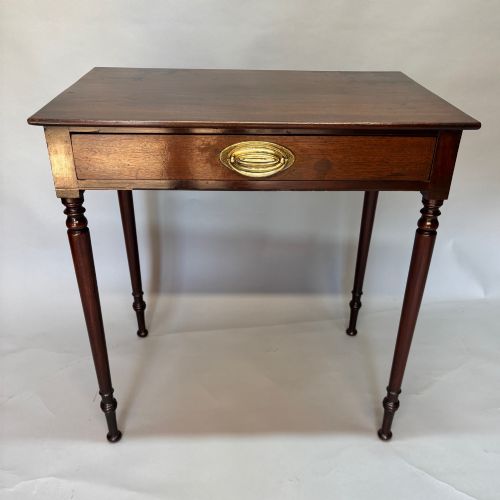
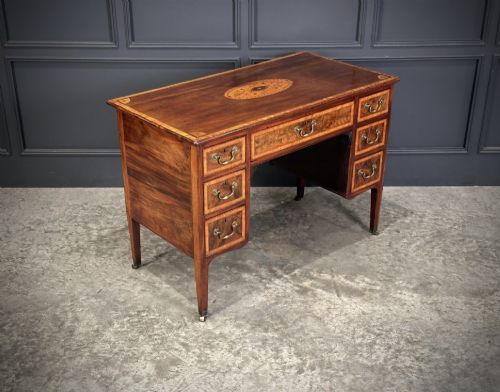
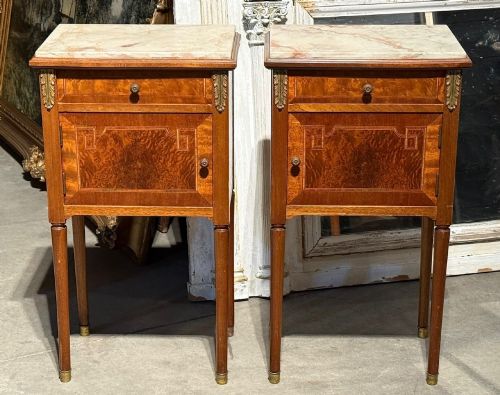
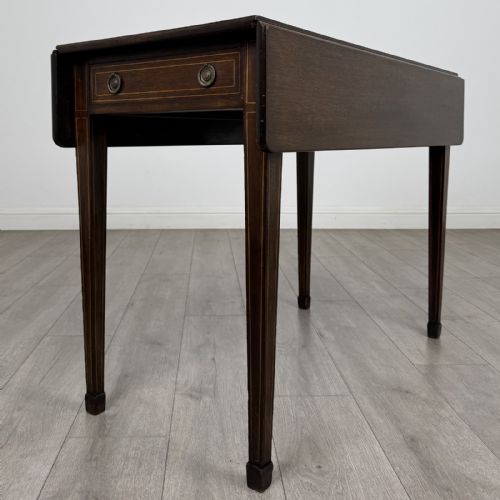
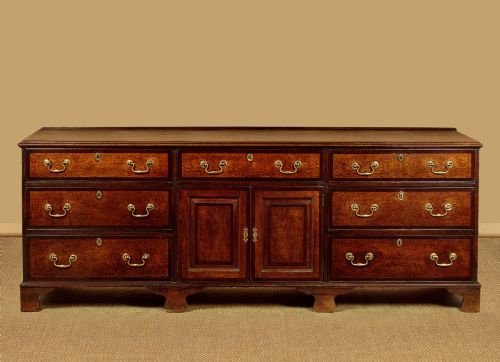
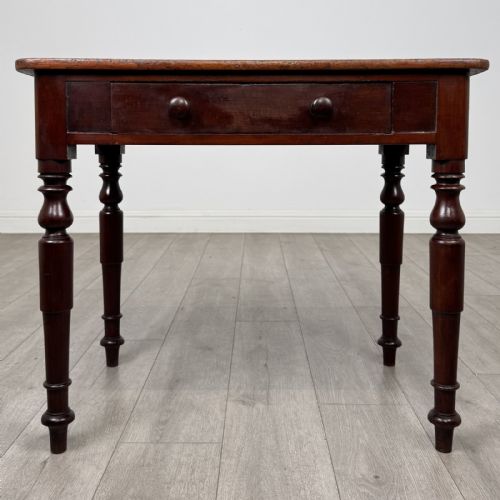
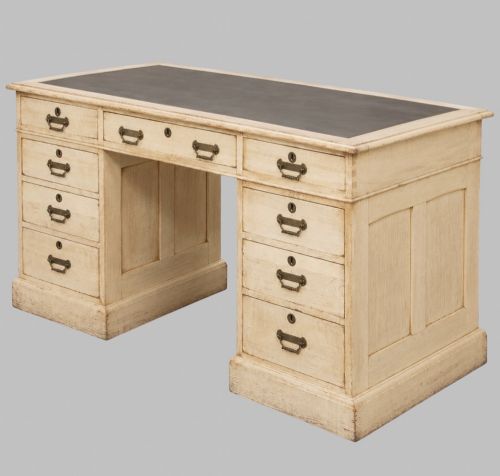
An antique wood table with drawer covers a wide array of domestic furniture, ranging from compact side tables and bedside cabinets to larger writing desks and library tables. Buyers encounter pieces spanning several eras, with strong representation from Georgian, Victorian, and Edwardian periods.
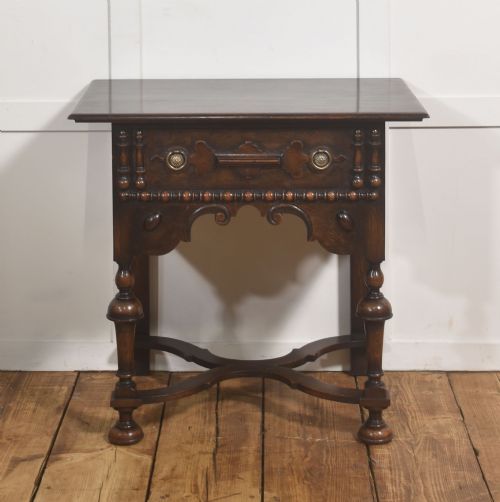
The functional forms include lowboys, console tables, and dressing chests, each integrating one or more drawers into the underframe. Oak and mahogany dominate the offerings, alongside walnut and fruitwood variations built for specific daily tasks.
Stylistic revivals sit alongside pieces made during their respective reigns, showing a continuous evolution in how makers balanced timber surfaces with functional storage compartments.
Materials and construction
Cabinet-makers relied heavily on dense hardwoods like mahogany, oak, and walnut, frequently selecting figured veneers such as burr walnut or satinwood for decorative surfaces. Secondary timbers like pine often form the concealed drawer linings and interior structures.
Drawer construction typically involves hand-cut dovetail joints, indicating the skill required to ensure smooth operation within the timber frame. Brass hardware, including drop handles and key escutcheons, provides functional contrast to the dark grains of the primary woods.
Several writing desks manage to conceal secret compartments behind ordinary drawer sides, rewarding the curious hand.
Judging execution
The distinction between ordinary and exceptional pieces lies in the crispness of the timber carving, the precision of the veneer matching, and the integrity of the drawer linings. Superior examples maintain smooth running drawers that fit snugly without excessive gap or binding.
Finer items display thoughtful proportion and restraint in ornament, whereas lesser pieces might rely on heavy, uninspired restoration or coarse replacement hardware that disrupts the original silhouette.
Shapland & Petter·Hobbs & Co.
The Antique Wood Table with Drawer Glossary
- Lowboy
- A small seventeenth or eighteenth-century dressing table or side table featuring one or more rows of drawers beneath a flat top. These low pieces typically stand on slender cabriole or turned legs.
- Dovetail
- A traditional interlocking joint used at the corners of drawers, formed by interlocking wedge-shaped fingers. Hand-cut dovetails indicate older construction methods prior to machine manufacturing.
- Escutcheon
- A small protective plate surrounding the keyhole of a drawer or cabinet door. They are frequently fashioned from brass and match the drawer pulls.
- Marquetry
- The decorative technique of applying thin veneers of various coloured woods in geometric or pictorial patterns onto a solid substrate. It adds intricate surface detail to tabletops and drawer fronts.
- Gallery
- A raised rim or railing edging the top surface of a table or desk to prevent items from rolling off. They are often pierced or turned from matching timber.
Antique Wood Table with Drawer: Frequently Asked Questions
How do I date an antique wood table with drawer?
Dating relies on observing construction methods, timber selection, and prevailing style characteristics. Hand-cut dovetails, secondary woods, and hardware styles offer reliable clues to the century of manufacture.
Examining the underside and drawer interiors reveals tool marks and wear patterns that distinguish Georgian or Victorian craftsmanship from later revival pieces.
Were these tables used as desks?
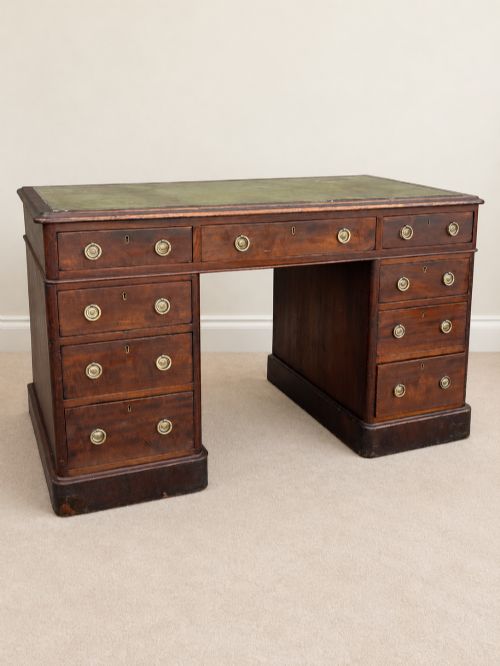
Many smaller tables and lowboys functioned flexibly for writing, toilet purposes, or general storage depending on the room. Writing tables and pedestal desks were specifically designed with kneeholes and fitted drawers for correspondence.
The inclusion of a single drawer or multiple small drawers usually indicates a workspace or a hall table intended for keeping small household items contained.
How do I care for antique timber furniture?
Maintaining these pieces involves keeping them away from direct sunlight and sudden temperature shifts that cause wood to dry and split. Regular dusting with a soft, dry cloth preserves the polished surface without moisture damage.
Applying a traditional beeswax polish occasionally feeds the grain and maintains the natural lustre of mahogany or oak without building up artificial films.
What is the difference between a side table and a console table?
Side tables are generally freestanding pieces designed to sit against a wall or beside seating, offering a stable top surface and functional drawers. Console tables traditionally required wall attachment or specific front legs for stability.
Over time, the distinction blurred as cabinet-makers produced freestanding console forms intended for central hallway placement or serving duties.