

Antique Wood Sculpture
These pieces of antique wood sculpture range from folk art birds to carved walnut saints across several centuries of craftsmanship.
Antique Wood Sculpture
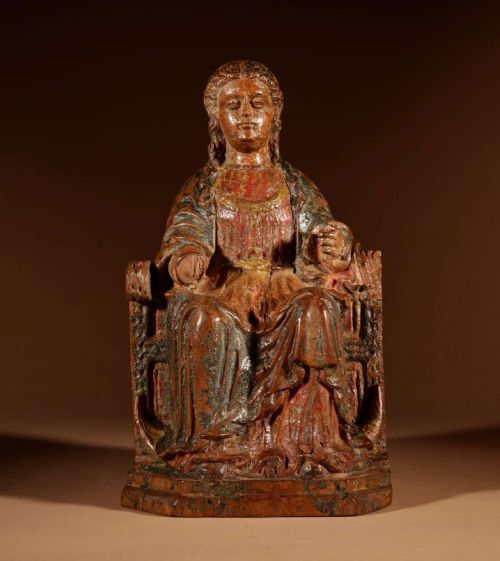
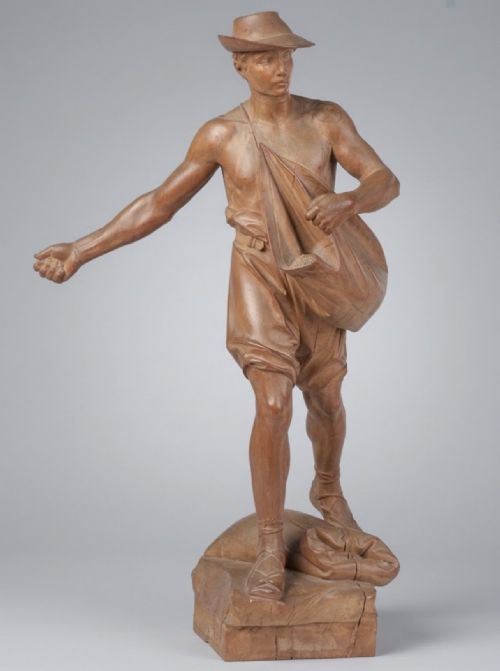
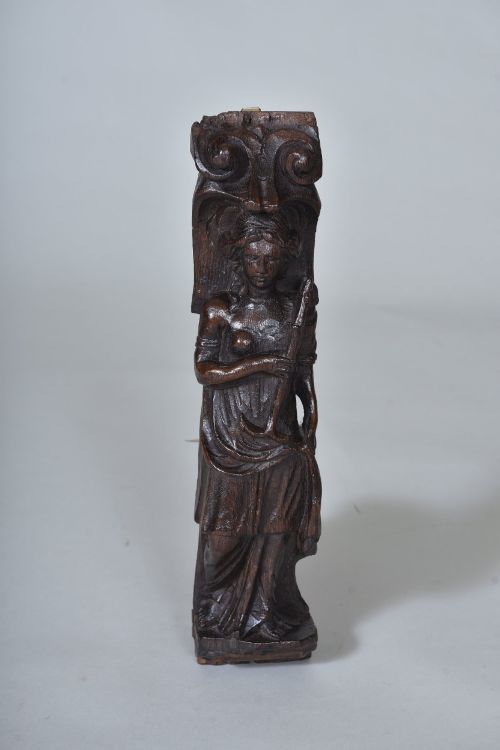
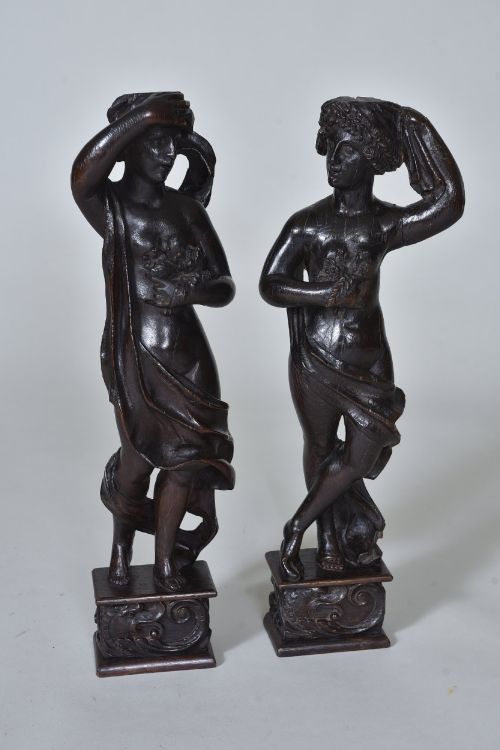
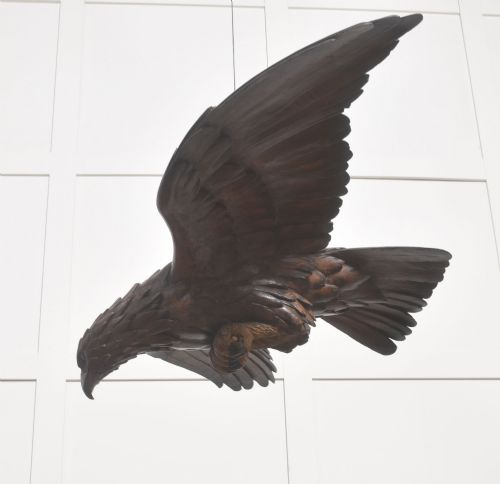
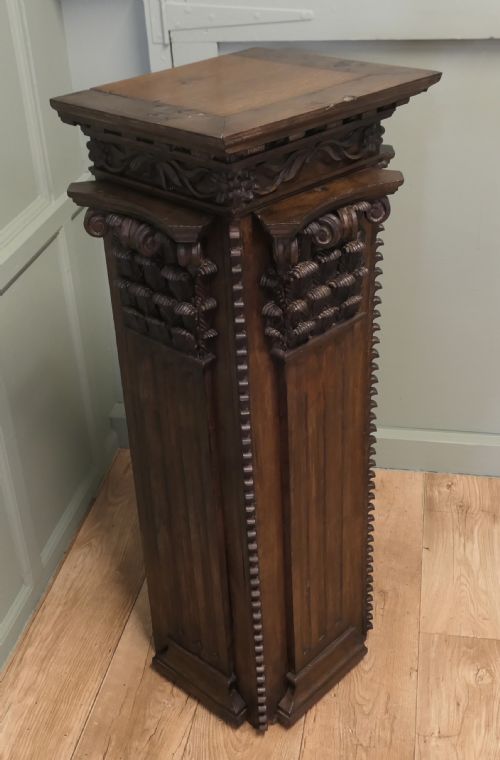
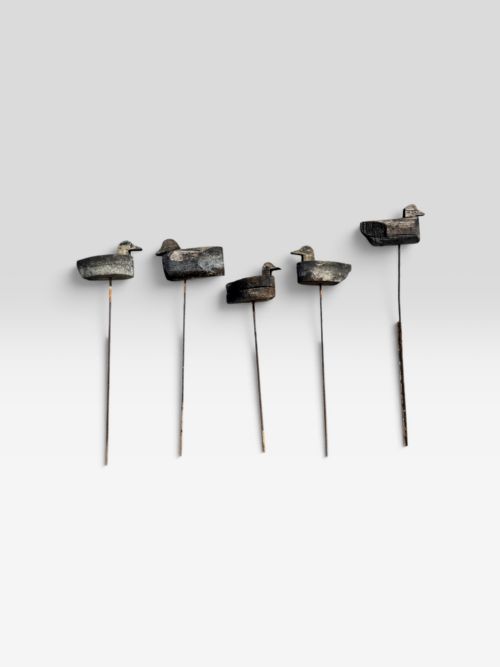
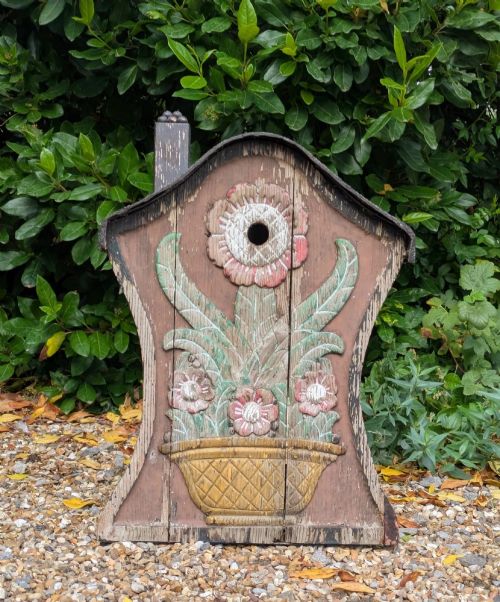
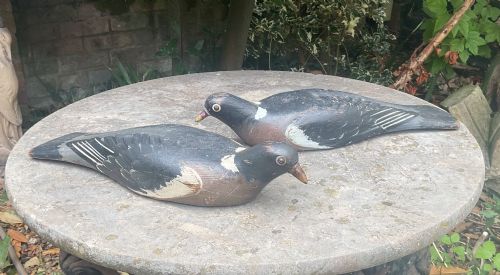
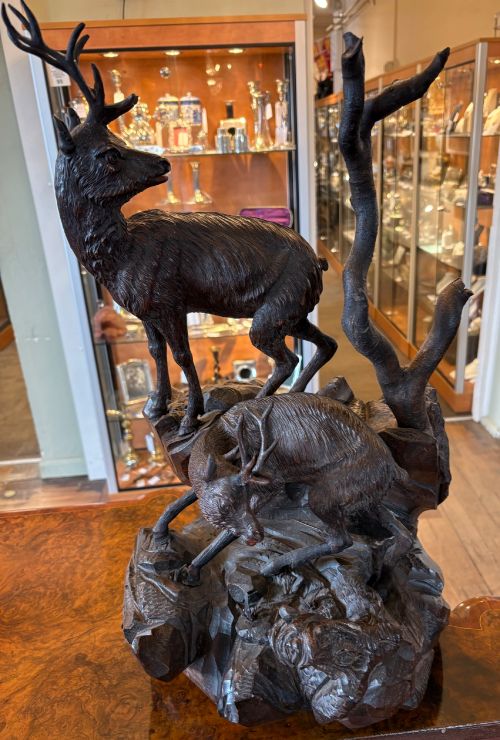
When someone searches for antique wood sculpture, they encounter everything from domestic utility objects like decoy ducks and bird boxes to grand ecclesiastical figures and Black Forest animal studies. The selection spans centuries of carving traditions, including 16th-century oak panels, 18th-century polychrome saints, and late-Victorian decorative works.
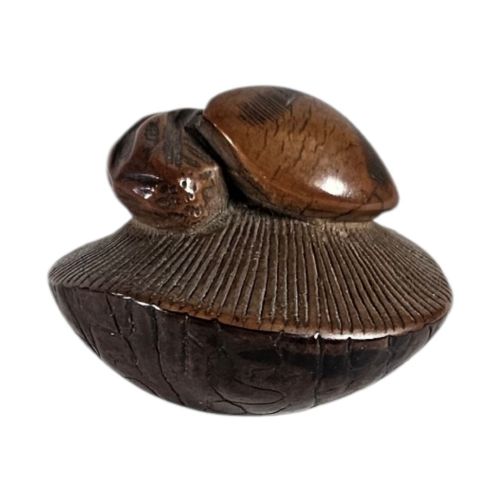
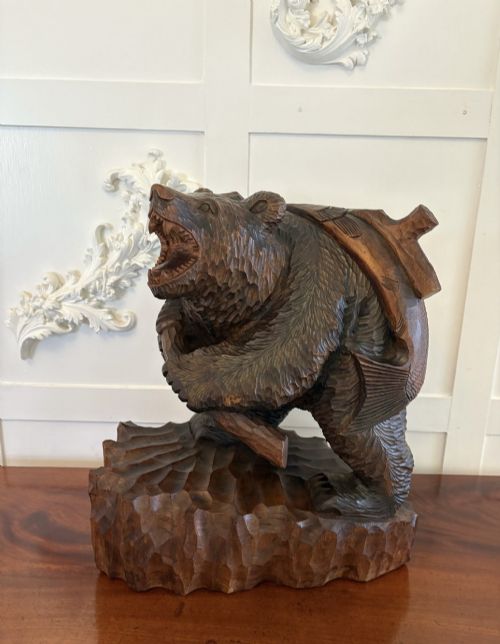
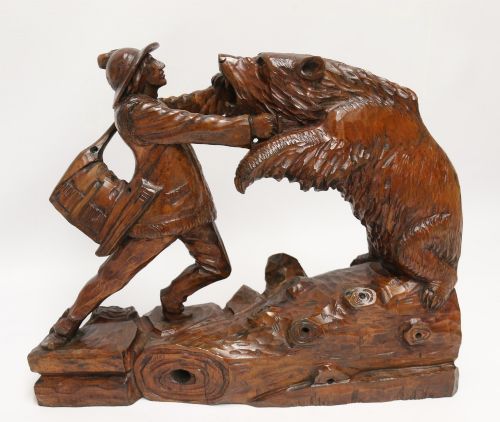
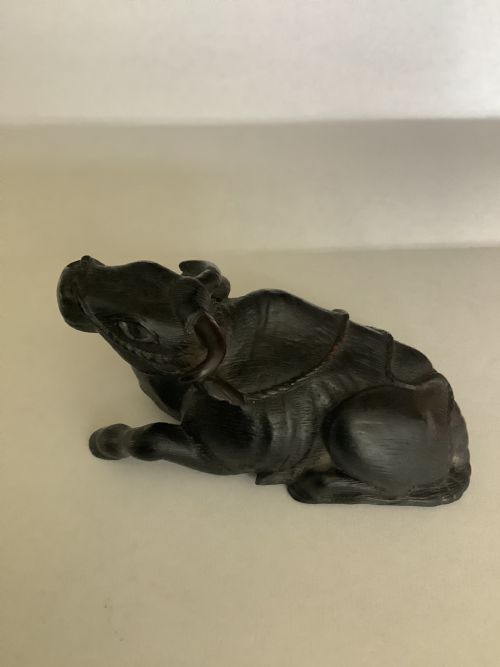
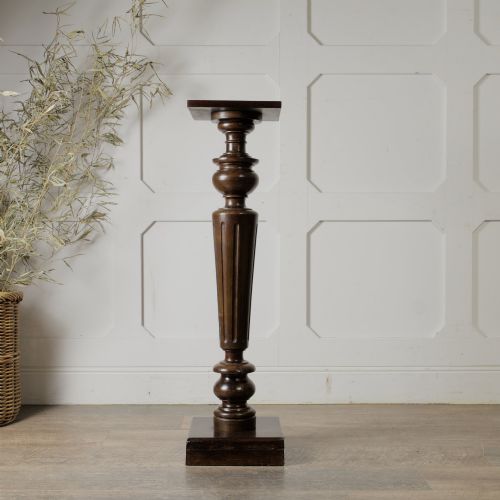
The most common examples on this page derive from the 19th and early 20th centuries, heavily weighted toward European Black Forest carvings, folk art decoys, and architectural elements such as pedestals and columns. Buyers also find Asian export pieces, including Chinese hardwood immortals and Japanese boxwood netsuke, reflecting global trade in carved timber.
Forms vary between free-standing figures, animal studies, wall reliefs, and functional objects like bookends and torchiere bases. The primary appeal lies in the tactile nature of carved timber, whether finished with gesso, paint, gold leaf, or left in the natural grain of walnut, oak, and fruitwood.
Materials and construction
Makers utilised a variety of native and exotic timbers, predominantly oak, walnut, linden wood, fruitwood, and boxwood, selecting each for its grain density and response to hand chiselling. Hardwoods allowed for intricate detail work in small figures, whilst larger architectural panels and figures utilised stable oak or lime wood.
Surface treatments play a crucial role in the execution of these pieces, incorporating hand-applied paint, polychrome pigments, gesso, and gold leaf highlights to enhance texture and mimic more costly materials. Many items display the direct tool marks of the carver, showing the transition from rough blocking out to fine surface finishing.
Antique Wood Sculpture Retail Price Guide 2026
Typical asking prices for wood sculpture among the pieces listed under this phrase on Sellingantiques today, from the lower quarter to the upper quarter. They describe what is for sale here now, not the wider market.
Among the menagerie of carved bears and storks, a pair of wooden goldfish bookends keeps watch over the bookshelf.
What separates the tiers
Quality in these carvings rests upon the anatomical proportion and expressive depth achieved by the maker, distinguishing spirited hand-carved animal and human studies from mechanical or repetitive workshop output. Superior pieces retain crisp detail in feathers, hair, and drapery without excessive sanding that softens the carving.
The integrity of the timber and the preservation of original surface finishes dictate the upper tier of pieces, where untouched polychrome paint, gesso, or patinated walnut remain intact. Lesser examples suffer from unsympathetic modern stripping, extensive timber shrinkage cracks, or poorly executed later repairs to protruding limbs and extremities.
J Huggler·René-Charles Masse·Jules Buste Labatut
The Antique Wood Sculpture Glossary
- Polychrome
- Decorated in a variety of colours. This term frequently describes medieval and 18th-century religious figures retaining their original painted surfaces.
- Gesso
- A plaster-based mixture applied to wood surfaces as a smooth base for gilding or painting. It provides the brilliant white ground seen beneath gold leaf.
- Black Forest
- A style of wood carving originating in Brienz, Switzerland, known for realistic depictions of bears, deer, and forestry themes. These pieces date predominantly to the 19th and early 20th centuries.
- Netsuke
- A small Japanese toggle carved from boxwood or ivory used to secure a pouch or basket to a kimono sash. They feature highly intricate miniature detailing.
- Torchiere
- A tall ornamental stand or candlestick base. In wood sculpture, these often take the form of carved putti or columns supporting a platform.
Antique Wood Sculpture: Frequently Asked Questions
How do I date an old wood carving?
Dating relies upon tool marks, timber shrinkage patterns, style, and the composition of underlying surface preparations like gesso or priming paint. Earlier pieces often display broad adze or chisel marks, whilst later works show mechanical sawing or fine rasping.
Comparison with documented examples from specific periods, such as 17th-century oak panels or 19th-century Black Forest animalier studies, helps establish a reliable window of manufacture.
Are painted wooden sculptures original?
Many sculptures, particularly religious figures and folk art objects, were intended to be painted or polychromed from the outset. Original pigment layers often show craquelure and dirt accumulation consistent with age.
One must examine the surface under magnification to distinguish period paint from later re-decoration, which appears flat and lacks the underlying wear of genuine age.
How should I care for a wooden sculpture?
Wooden sculptures require stable environmental conditions away from direct sunlight, central heating sources, and rapid humidity fluctuations. Excessive dryness causes timber to split, whilst moisture damages gesso and painted surfaces.
Dusting should be performed gently with a dry, soft brush, avoiding silicone-based polishes or wet cloths that penetrate unsealed grain and lift fragile finishes.
What is the difference between folk art and fine art carvings?
Fine art sculptures follow academic traditions of anatomy, proportion, and classical iconography, often produced by trained studio carvers or academies. Folk art carvings display a charming directness and regional character.
Objects like decoy ducks, bird boxes, and naive animal figures prioritise utility and local aesthetic over strict academic rules, carrying the distinct personality of the individual maker.