
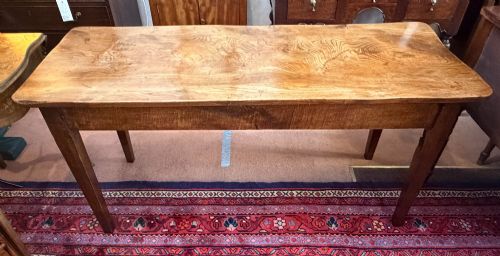
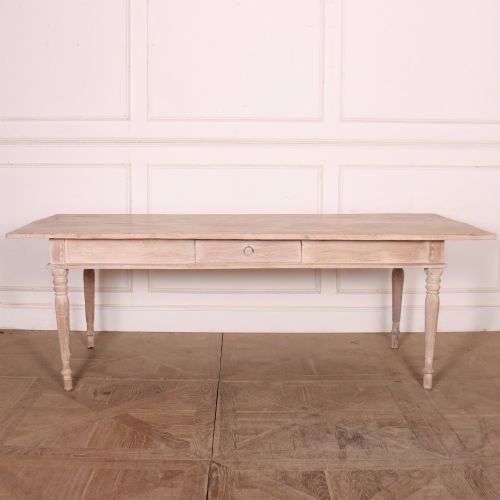
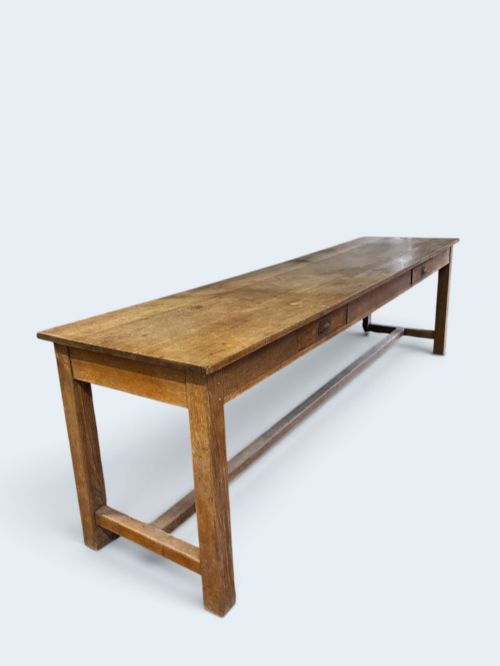
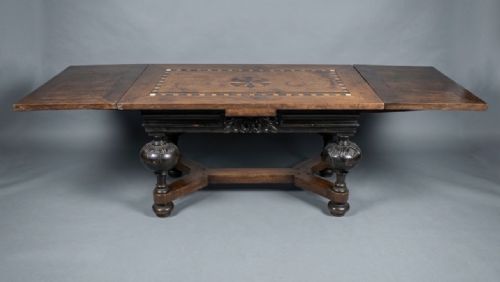
Antique Wood Refectory Table
An antique wood refectory table brings historic craftsmanship and long timber surfaces into a modern dining room.
Antique Wood Refectory Table
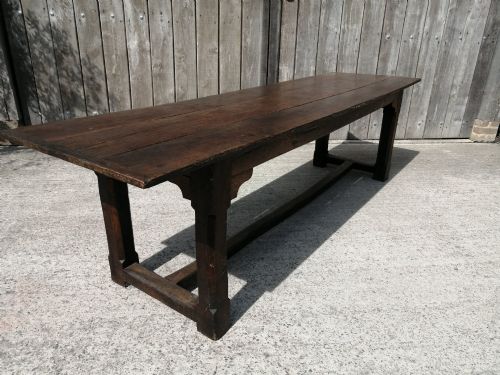
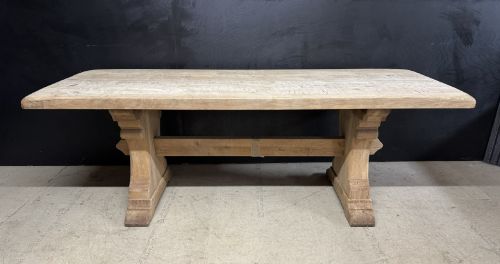
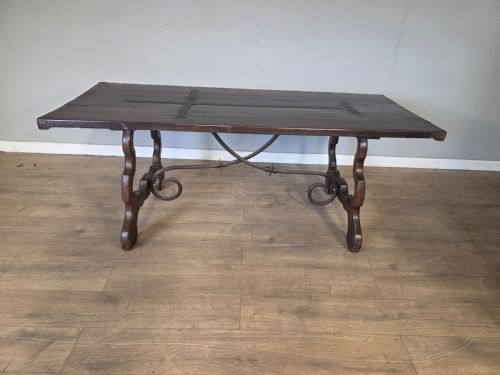
When you search for an antique wood refectory table, you encounter long, narrow boards designed originally for communal dining in monasteries and large houses. The listings span multiple centuries, ranging from seventeenth-century Spanish and Dutch examples to nineteenth-century French and English pieces.
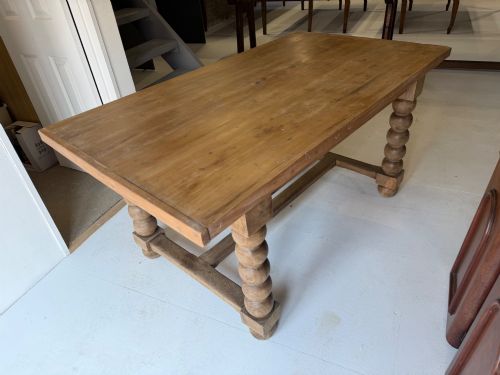
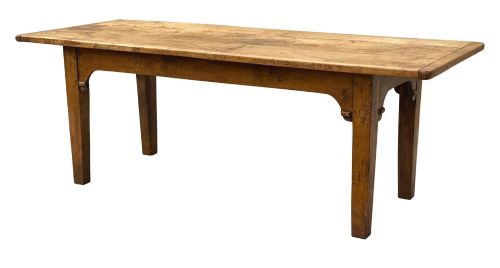
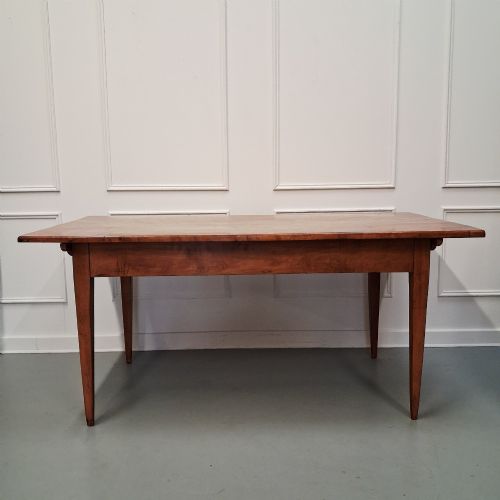
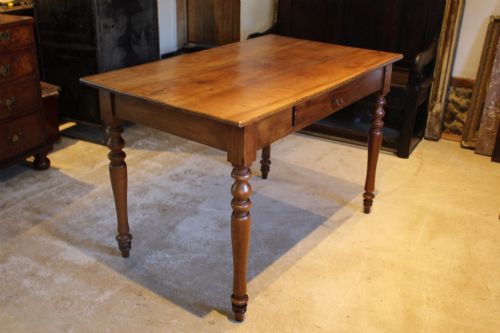
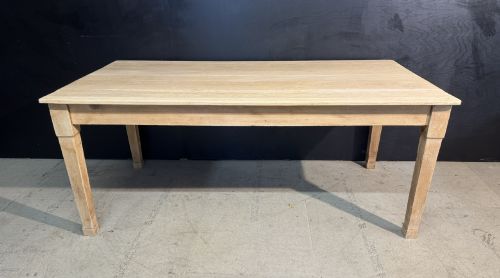
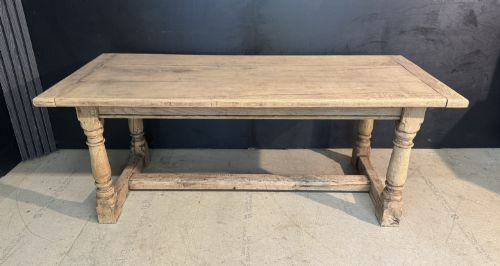
The version you meet most often on this page is the nineteenth-century French farmhouse or country refectory table, typically constructed from oak or cherry wood. These pieces often feature stretcher bases and generous proportions suited to contemporary dining spaces.
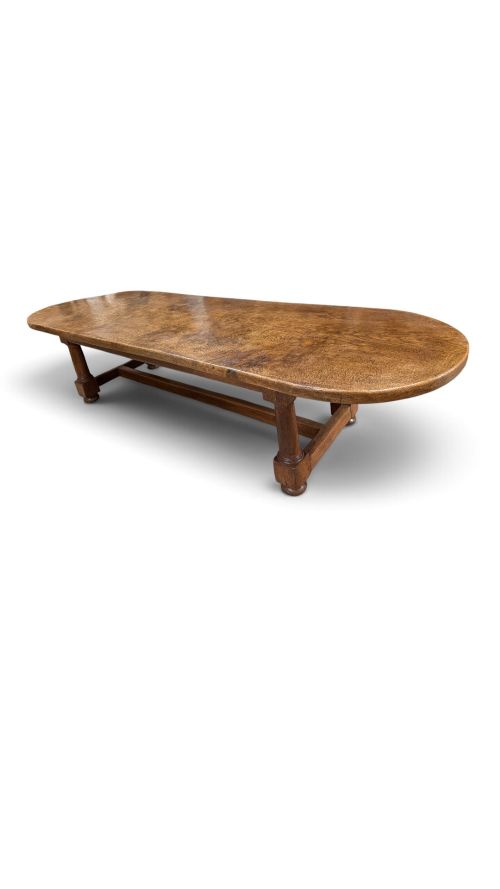
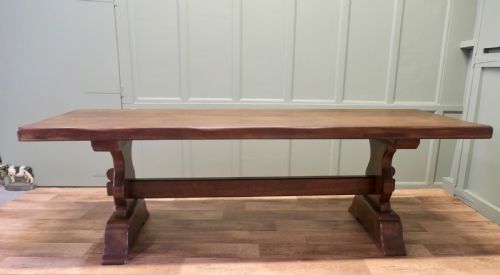
Beyond standard dining formats, the selection includes related forms such as serving tables, tavern tables, and coffee tables adapted from older timber. Regional styles encompass French Provincial, Spanish Baroque, and Arts and Crafts designs.
Materials and construction
Hardwoods dominate the construction, with solid oak, elm, cherry wood, and fruitwood providing the primary surfaces and structural frames. Carpenters utilised thick single planks or two-board tops joined securely for daily use.
Joinery methods rely on sturdy stretchers, draw-leaf extensions, and pegged joints rather than modern fasteners. Surfaces frequently retain patinated finishes developed through decades of domestic use and polishing.
The listings feature timbers including oak, elm, pine, cherry wood, fruitwood, ash, and walnut across periods from the seventeenth to the twentieth century.
Distinctions in quality
The finest pieces display original timber surfaces with deep, untouched patinas accumulated over centuries of use. Superior examples retain their early construction integrity without excessive timber replacement in the top boards or base.
Proportion and wood selection separate exceptional regional pieces from simpler utility tables. Grain alignment, timber density, and regional stylistic flourishes elevate certain oak and cherry tables above standard vernacular examples.
The Antique Wood Refectory Table Glossary
- Refectory table
- A long dining table historically used in monastic dining halls. These pieces are characterised by their elongated proportions and sturdy underframes.
- Draw-leaf extension
- A mechanism featuring pull-out leaves stored beneath the main top. This allows the table length to increase when needed for guests.
- Stretcher
- A horizontal timber connecting the legs of a table for added stability. End stretchers are typical in many regional farmhouse designs.
- Breadboard ends
- Transverse pieces of timber fixed to the ends of a main table top. This technique helps control the natural seasonal movement of solid wood boards.
- Patina
- The surface sheen and colour developed by wood over years of ageing and handling. Good examples show depth and warmth across the grain.
Antique Wood Refectory Table: Frequently Asked Questions
How do I care for an old wood table?
Maintain timber surfaces by applying natural beeswax rather than modern silicon sprays. Keep the wood away from direct heat sources to prevent the boards from splitting.
Clean spills promptly with a dry or barely damp cloth. Regular gentle polishing preserves the historic finish and texture of the grain.
What periods do these tables come from?
The available selection spans from the seventeenth century through to the early twentieth century. Seventeenth and eighteenth-century examples feature early patination and traditional joinery.
Nineteenth-century tables form the largest group, showing French Provincial and regional styles. Early twentieth-century pieces include Arts and Crafts designs and revival styles.
Are these tables suitable for daily use?
Solid hardwood construction makes these tables robust for everyday dining and family gatherings. Thick oak, elm, and cherry boards withstand regular service without losing structural integrity.
Using heat mats and protective pads safeguards the historic surface from damage. The timber has already endured generations of domestic life.
How do I identify French regional tables?
French farmhouse and country tables frequently utilise cherry wood, fruitwood, or local oak. Characteristic details include breadboard ends, substantial stretcher bases, and sometimes integrated drawers.
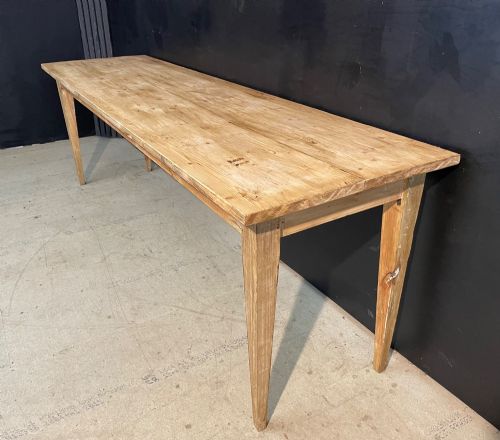
These pieces reflect distinct provincial cabinet-making traditions rather than formal London or Paris workshop styles. The lighter bleached oak finishes often reflect twentieth-century decorative treatments.