
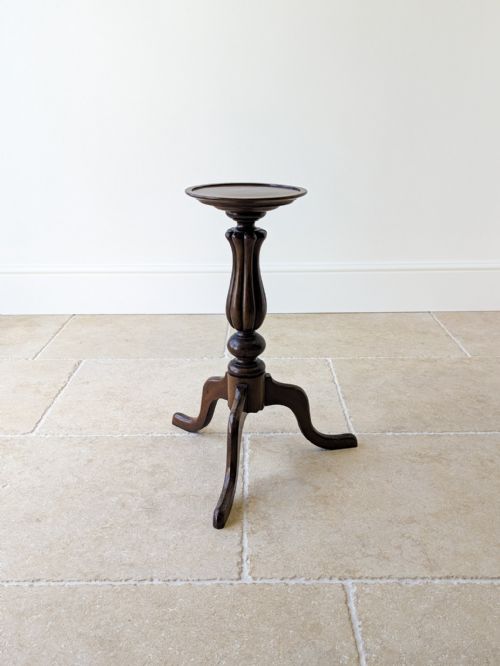
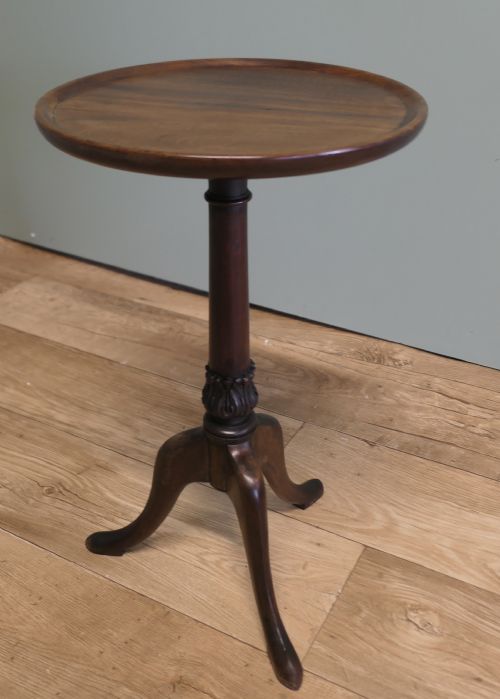
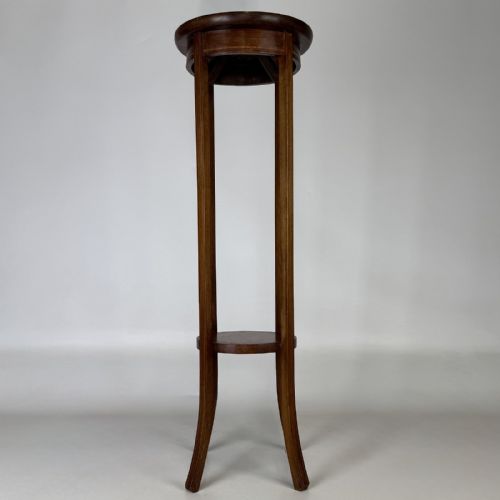
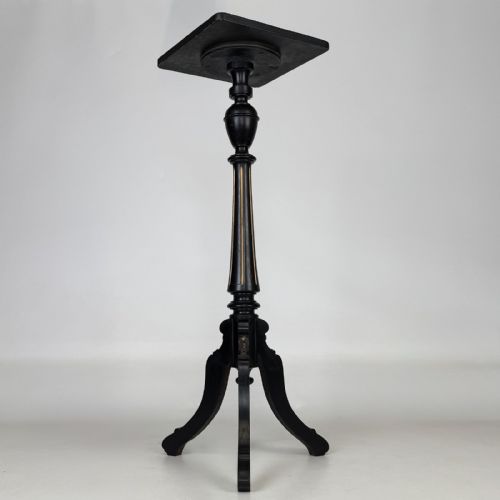
Antique Wood Pedestals
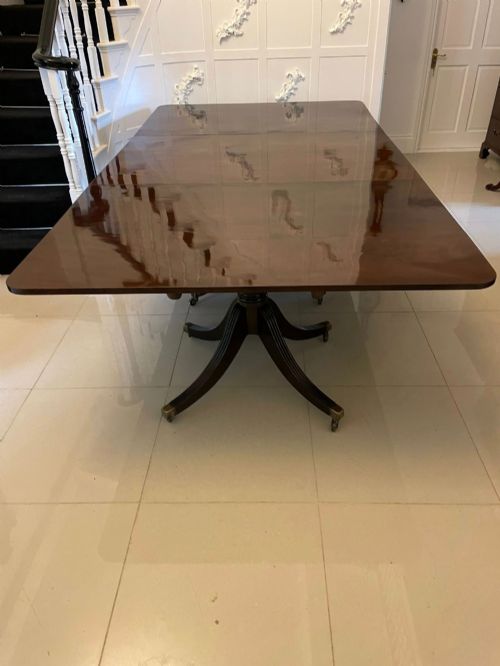
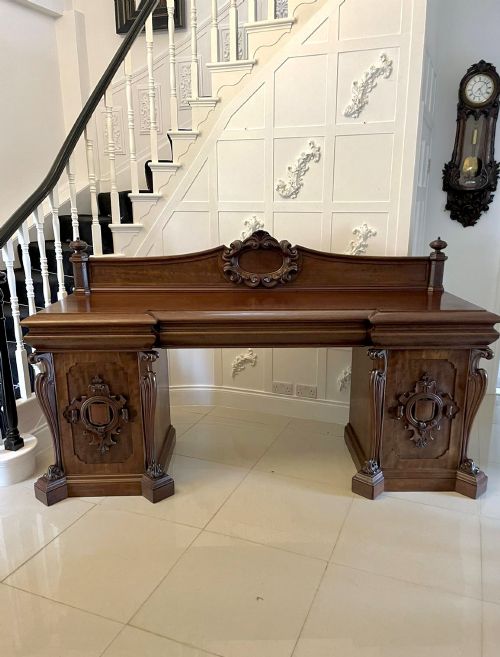
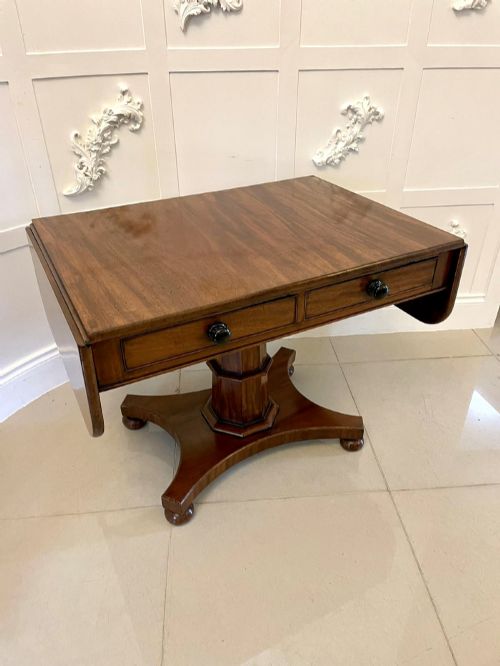
These antique wood pedestals and pedestal tables span the eighteenth, nineteenth, and early twentieth centuries in mahogany, rosewood, oak, and walnut.
Antique Wood Pedestals
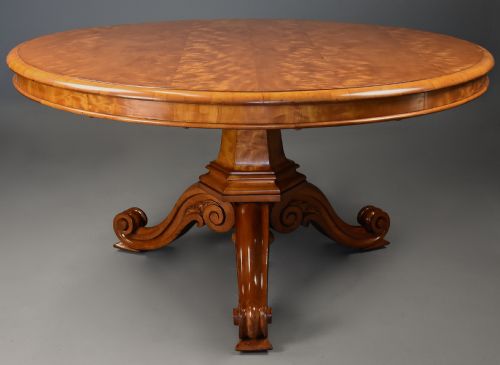
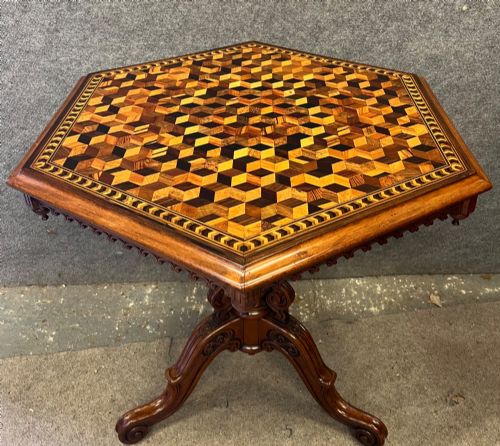
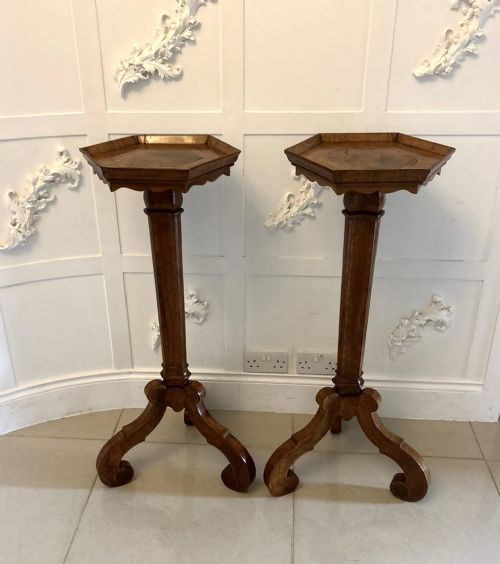
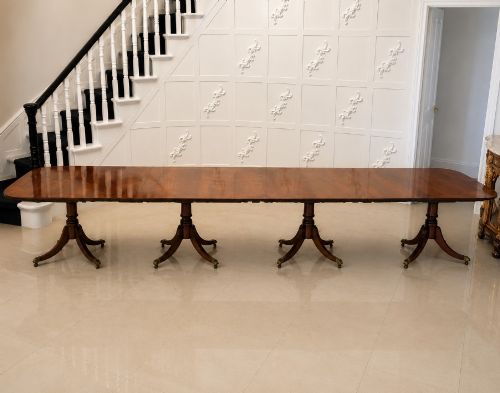
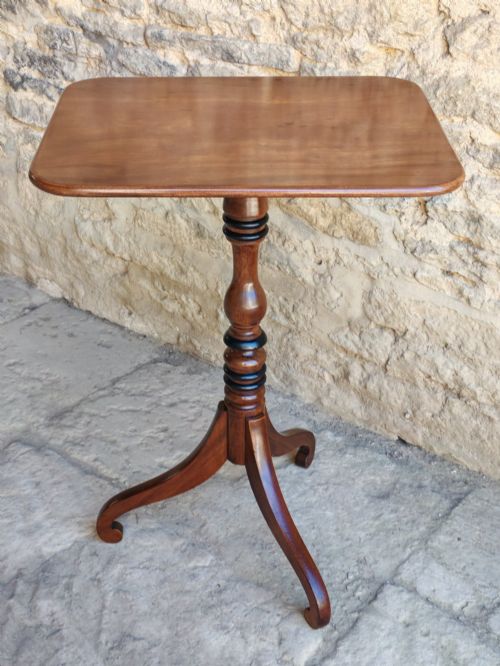
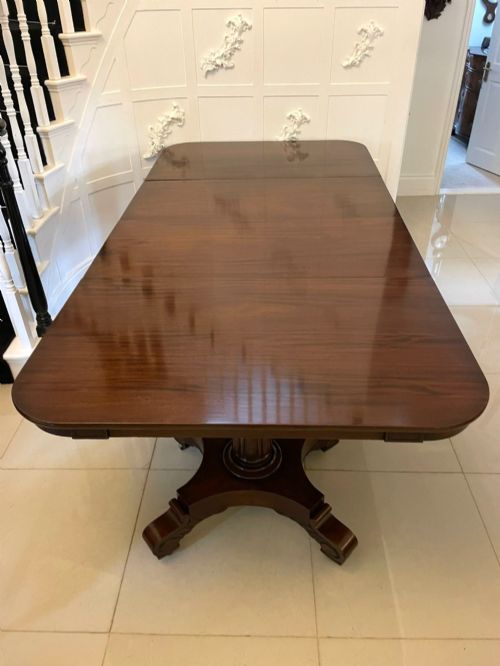
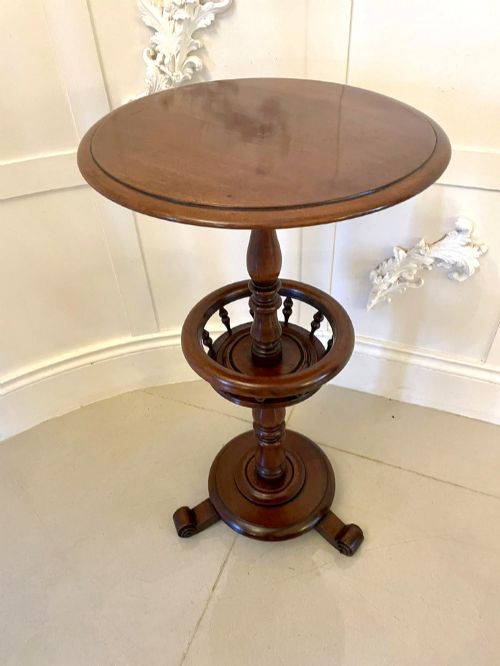
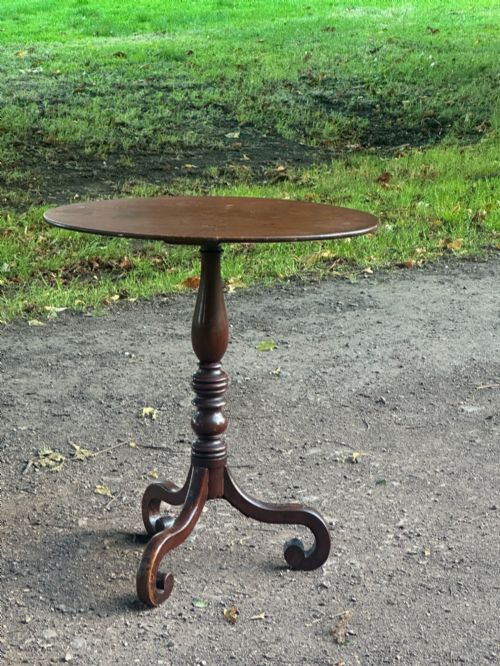
The most frequent examples on this page are multi-pedestal dining tables and smaller single-pillar wine or lamp tables. Mahogany and rosewood dominate the material record, frequently shaped with tilt-tops, triform bases, or brass inlays. Makers and workshops from London to the provinces utilised native and exotic timbers to construct these sturdy supports.
How they were made
Cabinetmakers constructed these supports using dense hardwoods such as mahogany, rosewood, oak, and walnut, frequently selecting figured veneers like burr birch and flame mahogany for visible surfaces. Structural elements often integrated brass, leather, and giltwood details to accent the turned pillars and carved bases.
Joinery techniques relied on solid timber construction, secure tenons, and weighted central columns designed to balance heavy tabletops or raised platforms. Individual components, from tilt-top mechanisms to moulded pillar mounts, were hand-finished and polished to highlight the natural grain of the wood.
Some nineteenth-century tables include hidden tilt-top mechanisms that let grand furniture double as wall art.
What varies in quality
The standard of a piece rests upon the selection of timber and the precision of the carving on the central pillar and base. Superior examples exhibit figured mahogany or burr veneers with crisp hand-carved details, whereas simpler utilitarian items rely on plain timber boards and minimal turning.
Proportion and stability separate the finest examples from standard production. A well-balanced triform or pedestal base ensures the piece remains level and firm, while lesser items may show imbalances or heavy-handed later restorations.
Gillows of Lancaster·Hewetsons London·George Bullock·Trollope And Sons
The Antique Wood Pedestals Glossary
- Pedestal
- A structural support or column that elevates a tabletop, urn, or decorative object. It forms the central load-bearing element of many dining tables and lamp stands.
- Tilt-top
- A tabletop hinged to its central pillar so it can be folded vertically when not in use. This mechanism saved space in smaller historic rooms.
- Triform base
- A three-sided or three-legged support structure beneath a pillar. It provides stability for circular breakfast and lamp tables.
- Flame mahogany
- A decorative veneer cut from timber where the branches join the main trunk. It creates a distinctive flamelike grain pattern prized in cabinetmaking.
Antique Wood Pedestals: Frequently Asked Questions
How do I date a pedestal table?
Dating relies on the combination of timber species, construction methods, and stylistic cues such as leg profiles and carving motifs. Eighteenth-century pieces frequently display mahogany or walnut with hand-turned pillars, while Victorian examples often incorporate rosewood and heavier moulded bases.
Examining the underside and interior joints reveals tool marks and assembly methods specific to periods like the Regency or Edwardian eras. Comparing these physical characteristics with recorded workshop styles helps narrow the decade of manufacture.
Were these pedestals used for dining?
Many large pedestal tables served as dining furniture, particularly multi-pedestal formats from the Georgian and Regency periods. The modular pillar design allowed households to extend tables for large gatherings and separate them when space was required.
Smaller single-pedestal tables functioned as wine tables, lamp stands, or Pembroke tables for occasional parlour use. Their compact footprints made them versatile for serving drinks or displaying decorative ornaments.
How should I care for antique wood?
Maintaining antique wood requires stable room humidity and protection from direct sunlight to prevent timber splitting and veneer lifting. Regular dusting with a dry, soft cloth preserves the polished finish without risking moisture damage.
Applying occasional beeswax feeds the historic polish and enhances the grain depth. Avoid modern silicone sprays, which can penetrate porous historic finishes and attract dust.
What is a tilt-top mechanism?
A tilt-top mechanism uses a hinged block beneath the tabletop that allows the surface to pivot upright. This engineering solution enabled large tables and stands to be stored flat against a wall when not in use.
In period pieces, the catch and pivot pins were hand-forged from brass or iron. A secure catch prevents the top from wobbling during everyday use.