

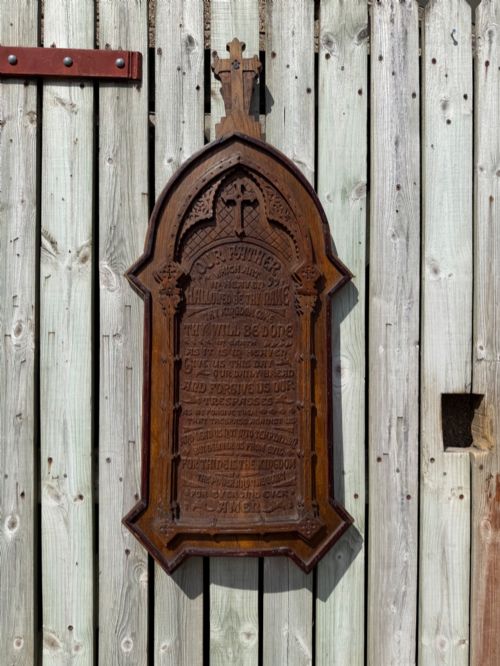
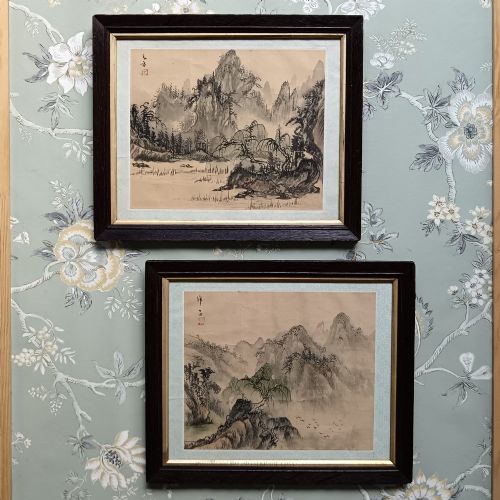
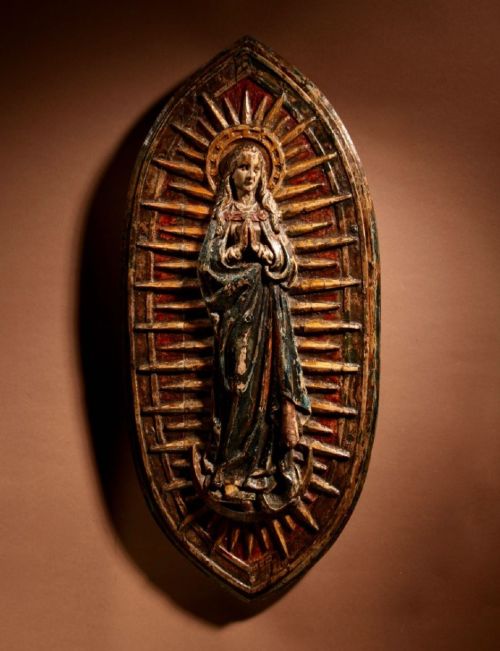
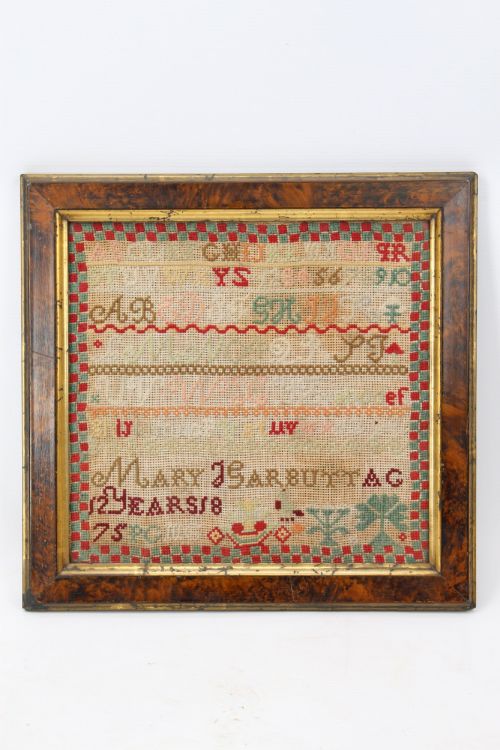
Antique Wood Panel Art
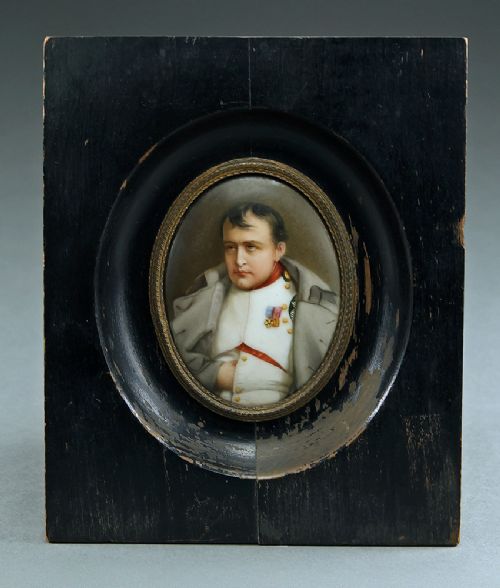
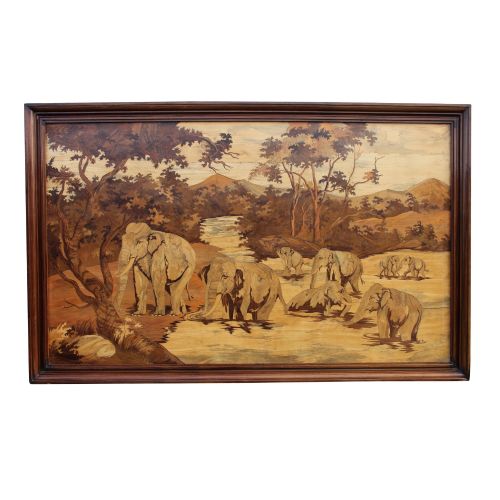
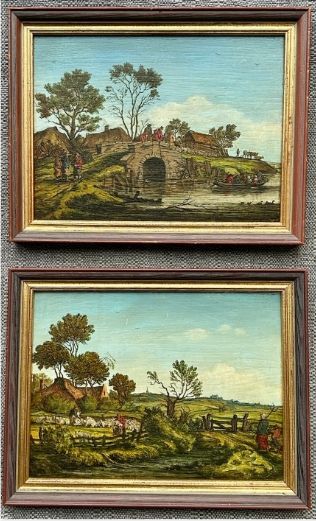
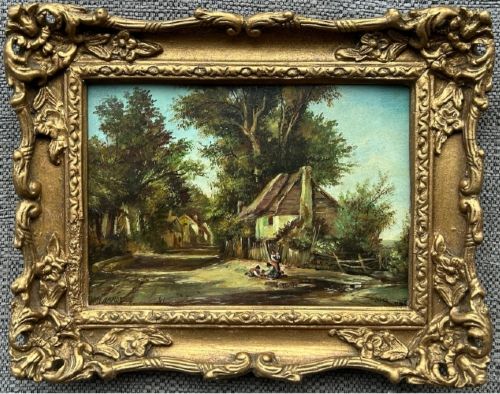
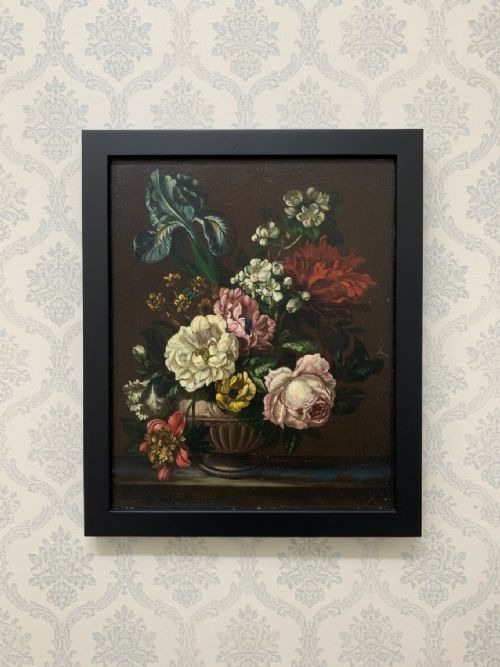
When you search for antique wood panel art, you encounter oil paintings, carved architectural fragments, and folk reliefs originating from the sixteenth century onwards.
Antique Wood Panel Art
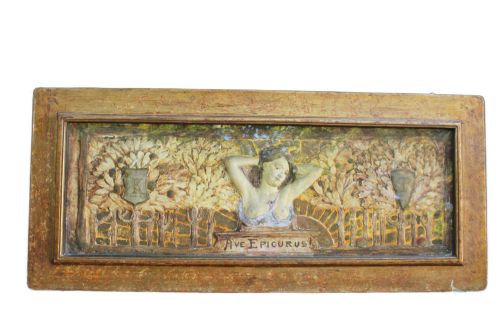
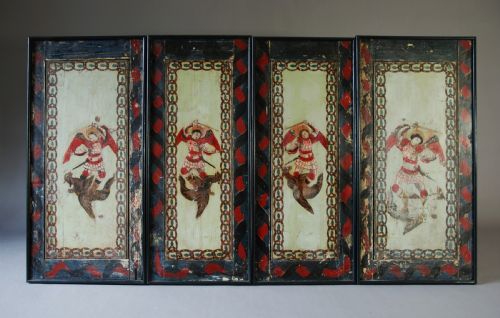
When searching for antique wood panel art, buyers meet a diverse range of objects spanning wall art, oil paintings, carved reliefs, and decorative plaques from multiple European and British traditions.
The selections on this page draw heavily from the nineteenth century and early twentieth century, alongside earlier survivals from the seventeenth and eighteenth centuries.
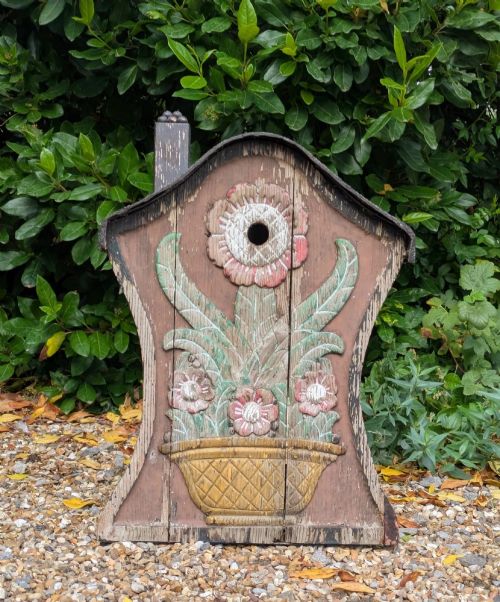
Common forms include framed oil paintings on wood or wooden board, carved architectural panels, heraldic plaques, and naive folk pieces created in pine, oak, and chestnut.
Materials and technique
Makers utilised solid timbers such as oak, pine, and chestnut as the rigid foundation for both sculptural carving and fine brushwork.
Surface decoration frequently involved oil paint, sometimes applied over gesso grounds or combined with gold leaf for decorative wall reliefs and portraits.
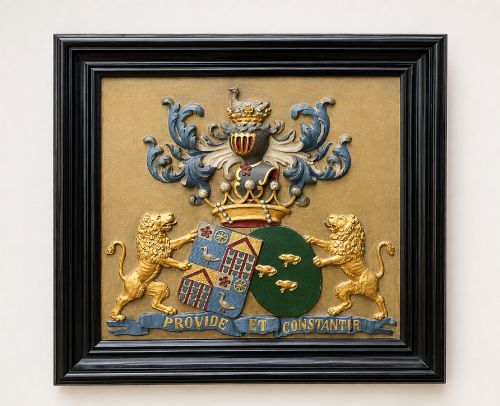
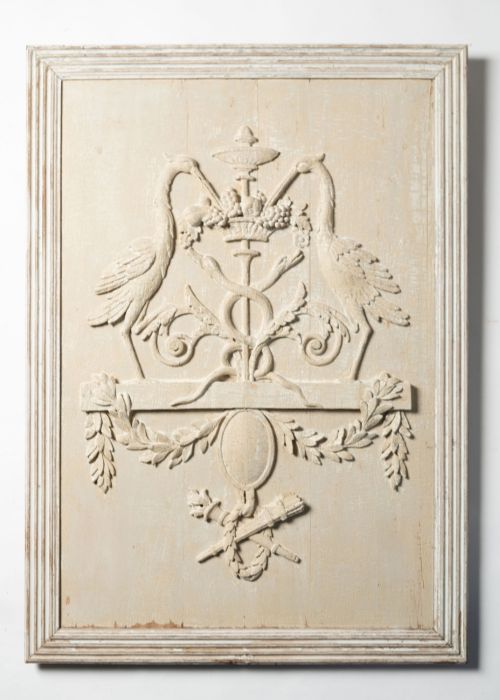
Carved pieces relied on hand chisels to shape timber panels into relief scenes, heraldic coats of arms, and architectural over-doors.
The selection includes British and European landscape oils, Dutch still lifes, needlework samplers, and carved architectural wall reliefs.
What separates the range
Quality rests upon the execution of the hand, whether in the accomplished brushwork of a portrait or the precise depth of a carved wooden relief.
The condition of the timber substrate and the original integrity of the paint layer or surface carving distinguish accomplished studio works from provincial or naive examples.
Joseph Clover RA·Tom Campbell·William Howard Hardy·Michelangelo Meucci·Florence Adelina Hess·Paul Elie Gernez·Margaret Fisher Prout·Arthur Bowmar Porter
The Antique Wood Panel Art Glossary
- Panel painting
- A painting executed on a flat piece of wood rather than canvas. This substrate provides a rigid support used extensively by European and British schools.
- Gesso
- A plaster mixture applied to wood panels to prepare a smooth surface for painting or gilding. It creates an opaque white layer that holds fine detail.
- Relief
- A sculptural technique where figures or ornamentation project from a flat background. Carved wooden examples often served as architectural elements or altarpieces.
- Trompe l'oeil
- An artistic illusionistic painting style designed to trick the eye into perceiving painted objects as three-dimensional reality. It appears frequently in still life works.
- Heraldic plaque
- A decorative panel displaying coats of arms or family crests. These carved or painted wooden pieces often recorded marriages or lineages.
Antique Wood Panel Art: Frequently Asked Questions
How do I date antique wood panels?
Dating relies upon examining the tooling marks on the reverse of the wood, the composition of the paint or gesso layers, and the prevailing stylistic conventions of the period.
Secondary clues include framing materials, original inscriptions, and historical wear patterns consistent with centuries of placement in domestic or ecclesiastical settings.
Where should I hang wood panel art?
These pieces suit spaces away from direct heat sources and strong sunlight, which can dry out ancient timbers and cause paint or gesso to crack.
Securing them to internal walls with stable humidity ensures the wood panel remains flat and avoids warping over seasonal changes.
Are oil paintings on wood fragile?
Wood is a living material that expands and contracts with changes in atmospheric moisture, meaning the rigid paint layer can experience stress if humidity fluctuates wildly.
Stable indoor conditions prevent the wood substrate from splitting and protect delicate oil pigments and gold leaf from lifting.
How do I clean antique wood panels?
Dusting gently with a dry, soft brush or microfiber cloth is sufficient for removing surface debris without introducing moisture to aged timber or vulnerable paint.
Avoid commercial cleaning sprays, water, and oils, as these substances penetrate porous old wood and compromise historical finishes.