


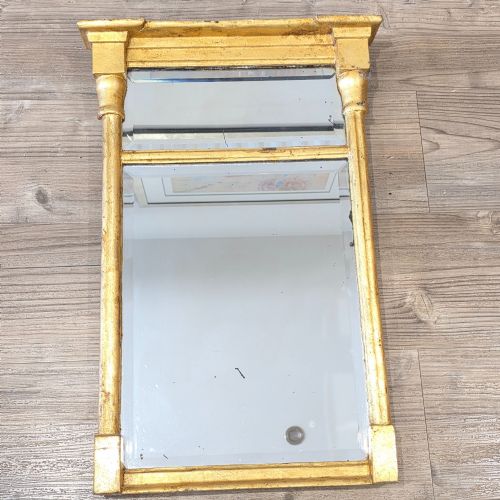
Antique Wood Overmantel
When you search for an antique wood overmantel, you discover large, heavily framed mirrors designed to anchor a fireplace and reflect the room's light.
Antique Wood Overmantel
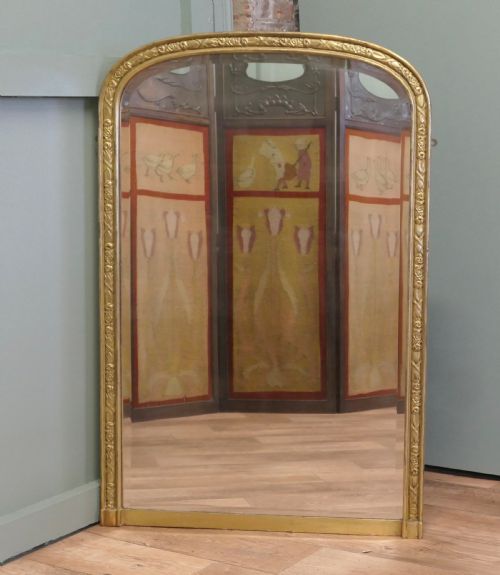
An antique wood overmantel serves as a commanding focal point above a fireplace, combining functional glass with decorative timber framing. The selections span 18th-century French designs to later Victorian and Edwardian English pieces.
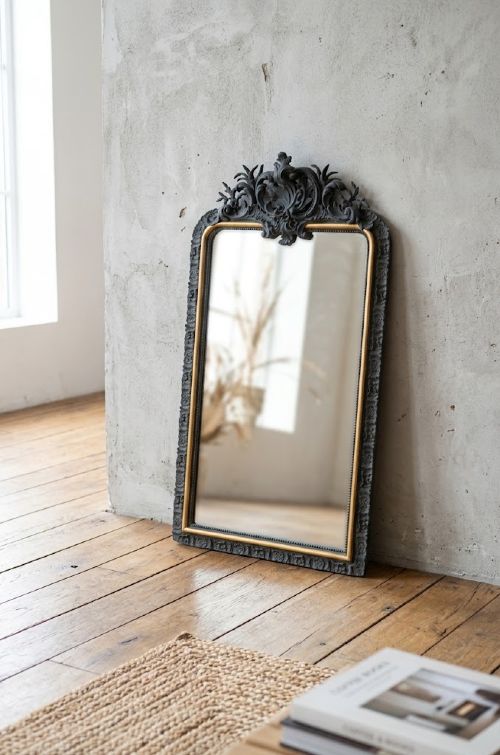
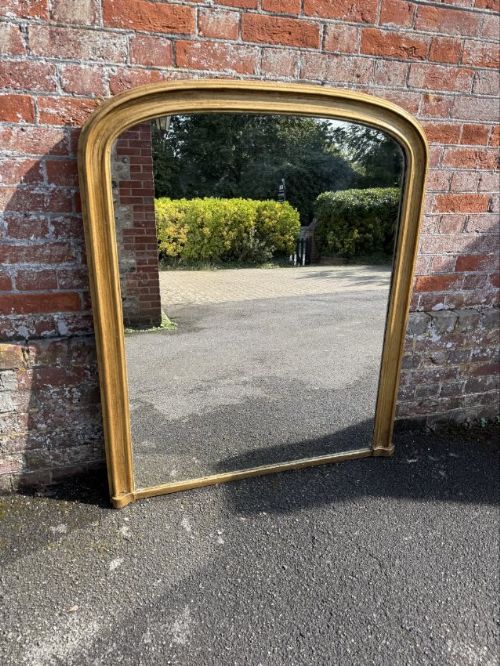
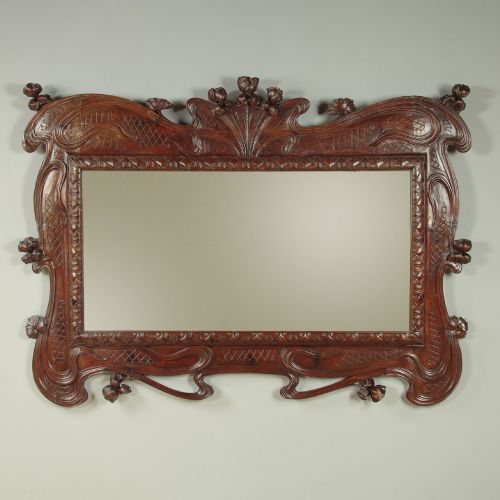
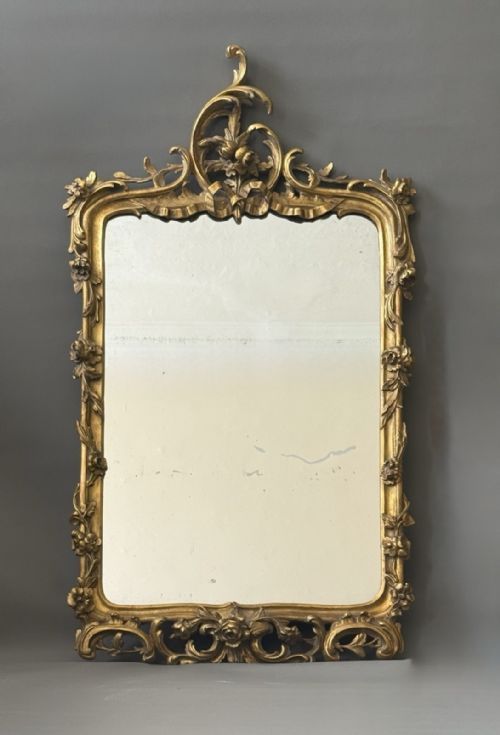
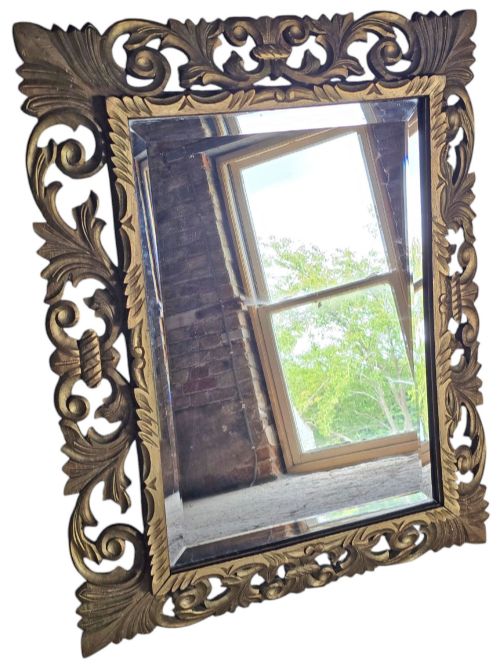
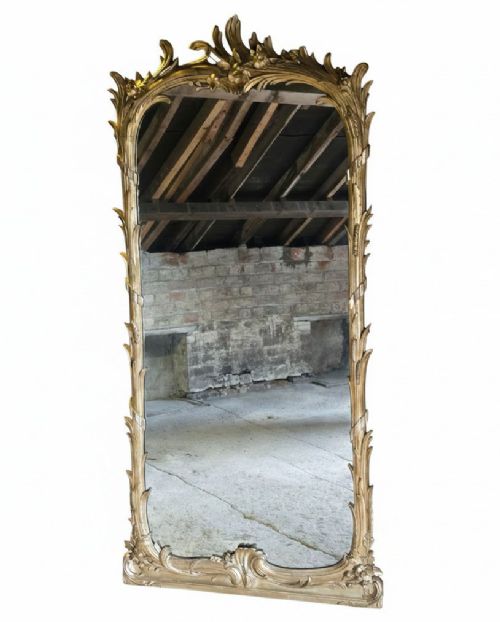
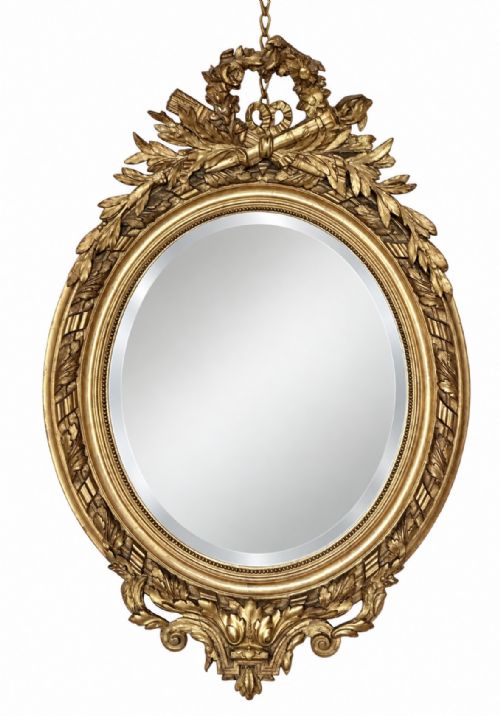
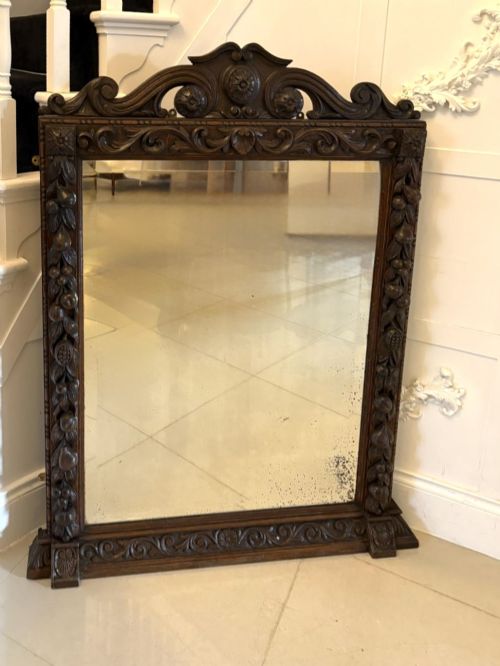
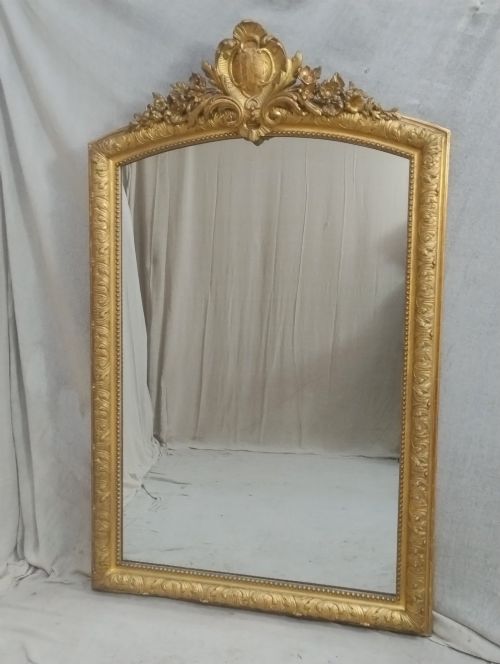
Most examples found in this category feature substantial proportions, often carved with arches, scrollwork, or floral motifs. These mirrors were built to occupy the broad wall space traditionally left empty between the mantelpiece and the ceiling.
Originating largely from English and French workshops, these items incorporate styles ranging from Regency restraint to ornate Rococo Revival and Chinese Chippendale influences.
How They Were Made
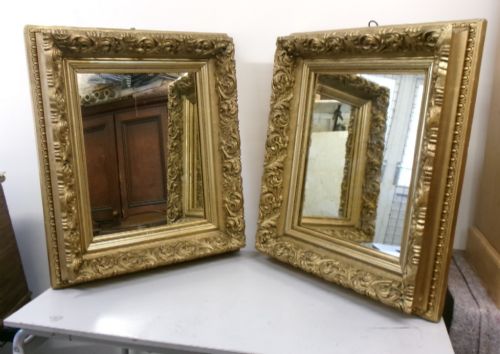
The foundation of these frames typically relies on solid woods such as oak, walnut, rosewood, or mahogany, which were frequently layered with gesso to receive intricate carved details. Artisans applied gold leaf or paint over the prepared surfaces to achieve a gilded or decorated finish.
The mirror plates themselves, whether original mercury glass or later bevelled alternatives, were set securely into the wooden rabbets behind the heavy frames.
Listings feature woods like oak, walnut, rosewood, and mahogany alongside gesso and gold leaf.
What Varies in Quality
The distinction between tiers of quality rests upon the depth and crispness of the wood carving and the preservation of the original surface finish. Pieces displaying hand-carved gesso work executed with precision command greater regard than simpler, flatter mouldings.
The integrity of the frame construction and the survival of the original mirror plate, including authentic foxeding, further differentiate standard examples from exceptional ones.
Waring & Gillow
The Antique Wood Overmantel Glossary
- Overmantel
- A large mirror or panel specifically designed to be hung or placed directly upon the mantelpiece above a fireplace.
- Gesso
- A plaster-like mixture applied to wood frames to provide a smooth surface for carving, gilding, or painting.
- Mercury glass
- An early type of silvered glass created by pouring a mercury amalgam behind the pane, often exhibiting characteristic foxing and dark spots over time.
- Pier glass
- A tall mirror designed to be hung on the narrow pier of wall space between windows.
- Trumeau
- A decorative wall mirror or panel featuring an oil painting or carved motif incorporated into the upper section of the frame.
Antique Wood Overmantel: Frequently Asked Questions
How do I hang a heavy overmantel safely?
Due to their substantial weight and large wooden frames, these mirrors require secure wall fixings anchored directly into masonry or heavy timber studs. Professional installation ensures the mounting hardware safely supports the downward load of the piece.
Positioning the frame at the correct height above the mantelpiece also distributes visual weight evenly across the chimney breast.
Are the mirror plates original?
Many surviving examples retain their original glass plates, which often display signs of age such as oxidation, foxing, or minor silver loss. These authentic blemishes confirm the period manufacture of the item.
Replacement plates do appear in pieces that underwent restoration during their long histories of use.
How do I clean an antique gilded frame?
Gilded wood surfaces require delicate maintenance using a soft, dry brush to remove dust without disturbing the fragile gold leaf or gesso layers. Moisture and modern chemical cleaners should be strictly avoided to prevent stripping the historic finish.
Gentle care preserves the underlying patina built up over centuries of display.
How can I tell a Victorian overmantel from a Regency one?
Regency pieces often display cleaner, neoclassical lines with rosewood or giltwood finishes inspired by classical antiquity. Victorian examples tend towards heavier proportions, richer carved acanthus leaves, and elaborate Rococo Revival styling.
Examining the construction methods and the style of the wooden frame usually reveals the period of manufacture.