

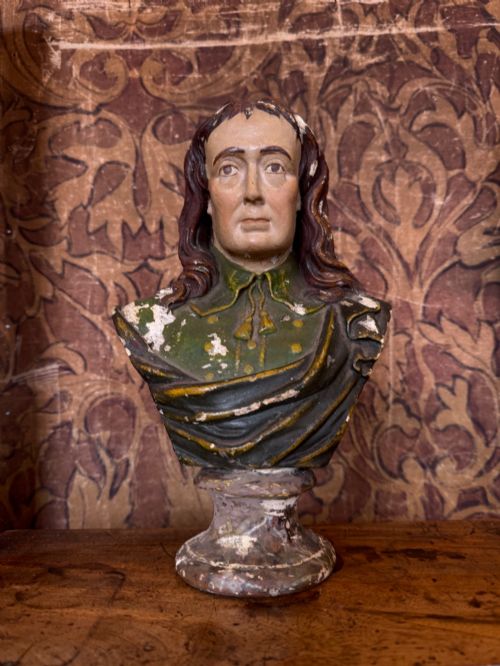
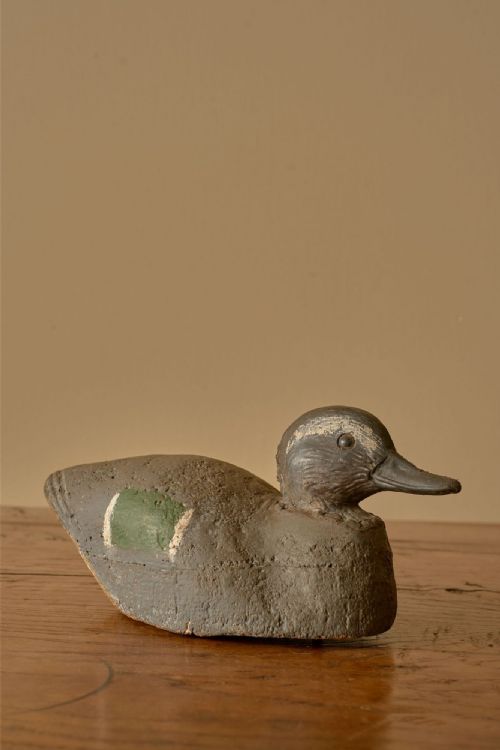
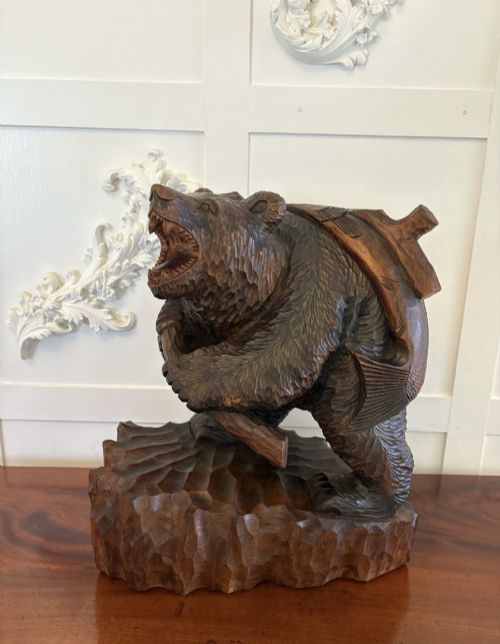
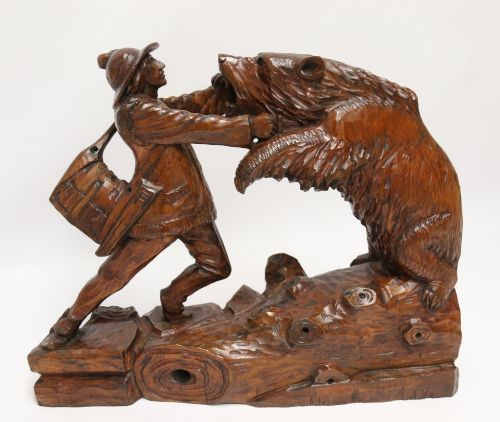
Antique Wood Ornament
An antique wood ornament brings texture and history to a room, offering carved figures and animals shaped by hands long gone.
Antique Wood Ornament
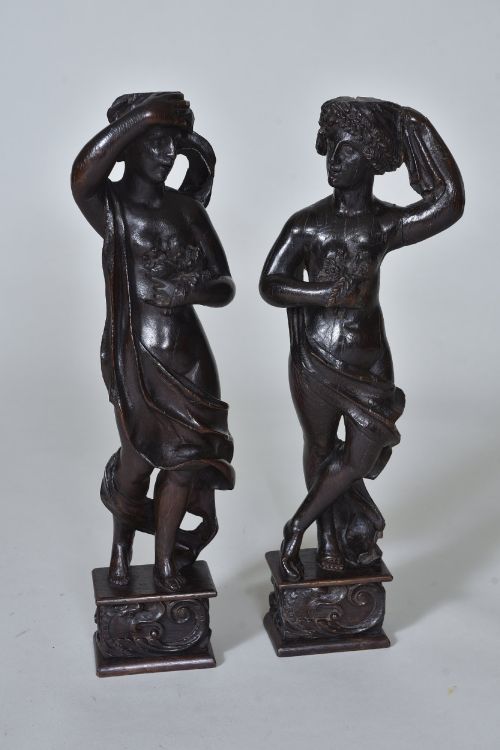
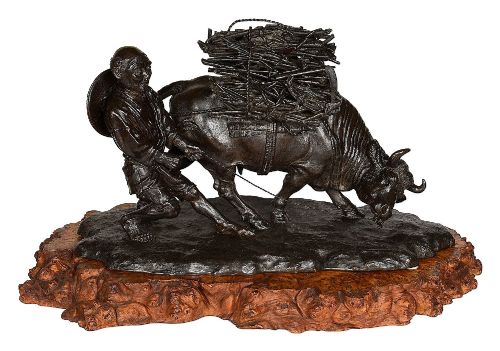
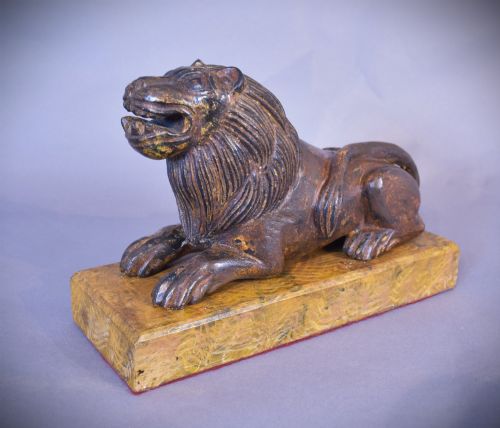
When you search for an antique wood ornament, you encounter a diverse gathering of small sculptures, architectural fragments, and decorative objects made from timber. These pieces span several centuries, with particular emphasis on the nineteenth and early twentieth periods.
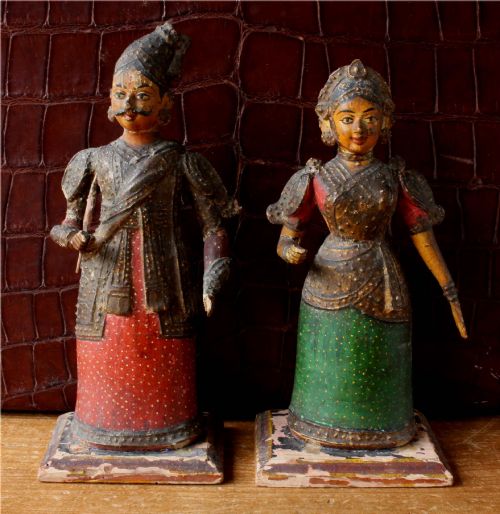
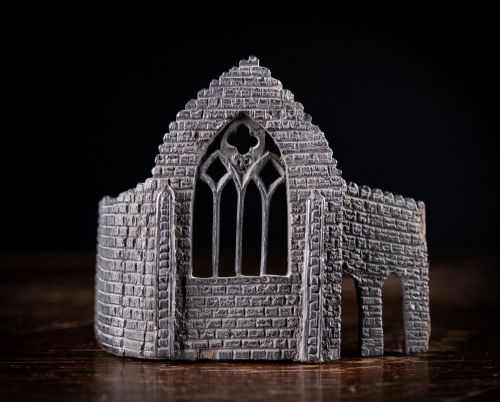
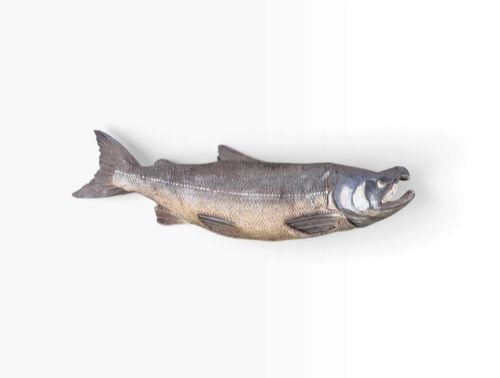
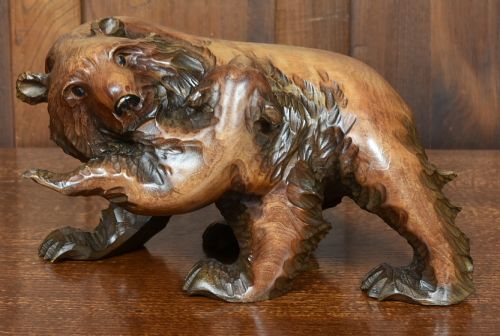
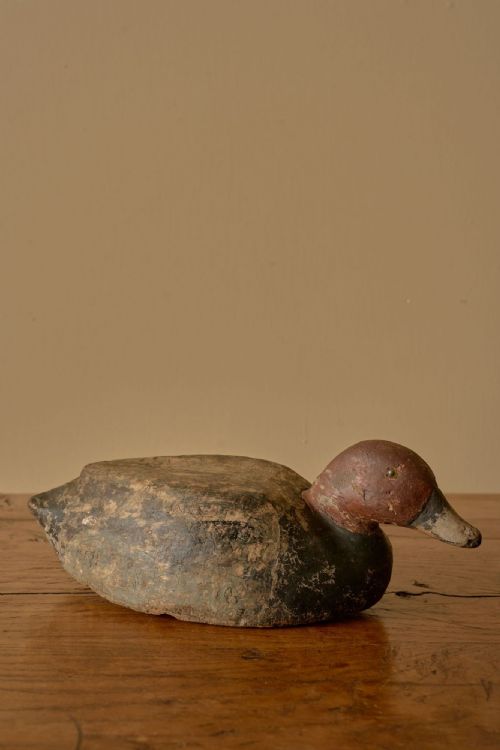
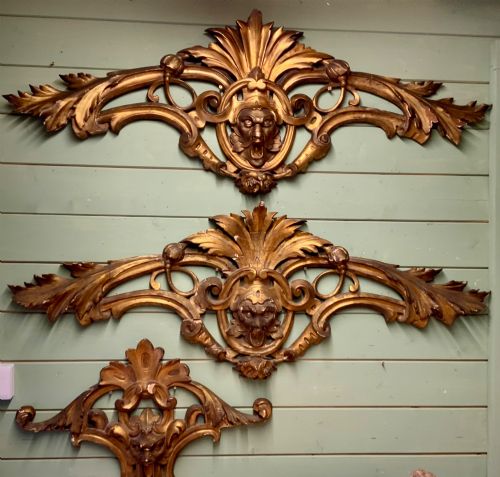
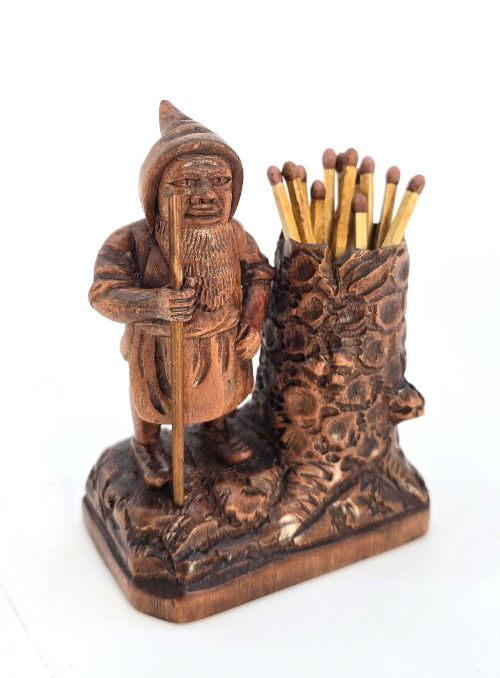
The selection ranges widely in form and origin, taking shape as European Black Forest animal carvings, Japanese folk art bears, decoy ducks, and French wall panels. You are most likely to meet animal studies, human figures, and architectural elements originating from workshops in Britain, continental Europe, and East Asia.
How They Were Made
Maker's hands relied primarily on native and exotic timbers such as walnut, oak, linden wood, cedar, and teak, shaping the material with chisels and gouges. Relief panels and freestanding figures demonstrate traditional joinery and carving techniques honed across generations.
Surface treatments vary from bare polished grain to painted finishes, sometimes incorporating contrasting elements like brass stands or glass eyes. Artisans utilised the natural grain and burls of the timber to add movement and depth to animal pelts, drapery, and foliage.
Antique Wood Ornament Retail Price Guide 2026
Typical asking prices for wood ornament among the pieces listed under this phrase on Sellingantiques today, from the lower quarter to the upper quarter. They describe what is for sale here now, not the wider market.
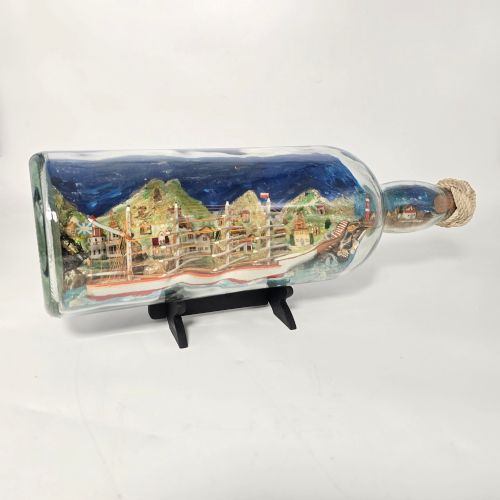
The selection includes animal figures, architectural fragments, decoy ducks, and globes originating from Britain, France, Japan, and Switzerland.
What Varies in Quality
Material selection also dictates standing, with dense hardwoods or finely grained limewood allowing for crisper execution than coarser timbers. The integration of the natural wood form into the subject matter separates mechanical production from inspired sculpture.
The Antique Wood Ornament Glossary
- Black Forest
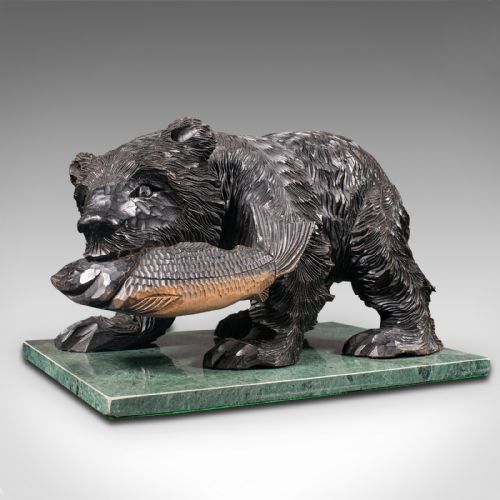
- A style of wood carving originating from the Brienz region of Switzerland, famous for realistic depictions of bears, deer, and alpine fauna. These pieces often utilise walnut and limewood.
- Kibori Kuma
- A traditional Japanese style of wooden bear carving produced extensively in Hokkaido as folk art. These sculptures frequently depict bears holding salmon or adopting lively poses.
- Folk Art
- Objects created by self-taught or provincial makers working outside mainstream academic traditions. The results prioritise direct expression over strict proportion.
- Limewood
- A pale timber with a fine, even grain favoured by carvers because it resists splitting and allows for intricate detail. It forms the base of many European figural carvings.
Antique Wood Ornament: Frequently Asked Questions
How do I identify Black Forest carvings?
Black Forest carvings are typically rendered in rich walnut or limewood, featuring realistic representations of animals such as bears, dogs, and chamois. They often incorporate practical elements like inkwells, bookends, or match strikers into the sculpture.
The style emerged from Swiss and German woodworking communities during the nineteenth century, celebrating alpine motifs with deep undercutting and textured fur.
Where should I place these ornaments?
These wooden pieces suit locations where their texture and detail can be appreciated up close, such as bookshelves, sideboards, or mantelpieces. Pairs of bookends or vases work well to anchor symmetrical displays.
Keep them away from direct heat sources and strong sunlight to prevent the timber from drying out or splitting over time.
How do I care for wooden antiques?
Care for antique wooden ornaments involves keeping them in stable indoor conditions away from sudden temperature fluctuations and moisture. Dust them gently with a dry, soft brush rather than using wet cloths.
Occasional light application of appropriate conservation wax helps nourish the timber without building up heavy residues on the carved surfaces.