



Antique Wood Moulding
These items of antique wood moulding offer shaped timber detailing and frames built across centuries to bring authentic architectural character to interior spaces.
Antique Wood Moulding
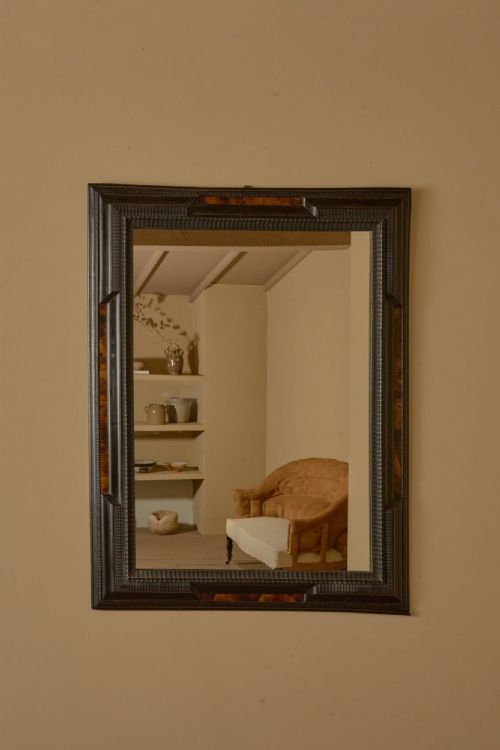
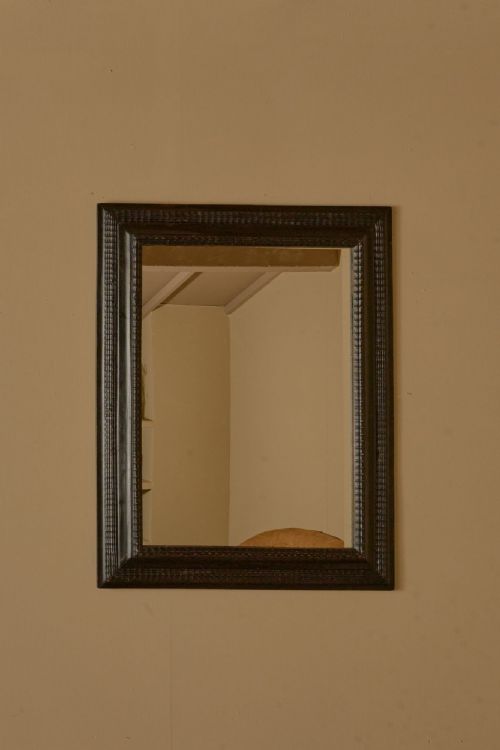
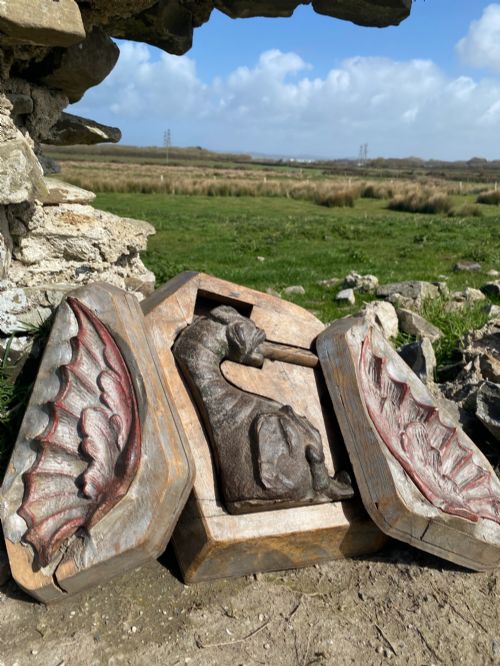
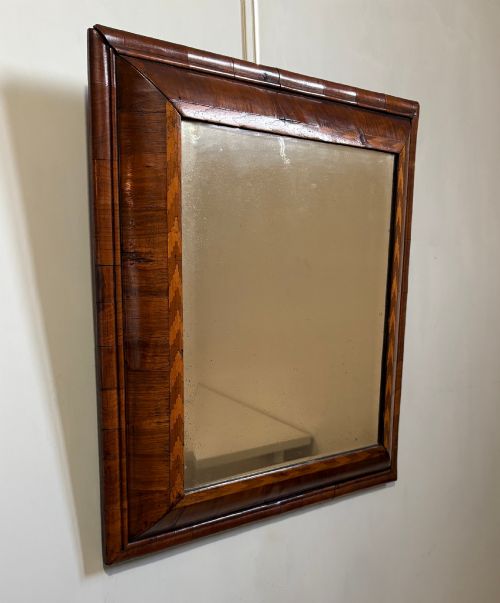
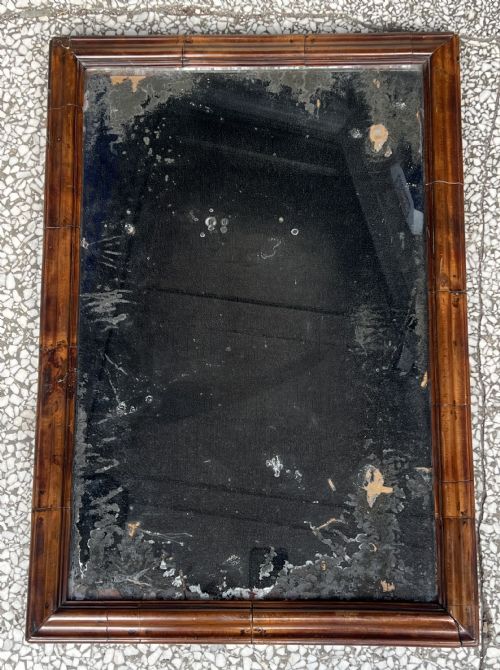
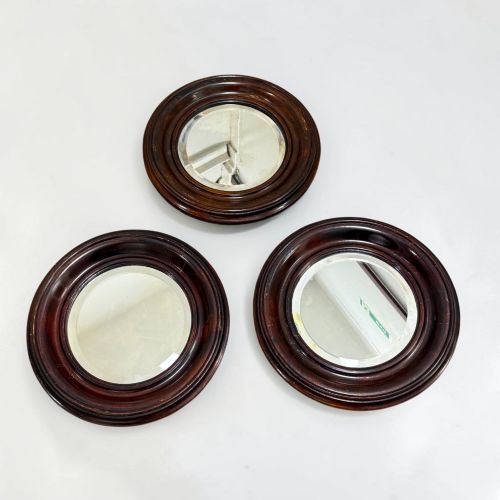
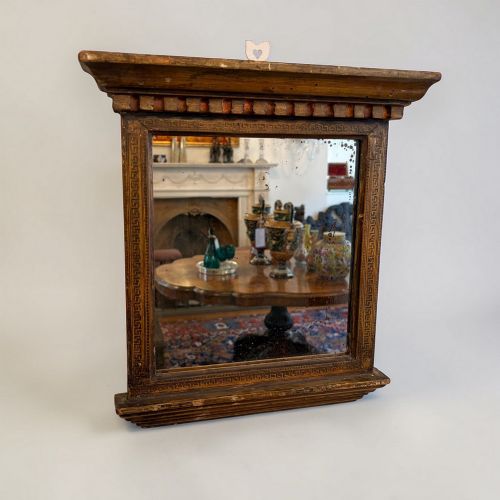
When searching for antique wood moulding, collectors typically encounter decorative architectural elements, mirrors, and picture frames integrated into structural woodwork or housing glass plates. These pieces span periods from the seventeenth century through to the early twentieth century, showing styles such as Jacobean, Georgian, and Victorian.
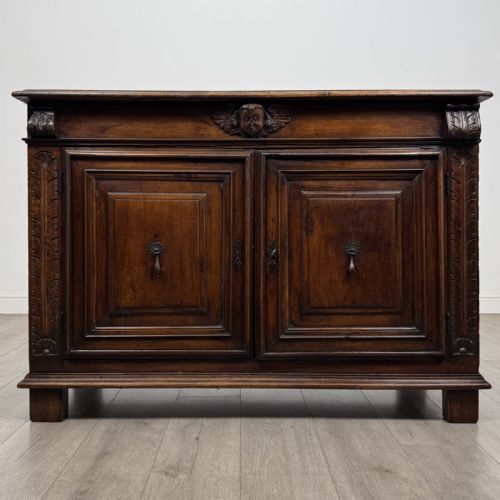
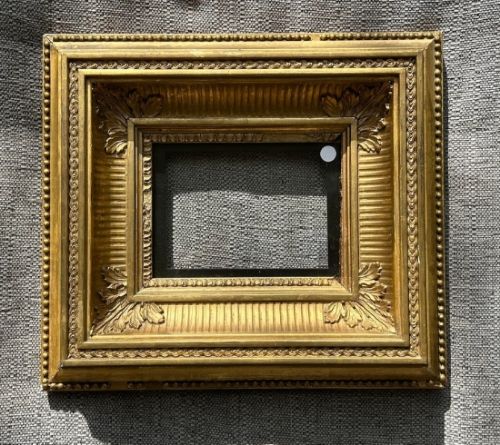
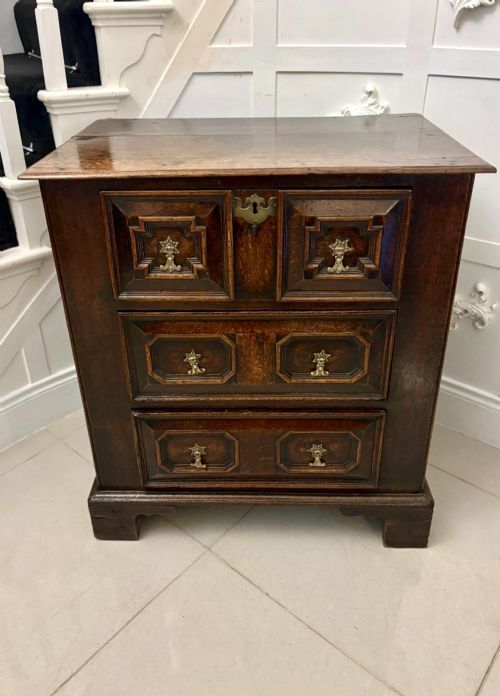
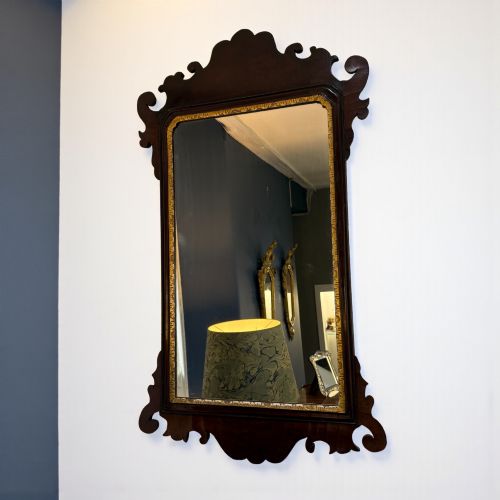
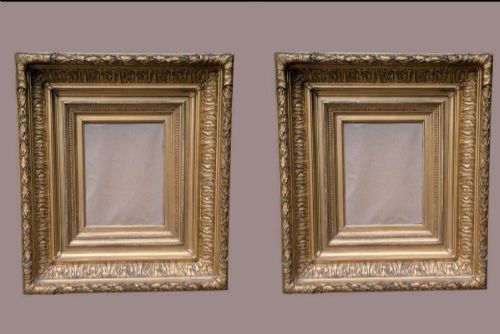
The version most frequently met on this page is the framed mirror or picture frame featuring carved wooden profiles, gesso ornamentation, and gilt finishes. Such items range from seventeenth-century geometric oak chests with panel moulding to nineteenth-century deep gilt frames and architectural salvage.
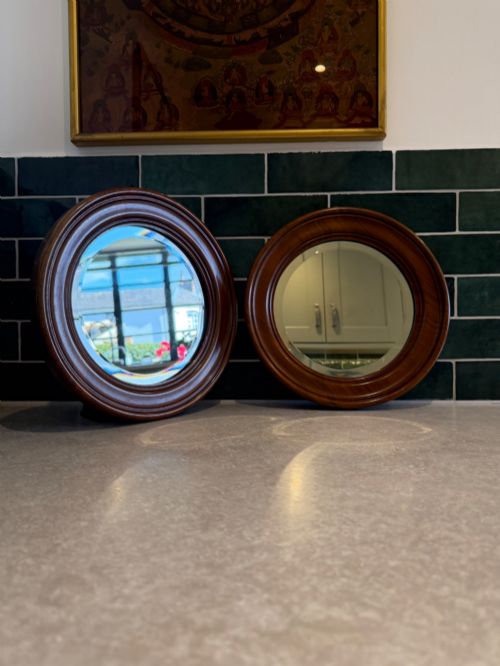
Originating from English, French, and broader European workshops, these items demonstrate how timber profiling served both structural and decorative purposes in domestic interiors. The selection covers diverse forms, including wall mirrors, chests of drawers, and decorative panels.
Materials and construction
Carpenters and artisans relied on primary timbers such as oak, walnut, mahogany, and maple, shaping them by hand using planes, gouges, and carving chisels. Hardwoods provided stable foundations for intricate geometric patterns and deep profiles.
Surfaces were frequently finished with gesso applied over the wood base, allowing craftsmen to mould crisp details like egg and dart motifs, beadings, and fluted hollows before applying gold leaf or paint.
Joints and assemblies depended on period woodworking techniques, with frames secured by mitred corners and chests constructed using traditional joinery to support heavy applied mouldings.
Antique Wood Moulding Retail Price Guide 2026
Typical asking prices for wood moulding among the pieces listed under this phrase on Sellingantiques today, from the lower quarter to the upper quarter. They describe what is for sale here now, not the wider market.
Listings feature oak, walnut, and mahogany timbers alongside applied gesso and gold leaf across multiple centuries.
Distinctions in craftsmanship
Quality rests in the crispness of the hand-carved detail and the depth of the timber profile rather than flat mechanical uniformity. Superior pieces retain sharp edges on mouldings and well-defined gesso relief work.
The integrity of the original surface finish separates exceptional examples from heavily restored ones, with genuine period gilding, ebonising, or polished wood grain showing natural ageing. Finer items demonstrate harmonious proportions where the moulding complements the scale of the mirror plate or panel it surrounds.
Materials also dictate grade, as denser hardwoods and heavier gauge metals or gold leaf indicate workshop execution intended for high-status interiors.
Enoch Wood And Sons
The Antique Wood Moulding Glossary
- Gesso
- A plaster-like mixture applied to wood surfaces as a base for paint or gilding. This substance is carved or moulded into intricate relief patterns.
- Giltwood
- Timber carved and coated with gold leaf or metallic paint. This finish creates a reflective and decorative surface on frames and mirrors.
- Egg and dart
- An ornamental moulding design alternating oval shapes with pointed arrowheads. This classical motif appears frequently on nineteenth-century frames.
- Ripple frame
- A picture frame featuring undulations carved across the wooden moulding. This technique creates rhythmic light patterns around the central glass.
Antique Wood Moulding: Frequently Asked Questions
How do I date an antique frame?
Dating relies on examining the underlying timber species, the composition of the gesso, and the assembly methods used at the corners.
Earlier pieces show hand-tool marks and traditional joinery, while later nineteenth-century examples often incorporate machine-cut mouldings and standardised hanging hardware.
Can I hang a heavy moulded mirror safely?
Heavy frames require robust wall fixings distributed across the weight-bearing points of the wooden chassis.
Professional mirror plates benefit from professional mirror brackets screwed directly into wall studs rather than standard picture wire.
What is the difference between gesso and carved wood?
Carved wood involves shaping the actual timber substrate with chisels and gouges to form the desired relief profile.
Gesso is a plaster mixture layered over the timber base and then shaped or stamped to create finer decorative details that wood alone cannot hold as sharply.
How should I clean antique gilt wood moulding?
Maintenance requires gentle dusting with a soft, dry brush to prevent abrasive particles from scratching the delicate metallic surface.
Moisture and chemical cleaning agents must be avoided entirely, as they dissolve water-soluble gesso grounds and strip historical gilding.