
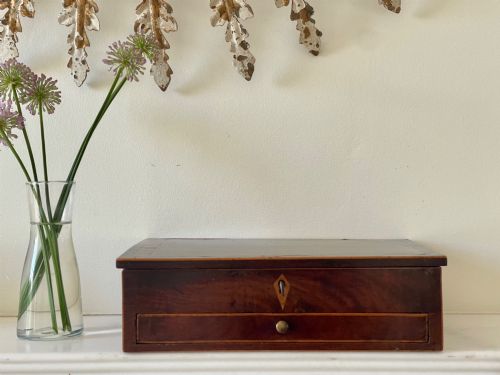
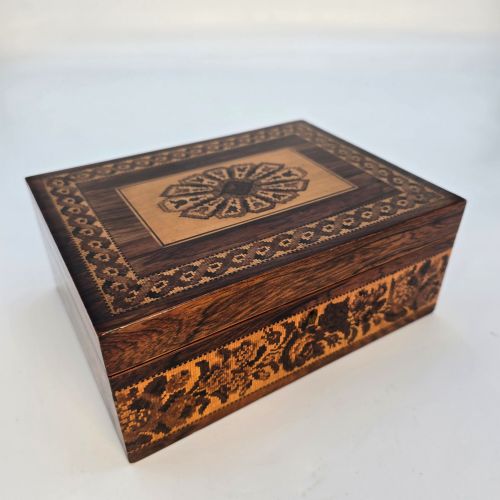
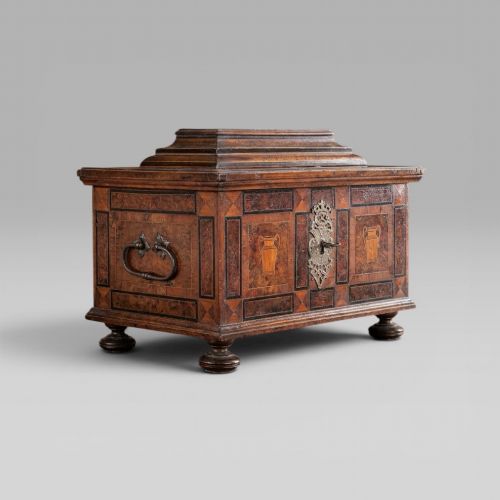
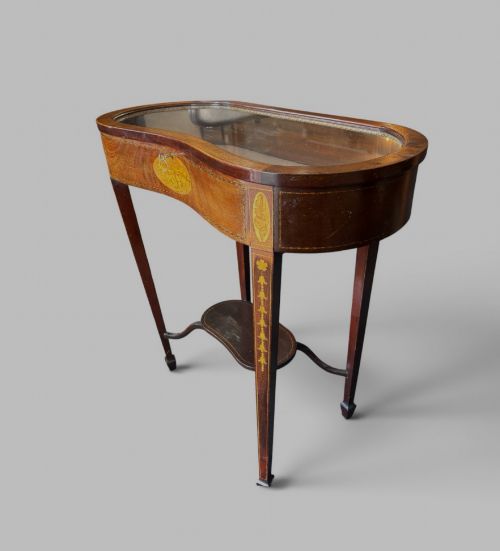
Antique Wood Jewellery Box
An antique wood jewellery box holds small treasures while bringing rich grain and historical craftsmanship to a dressing table.
Antique Wood Jewellery Box
An antique wood jewellery box encompasses lidded caskets, fitted dressing cases, and miniature chests designed to secure personal ornaments and keepsakes. These items span periods from the Georgian era through the Victorian age into the early twentieth century, reflecting shifting domestic habits.
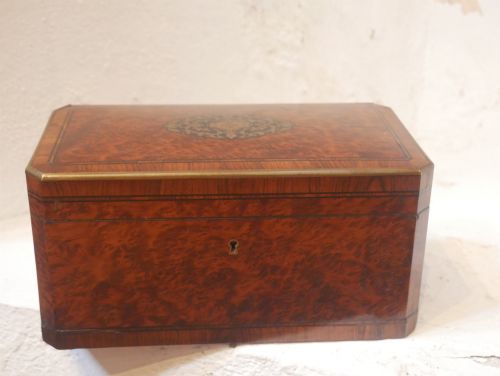
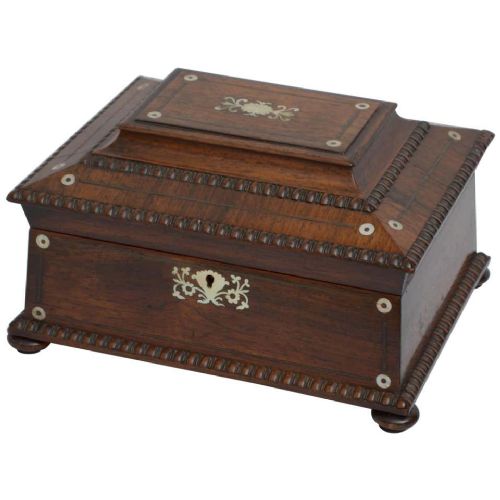
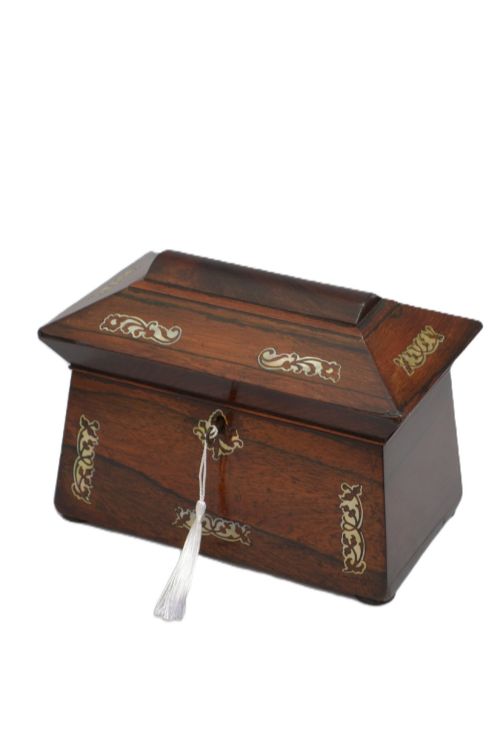
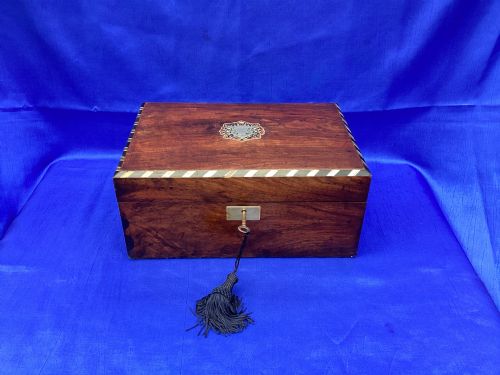
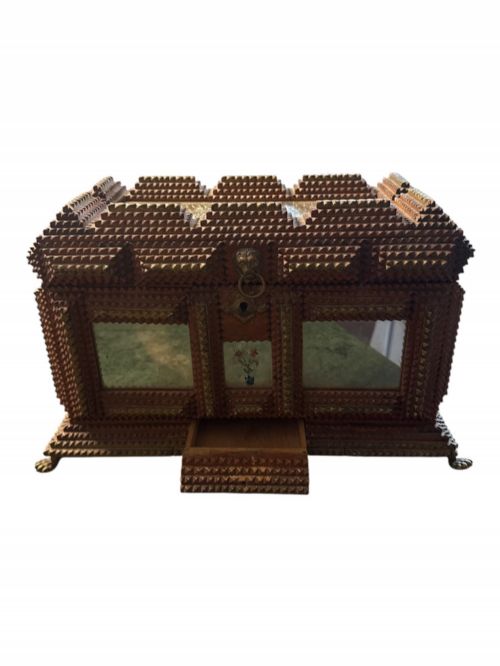
The version most commonly met on this page is the nineteenth-century rosewood box, frequently detailed with mother of pearl inlay, brass stringing, and internal lift-out trays. Alongside these domestic containers appear specialised forms such as campaign boxes, Tunbridge ware pieces, and carved Black Forest caskets.
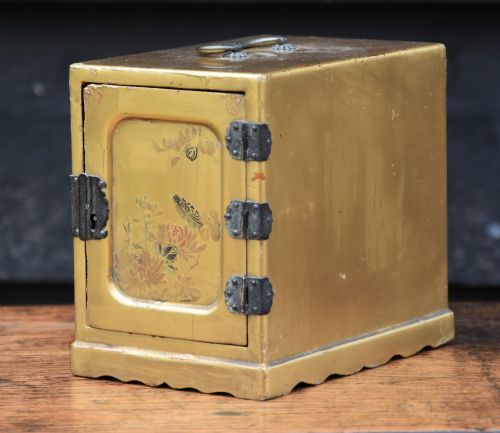
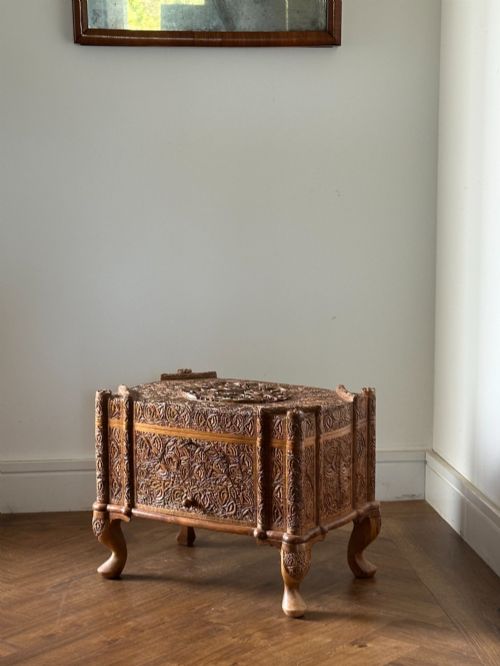
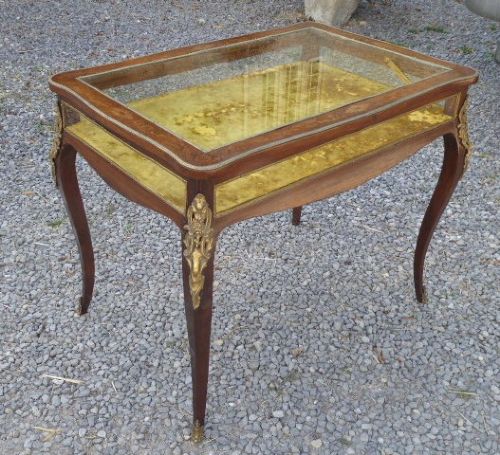
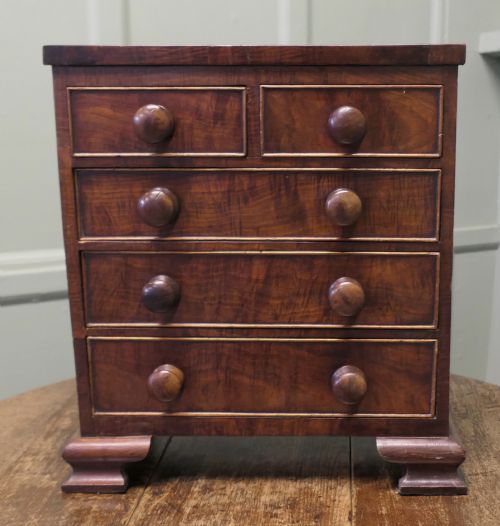
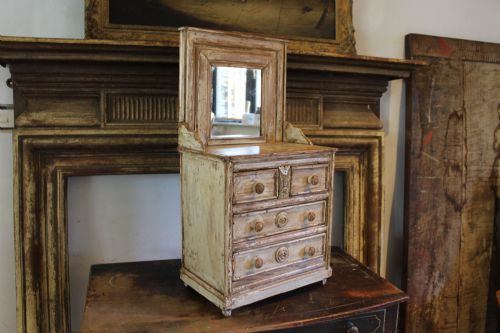
Beyond standard tabletop containers, the selection includes miniature furniture, small display cabinets, and sarcophagus-shaped caskets originating from English, European, and Anglo-Indian workshops.
How they were made
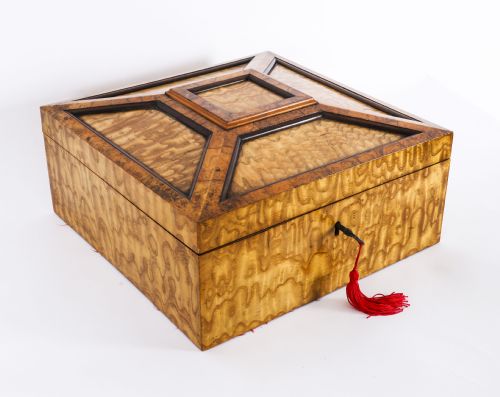
Cabinet makers utilised dense tropical hardwoods like rosewood and mahogany as foundational carcasses, often applying decorative veneers such as burr walnut, amboyna, and kingwood to create striking grain patterns. These wooden bodies were reinforced with precise dovetail joints and fitted with brass locks, hinges, and carrying handles.
Surface decoration relied on intricate techniques including marquetry, parquetry, and Tunbridge ware mosaic work, alongside inlaid contrasting timbers like boxwood, satinwood, and partridgewood. Metalwork inlay, specifically cut brass and mother of pearl escutcheons, added geometric and floral contrast to the polished exterior surfaces.
Listings feature eighteenth-century Georgian woods alongside nineteenth-century Victorian rosewood and exotic coromandel examples.
What varies in quality
Quality rests upon the selection of timber veneers and the precision of the decorative inlays embedded across the lid and sides. Superior examples demonstrate continuous, highly figured grain matching and flawless alignment of brass stringing or mother of pearl motifs.
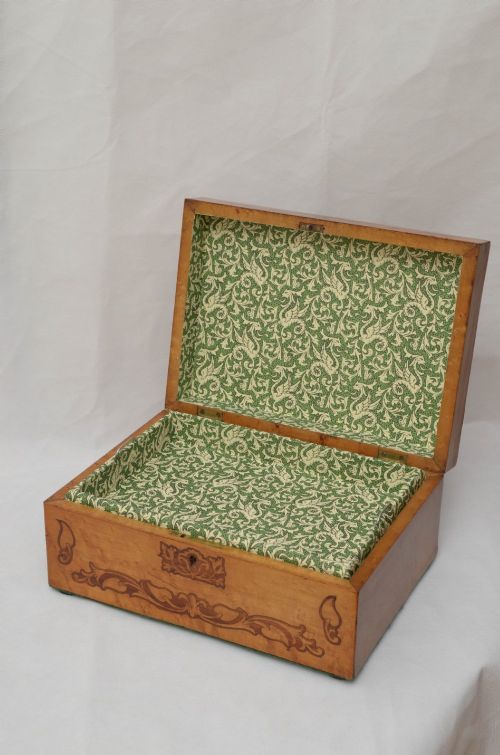
Internal architecture strongly dictates a piece's standing, with better boxes offering original velvet or silk linings, fitted compartments, secret drawers, and multi-tiered lift-out trays. Maker attribution, visible through stamped locks or signature marquetry styles, further separates standard production items from masterwork creations.
Tahan Paris·Edmund Nye·H Mitchell
The Antique Wood Jewellery Box Glossary
- Tunbridge Ware
- Small wooden items decorated with mosaic patterns formed from thousands of tiny tinted wood blocks. This specialised technique originated in Kent during the nineteenth century.
- Marquetry
- Decorative veneer work arranged to form pictorial or geometric designs on a wooden surface. Craftsmen cut various coloured woods to fit flush within the primary ground.
- Campaign Box
- A portable wooden chest or box built for travel with recessed brass handles and reinforced corners. These rugged containers were used by military officers and colonial travellers.
- Sarcophagus
- A burial-vault shape featuring a steeply sloping lid and an octagonal or flared rectangular body. Cabinet makers adopted this classical form for grand nineteenth-century jewellery caskets.
- Parquetry
- Geometric wood inlay forming repeating patterns such as cubes or chequers across a box lid. It differs from marquetry by utilising strict geometric grids rather than pictorial scenes.
- Cartouche
- An ornamental framed panel set into the top of a box, often left blank for engraving initials. These shields were frequently rendered in mother of pearl or brass.
Antique Wood Jewellery Box: Frequently Asked Questions
How are these boxes dated?
Datation relies on construction methods, timber preferences, and lock hardware styles typical of particular eras. Georgian and Regency pieces often feature simpler mahogany or rosewood frames with flush brass fittings, whereas Victorian examples introduce elaborate mother-of-pearl inlay and fitted interior trays.
Maker marks, registration lozenges, and paper labels inside the lid also provide precise chronological markers. Comparing the lining materials and hinge types helps confirm whether a box originates from the early nineteenth century or later decades.
Were these used exclusively by women?
While the majority of fitted dressing boxes and jewellery caskets served women for cosmetics and ornaments, many containers were built for gentlemen. Campaign boxes, slope-front desk boxes, and heavy mahogany caskets accommodated writing materials, collar studs, and pocket watches.
Interior layouts with removable trays and partitioned wells determined whether the container held vanity items or personal documents.
What is a coromandel box?
Coromandel is a heavy, dense timber imported from Southeast Asia, prized for its dark brown colour contrasted with dramatic black striping. Boxes fashioned from this material represent some of the finest luxury items produced during the Victorian period.
The high cost of the raw wood meant coromandel was generally reserved for top-tier stationery boxes, dressing cases, and combination scent bottle caskets.
How do I maintain the interior lining?
Original silk, velvet, or leather linings require dry care to prevent deterioration of the historic fabrics. Gentle dusting with a soft brush removes debris without disturbing fragile glues or stitching.
Moisture and modern cleaning chemicals should be avoided entirely to preserve the original texture and colour of the antique textile elements.