



Brown Wooden Keepsake Box
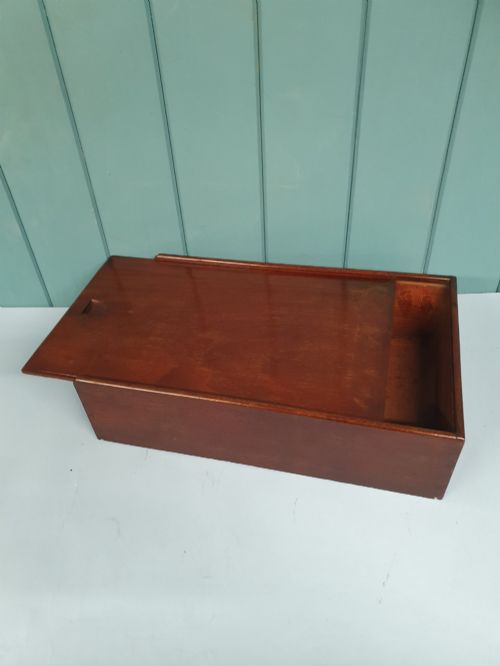
A brown wooden keepsake box holds small personal treasures securely while bringing warmth and character to a tabletop.
Brown Wooden Keepsake Box
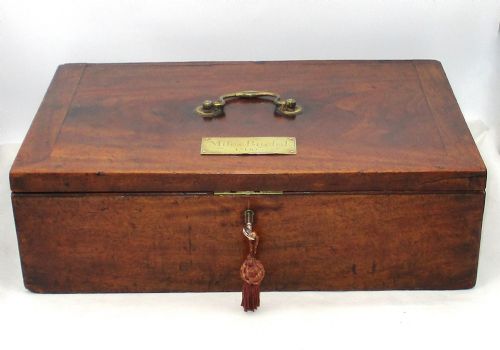
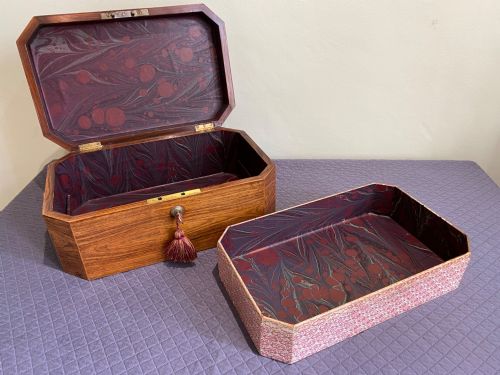
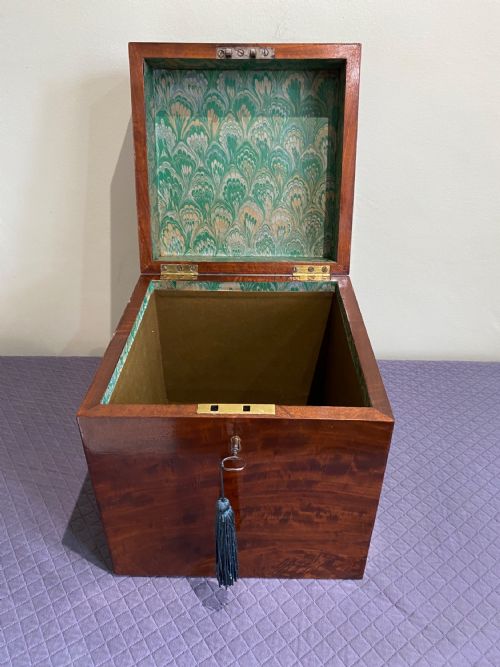
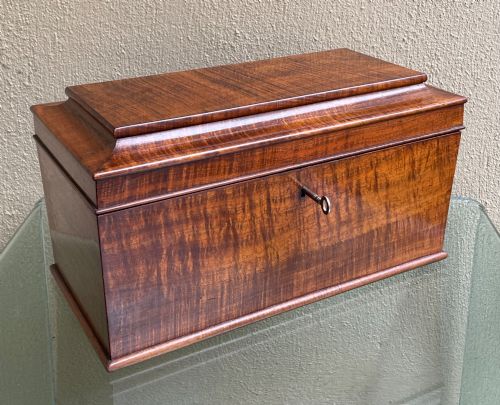
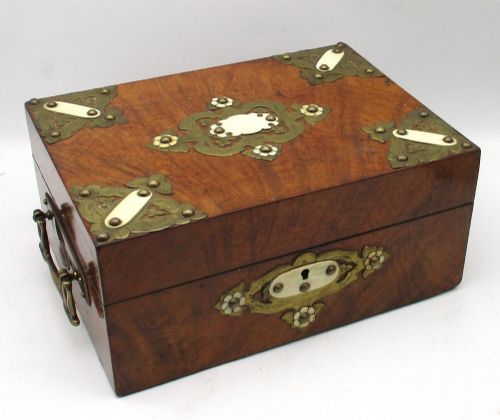
A brown wooden keepsake box spans a rich variety of forms, from Georgian mahogany document boxes and tea caddies to Victorian burr walnut work boxes and inlaid caskets. When searching for a brown wooden keepsake box, buyers encounter pieces designed originally for tea, documents, jewellery, or sewing, repurposed today to hold personal valuables.
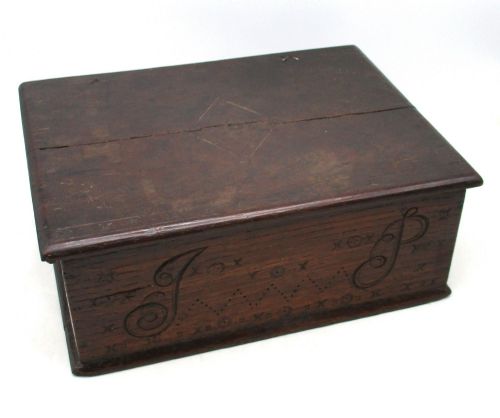
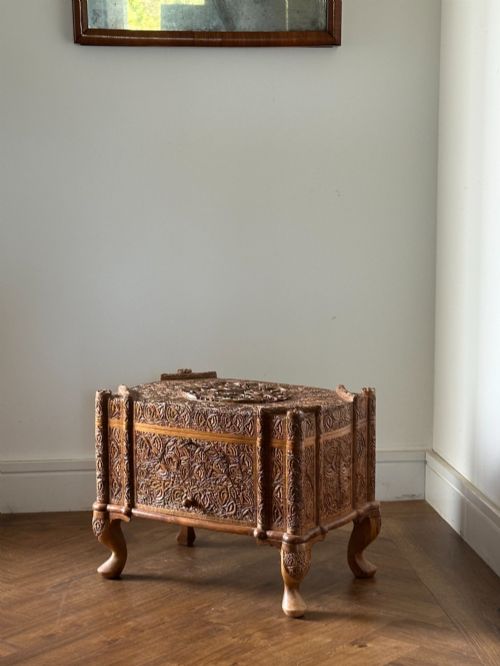
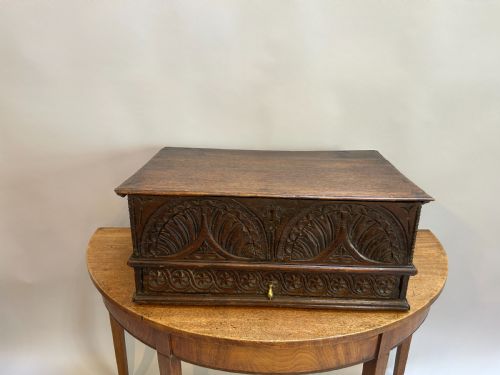
The selection ranges from early oak Bible boxes and carved camphor wood chests to intricate Tunbridge ware and parquetry boxes from the nineteenth century. These objects reflect centuries of cabinet-making traditions across British, European, and international workshops.
Materials and Construction
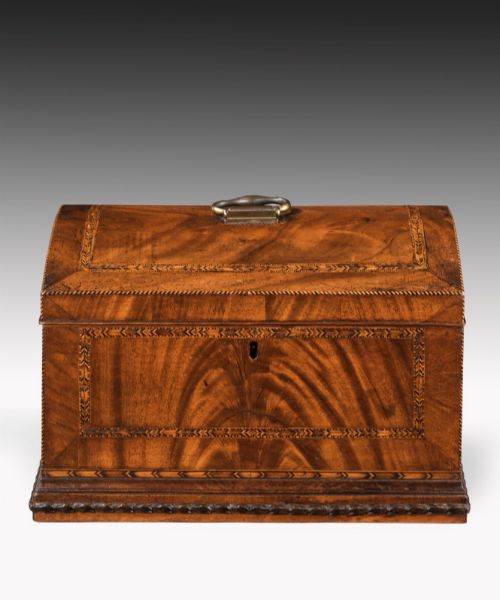
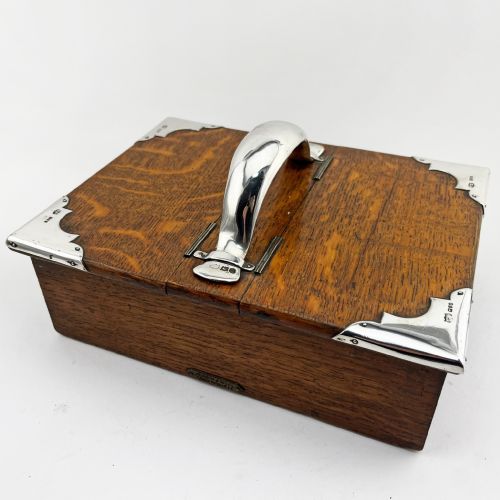
Cabinet makers utilised dense hardwoods such as mahogany, walnut, rosewood, and oak, often selecting veneers with striking burr grain patterns for visual depth. Many examples incorporate contrasting details in boxwood, bone, or mother of pearl inlay.
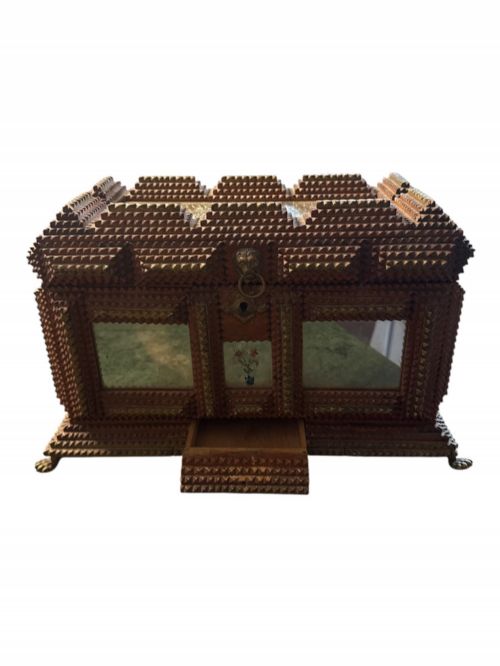
Construction techniques involve dovetail joints on carcass corners, applied mouldings, and hand-cut parquetry or marquetry geometric patterns. Tunbridge ware pieces display intricate mosaic woodwork built from thousands of tiny coloured wood blocks.
The selection spans eras from the 17th century through the Georgian, Regency, Victorian, and Edwardian periods.
Markers of Quality
Quality rests upon the selection of timber, the precision of the cabinet work, and the integrity of the original finish. Finer boxes display harmonious grain matching across all sides and tight, well-fitted joinery without modern replacements.
Hardware such as brass hinges, escutcheons, and working locks with keys elevate a piece, especially when integrated smoothly into the wood. The complexity of decorative techniques, from intricate parquetry to hand-carved details, distinguishes standard utilitarian chests from elite presentation boxes.
Henry Hollamby·Mappin & Webb
The Brown Wooden Keepsake Box Glossary
- Tunbridge ware
- A form of wooden mosaic decoration originating from Tunbridge Wells, created by gluing together tiny blocks of naturally coloured woods to form pictorial or geometric surface patterns. This technique reached its peak during the Victorian era on small trinket and work boxes.
- Tea caddy
- A container designed specifically to store loose tea leaves securely, often featuring internal compartments or mixing bowls. Georgian and Regency examples frequently use fine mahogany or burr walnut.
- Marquetry
- The art of applying thin decorative veneers in wood, shell, or bone to a structural carcass to create elaborate pictorial designs. It appears extensively on nineteenth-century walnut boxes.
- Parquetry
- A geometric mosaic of wood veneer arranged in repeating patterns such as cubes, chequers, or herringbone. This method decorates the exterior surfaces of many Victorian keepsake boxes.
- Sarcophagus
- A box shape featuring a domed or sloping lid resting on a flared base, reminiscent of classical monumental tombs. Makers applied this distinct architectural profile to larger nineteenth-century jewellery caskets.
Brown Wooden Keepsake Box: Frequently Asked Questions
What were these wooden boxes originally used for?
Many of these containers served specific domestic purposes, such as storing valuable tea leaves, keeping legal documents safe, or holding sewing implements and jewellery. Over time, their practical roles shifted as owners repurposed them to store letters, photographs, and personal trinkets.
Their sturdy construction and lockable lids made them ideal for safeguarding private possessions in the home before the widespread use of built-in furniture storage.
How do I identify the age of a wooden box?
Dating relies on examining the timber species, construction methods, and hardware style. Earlier pieces from the eighteenth century often feature solid oak or mahogany with hand-cut dovetails, while nineteenth-century versions frequently employ elaborate burr veneers, Tunbridge ware mosaic, or mother of pearl inlay.
Interior linings, paper remnants, and lock mechanisms also provide helpful clues for narrowing down the decade of manufacture.
How should I care for an antique wooden box?
Maintain the wood by keeping the box away from direct sunlight, extreme heat sources, and damp environments that can cause timber to warp or split veneers. Apply a quality beeswax polish occasionally to nourish the surface and preserve the historic sheen.
Avoid using modern liquid cleaners or harsh chemical sprays, which can strip the aged patina and damage delicate inlays of bone, brass, or mother of pearl.
Are keys usually included with these antique boxes?
Many surviving antique boxes retain their original working locks, though matching keys are sometimes later replacements or absent entirely. Lock mechanisms often feature engraved brass plates and functional bolts that add to the historical interest of the piece.
Buyers intending to use the lock should confirm whether a functioning key accompanies the item before purchase.