

Antique Wood Inlay
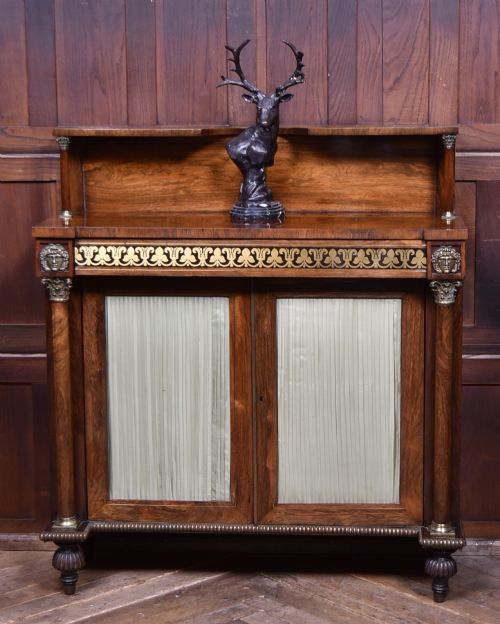
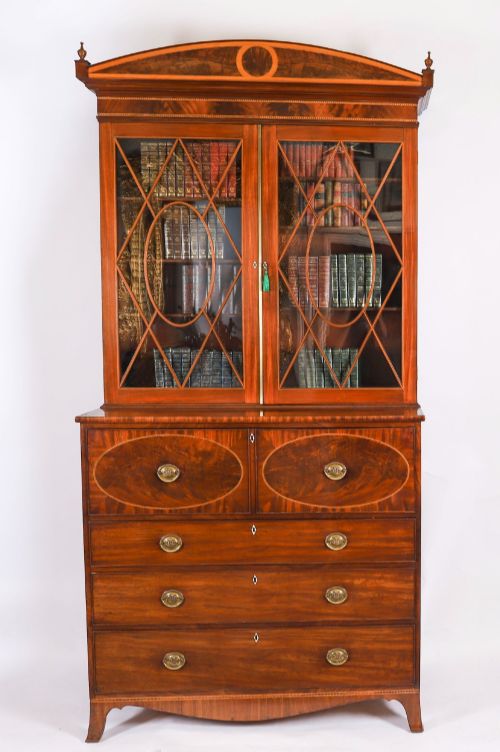
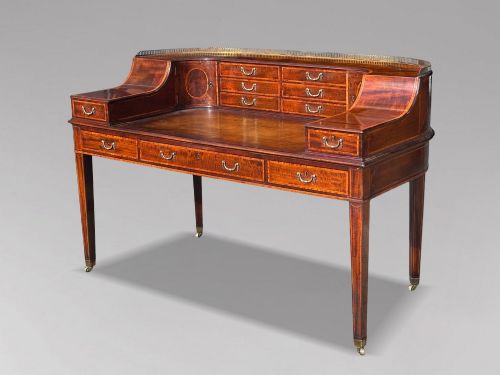
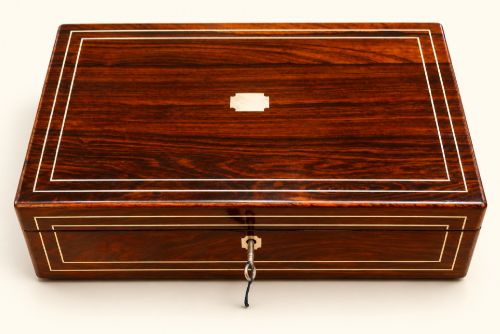
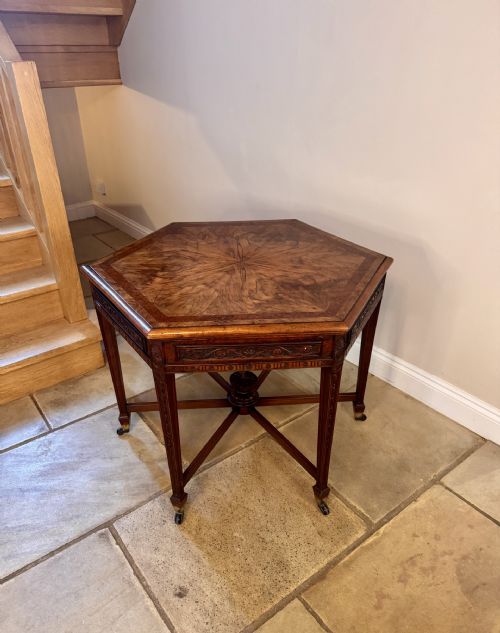
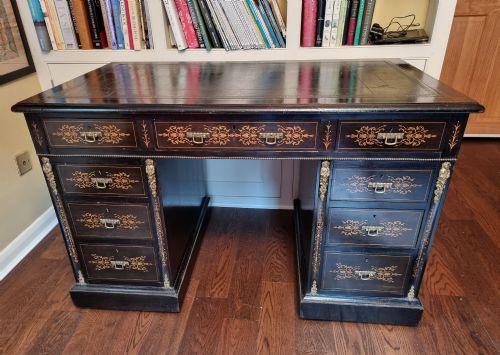
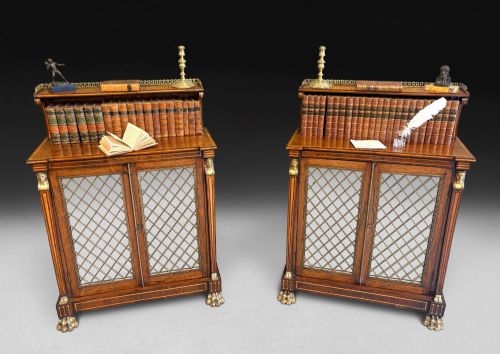
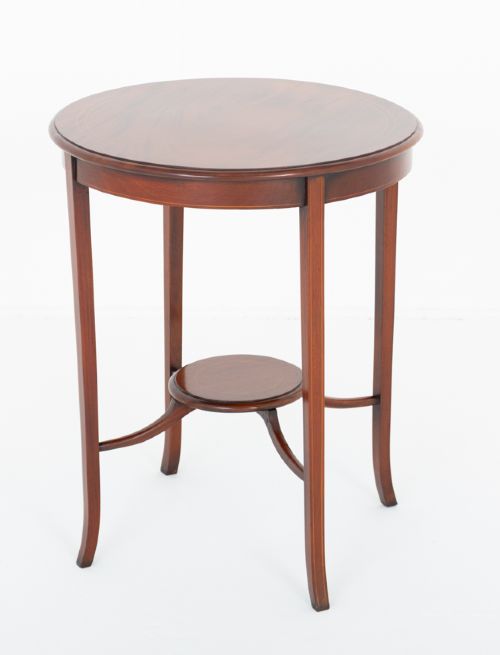
These pieces of antique wood inlay bring together rich timbers and meticulous craftsmanship to anchor a room with period character.
Antique Wood Inlay
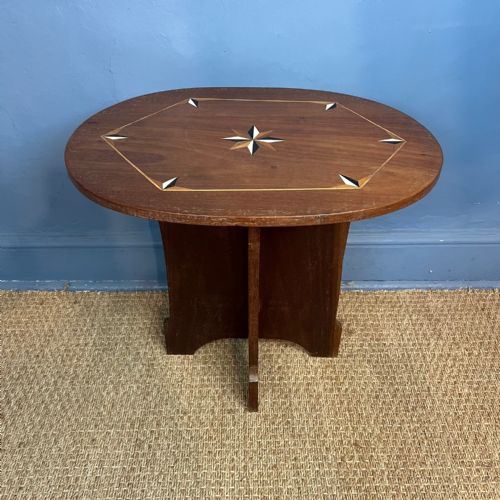
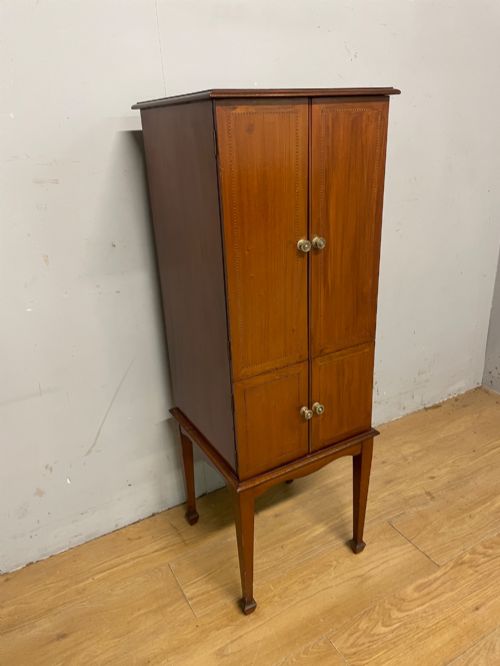
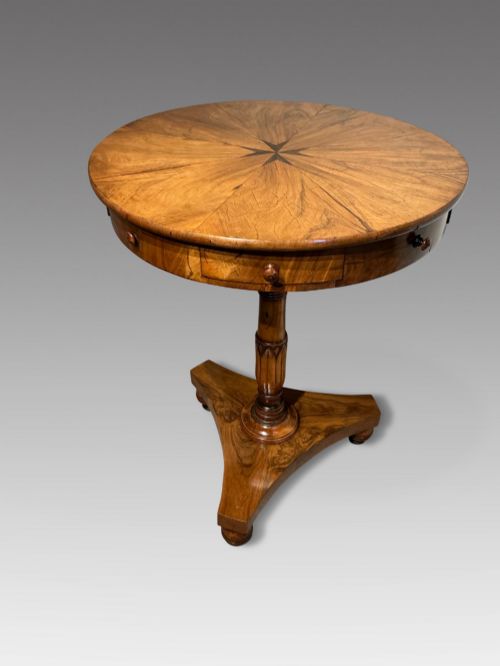
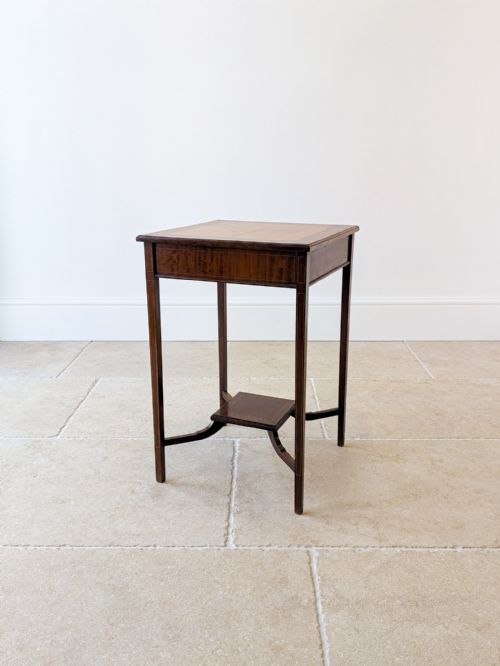
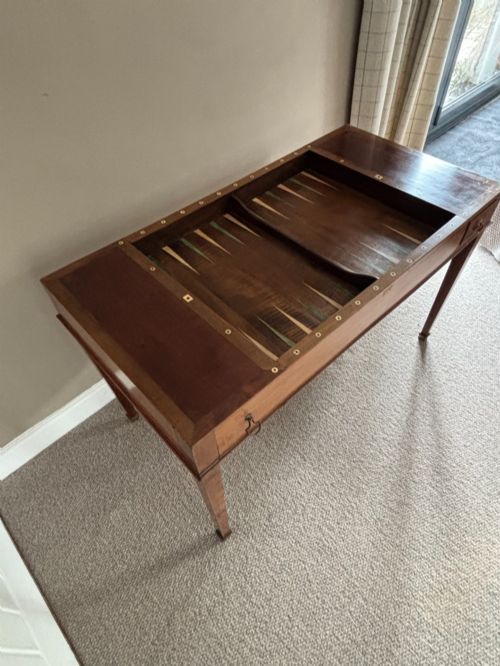
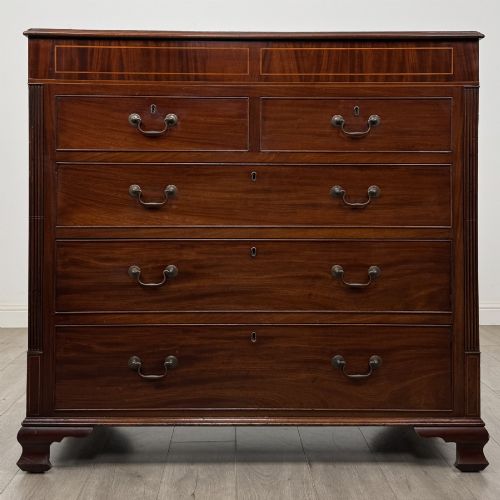
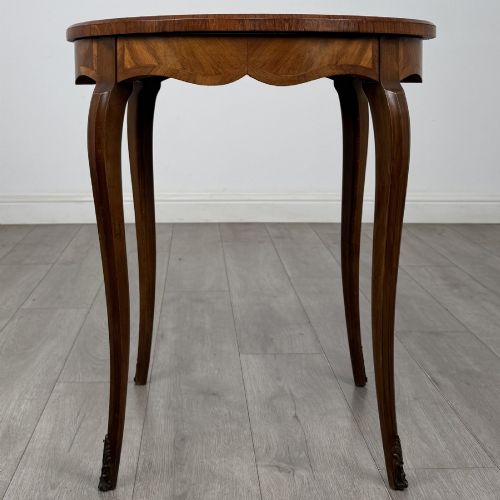
When you search for antique wood inlay, you encounter furniture and decorative objects from the 18th century, Georgian, Victorian, Edwardian, and 19th-century periods. The selection spans occasional tables, display cabinets, chests of drawers, card tables, and side tables.
You are most likely to meet mahogany, walnut, and rosewood forms accented with satinwood, boxwood, and brass details. These items originate from English, French, Italian, Dutch, and Swedish workshops, reflecting styles from Georgian and Regency to Sheraton Revival and Art Deco.
How they were made
Cabinet makers utilised dense primary hardwoods like mahogany, walnut, and rosewood to construct the structural carcasses of tables, cabinets, and chests. These foundational timbers provided stability and deep grain patterns suitable for heavy domestic use.
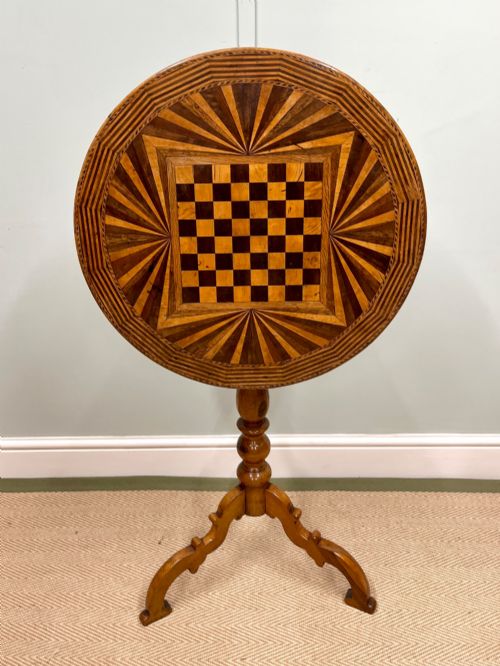
Artisans applied contrasting timbers such as satinwood, boxwood, and ebony, alongside brass and mother of pearl, to create intricate surface patterns. Techniques included parquetry and marquetry, setting thin veneer slices into prepared timber recesses to form geometric or pictorial designs.
Antique Wood Inlay Retail Price Guide 2026
Typical asking prices for wood inlay among the pieces listed under this phrase on Sellingantiques today, from the lower quarter to the upper quarter. They describe what is for sale here now, not the wider market.
Object forms span occasional tables, display cabinets, chests of drawers, card tables, side tables, and writing desks.
What varies in quality
The precision of the joinery and the snugness of the fitted contrasting timbers dictate the primary tier of craftsmanship. Superior examples display seamless transitions between the base wood and the inlaid elements, maintaining flat, stable surfaces across panels and tabletops.
The selection of timber grain and the complexity of the decorative motifs separate standard production from exceptional pieces. Richer contrasts in satinwood, boxwood, and amboyna, paired with well-proportioned brass or mother of pearl accents, elevate the visual depth of cabinets and tables.
Waring and Gillow·Taylor of London
The Antique Wood Inlay Glossary
- Inlay
- The technique of inserting pieces of contrasting material into a recessed wooden surface to form a decorative design. This method differs from surface painting by embedding the pattern directly into the timber.
- Marquetry
- An elaborate form of inlay that uses assembled pieces of veneer to create pictorial or scrolling foliage scenes across furniture panels. Makers apply these multi-timber designs to tabletops and cabinet doors.
- Satinwood
- A lustrous, yellow-brown hardwood utilised for contrasting details and stringing on mahogany and rosewood furniture. Its reflective grain catches the light effectively.
- Boxwood
- A pale, dense wood employed by makers for fine stringing lines and delicate floral motifs. The light tone provides sharp definition against darker primary timbers like walnut.
Antique Wood Inlay: Frequently Asked Questions
What is antique wood inlay furniture?
These pieces comprise tables, cabinets, and chests decorated with contrasting timber veneers, brass, or mother of pearl embedded into the primary wood surface.
Craftsmen created geometric borders, floral motifs, and pictorial scenes across items dating from the Georgian era through to the Edwardian period and the early twentieth century.
How do I care for inlaid wood?
Protect the surfaces from direct sunlight and excessive heat fluctuations to prevent timber shrinkage and veneer lifting. Apply traditional wax polish periodically to nourish the wood grain and maintain the lustre of the inlay.
Avoid using abrasive cleaning liquids or placing damp items directly onto tabletops and cabinets.
How do I identify a Georgian piece?
Georgian items typically feature robust mahogany or walnut construction with restrained neoclassical proportions, bracket feet, and understated satinwood stringing. Look for hand-cut dovetails within drawer construction and solid timber secondary woods.
These objects rely on architectural balance rather than heavy ornamentation.
Where were these items made?
The listings include pieces originating from English workshops, French cabinet makers, Italian Grand Tour centres, and Swedish studios. Regional preferences influenced the choice of primary timbers and the complexity of the marquetry designs.
British makers favoured mahogany and satinwood, while continental workshops frequently utilised walnut, amboyna, and exotic fruitwoods.