


Antique Wood Inkstand
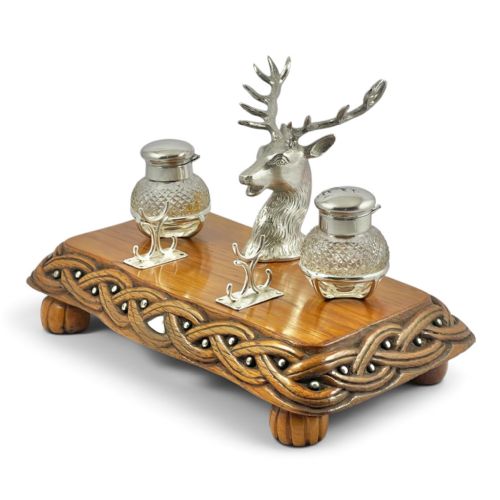
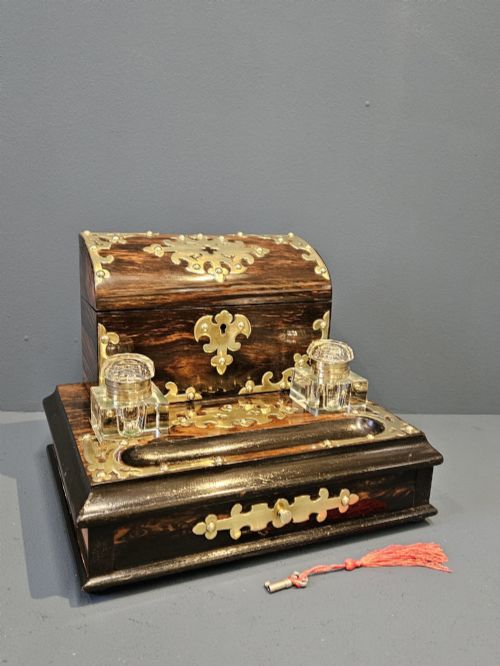
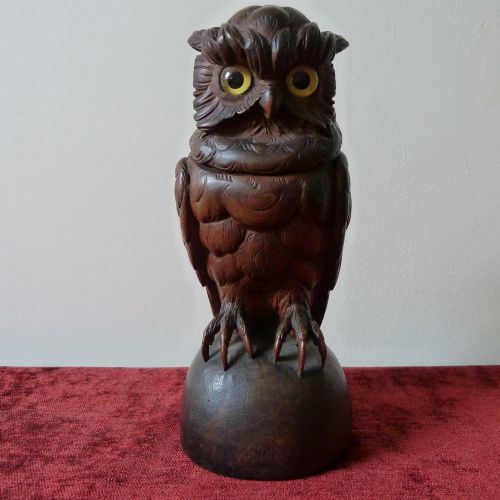
An antique wood inkstand is a desk accessory that brings character and history to a study, most commonly seen here in Victorian Black Forest and coromandel designs.
Antique Wood Inkstand
An antique wood inkstand is a functional desk accessory designed to hold writing equipment, most frequently featuring glass inkwells set into carved or polished wooden bases. Buyers search for these pieces to add period charm and practical desktop organisation to a modern study.
The selections available here lean heavily toward Victorian Black Forest novelty carvings depicting animals such as bears, dogs, cats, and owls. Alongside these figurative pieces, you will encounter structured coromandel and oak desk stands dating from the mid-nineteenth century onward.
Origins span English, Scottish, Irish, and Swiss workshops, reflecting diverse regional carving traditions and cabinet-making skills. Whether you choose a simple solid oak stand or an elaborate carved desk tidy, each item serves as a tactile link to nineteenth-century correspondence habits.
How they were made
Makers utilised a range of domestic and exotic woods including coromandel, oak, linden wood, burl walnut, and mahogany. These timbers were selected for their grain pattern and suitability for detailed hand carving or polished flat surfaces.
Metal and glass components such as brass, ormolu mounts, silver plating, and iridescent glass inserts were combined with the wood to create durable reservoirs for ink. Inlaid details in boxwood and ebony further enhanced the geometric surfaces of flat desk stands.
Carvers employed hand chisels and gouges to shape realistic animal figures, while cabinet makers constructed stationery boxes and slope fronts using traditional joinery. This dual approach combined sculptural artistry with functional desk furniture.
Listings feature items dated from 1850 through the Edwardian era, spanning the Victorian period and the height of Black Forest wood carving.
What varies in quality
The depth and realism of the hand carving separate standard pieces from exceptional examples, particularly in Black Forest animal studies where glass eyes and expressive postures demonstrate superior craftsmanship. Finer pieces also display intricate detailing in fur textures, facial expressions, and integrated pen trays.
Material selection dictates quality across the flat desk stands, where dense exotic hardwoods like coromandel and figured burl walnut are paired with precise brass mounts or mother-of-pearl inlay. The integrity of the fitted glass inkwells and the original harmony between the wooden stand and its metal elements also define the tier of the piece.
Maison F. Mack
The Antique Wood Inkstand Glossary
- Black Forest
- A nineteenth-century carving style originating from the Swiss and German border regions, renowned for realistic wooden animal sculptures.
- Coromandel wood
- A dense, heavy tropical hardwood featuring dark brown stripes, frequently used in high-end Victorian cabinet making.
- Inkstand
- A desk tray or stand incorporating one or more inkwells, often with dedicated grooves for dip pens.
- Ormolu
- Gilded bronze or brass mounts applied to wooden desk accessories for decorative contrast.
- Standish
- A traditional seventeenth to nineteenth-century portable writing stand fitted with inkwells, sanders, and pen compartments.
Antique Wood Inkstand: Frequently Asked Questions
How were inkstands used?
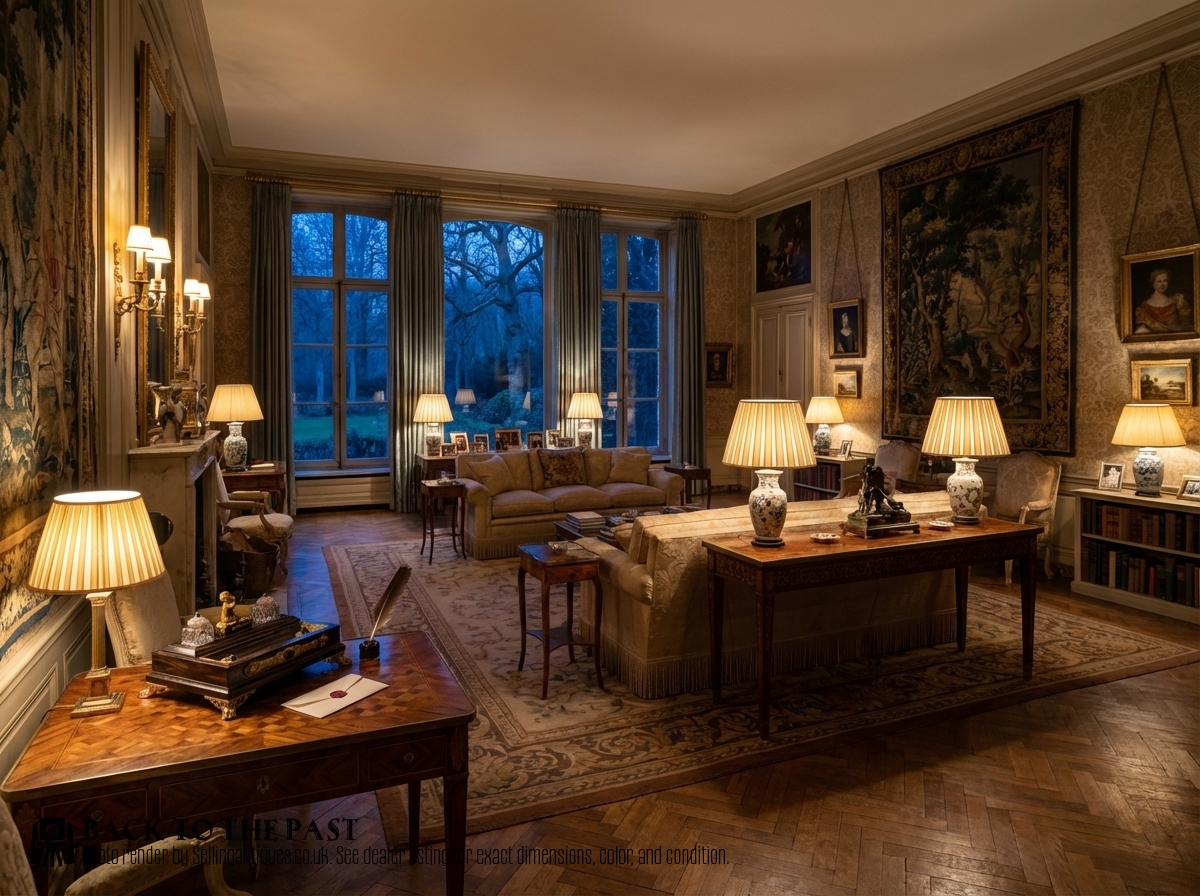
Inkstands provided a stable desktop station for holding liquid ink and dip pens before the invention of the fountain pen. They kept writing materials organised and protected wooden surfaces from spills.
Today, they function as decorative objects or practical pen and stationery organizers on modern desks.
How do I date a wooden inkstand?
Dating relies on identifying period styles, such as Victorian Gothic Revival, Celtic Revival, or Black Forest carving traditions, alongside material choices like coromandel or brass mounts.
Maker signatures, registration marks, and the style of the fitted glass inkwells also offer clear chronological indicators.
How do I care for an antique inkstand?
Keep wooden inkstands away from direct sunlight and excessive heat fluctuations to prevent the timber from splitting or warping. Gentle dusting and occasional application of appropriate wax help maintain the finish.
Glass inkwells should be removed carefully and cleaned with mild water if residue remains from past use.