
Antique Wood Foyer Table
An antique wood foyer table brings structural elegance and surface utility to an entrance hall, drawing the eye immediately upon arrival.
Antique Wood Foyer Table
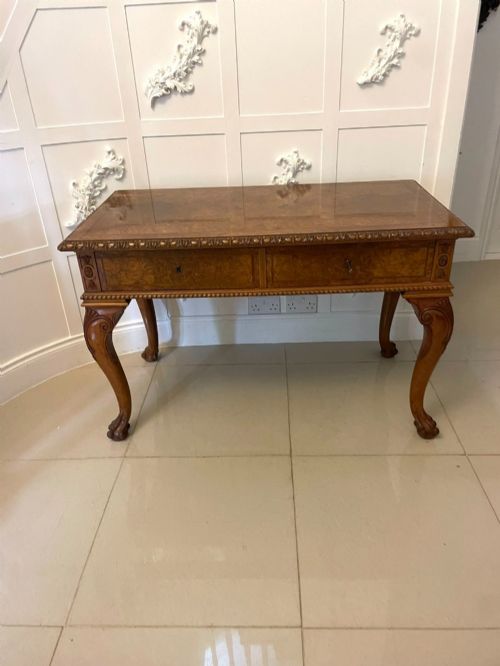
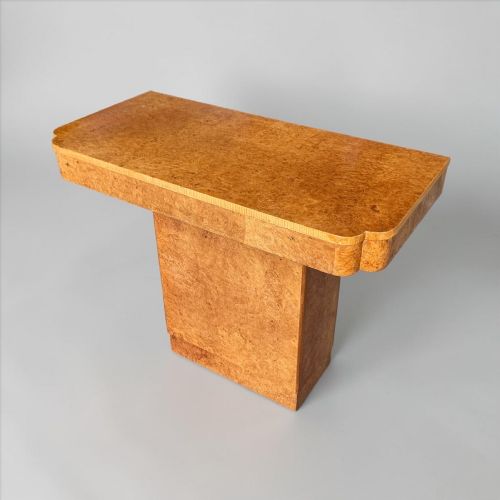
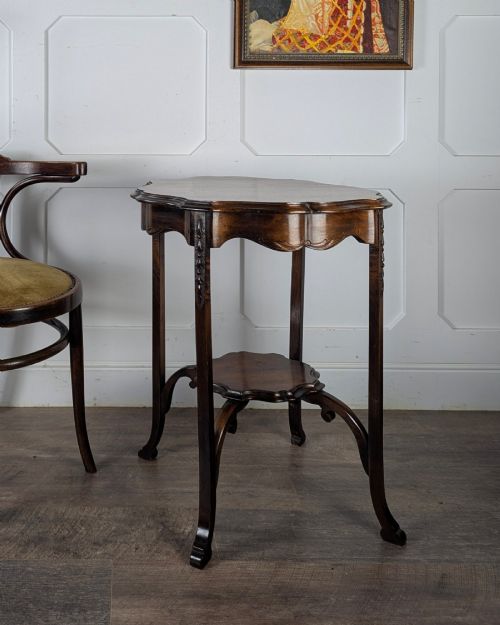
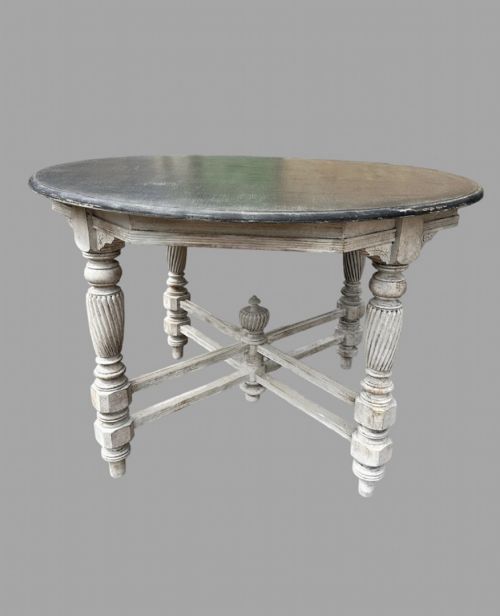
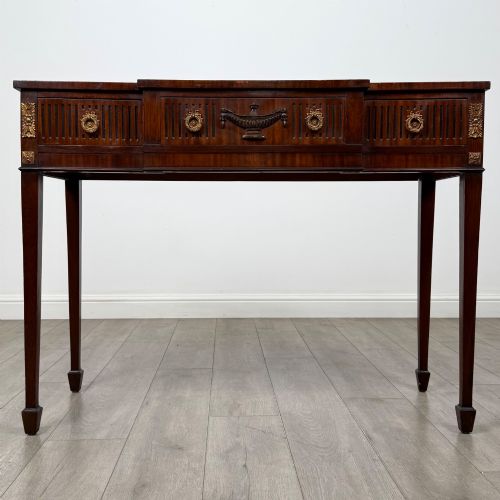
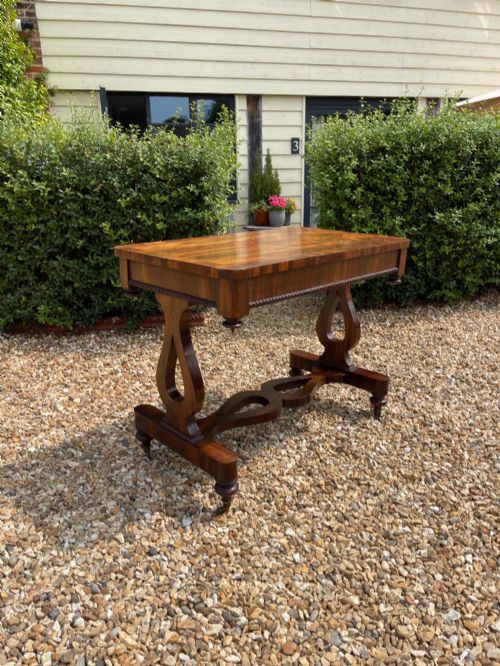
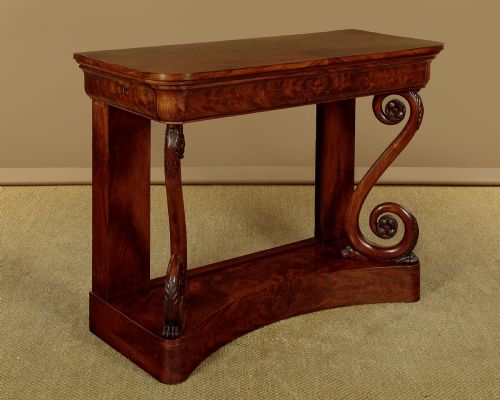
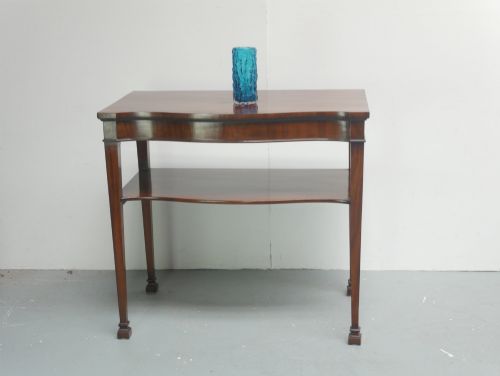
An antique wood foyer table spans several functional forms designed for entrance spaces, including console tables, hall tables, and side tables. Buyers seeking an antique wood foyer table encounter versatile pieces meant to stand against walls or occupy the centre of a room.
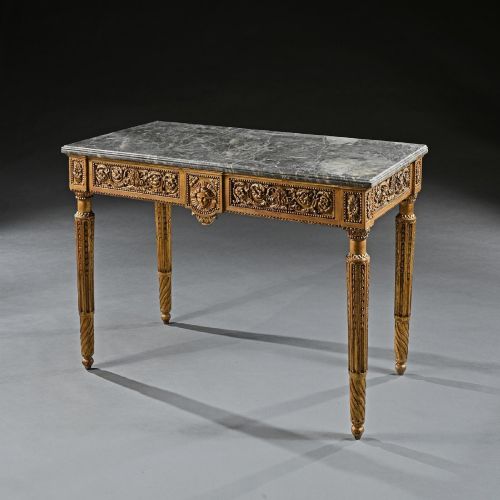
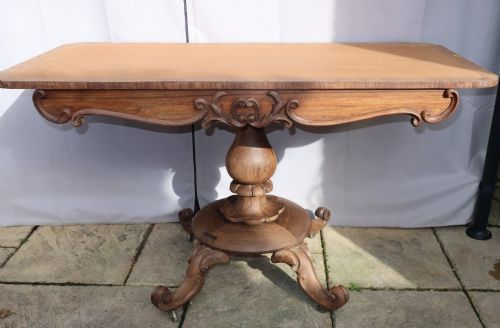
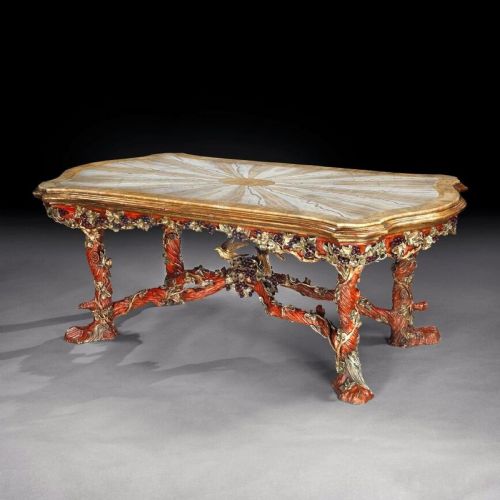
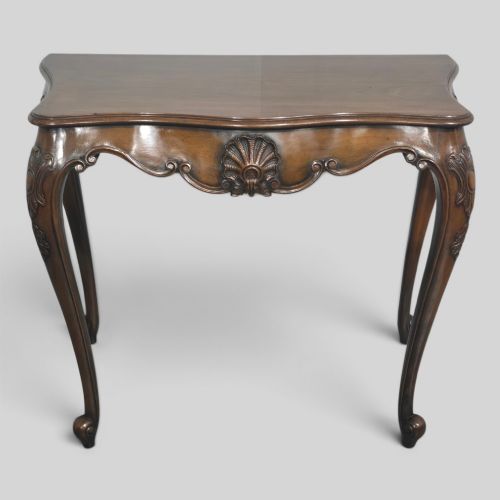
The selections range across distinct periods, drawing heavily from nineteenth-century Victorian and William IV designs alongside eighteenth-century origins and twentieth-century interpretations. Formats vary from serpentine side tables to grand Italian giltwood consoles topped with marble.
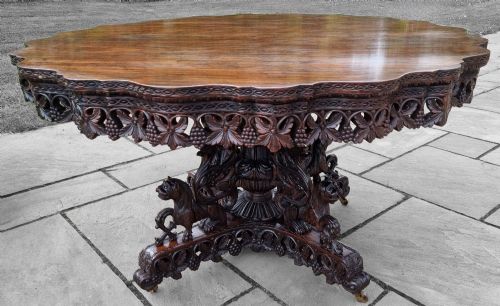
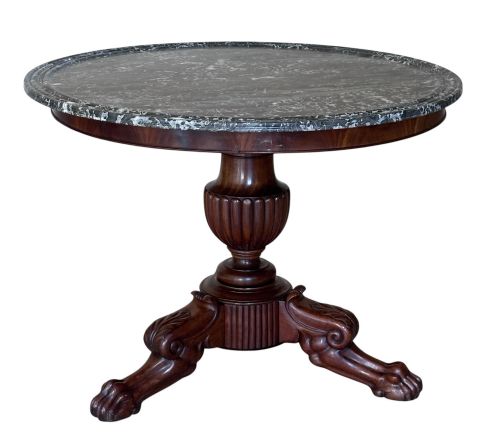
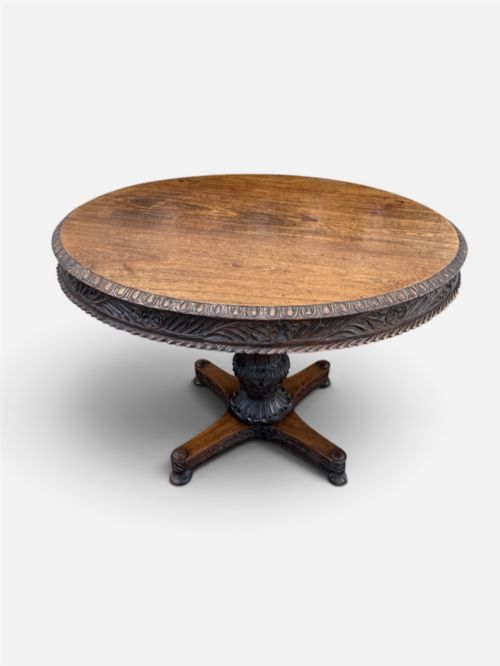
Makers and workshops from various regions shaped these forms, producing everything from Anglo-Indian padauk and rosewood creations to French gueridons. Each piece serves to anchor an entryway while offering practical surface space for everyday objects.
Materials and construction
Cabinetmakers utilised a rich palette of timbers, relying on solid mahogany, walnut, rosewood, and burr walnut for primary structures. Exotic woods such as calamander, ebony, padauk, and yew appear alongside decorative elements like wood veneer and marquetry inlay.
Surface treatments and structural accents incorporate marble tops, brass fittings, and carved giltwood. Workshops employed techniques ranging from hand carving to tilt-top mechanisms, ensuring durable construction suited to daily household use.
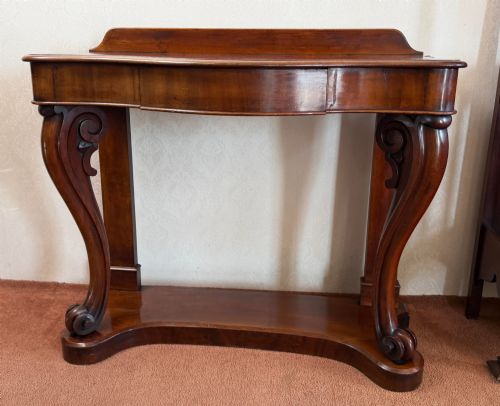
Nineteenth-century pieces dominate the selection, spanning styles from Regency to late Victorian.
Assessing craftsmanship
The distinction between standard examples and exhibition quality pieces rests on the choice of timber and the precision of the joinery. Figured grain, intricate marquetry, and substantial marble tops indicate higher tiers of production.
Proportion and decorative restraint dictate the desirability of a piece. Finer examples display harmonious proportions, crisp hand carving, and authentic period finishes that reflect the original workshop standards.
Shapland and Petter·Egan Workshop
The Antique Wood Foyer Table Glossary
- Console table
- A table designed to be fixed against a wall, frequently supported by brackets or ornate legs.
- Guéridon
- A small French table, often circular, supported by a central pillar or columns.
- Marquetry
- Decorative veneer patterns applied to wood surfaces using pieces of wood, shell, or ivory.
- Tilt-top
- A table mechanism allowing the top to pivot to a vertical position when not in use.
- Serpentine
- A curved shape curving inward centrally and outward at the ends, common in quality cabinetwork.
Antique Wood Foyer Table: Frequently Asked Questions
What is a foyer table used for?
These tables provide a functional surface in entryways for holding letters, keys, and decorative items. They serve as a focal point that sets the aesthetic tone for the rest of the home.
Historically, larger variations also functioned as centre tables in grand halls, welcoming visitors with displays of objects or floral arrangements.
How do I identify the period of a table?
Dating relies on observing the prevailing style, timber choices, and construction methods characteristic of eras such as the Victorian, William IV, or Edwardian periods. Secondary woods and fastener types often provide further clues to the exact decade.
Comparing the decorative motifs against known historical styles helps confirm whether a piece originates from the eighteenth, nineteenth, or twentieth century.
Where should I place a console table?
Console tables sit flush against a hallway or foyer wall, frequently positioned beneath a mirror or painting to balance the vertical space. Their shallow depth ensures they do not obstruct narrow walkways.
Freestanding centre tables require a more open spatial arrangement, allowing movement around all sides while anchoring a large entrance hall.
How do I care for antique wood surfaces?
Maintain antique timber by keeping pieces away from direct sunlight and sudden temperature shifts that cause wood to dry or crack. Regular dusting with a soft, dry cloth preserves the natural patina without chemical buildup.
Apply occasional appropriate wax polish sparingly to nourish the grain, following the manufacturer guidance for specific finishes like French polish or oil.