



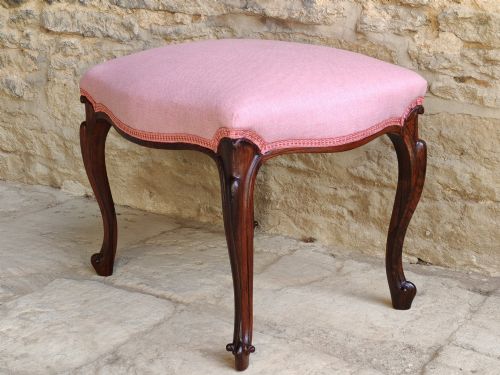
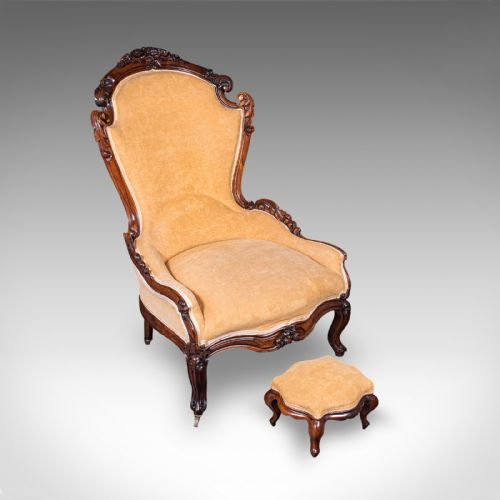
Antique Wood Footstool
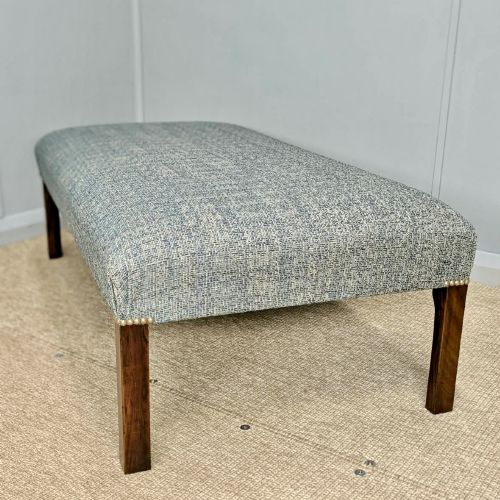
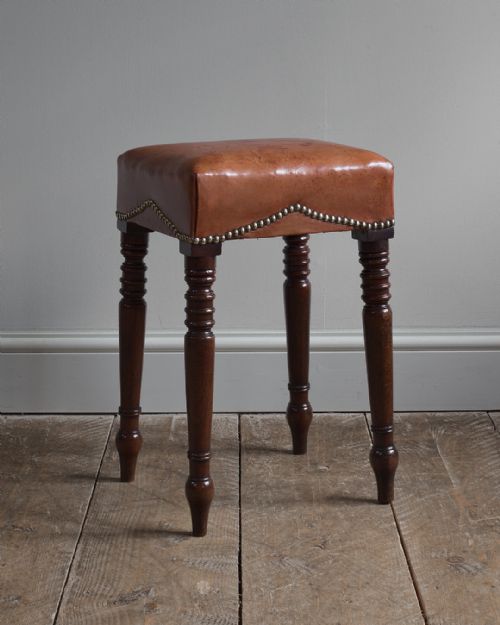
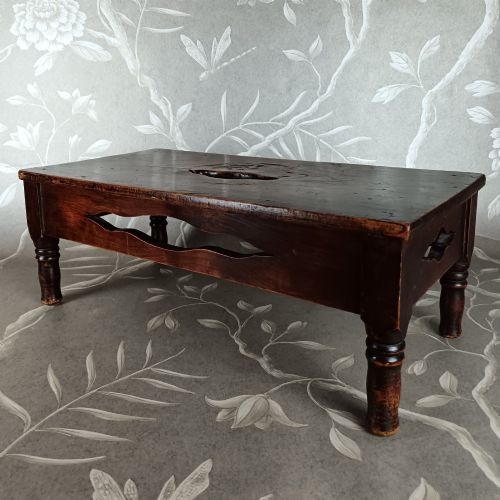
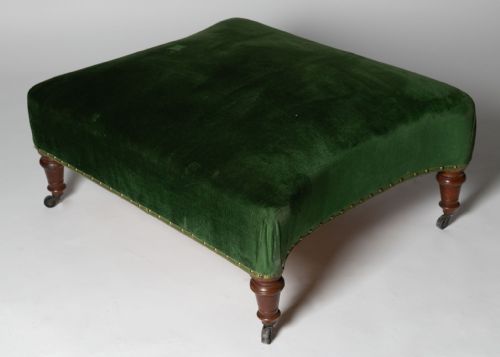
When you search for antique wood footstool, you find low seats and rests crafted from timber, designed to lift tired feet or support dressing tables.
Antique Wood Footstool
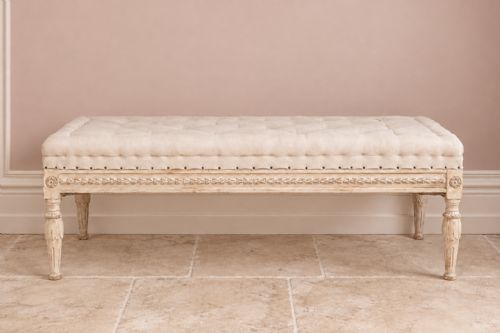
An antique wood footstool sits low to the floor, serving domestic spaces for resting feet, sitting at dressing tables, or by firesides. Buyers pursuing this search phrase meet a diverse range of forms, from simple vernacular seating to ornate parlour pieces.
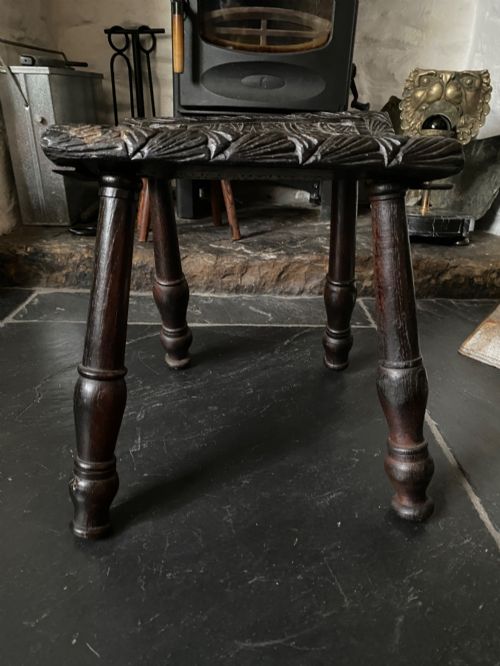
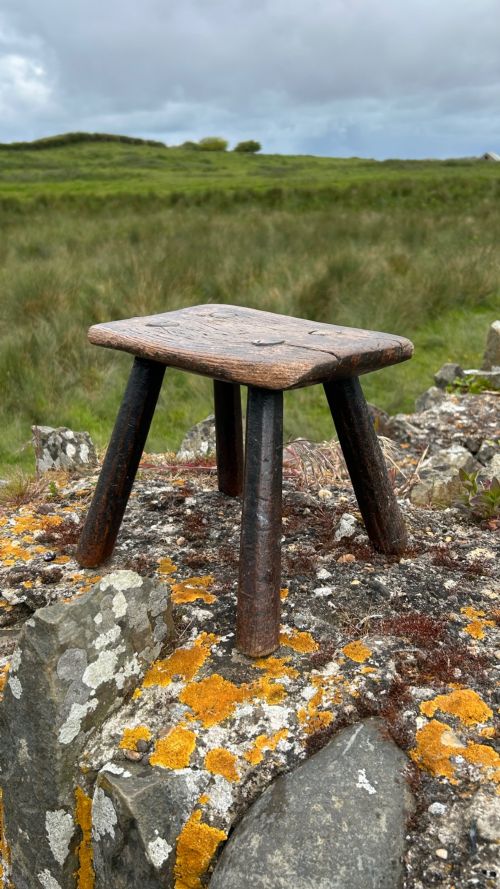
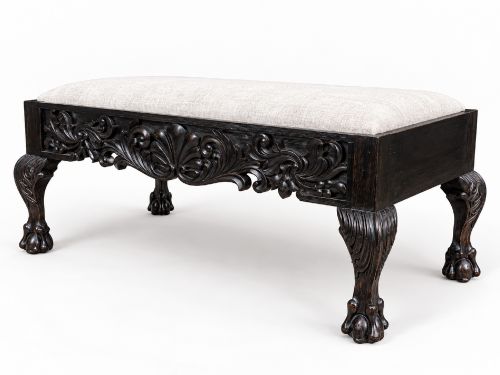
Victorian examples dominate the listings, frequently rendered in walnut or mahogany with turned or cabriole legs. Alongside these, 19th-century country pieces in elm, beech, and ash appear regularly, showing simpler construction and rustic charm.
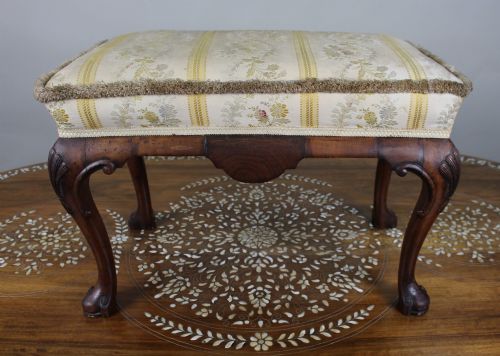
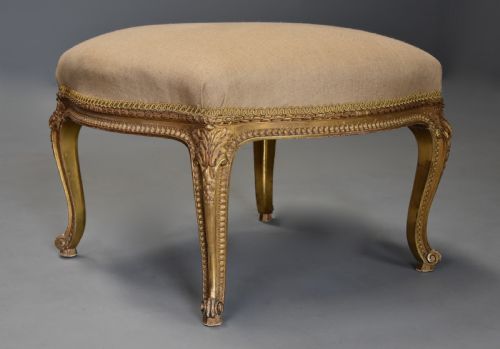
More formal iterations draw on revival styles such as Chippendale and Queen Anne, alongside continental influences including French Empire and Louis XVI. These variations give buyers choices spanning rural simplicity and formal drawing-room elegance.
Materials and construction methods
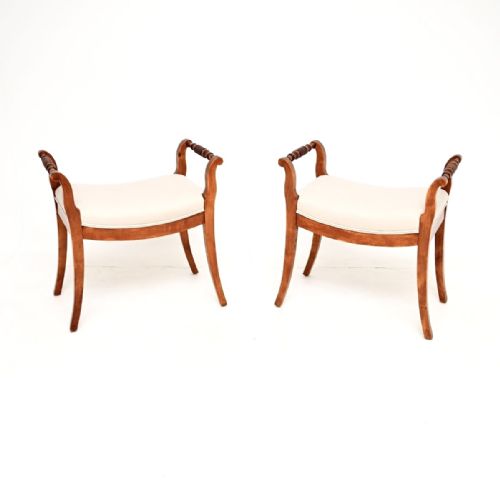
Makers utilised a wide palette of timbers, selecting hardwoods like mahogany, walnut, rosewood, and satin birch for formal items, while employing regional woods such as elm, beech, ash, pine, and oak for country vernacular forms.
Joinery methods varied according to the origin and purpose of the stool, utilising traditional techniques like mortise and tenon joints for joint stools, alongside turned legs, carved cabriole supports, and X-frame structures.
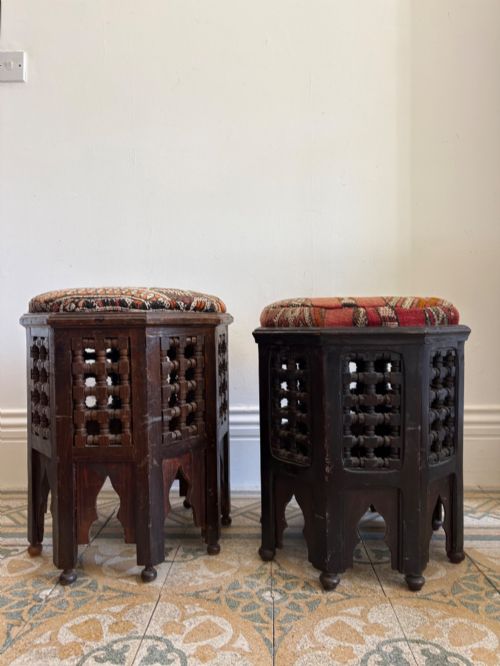
Upholstery completed many of these pieces, incorporating textiles, velvet, fabric, and needlepoint over webbing and stuffing, though some examples survive as plain wood seats or require restoration projects.
Antique Wood Footstool Retail Price Guide 2026
Typical asking prices for wood footstool among the pieces listed under this phrase on Sellingantiques today, from the lower quarter to the upper quarter. They describe what is for sale here now, not the wider market.
Listings span multiple eras, encompassing 18th-century pieces, Regency designs, Victorian creations, and Edwardian examples.
Distinctions in construction and finish
The sophistication of the carving and the choice of timber dictate much of the distinction between standard and superior pieces. Dense hardwoods like rosewood and figured walnut, shaped with detailed cabriole legs or gilt highlights, indicate high-status commissions.
The integrity of the original timber frame and the retention of historic surfaces matter greatly to collectors. Pieces retaining original paint finishes or untouched patination command greater interest than those stripped or overly restored.
Maker marks, stamps, or attributions to known cabinet makers elevate a piece beyond standard workshop production, marking out superior craftsmanship within the period.
LOIDRAULT FRERES PARIS·Miles & Edwards
The Antique Wood Footstool Glossary
- Cabriole leg
- A furniture leg that curves out and then narrows inward, typically ending in a pad or claw foot. This form draws inspiration from animal limbs and appears frequently on 18th and 19th-century seating.
- X-frame
- A structural base formed by intersecting curved or straight members shaped like the letter X. This design provides sturdy support and appears on formal curule and empire stools.
- Vernacular
- Everyday objects made by local craftspeople using regional materials, free from high-style metropolitan design rules. These pieces prioritise function and local tradition over courtly fashion.
- Needlepoint
- A type of canvas work embroidery executed with yarn, commonly used to cover the seats of fireside footstools and parlour chairs during the Victorian era.
- Joint stool
- An early form of wooden seating constructed with pegged mortise and tenon joints rather than turned legs and glue. These sturdy items predate widespread upholstered stool production.
Antique Wood Footstool: Frequently Asked Questions
What is an antique wood footstool used for?
These low seats served multiple domestic purposes, primarily supporting tired feet by the hearth or assisting at dressing tables and parlour desks.
Their compact size allowed them to be moved easily around the room to wherever extra seating or foot elevation was needed.
How do I identify a Victorian footstool?
Victorian examples often feature dark hardwoods like walnut or mahogany, frequently paired with needlepoint upholstery, turned legs, or cabriole supports.
They reflect the heavy, comfortable furnishing tastes of the 19th century, ranging from simple foot rests to elaborate dressing stools.
What is a vernacular wooden stool?
A vernacular stool is a regional, everyday piece made by local carpenters using accessible local woods such as elm, beech, or ash. These items often feature simple saddle seats and plain legs.
They lack the formal stylistic influences of metropolitan cabinet makers, focusing instead on sturdy, practical construction.
How should I care for antique wood furniture?
Keep wooden stools away from direct heat sources and strong sunlight to prevent the timber from drying out, cracking, or fading.
Apply a traditional beeswax polish occasionally to nourish the grain and maintain the natural lustre of the aged surface.