

Antique Wood Fireplace
An antique wood fireplace setting or its surrounding fixtures bring warmth and architectural character to a room through centuries of traditional craftsmanship.
Antique Wood Fireplace
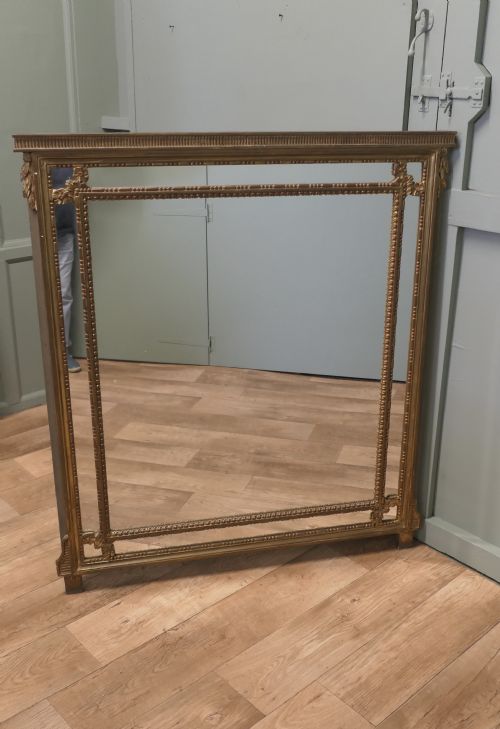
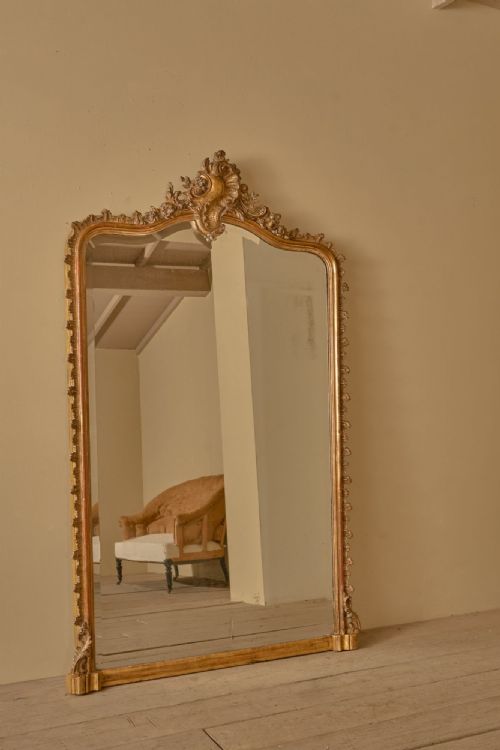
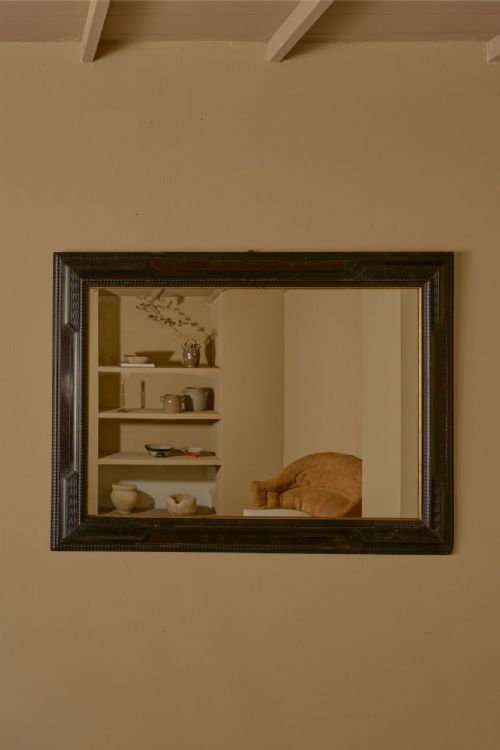
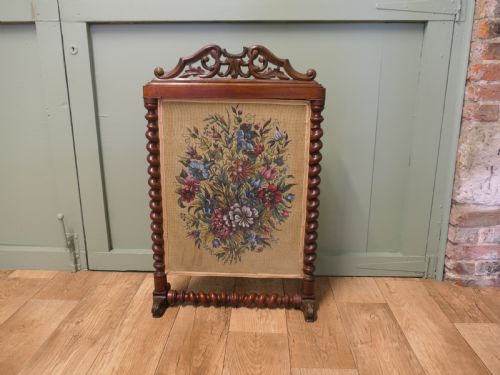
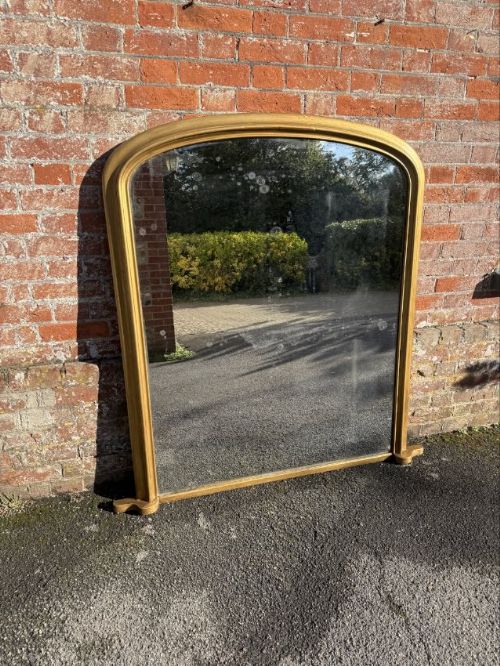
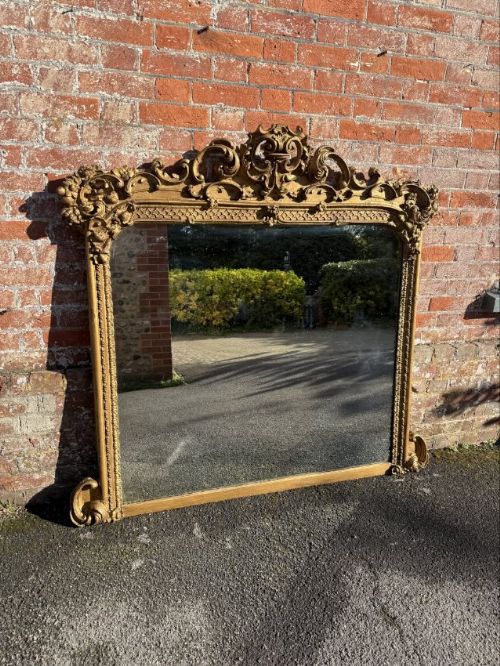
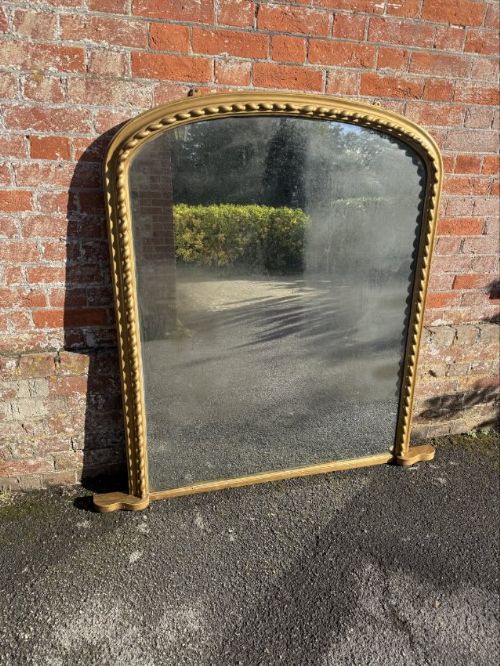
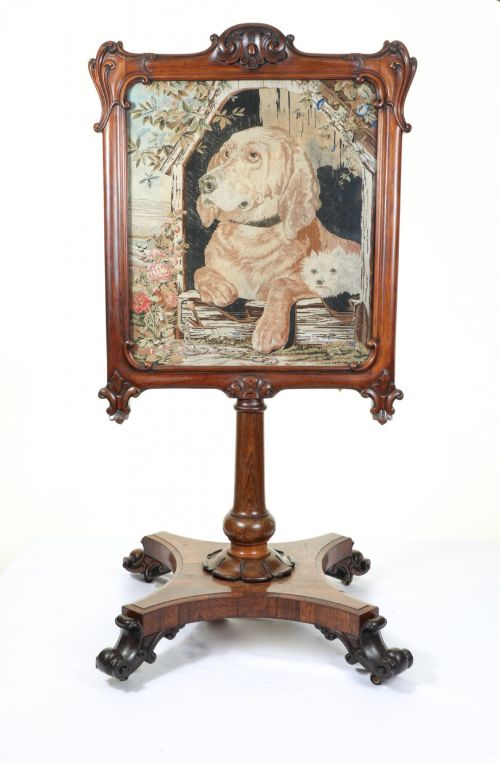
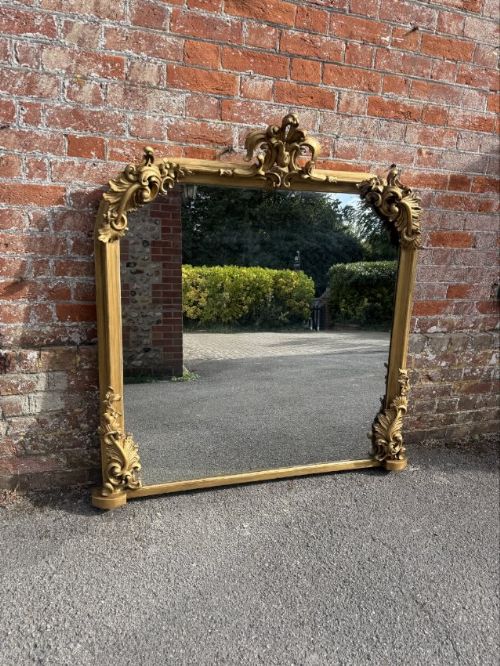
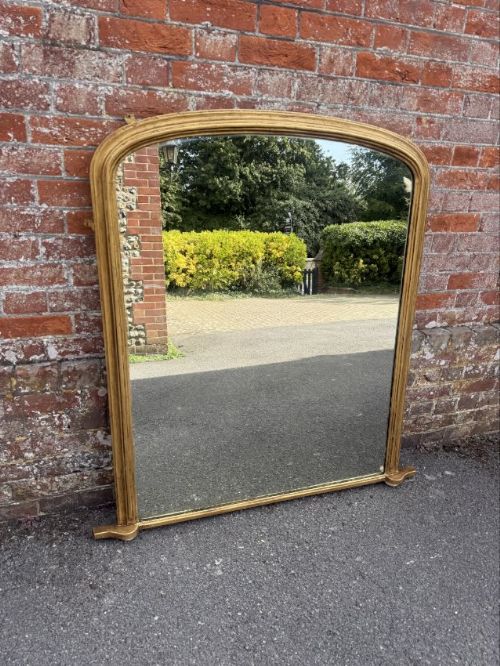
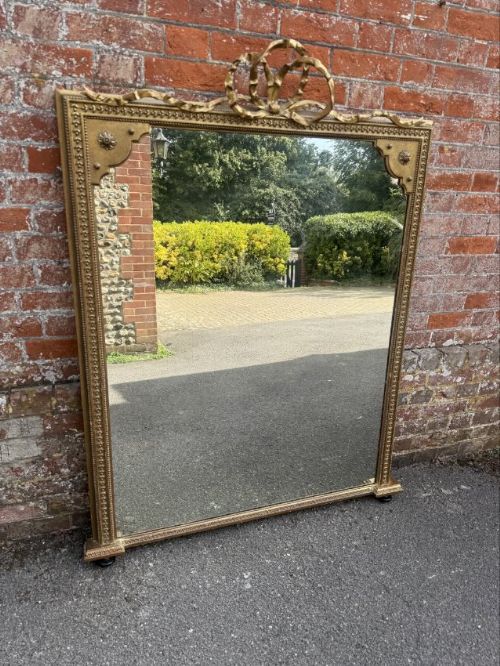
When searching for an antique wood fireplace setup, collectors encounter timber surrounds, overmantel mirrors, and hearth accessories originating primarily from the nineteenth century. The selection leans heavily toward substantial overmantel mirrors framed in carved wood and gesso, alongside practical items like oak log boxes and fire screens.
Pieces from this category bridge the gap between structural room architecture and decorative furnishings. Buyers find items shaped by Victorian, Regency, and Arts and Crafts design sensibilities, utilising native and imported timbers like oak, pitch pine, and walnut.
Materials and Technique
The construction of these pieces relies on solid timber frameworks built from oak, pitch pine, mahogany, and rosewood. Carved wooden elements frequently receive a foundation of gesso before being gilded with gold leaf or painted.
Makers employed traditional joinery techniques alongside detailed chip carving, hand-painted details, and rope twist mouldings. Mirrors incorporate heavy glass plates secured within these robust wooden and gesso structures.
Antique Wood Fireplace Retail Price Guide 2026
Typical asking prices for wood fireplace among the pieces listed under this phrase on Sellingantiques today, from the lower quarter to the upper quarter. They describe what is for sale here now, not the wider market.
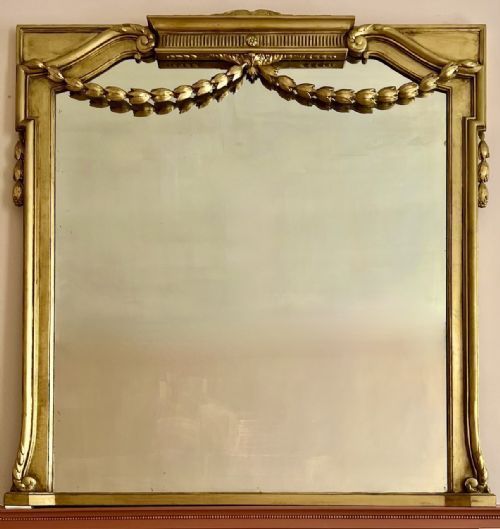
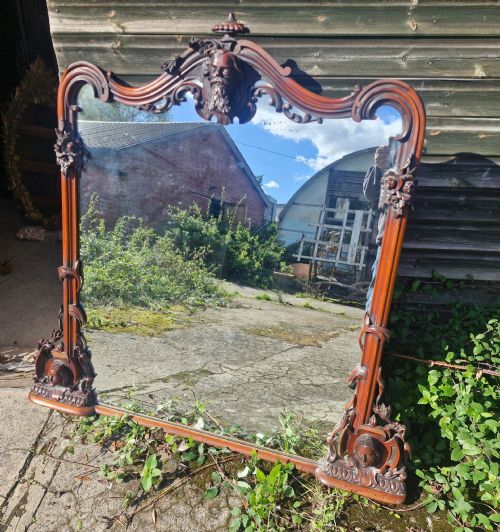
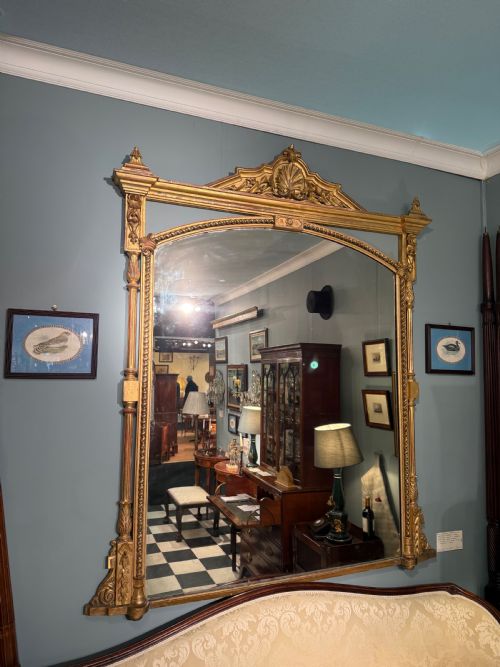
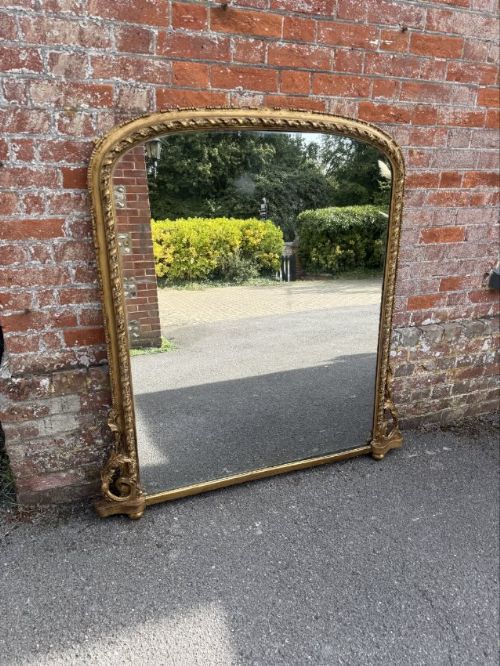
Listings feature numerous nineteenth-century overmantel mirrors incorporating intricate gesso mouldings and arched tops.
Markers of Distinction
Quality in these items rests upon the crispness of the hand-carved detail and the preservation of the original gesso and gilt surfaces. Finer examples display deeply undercut carvings, balanced proportions, and integrated architectural motifs such as columns or arched tops.
Lower-tier items show wear that obscures the original definition of the woodwork or clumsy later repairs to the fragile gesso layers. The depth of the timber work and the clarity of the mirror plates separate standard utility pieces from statement items.
The Antique Wood Fireplace Glossary
- Overmantel mirror
- A large looking glass designed specifically to hang on the wall directly above a mantelpiece. These frames often match the architectural width of the fireplace below them.
- Gesso
- A plaster-like mixture applied to wood surfaces to provide a smooth base for gilding or painting. Artisans mould this material into relief decorations.
- Purdonium
- A specialised decorative box or cabinet designed to hold household coal near a fireplace. They typically feature a sloping lid and an internal metal liner.
- Foot warmer
- A small portable wooden box containing a perforated metal tray for hot embers, historically used to warm feet in cold rooms.
- Giltwood
- Timber that has been coated with a thin layer of gold leaf. This finish creates a bright reflective surface that catches candlelight and firelight.
Antique Wood Fireplace: Frequently Asked Questions
How do I style an overmantel mirror?
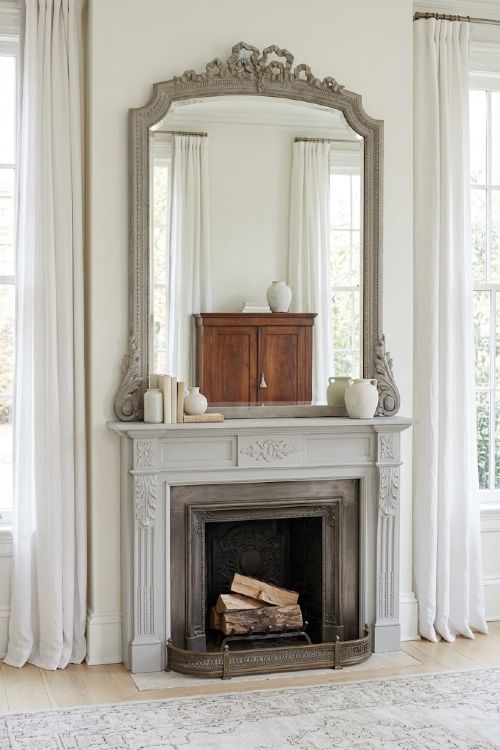
Position the mirror centrally above the mantel shelf, ensuring its width relates harmoniously to the fireplace opening below. Keep the shelf surface uncluttered so the carved frame remains the primary focus of the wall.
Allow the natural reflection of the room to bounce light across the space. Pair the mirror with simple candlesticks or small decorative objects that do not obscure the lower moulding.
What is a purdonium used for?
A purdonium acts as a neat storage container for coal beside a fireplace. The interior metal liner protects the surrounding wood from dirt and moisture.
These practical boxes conceal messy fuel while adding a touch of period craftsmanship to the hearth. Many feature a hinged front flap for easy access to the fuel inside.
How do I clean gilt wood frames?
Dust the carved surfaces gently with a soft, dry brush to remove particles without disturbing the delicate gesso underneath. Avoid all liquid cleaners and chemical sprays, which strip away historical gold leaf.
Take special care around nineteenth-century gilded mouldings, as the gesso layer becomes brittle with age. Professional conservation is advised if the surface shows signs of flaking.
Are these pieces made of solid oak?
Many items utilise solid timber construction, particularly utilitarian boxes, log bins, and architectural fire surrounds. Other decorative frames combine a supportive wooden carcase with moulded gesso ornaments.
Inspect the grain and joins to understand the construction methods used by period makers. Different timbers, including mahogany, walnut, and pitch pine, appear across various nineteenth-century styles.