
Antique Wood Dresser Base
An antique wood dresser base is a robust, low-level storage piece built for daily service, offering generous surface space and drawers.
Antique Wood Dresser Base
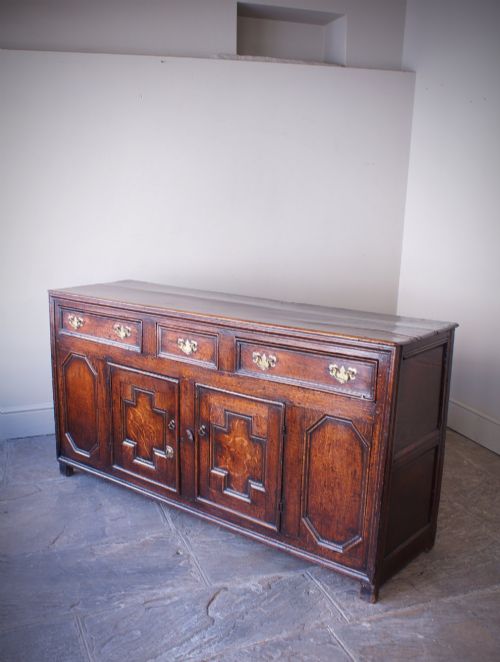
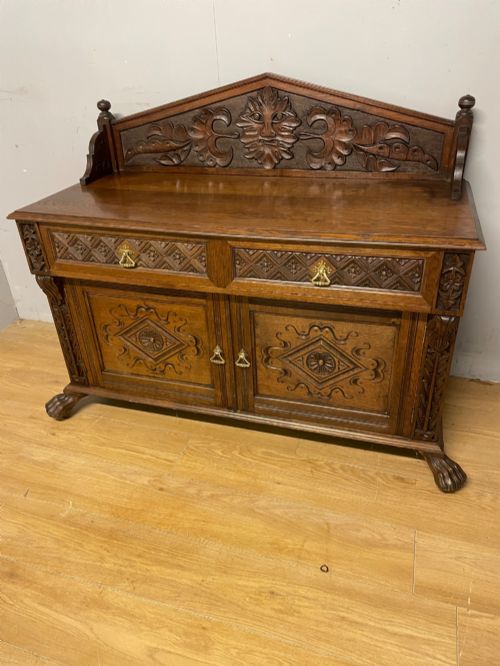
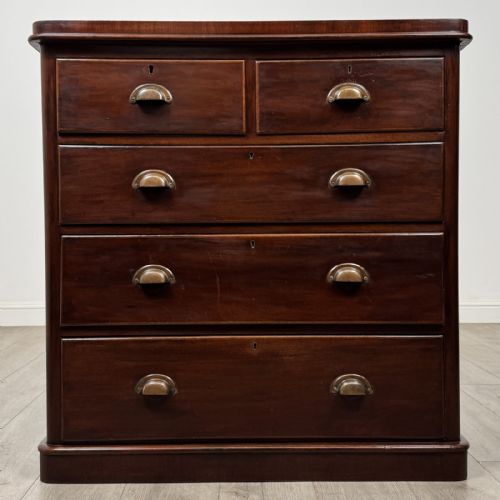
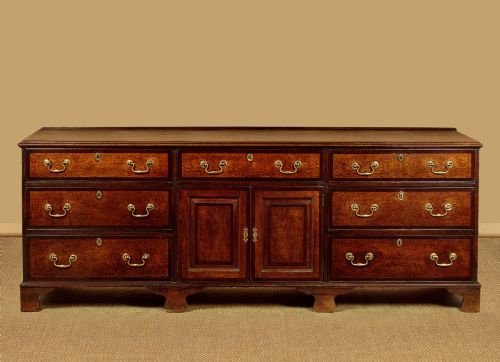
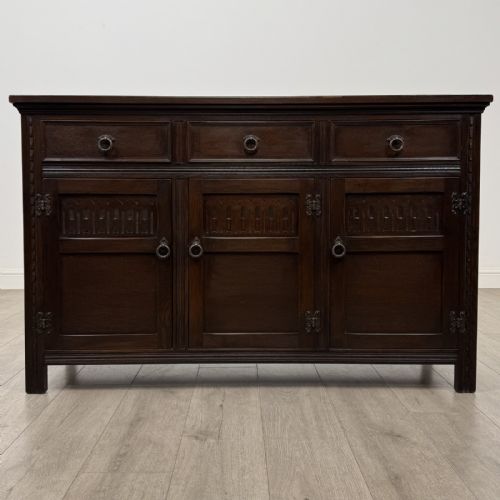
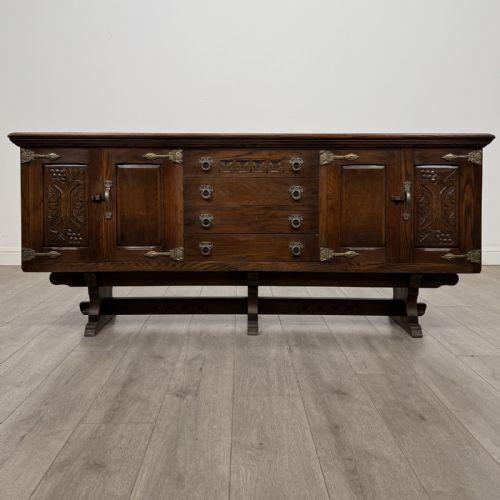
When you search for an antique wood dresser base, you encounter sturdy utilitarian furniture designed primarily for practical storage and serving. These pieces typically feature a long, low profile with a combination of deep drawers and cupboards positioned beneath a broad top surface.
The versions you meet most frequently on this page span the eighteenth, nineteenth, and early twentieth centuries. They appear in regional timbers such as oak, mahogany, and fruitwood, often showing the honest wear of centuries of domestic use in country kitchens and dining rooms.
How they were made
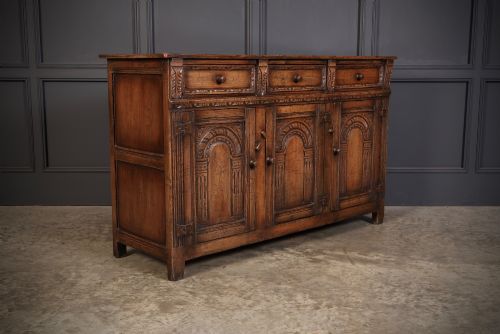
Cabinet makers constructed these foundational pieces using solid native hardwoods like oak, elm, and fruitwood, frequently pairing them with mahogany or pine for secondary framing. Surfaces often display hand-planed finishes and pegged joints that secure the heavy framework together without modern metal fasteners.
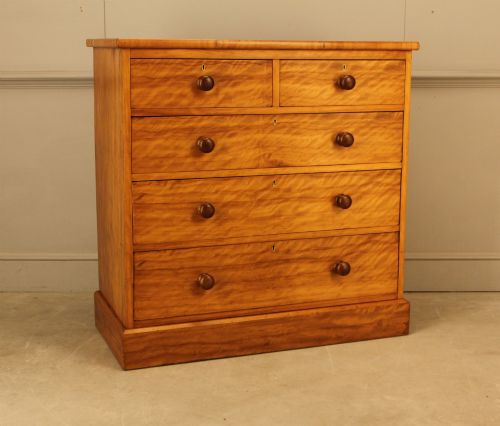
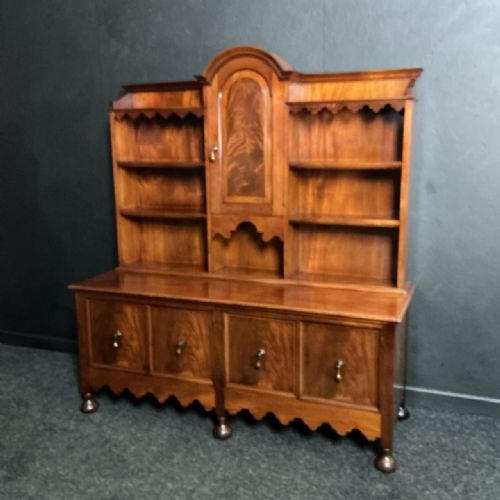
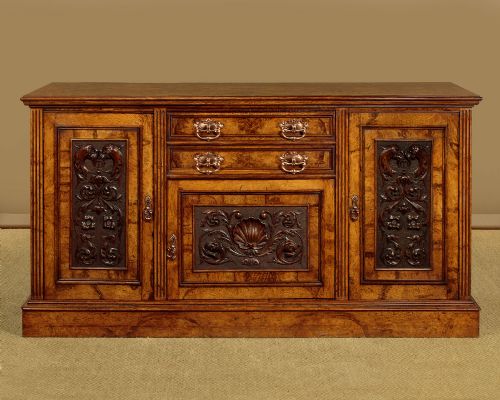
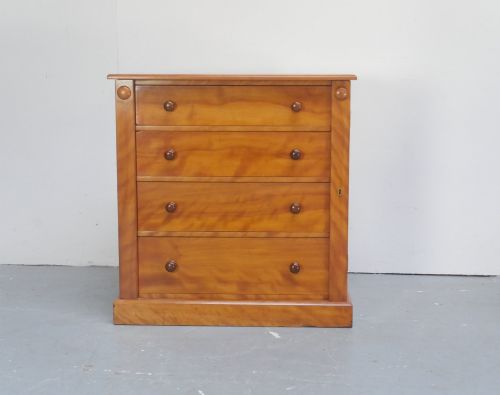
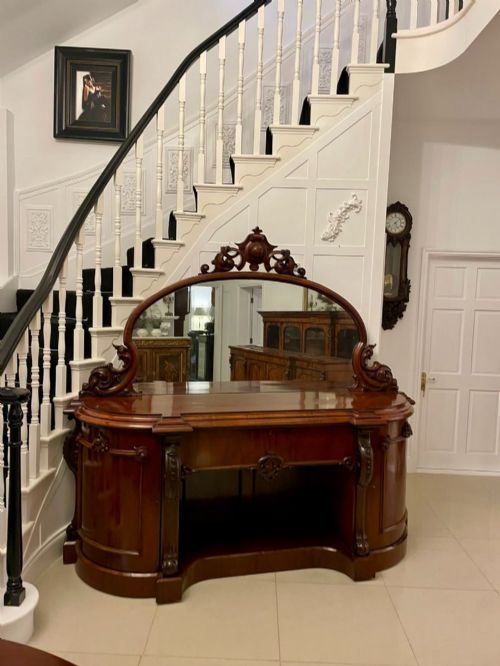
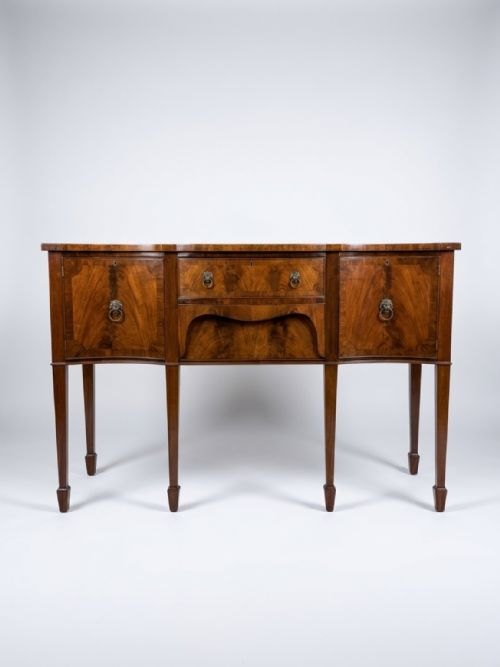
Selected examples incorporate flame mahogany veneers applied over stable pine carcases to create rich decorative grain patterns on drawer fronts. Brass and iron hardware, from drop handles to escutcheons, completes the structural assembly with functional integrity.
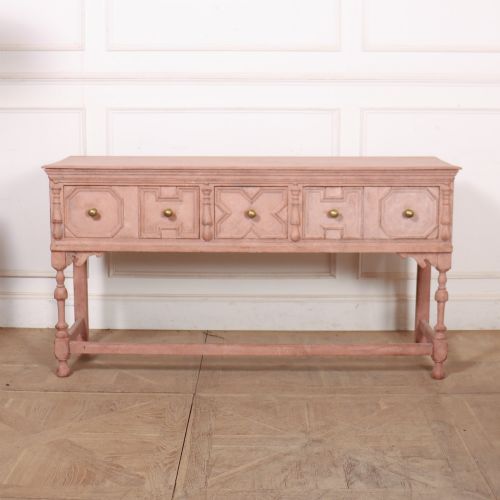
Listings feature dresser bases in solid oak, mahogany, walnut, and painted pine across eighteenth and nineteenth-century periods.
What varies in quality
The standard of timber selection and natural patination largely determines where a piece sits within the range. Examples exhibiting deep, undisturbed surface warmth and well-figured grain command greater appreciation than those with overworked or scrubbed finishes.
Structural harmony also separates the finer specimens from simpler utility pieces. Well-proportioned heights, balanced drawer alignments, and original timber backs demonstrate superior workshop design and long-term durability.
The Antique Wood Dresser Base Glossary
- Potboard
- A lower open shelf built into the base of a dresser for storing heavy kitchen pots and serving dishes. This characteristic tier sits just above the floor on sturdy stretchers.
- Breakfront
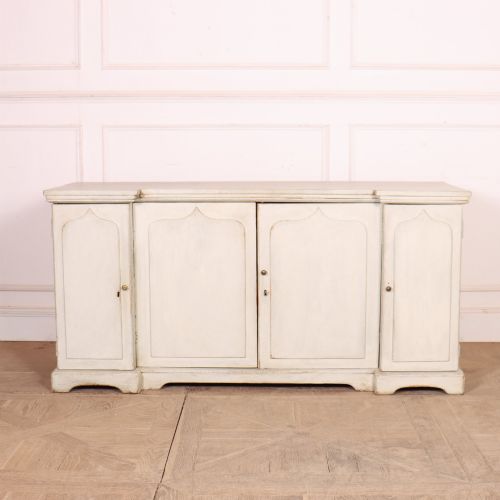
- A cabinet facade where the central section projects forward from the flanking wings. This architectural arrangement adds visual depth and shadow to the piece.
- Patination
- The deep, lustrous surface sheen developed naturally over centuries through handling, waxing, and ageing. It acts as a visual indicator of authenticity and continuous use.
- Escutcheon
- A decorative metal plate surrounding a keyhole that protects the surrounding wood from damage. These fixtures range from simple brass shields to elaborate cast designs.
- Dresser Base
- A low freestanding cabinet featuring top drawers and lower storage, historically used for food preparation and serving. It stands independently without the upper plate rack.
Antique Wood Dresser Base: Frequently Asked Questions
What is an antique wood dresser base?
An antique wood dresser base is a low, sturdy storage unit featuring drawers and cupboards, historically used for preparing and serving food.
Unlike tall kitchen dressers, these pieces omit the upper plate rack entirely, leaving a clear flat surface on top.
How were dresser bases used originally?
In historical domestic settings, these pieces served as robust worktables and storage hubs for heavy ceramics, utensils, and provisions.
The wide top surface accommodated meal preparation while the lower drawers and cupboards kept everyday kitchen equipment close at hand.
How do I style a dresser base at home?
These versatile pieces anchor dining rooms, hallways, and kitchens well when paired with complementary vintage or modern decor.
You can utilise the broad top surface to display ceramic collections, lamps, or artwork while storing table linen inside the drawers.
How do I tell oak and mahogany pieces apart?
Oak exhibits a visible, coarse grain with distinctive medullary rays that create small silvery flecks across the timber surface.
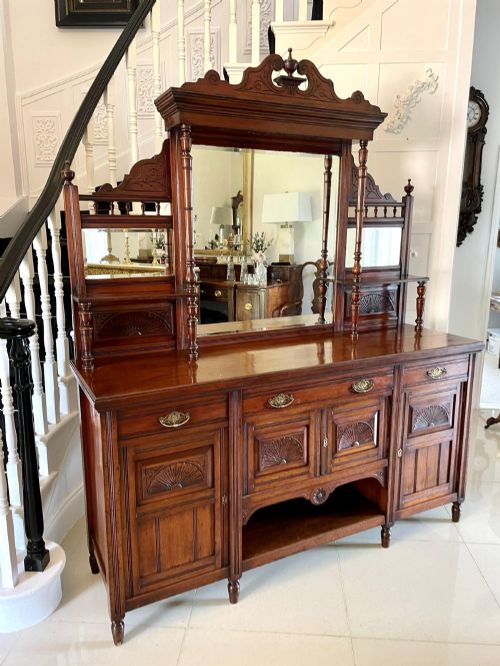
Mahogany presents a smoother, reddish-brown grain structure that can range from straight lines to rich, swirling flame patterns.