

Antique Wood Decor
Antique wood decor encompasses carved panels, mirrors and folk art figures from the eighteenth century to the 1930s that bring texture and history into a room.
Antique Wood Decor
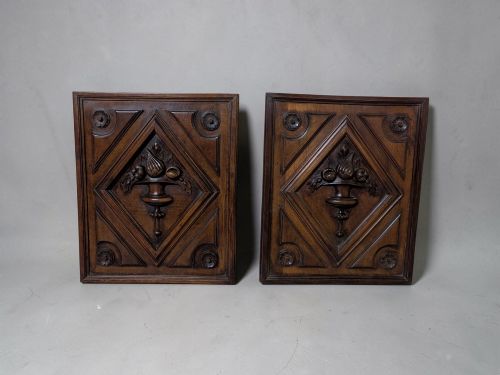
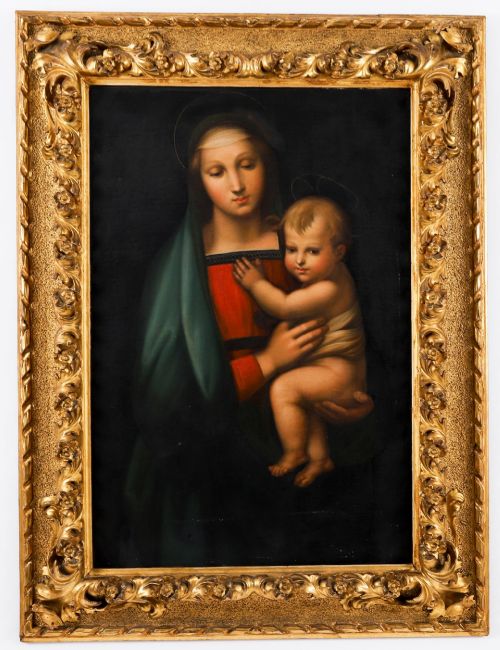
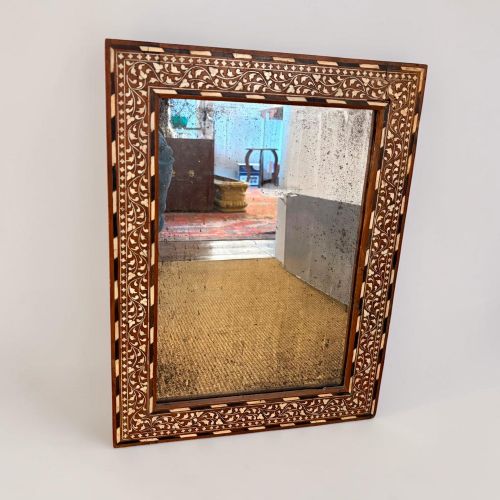
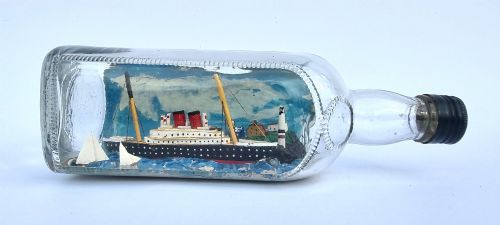
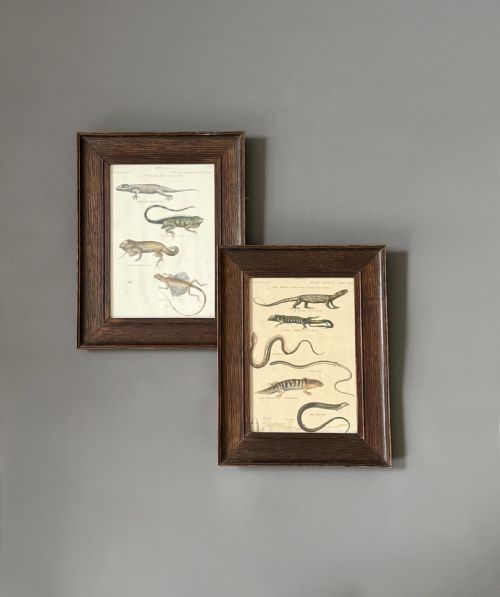
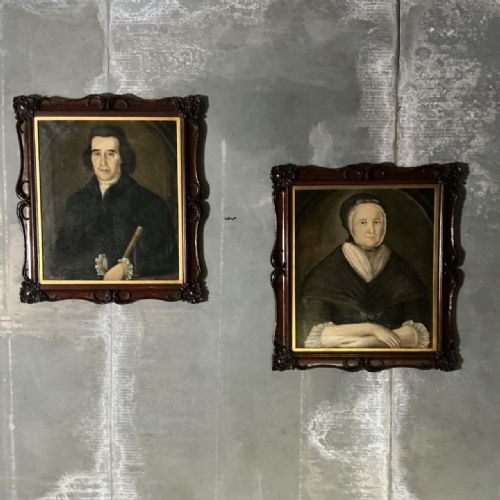
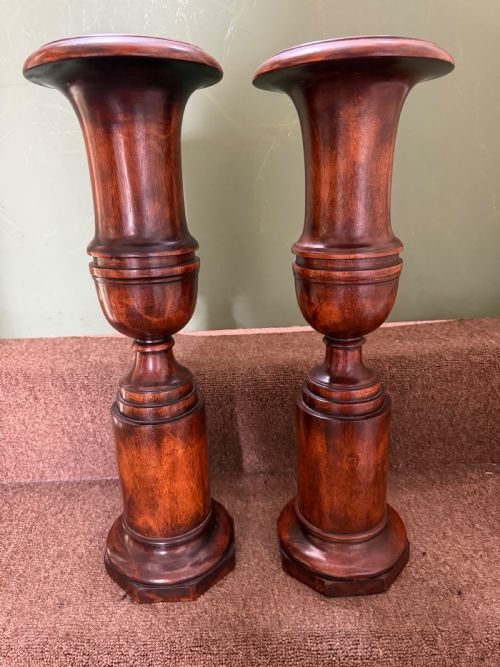
When you search for antique wood decor, you encounter a diverse range of items spanning the Georgian, Victorian, Edwardian and early twentieth-century periods. The selection includes wall mirrors, carved wooden panels, decorative vases, bookends and maritime folk art dioramas.
How They Were Made
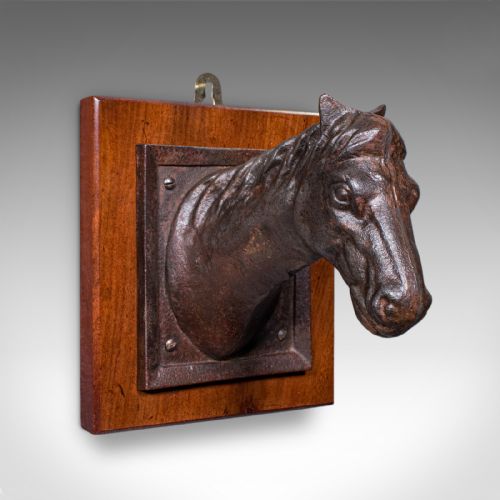
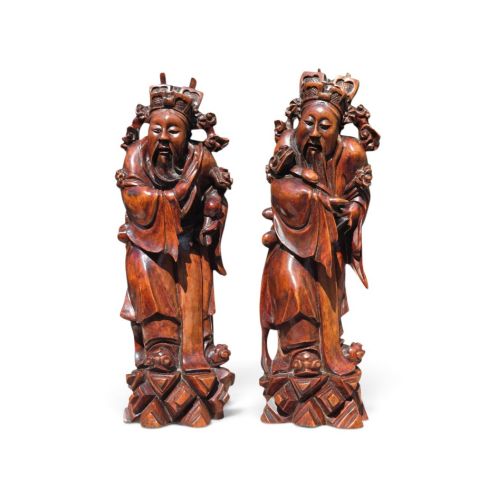
The construction of these items relies heavily on traditional carpentry and carving techniques executed in timber, hardwood and walnut. Artisans employed hand tools to shape panels, turn vases and carve intricate animal and human figures.
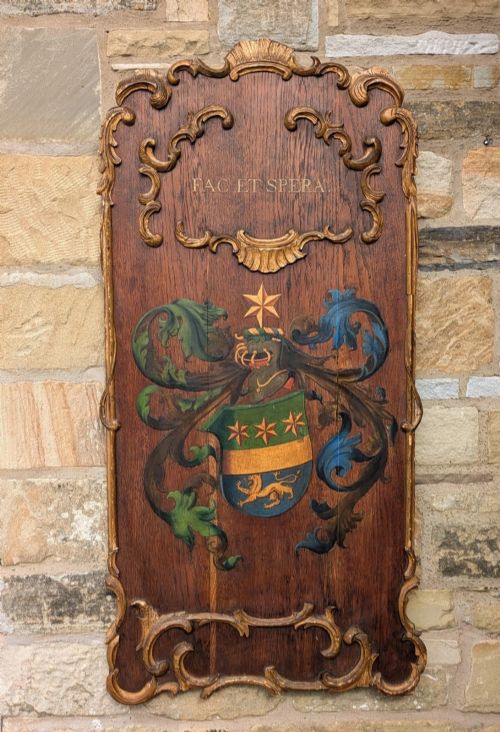
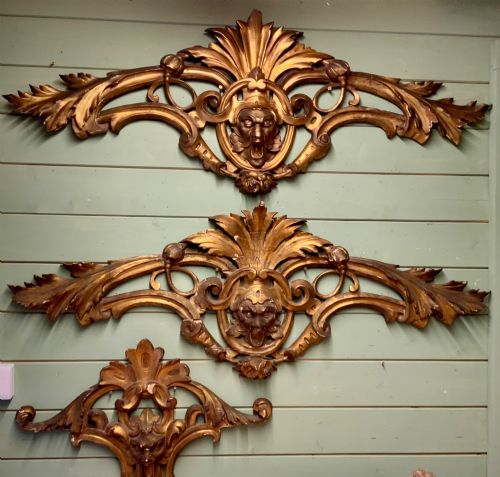
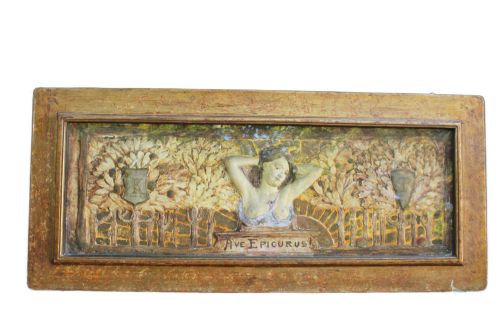
Surface decoration frequently involves applied gesso, paint, lacquer, or gold leaf gilding to enhance the visual depth of the wood. Details such as mother of pearl inlay and polychrome finishes appear on select oriental boxes, platters and architectural ornaments.
The inventory records diverse global origins, including British, French, Chinese, Norwegian and Anglo-Indian craft traditions.
What Varies In Quality
The standard of carving distinguishes superior pieces, where depth, precision and anatomical accuracy in figures or foliage reveal the hand of a skilled artisan. Surface preservation also dictates worth, as original paint, untouched gilt gesso and patinated timber hold greater integrity than later restorations.
The sophistication of the design influences the standing of an object, with items demonstrating regional authenticity or specific stylistic movements such as Black Forest or Anglo-Indian craftsmanship commanding closer attention from collectors.
Thomas Beach·William Bird MD FLS·George Finch Mason·Nanninga Uitterdyke·L.H. Hagen and Co.
The Antique Wood Decor Glossary
- Gesso
- A plaster-like material applied to wood surfaces to prepare them for painting or gilding. It provides a smooth base for intricate relief work.
- Black Forest
- A style of wood carving originating from the mountainous region of central Europe. Pieces from this tradition typically depict animals and foliage in detailed relief.
- Diorama
- A three-dimensional scene housed within a case or bottle, frequently depicting maritime subjects such as sailing ships. Folk art examples often utilise carved wood and painted backdrops.
- Giltwood
- Timber that has been coated with a thin layer of gold leaf or gold paint. This technique was widely utilised on frames and decorative panels during the eighteenth and nineteenth centuries.
Antique Wood Decor: Frequently Asked Questions
How do I clean antique wood decor?
Dust surfaces gently with a soft, dry cloth to prevent the accumulation of grit and grime. Avoid using modern chemical polishes or water, which can damage aged finishes and delicate gesso.
For carved areas with deep recesses, utilise a clean, dry artist's brush to remove debris. Maintaining a stable indoor humidity helps protect the timber from splitting or warping over time.
Are these items suitable for everyday use?
Many pieces, such as mirrors, frames and wall plaques, function practically in modern interiors much as they did originally. Items like decorative vases and carved panels serve primarily as visual focal points.
Position items away from direct sunlight and strong heat sources to preserve painted surfaces and natural timber tones. Handling items with care ensures their preservation for future generations.
How can I identify the period of a carved panel?
Examine the tool marks and the type of wood utilised in the construction, as these indicators often point to specific manufacturing eras. Georgian and Victorian pieces frequently exhibit distinct regional carving characteristics and patina.
Reference the stylistic cues, such as neoclassical motifs or folk art conventions, to narrow down the decade of production. Comparing the backing and fixings can also provide clues regarding age.
What is Black Forest wood decor?
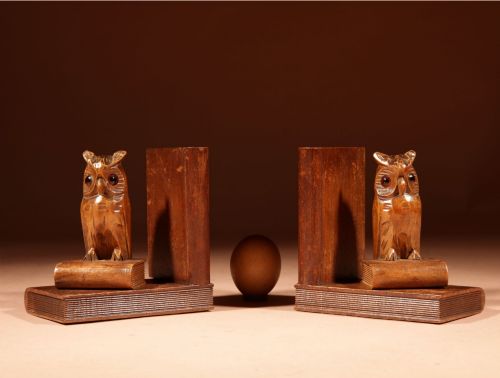
Black Forest decor refers to carved wooden items, particularly animals and foliage, produced in European workshops around the turn of the twentieth century. Common forms include bookends featuring bears or owls.
These pieces are celebrated for their expressive character and detailed hand-carving. They offer a distinct insight into late Victorian and Edwardian decorative arts.