



Antique Wood Corbel
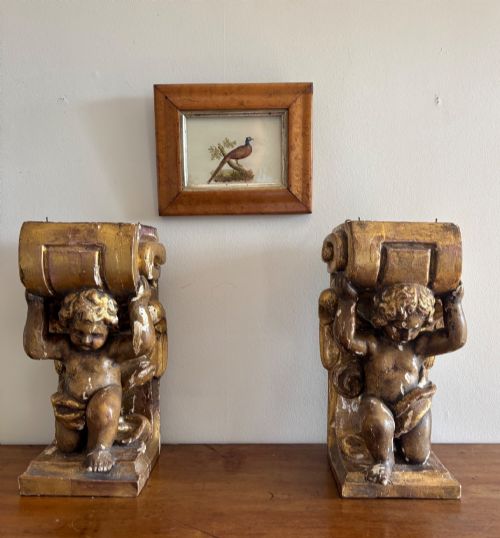
These antique wood corbel pieces provide solid structural support and decorative projection, bringing centuries of skilled carving and rich timber into domestic interiors.
Antique Wood Corbel
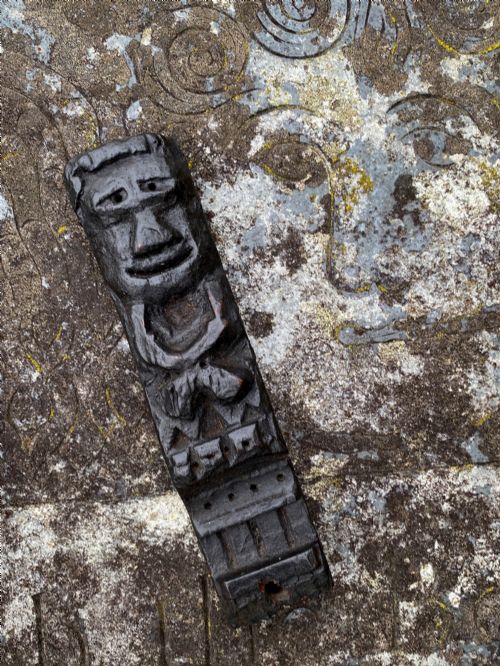
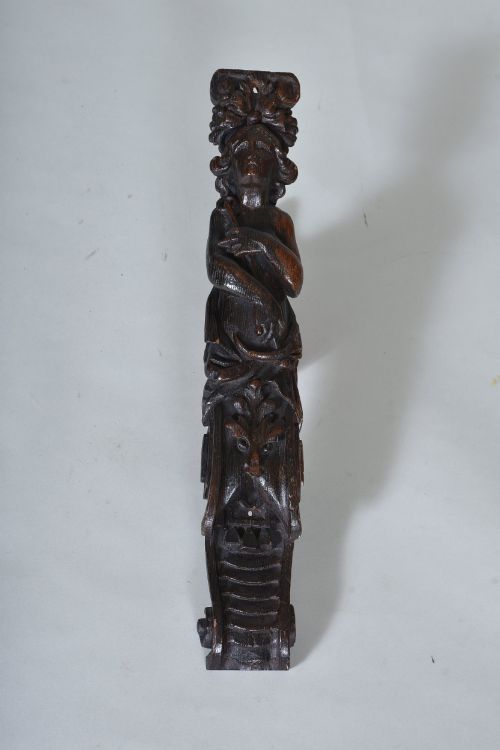
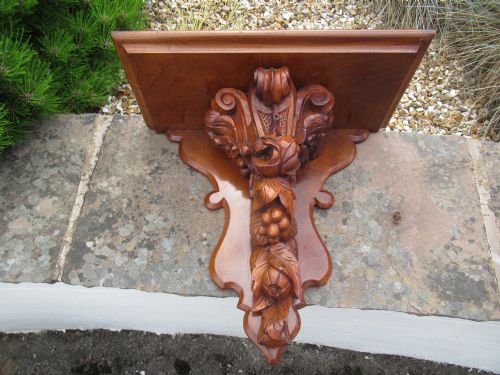
When you search for an antique wood corbel, you are looking at load-bearing architectural supports or decorative wall brackets hewn from timber. The selection spans centuries of craftsmanship, ranging from simple utility pieces to ornate sculptural ornaments.
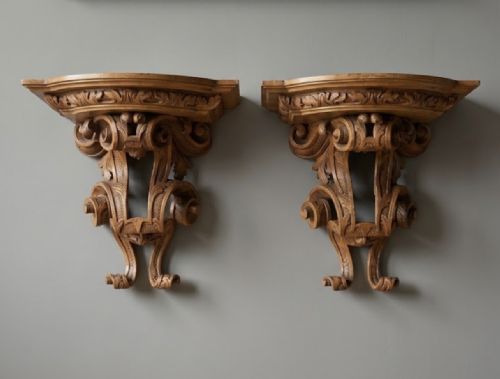
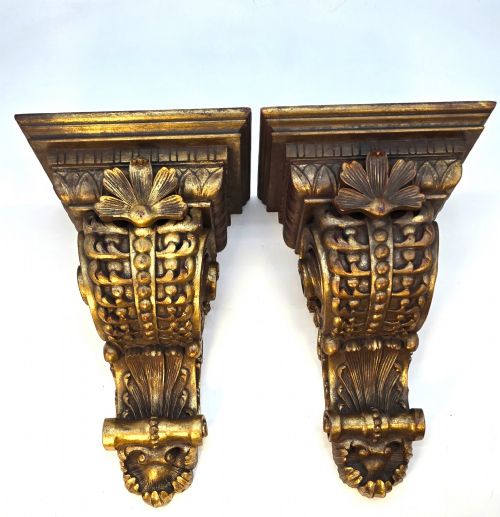
You will most frequently meet 19th-century and Victorian examples on this page, often appearing alongside related architectural salvage, wall brackets, and carved wooden shelves. These items frequently manifest as matched pairs designed to support shelving, cornices, or mantelpieces.
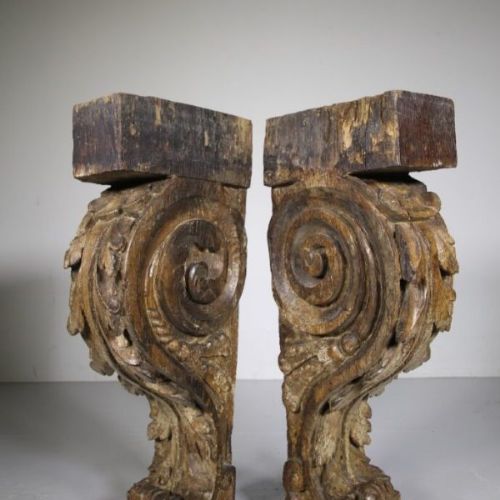
The material origins vary widely across the inventory, incorporating dense hardwoods such as oak, walnut, and mahogany alongside softer pines and exotic timbers. Earlier pieces stretch back through the 18th, 17th, and even 16th centuries, showing deep patination and distinct regional carving traditions.
Materials and construction methods
Craftsmen shaped these items primarily through hand-carving solid blocks of timber, utilising woods like oak, walnut, rosewood, and pine. Artisans employed sharp gouges and chisels to achieve high relief, undercutting foliage, cherubs, and animal forms directly from the grain.
Many items incorporate surface treatments such as gesso applied beneath layers of gold leaf to create gilded architectural highlights. Other pieces rely on the natural grain of polished mahogany, walnut, or fruitwood, finished simply with wax to reveal the depth of the material.
Antique Wood Corbel Retail Price Guide 2026
Typical asking prices for wood corbel among the pieces listed under this phrase on Sellingantiques today, from the lower quarter to the upper quarter. They describe what is for sale here now, not the wider market.
Listings feature timbers including oak, walnut, mahogany, rosewood, and pine, spanning periods from the 16th century through to the Edwardian era.
Judging the quality of carved timber supports
Quality rests upon the crispness and depth of the hand-carving, distinguishing master workshops from standard commercial production. Crisp undercut details in challenging woods like limewood or fruitwood indicate superior artisan capability.
The integrity of the timber and the survival of original surface finishes, whether early gilding or waxed patina, dictate the grade of the piece. Substantial scale and balanced proportions in matched pairs further elevate the standing of these architectural elements.
Luigi Frullini
The Antique Wood Corbel Glossary
- Corbel
- A structural projection built into a wall to support a weight above it, frequently carved into scrolls or figurative motifs. In decorative contexts, they function as wall brackets or shelf supports.
- Gesso
- A plaster-like mixture applied to wood surfaces to prepare them for gilding or painting. It provides a smooth base for intricate, sharp-edged decorative moulding.
- Capital
- The uppermost member of a column or pilaster, often carved with acanthus leaves or classical orders. These architectural fragments frequently find new life as wall brackets.
- Architectural salvage
- Elements rescued from buildings undergoing alteration or demolition, preserving historical craftsmanship. This category encompasses corbels, capitals, and carved roof decorations.
Antique Wood Corbel: Frequently Asked Questions
How were antique corbels originally used?
Builders integrated these solid timber supports into structural frameworks to bear the weight of projecting floors, balconies, overhanging eaves, or heavy ceiling beams. They distributed structural loads while adding ornamental depth to stone or timber masonry.
Over time, craftsmen adapted the form for interior domestic settings to hold up mantelpieces, heavy shelving, or decorative cornices. Many surviving examples served purely as decorative wall brackets for displaying clocks, sculptures, and art objects.
What woods were commonly used for antique brackets?
Oak and walnut dominate the earlier centuries, chosen for their structural strength and resistance to decay in architectural settings. Carvers favoured fruitwoods and limewood for intricate, detailed figures because the tight grain permitted extremely fine chisel work without splitting.
By the Victorian era, cabinetmakers frequently turned to imported exotic timbers like mahogany, rosewood, and goncalo alves. These rich woods matched contemporary furniture styles and accepted fine French polishing or wax finishes.
How can I tell an older carving from a reproduction?
Examine the tool marks left by the carver, as genuine older pieces show the irregular, indented impressions of hand chisels rather than smooth machine routing. The timber should display natural shrinkage cracks, oxidation, and deep patination accumulated over generations of handling.
Check for consistency in wear patterns around the fixing points and edges where the wood would naturally experience contact. Modern reproductions often exhibit artificial distress marks and lack the crisp, purposeful execution of period workshop pieces.